
Freeze Dryer Alternatives: Cheaper Ways to Preserve Food Without One
Published 10/29/2026 · Updated 11/24/2026
Quick answer
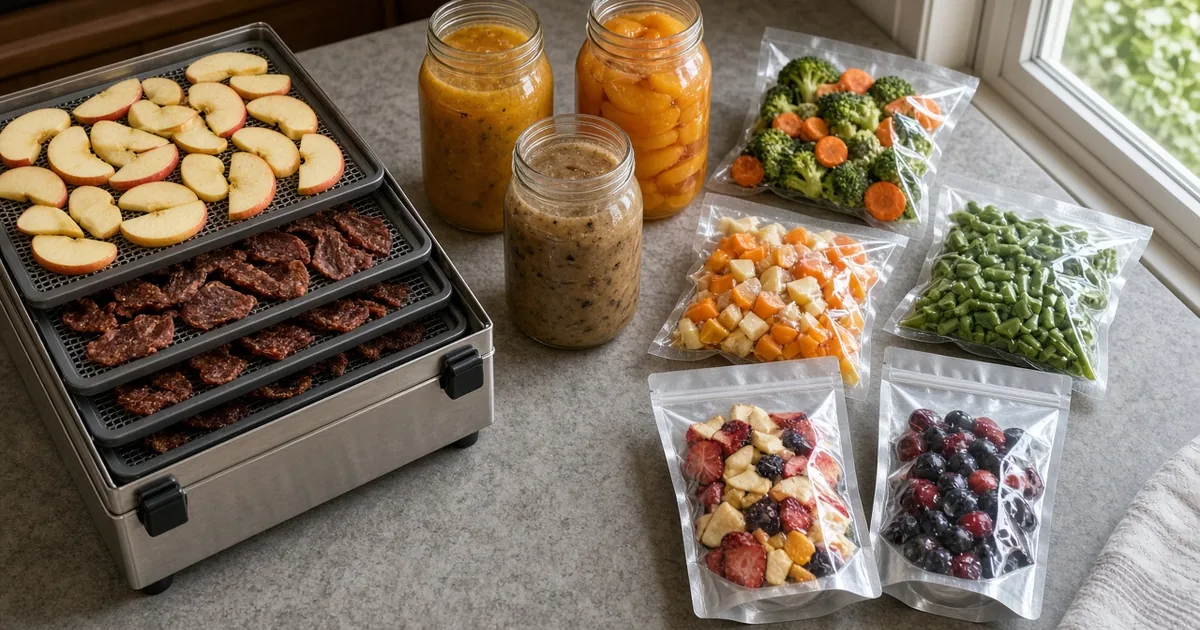
A home freeze dryer is not the only way to preserve food: a dehydrator covers jerky and dried fruit at far lower cost, canning and freezing suit meals and produce you will eat within months, and buying freeze-dried food skips the machine entirely. A vacuum freeze dryer still wins when you want to dry your own food with the longest home shelf life and crunchiest texture.
Products mentioned in this guide
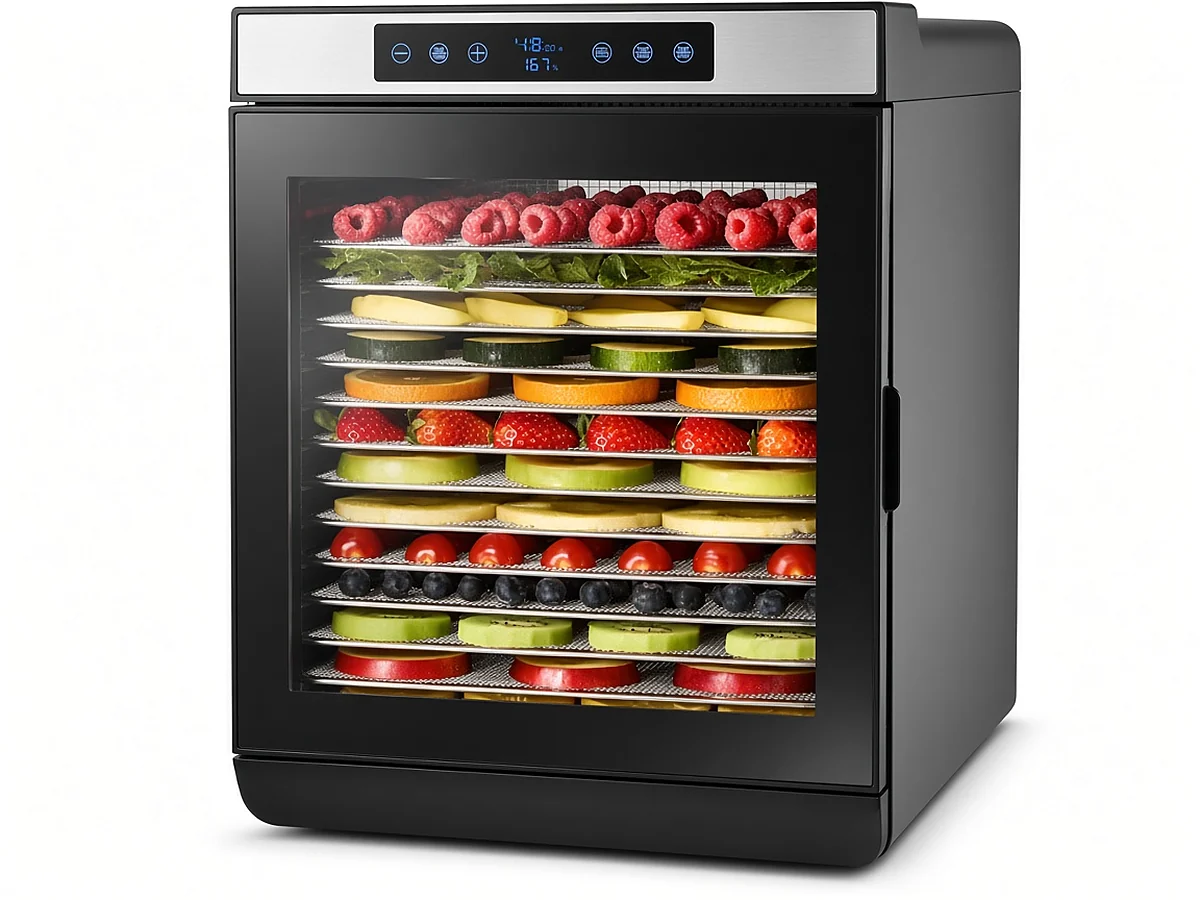
 Magic Mill Pro MFD-7700 Food Dehydrator, 7 Stainless TraysMagic Mill · Dehydrator
 Magic Mill Premium Food Dehydrator, 15 XL Stainless TraysMagic Mill · Dehydrator
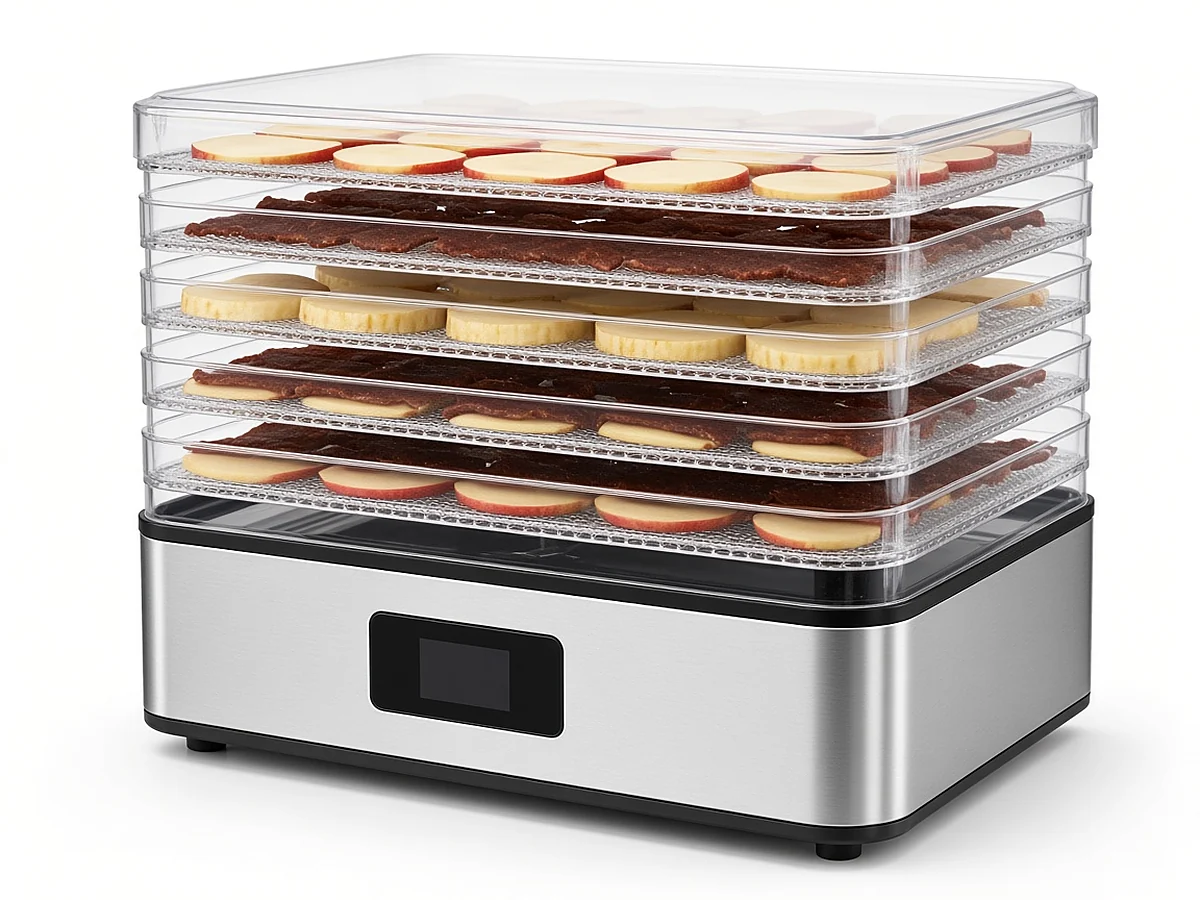 Magic Mill MFD-5000 Food Dehydrator, 5 Stainless TraysMagic Mill · Dehydrator
Buying Guides · Freeze Dryers, Food Dehydrators, Meals, Budget
Updated 30 October 2026
Quick answer: for most households, a food dehydrator is the practical alternative to a freeze dryer. It handles jerky, dried fruit, herbs and trail snacks for a small fraction of the cost, size and running time. If your real goal is shelf-stable meals, pressure canning with tested recipes and a well-run chest freezer cover most of the same ground, and buying commercially freeze-dried food is the simplest option if you only need a small emergency or backpacking supply. A home freeze dryer earns its price mainly when you want to preserve dairy, eggs or whole meals at home, often and in volume.
This guide compares those alternatives honestly, including what each one gives up. If you've already decided you want a freeze dryer and are looking for a machine, go to our roundup of the best home freeze dryers on Amazon instead.
What a freeze dryer does that the alternatives don't
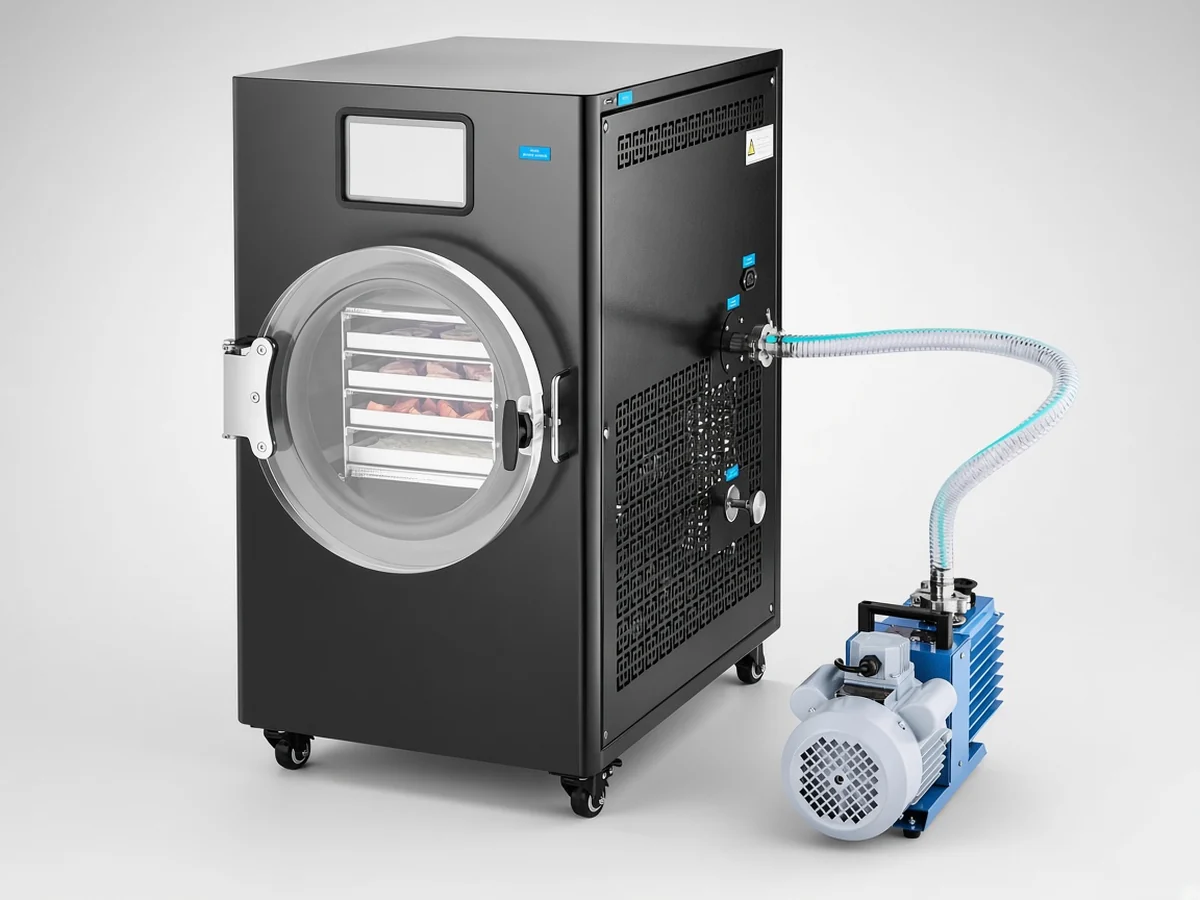
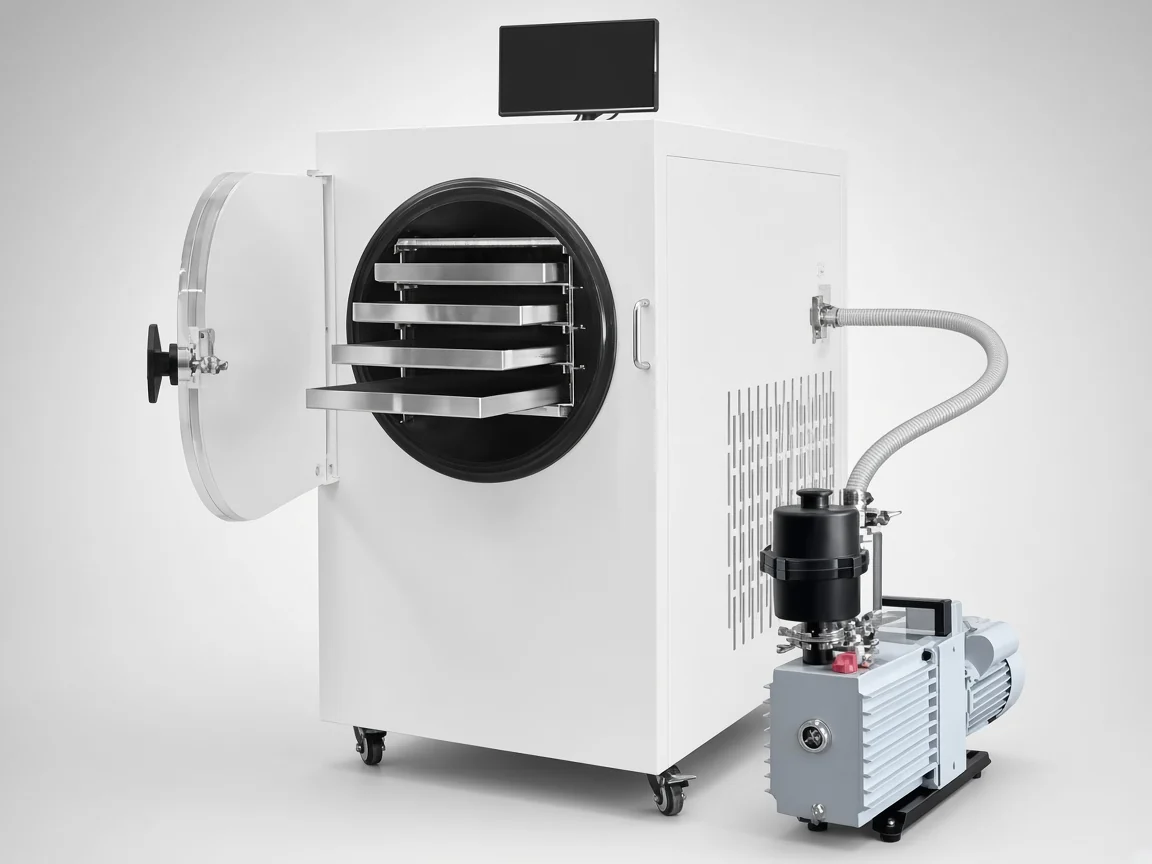
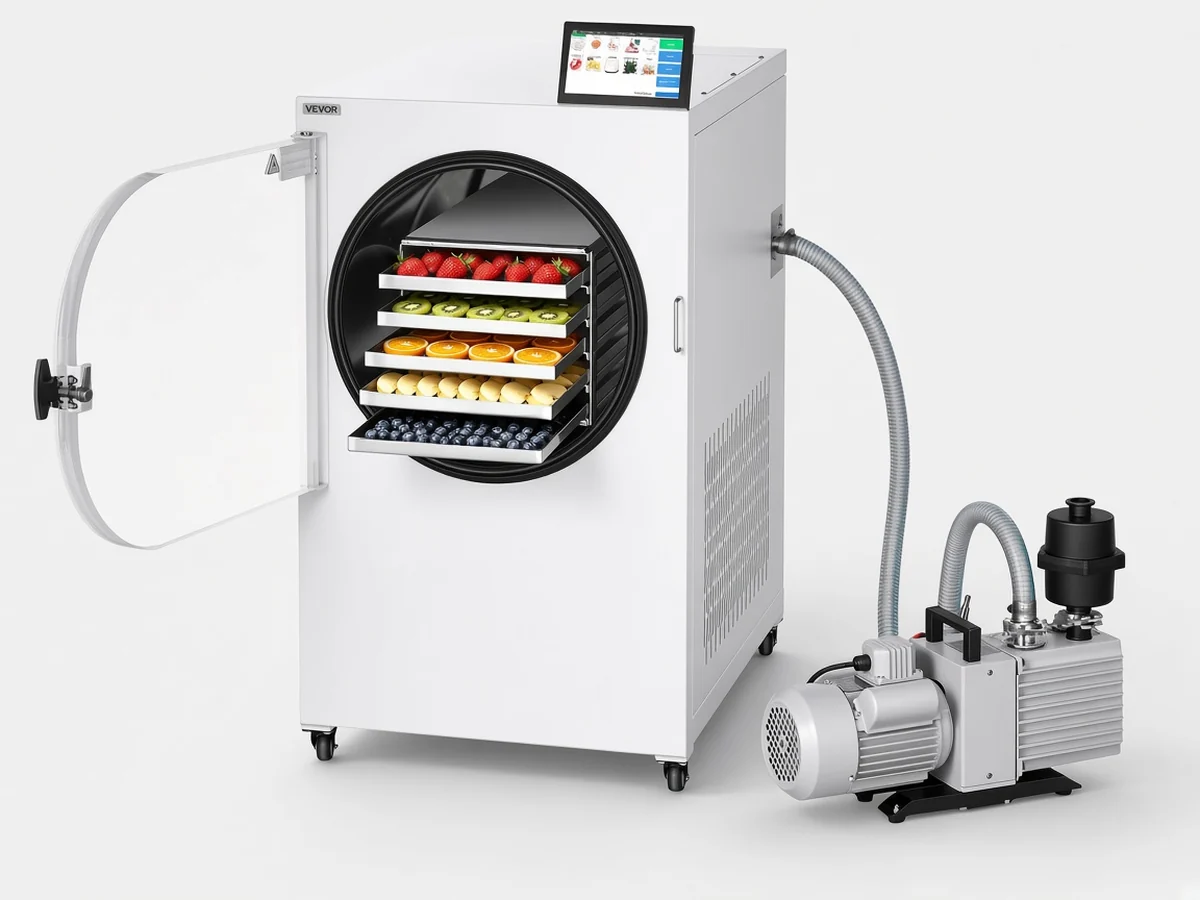
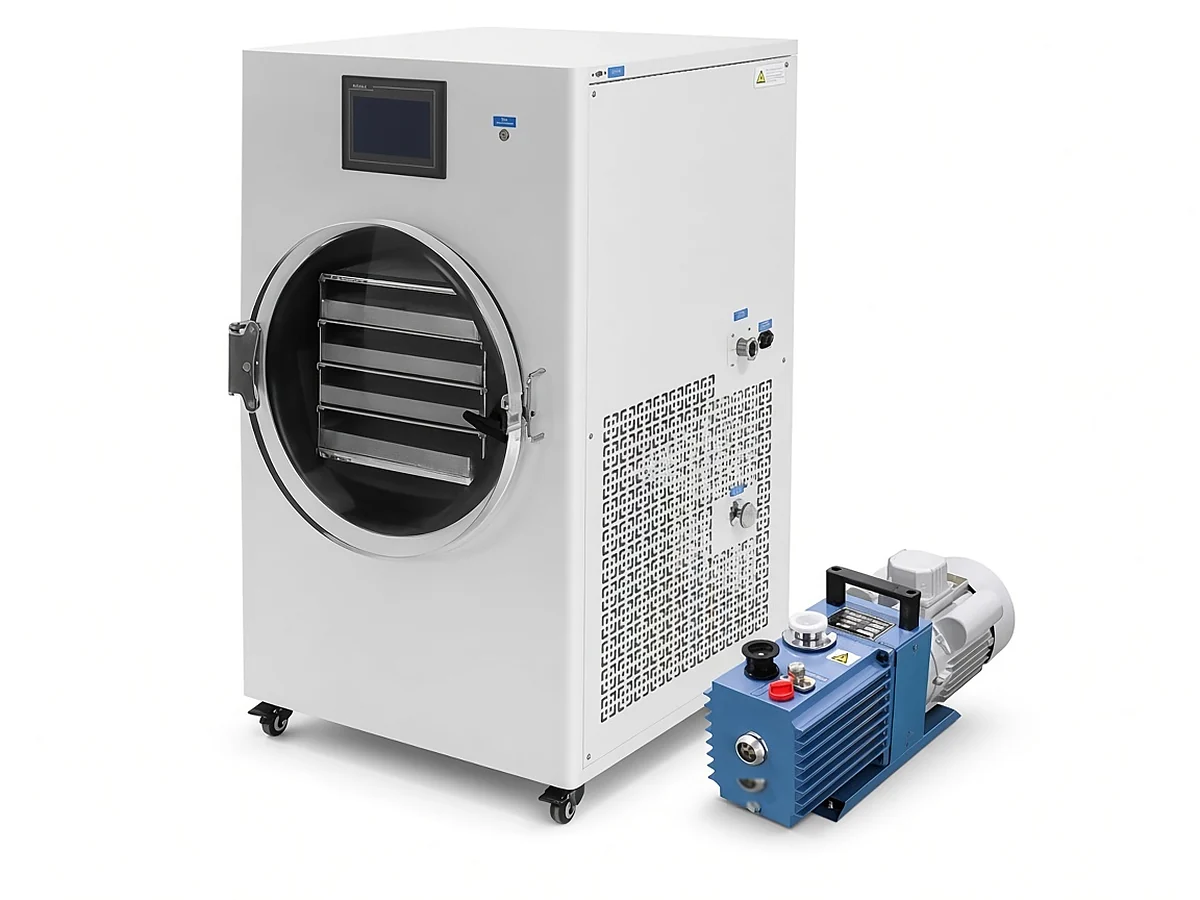
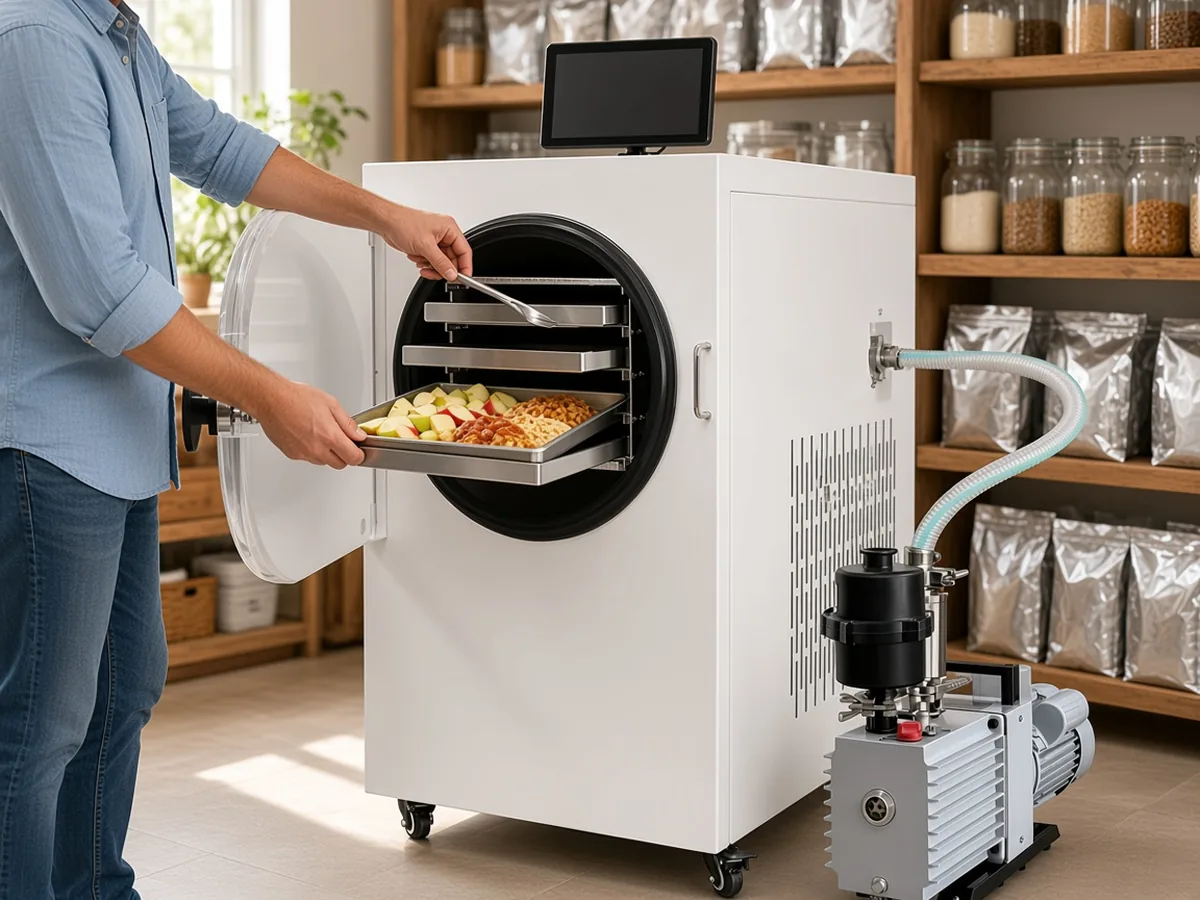
A freeze dryer freezes food, then pulls a vacuum so the ice turns straight into vapour, which a cold trap collects. Penn State Extension says the process removes up to 98 percent of the water in food, and the food keeps its shape and colour better than it does in a dehydrator. Utah State University Extension notes that it can preserve most dairy and egg products, which other home methods can't, and that freeze-dried food rehydrates more fully than dehydrated food. Machines listed on Amazon US, such as the VEVOR HFD-4 and HNZXIB FD-05H, pair a refrigerated cold trap with a vacuum pump to do this.
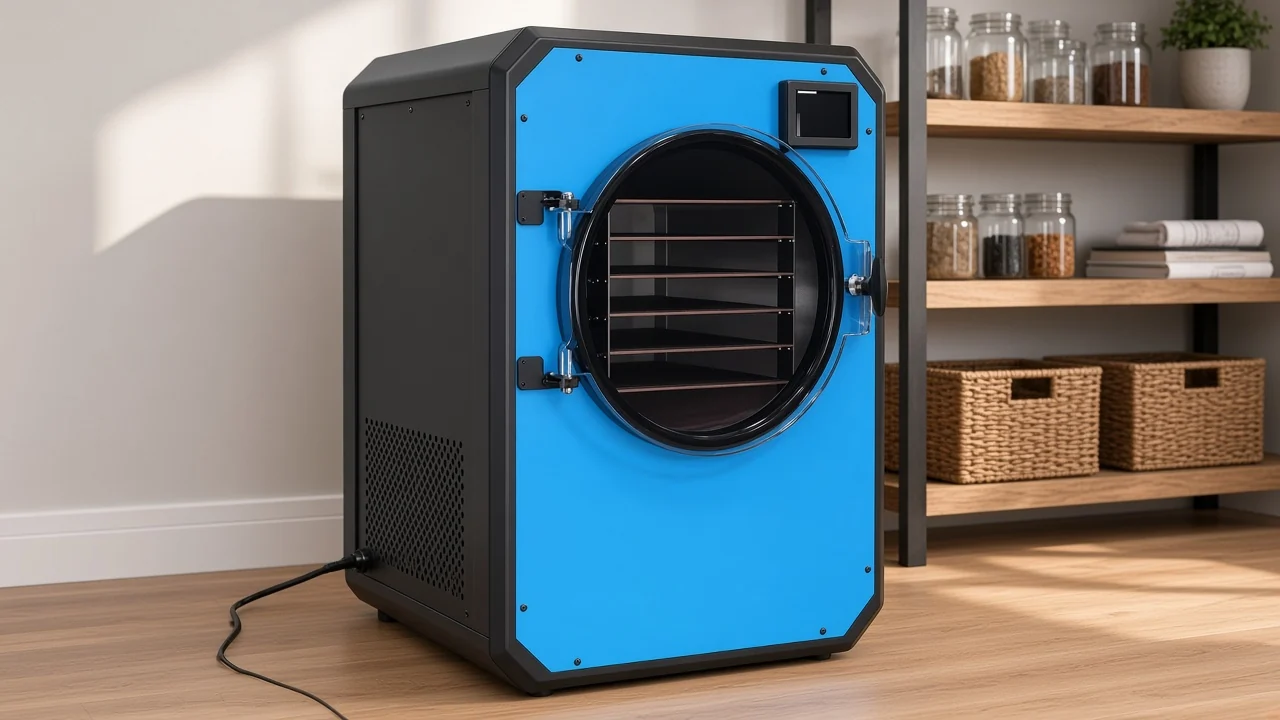
The same Utah State guide is just as clear about the downsides: a high purchase price, ongoing supplies, a large and heavy machine, and batches that run for a day or more. If you mostly preserve fruit, vegetables and meat in ways your household already enjoys, one of the methods below may do the job for far less. For scale, the Blue Alpine Medium Select weighs 110 lb and its owner's manual gives 18 to 36 hours for a full cycle, and the VEVOR SJ-08H is a five-tray machine listed for 17.6–26.5 lb per batch.
The alternatives at a glance
Method | Best for | How long it keeps | What you give up |
|---|---|---|---|
Food dehydrator | Jerky, dried fruit, herbs, vegetable chips, trail snacks | 4 months to 1 year for home-dried food (NCHFP) | Chewier texture; poor results with dairy, eggs and full meals |
Oven or air fryer drying | Occasional small batches | As for dehydrated food | Uneven, slow and energy-hungry for regular use |
Pressure or water-bath canning | Soups, stews, beans, meat, fruit, sauces | Best quality within about a year (NCHFP) | Heavy glass jars; softer texture; tested recipes are a must |
Freezing | Almost anything, including meals and meat | Safe indefinitely at 0 °F; quality times vary (USDA) | Needs power and freezer space; no shelf-stable storage |
Buying commercially freeze-dried food | Emergency kits, backpacking, trying freeze-dried food first | Commercial products can last up to 25 years (UMN Extension) | Higher cost per serving; less choice over ingredients |
A food dehydrator: the closest everyday substitute
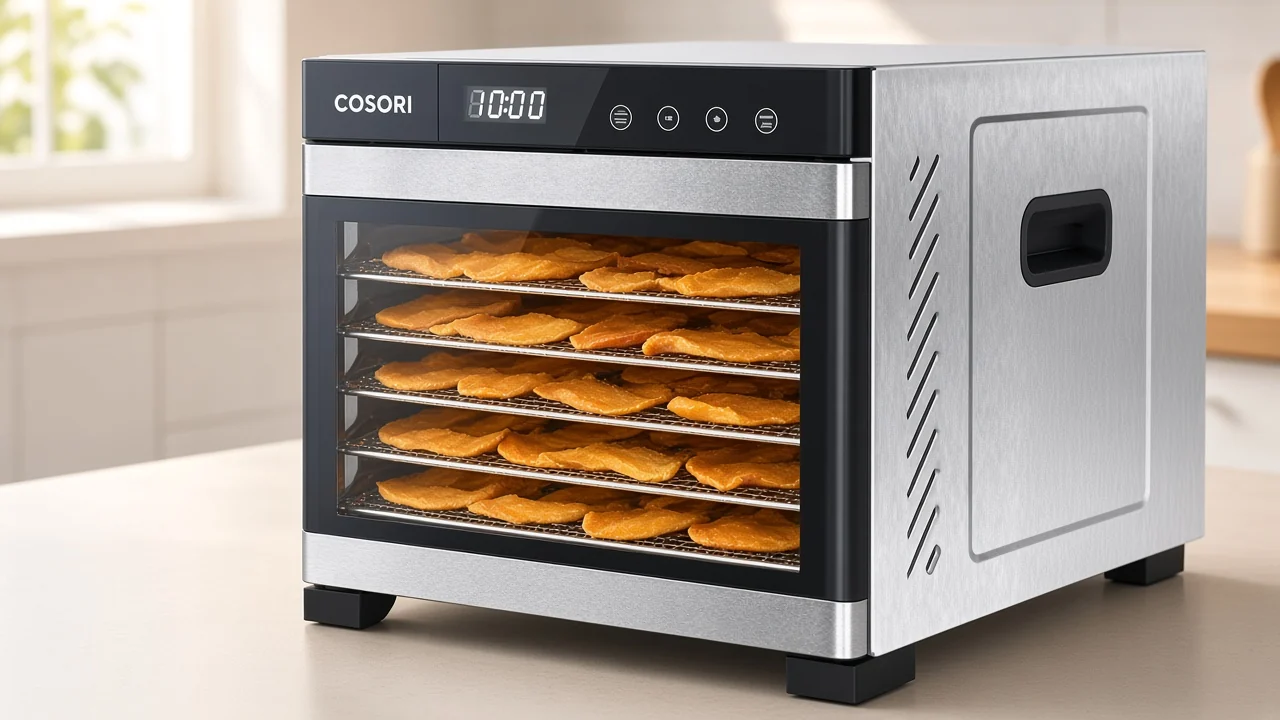
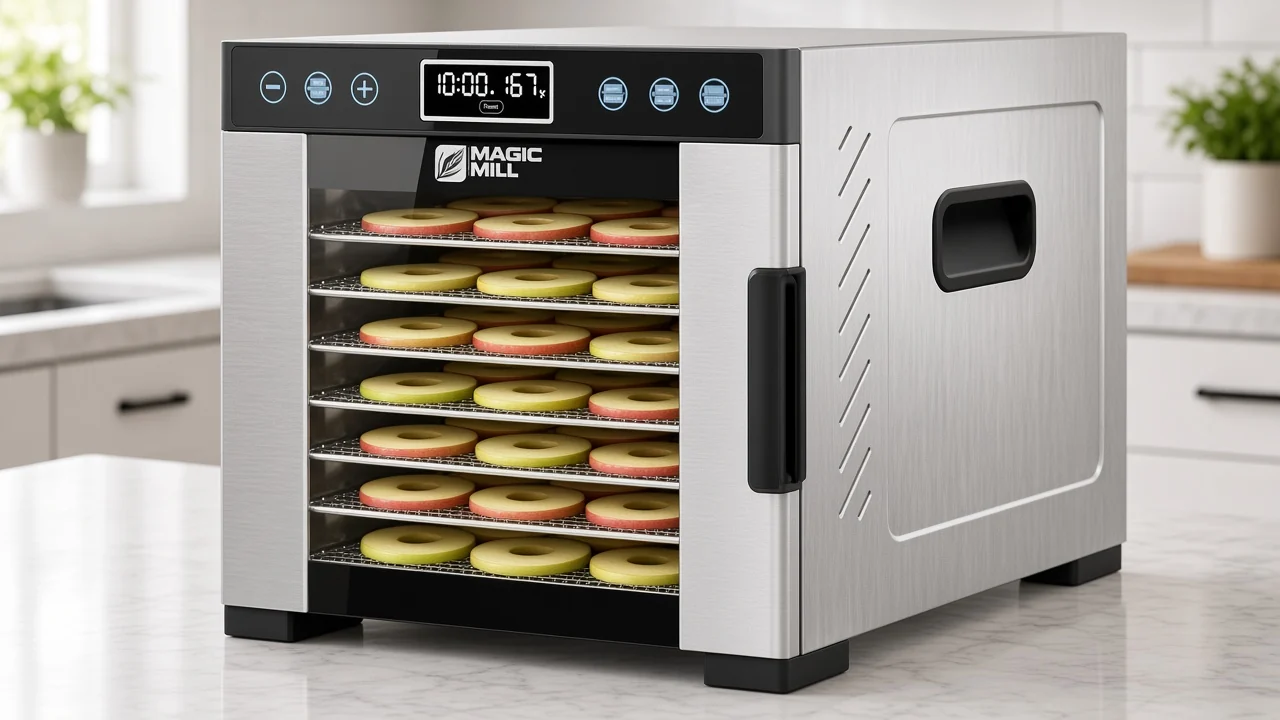
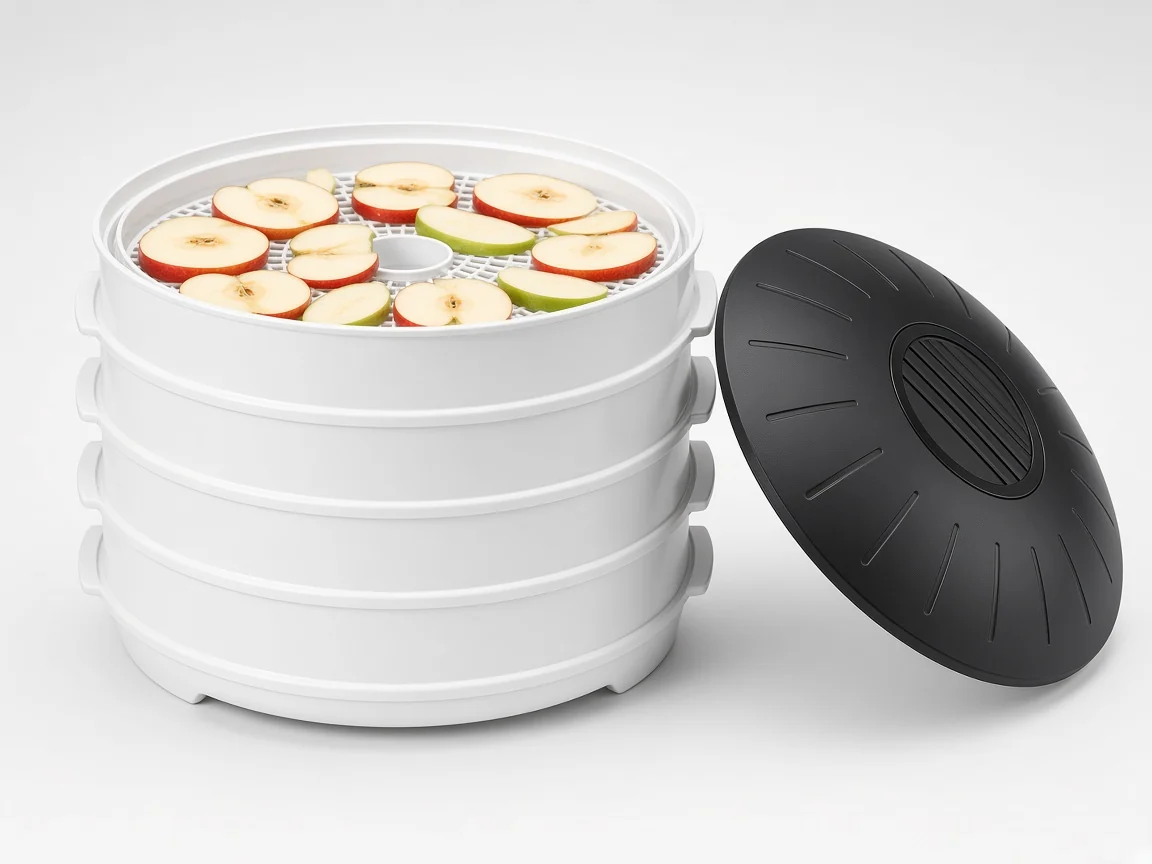
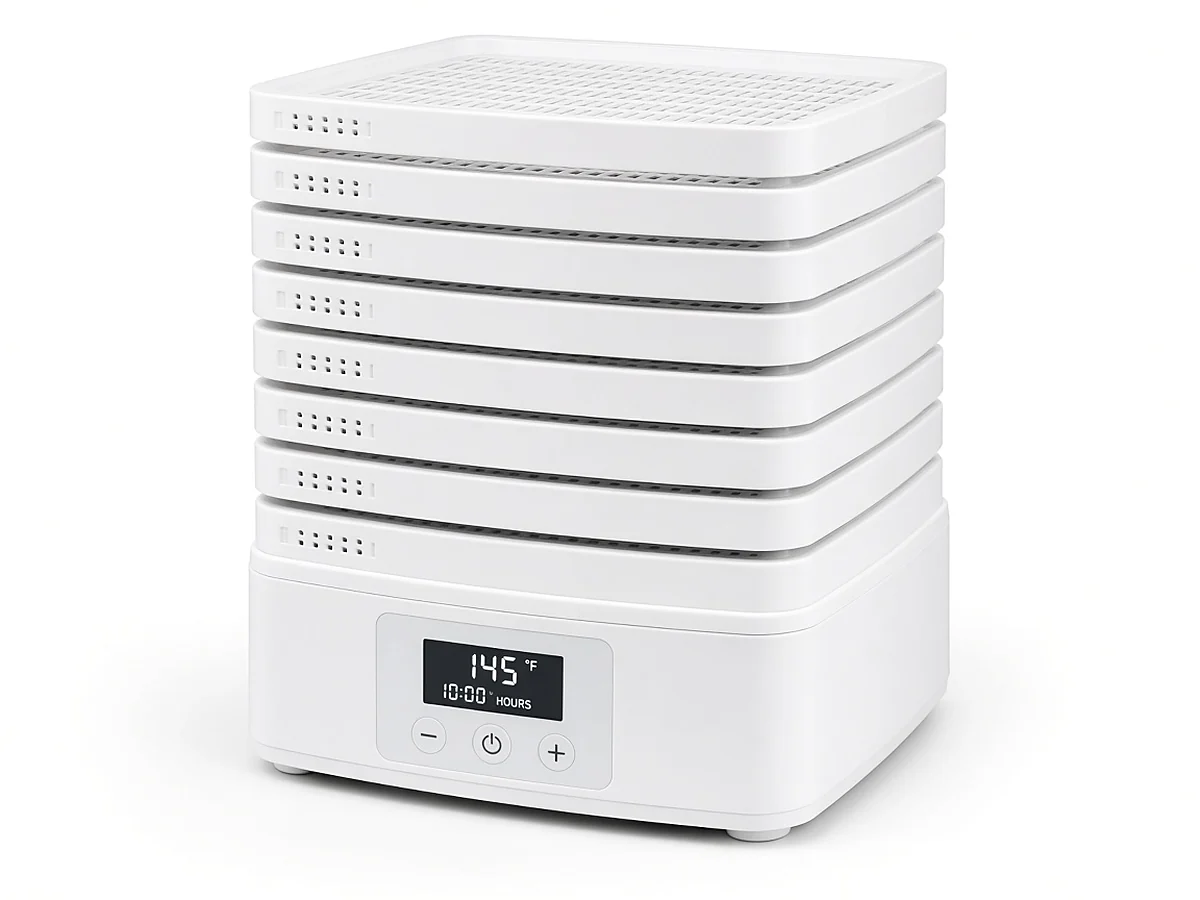
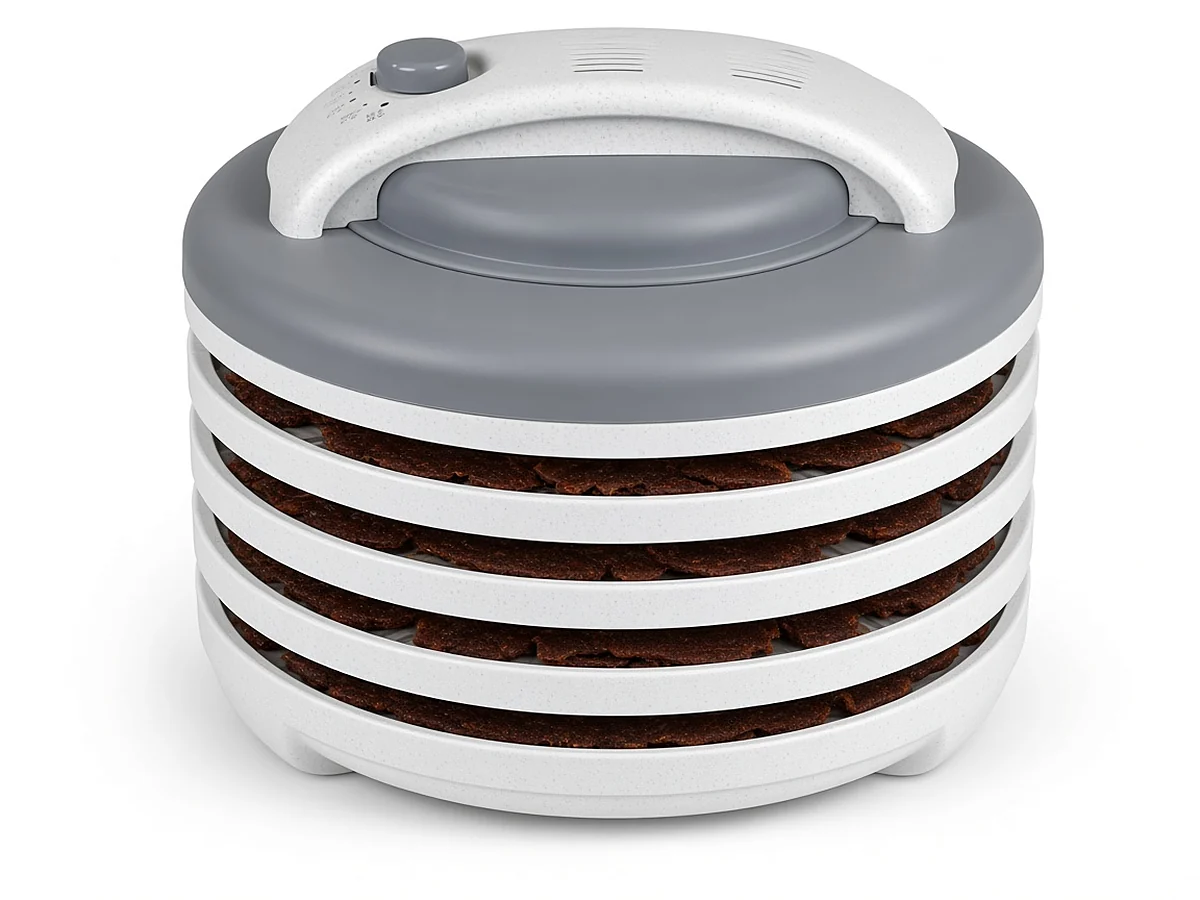
If you're mainly thinking of jerky, dried apples, banana chips or herbs, a dehydrator is the better tool, not a compromise. It dries with warm moving air rather than a vacuum, so food shrinks and turns leathery or crisp, but the results are what most people expect from those foods anyway. A dehydrator also runs for hours rather than a day or more, sits on a counter and costs a small fraction of a home freeze dryer. Shelf-style models such as the COSORI CP267-FD and Magic Mill MFD-7700 use a rear fan and an adjustable thermostat, and the stackable Presto 06300 Dehydro starts with four trays and expands to eight.
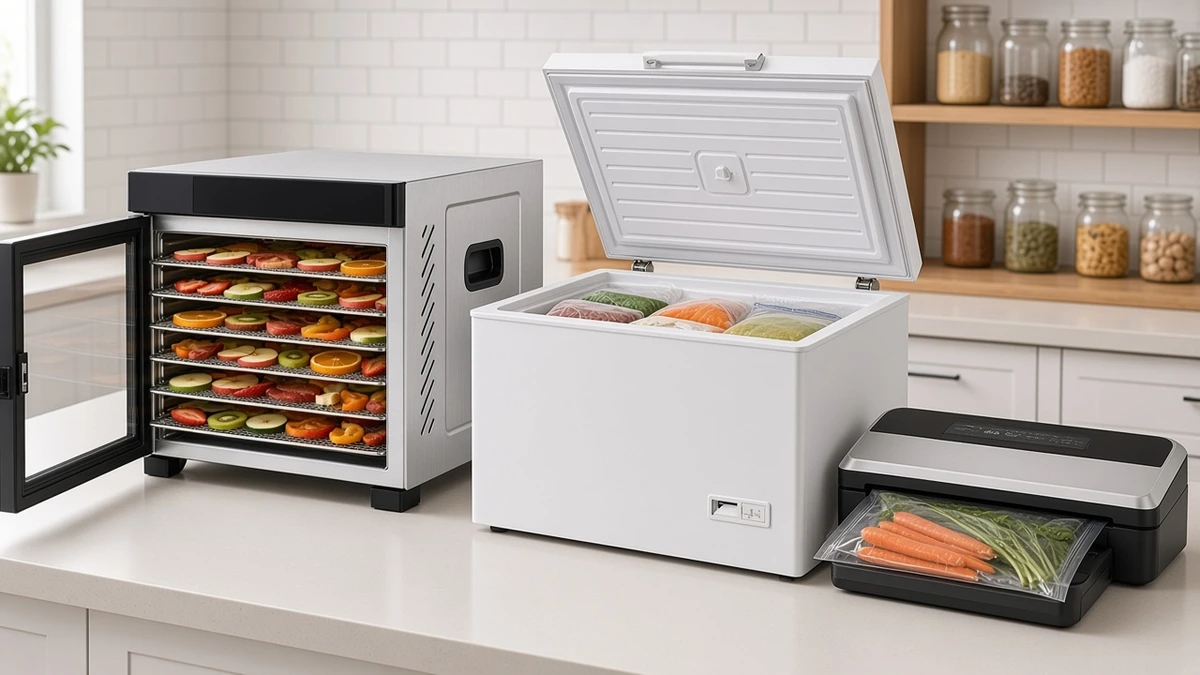
The trade-off is storage life and range. The National Center for Home Food Preservation gives recommended storage times of 4 months to 1 year for dried foods, with most dried fruit keeping about a year at 60 °F and six months at 80 °F, and vegetables about half as long. Dehydrated food also rehydrates less completely, and dairy, eggs and cooked meals don't suit it.
Our freeze dryer vs dehydrator guide goes deeper into that choice. If a dehydrator looks like the answer, our best food dehydrators on Amazon roundup compares shelf-style and stackable models.
Your oven or air fryer: fine for a test run
You may not need to buy anything to try drying food. An oven on its lowest setting with the door propped open, or an air fryer with a dehydrate function, can dry a tray of fruit or a small batch of jerky. Neither is built for long runs. An oven's lowest setting may run hotter than drying needs, and an air fryer holds very little. Our comparison of dehydrator vs oven vs air fryer explains where each one works. If the test run convinces you, a dedicated dehydrator such as the COSORI CP267-FD adds a 95–165 °F thermostat and a 48-hour timer with automatic shut-off.
Canning: shelf-stable meals without a freeze dryer
Canning is the traditional answer to the "shelf-stable meals" goal that draws many people to freeze dryers. Soups, stews, beans, meat and fruit can all be canned at home, and the jars sit in a pantry with no power needed. Utah State's guide notes that freeze drying can replace pressure canning of low-acid foods, which tells you how much those two methods overlap.
Safety depends on method. Low-acid foods such as vegetables, meat and soups need a pressure canner, and every recipe should be a research-tested one, such as those from the National Center for Home Food Preservation. The NCHFP advises storing jars at 50 to 70 °F and canning no more than you will use within a year for best quality. Jars are heavy and fragile, so canned food doesn't suit backpacking. Our freeze drying vs canning guide compares the two directly.
Freezing: simple, flexible, but not shelf-stable
A chest freezer is the cheapest way to store almost any food for a long time. The USDA says that food kept constantly at 0 °F will always be safe, and that its recommended freezer times are for quality only. Blanching most vegetables first and packing food to keep air out both help it keep its quality.
The limits are power and space. Frozen food isn't portable, and a long outage puts the whole store at risk; the USDA says a full freezer usually holds for about two days with the door shut. If you want food that sits in a cupboard or a pack, freezing alone won't get you there.
Buying commercially freeze-dried food
If you want freeze-dried food for an emergency kit or a few hiking trips a year, buying it ready-made avoids the machine entirely. The University of Minnesota Extension says commercially prepared freeze-dried foods can have a shelf life of up to 25 years, and notes that there is limited shelf-life information for food freeze dried at home.
The catch is cost per serving. Utah State's guide says home freeze-dried food is substantially cheaper than commercial products once a machine is paid off, which is why heavy users eventually buy one. It also suggests trying some commercially freeze-dried food before buying a machine, to see whether you like the results. That makes buying ready-made a sensible first step even if you expect to own a freeze dryer later.
When a freeze dryer is still the better buy
A home freeze dryer makes sense when several of these are true for you:
You want to preserve dairy, eggs or complete cooked meals in a shelf-stable form.
You'll run it often, whether for garden harvests, bulk meat or meal prep, so the machine's cost is spread over many batches.
You want lightweight food that rehydrates close to its original texture, for backpacking or long-term storage.
You have a cool, ventilated spot for a heavy machine and a suitable electrical circuit. The Blue Alpine Medium Select, for example, runs on a standard 120 V, 15 A household circuit.
If that sounds like you, our home freeze dryer roundup compares the genuine machines listed on Amazon US. That includes options for people who searched for a Harvest Right alternative, since Harvest Right wasn't available on Amazon US when we checked. Before you buy, it's worth reading how to spot dehydrators sold as freeze dryers. Genuine vacuum freeze dryers listed on Amazon US include the VEVOR HFD-4, Blue Alpine Medium Select, HNZXIB FD-05H and VEVOR SJ-08H.
Which alternative fits you?
If you mainly want to | Start with |
|---|---|
Make jerky, dried fruit, herbs or snacks | A food dehydrator |
Try drying food before spending anything | Your oven or air fryer |
Keep soups, stews and beans in the pantry | Pressure canning with tested recipes |
Store meat, meals and produce for months | A chest freezer |
Build a small emergency or backpacking supply | Commercially freeze-dried food |
Preserve dairy, eggs or whole meals shelf-stable, often | A home freeze dryer |
Frequently asked questions
Can you freeze dry food without a freeze dryer?
Not reliably. True freeze drying needs a vacuum and a cold trap to pull water out of frozen food, and a household freezer has neither. Food left uncovered in a freezer does lose some moisture slowly, which is what freezer burn is, but the USDA describes freezer burn as leaving food dry in spots rather than evenly dry. If you want food that keeps without refrigeration, use a tested method such as dehydrating or canning.
Is a dehydrator a good substitute for a freeze dryer?
For jerky, fruit, herbs and snacks, yes. Shelf dehydrators such as the Magic Mill MFD-7700 and COSORI CP267-FD are built for that kind of drying. For dairy, eggs, full meals or food you want to rehydrate close to fresh, no. Dehydrated food also has a shorter recommended storage time.
What is the cheapest alternative to a freeze dryer?
Drying in an oven you already own costs nothing up front, and a basic dehydrator is the cheapest dedicated appliance. The Presto 06300 Dehydro is an example of a basic stackable model, with a fixed temperature and no timer. For long-term storage of meals, a chest freezer or a pressure canner costs far less than a home freeze dryer.
Is buying freeze-dried food cheaper than owning a freeze dryer?
For small amounts, yes. Utah State University Extension says home freeze-dried food is substantially cheaper per serving than commercial products, but you only come out ahead once you've made enough batches to cover the machine, supplies and electricity.