
How-To
Step-by-step guides for running a freeze dryer or dehydrator and preparing popular foods like strawberries, candy, eggs and full meals.
Buying Guides & Articles
 Guide
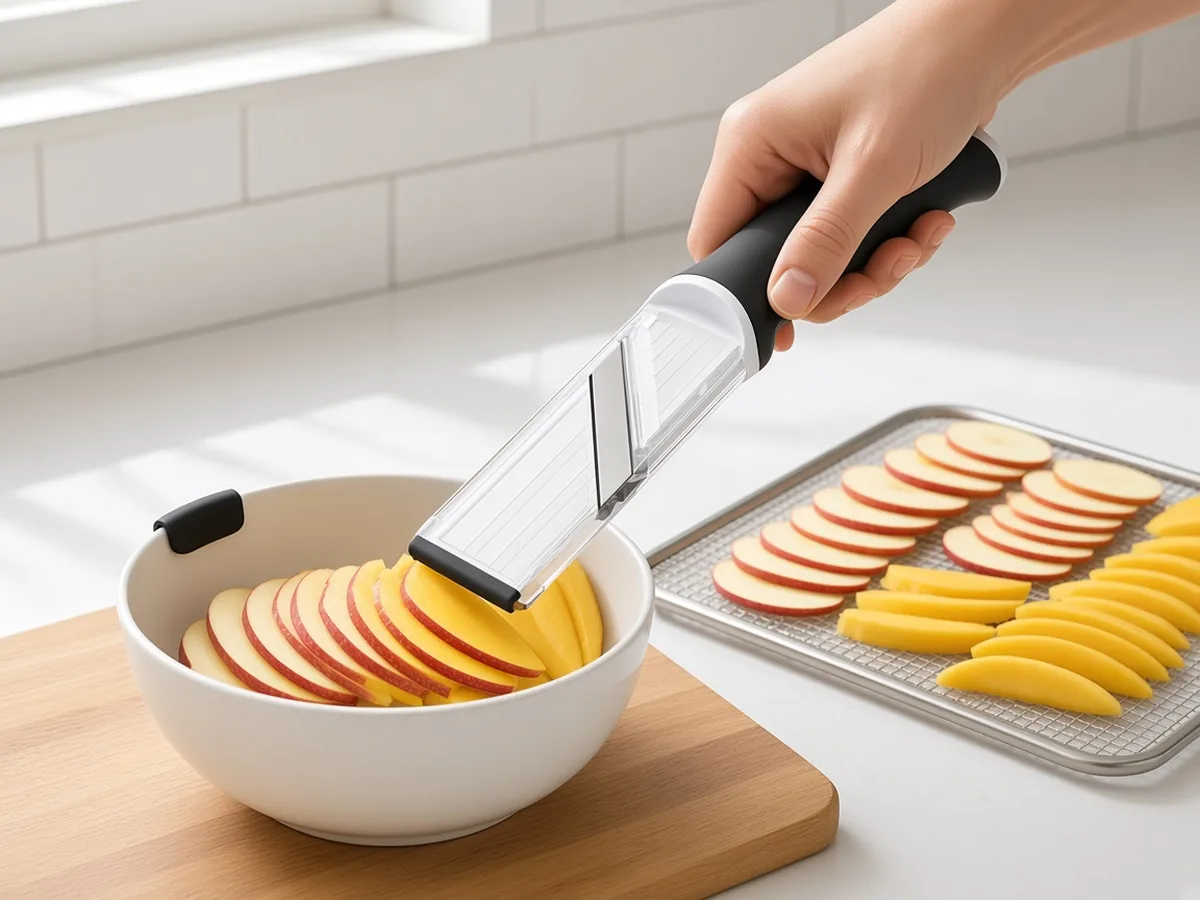
How to Slice Fruit and Vegetables Evenly for a Dehydrator
Keep dehydrator slices even: use the food holder on every pass, hold one mandoline thickness for a whole tray, dry at official NCHFP temperatures, and test doneness on a cooled piece—not the timer alone.
 Guide
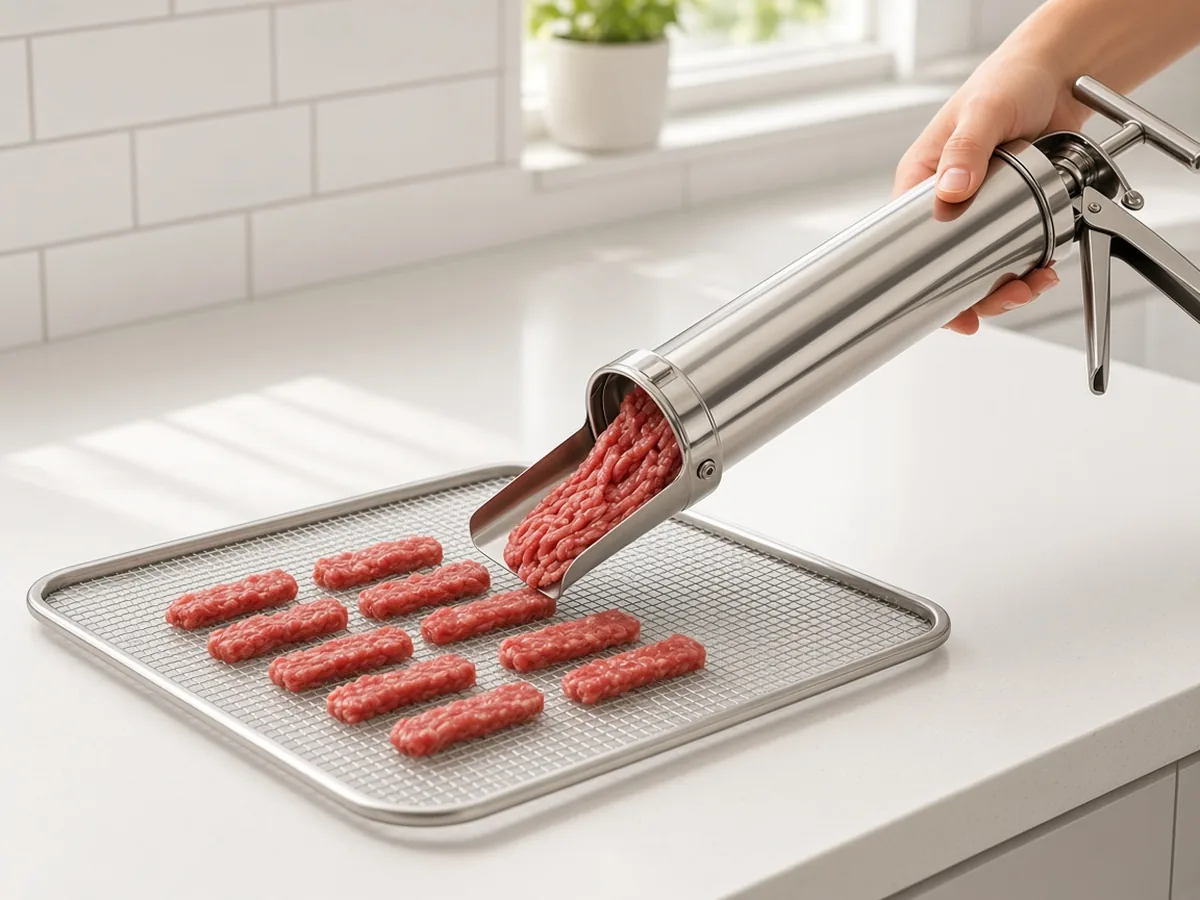
How to Use a Jerky Gun for Even Dehydrator Strips
A jerky gun is a tool for pushing seasoned minced meat into even strips on a dehydrator tray. It does not replace the USDA FSIS and NCHFP method: heat the meat itself to 160 °F (poultry to 165 °F) before or after drying, then dry at a steady 130-140 °F until a cooled piece cracks but does not break when bent. The full cited method is in how to make jerky in a dehydrator .
 Guide
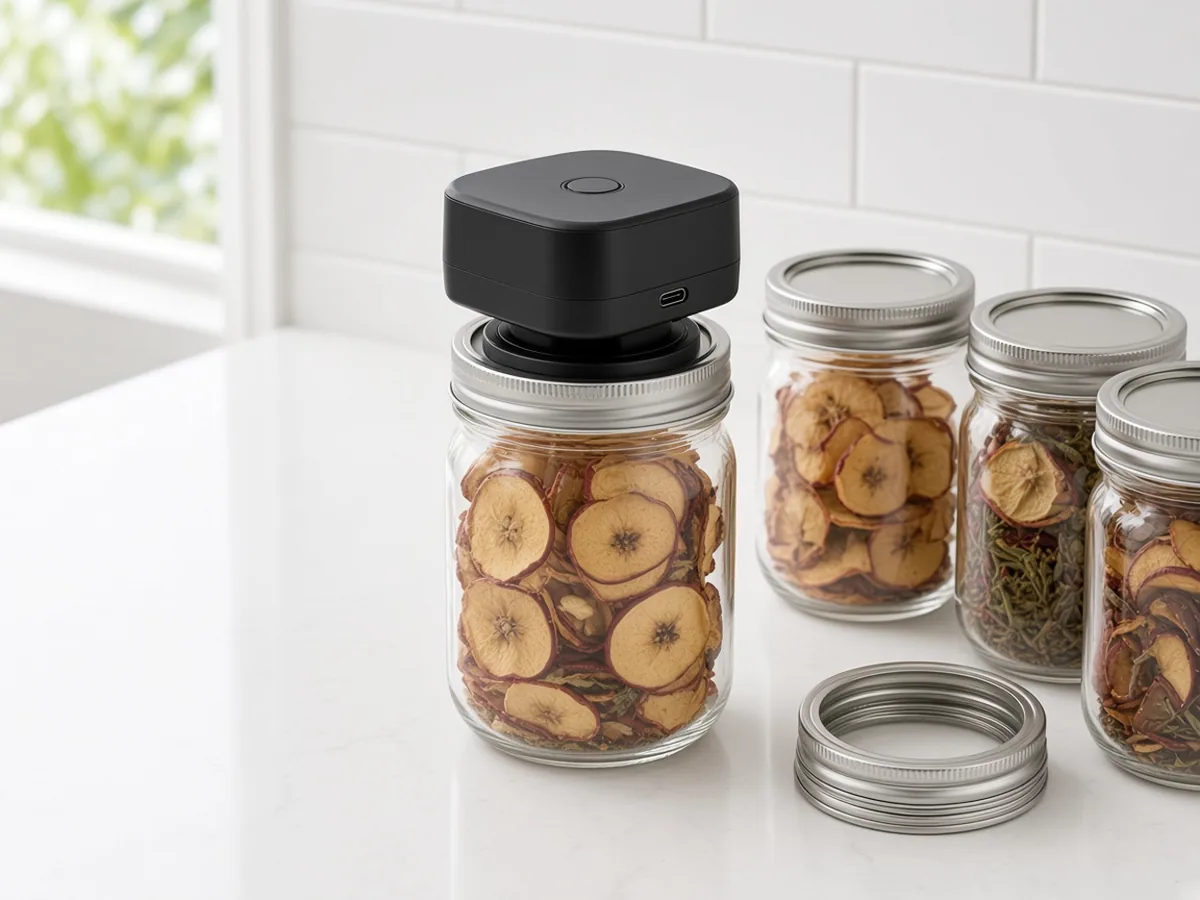
How to Vacuum Seal Mason Jars for Dehydrated Food
A listing-based walkthrough for vacuum-sealing mason jars of dried food with the LOVE MOMENT VP05 cordless pump, including the 10 included lids, the claimed 40-second cycle, and links to official storage guidance.
 Guide
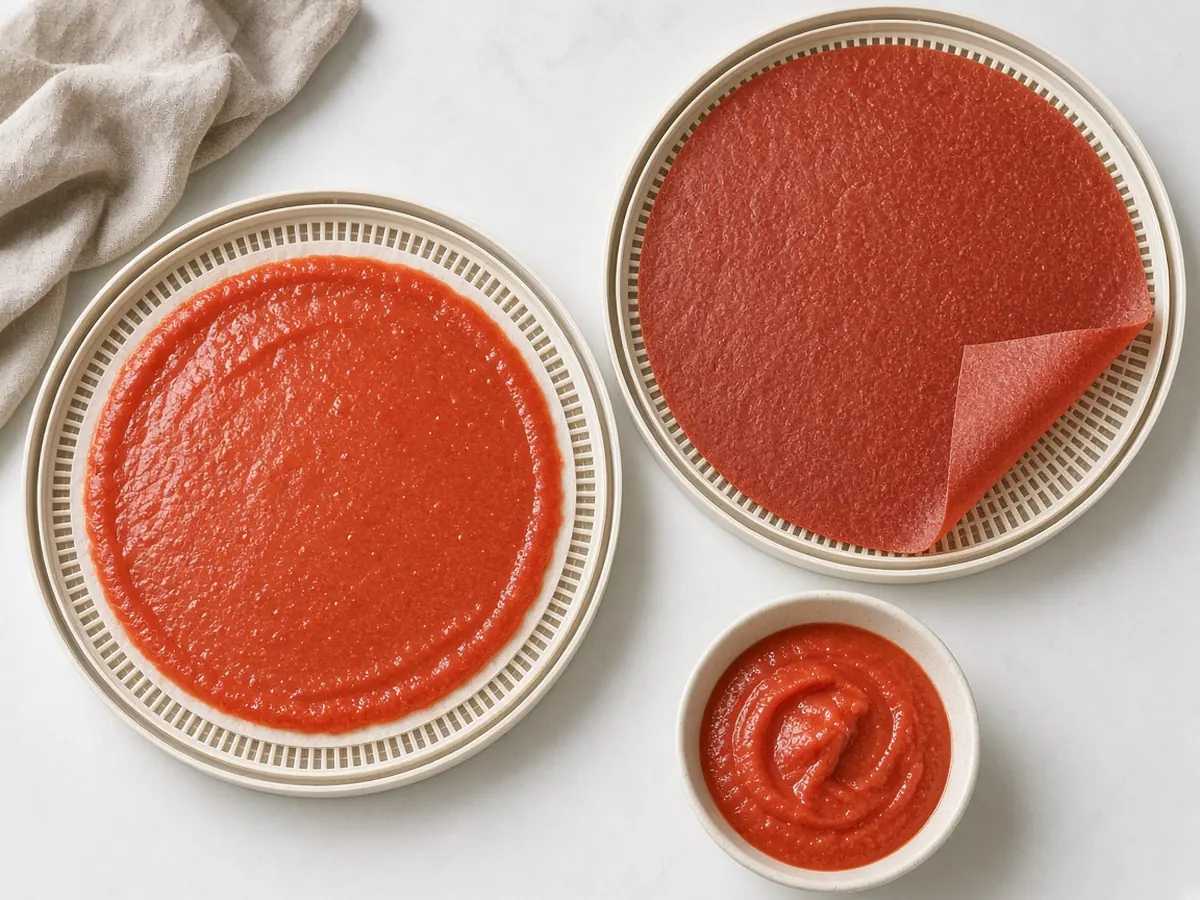
How to Make Fruit Leather in a Dehydrator
To make fruit leather in a dehydrator, puree fruit, spread it in a thin, even layer on a solid fruit-roll sheet, and dry at 140 °F until a cooled piece has no sticky spots and peels cleanly. That temperature and doneness test come from the National Center for Home Food Preservation and Illinois Extension. You need a solid liner, not an open mesh tray.
 Guide
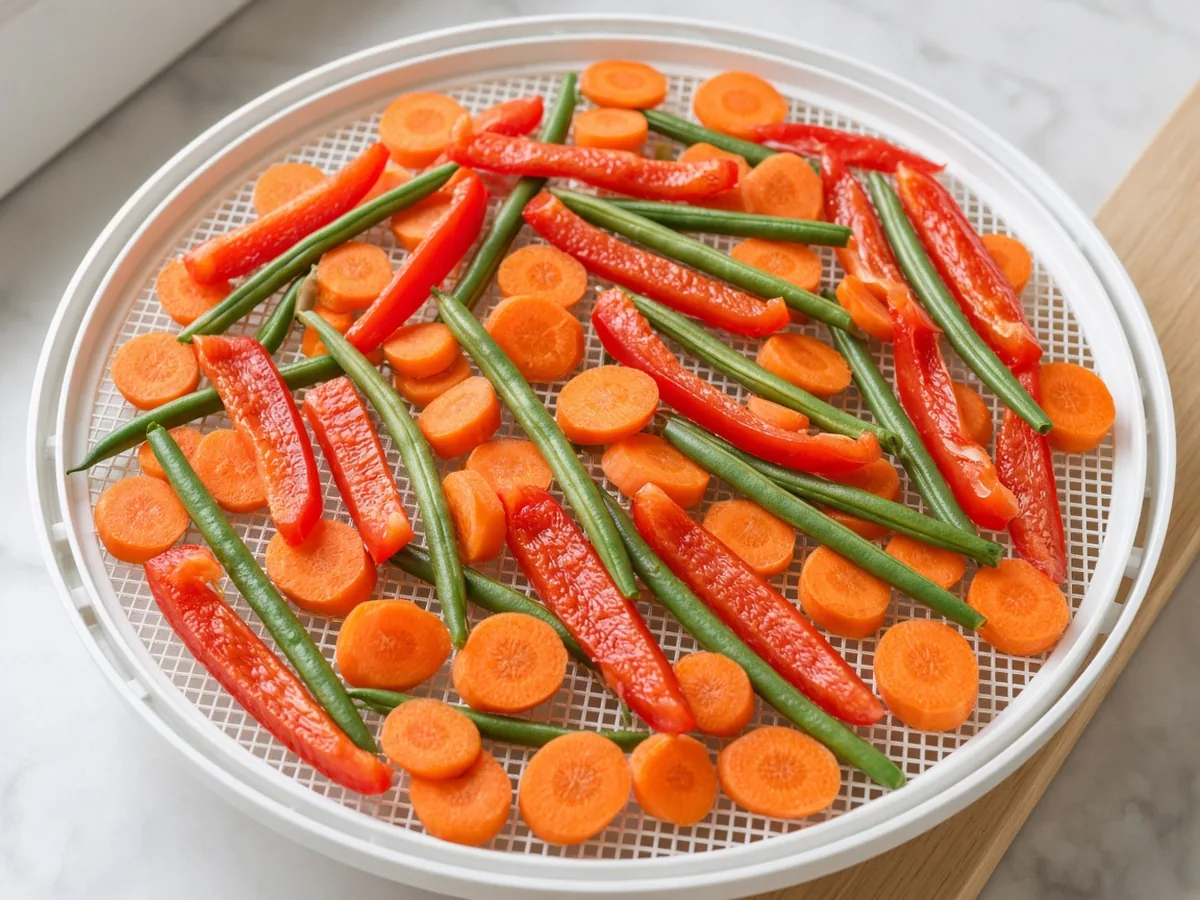
How to Dehydrate Vegetables at Home
To dehydrate vegetables at home, blanch them where extension sources require it, then dry at 140 °F until a cooled piece is brittle or crisp. That is the National Center for Home Food Preservation (NCHFP) temperature and doneness test. Properly dried vegetables hold about 10 percent moisture and do not need the 7-to-10-day jar conditioning used for fruit.
 Guide
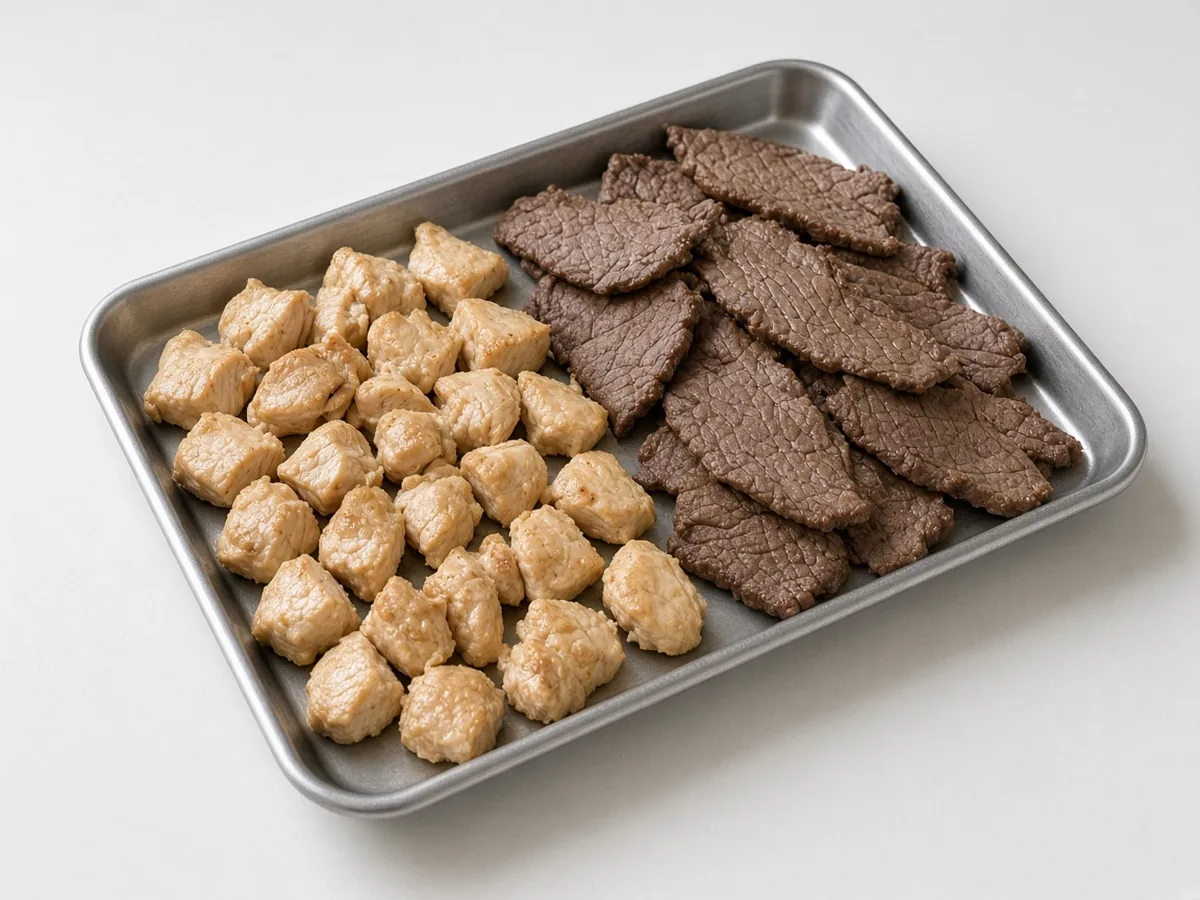
How to Freeze Dry Meat at Home
To freeze dry meat at home, cook it first, then load thin pieces in a vacuum freeze dryer. Utah State University Extension's 2026 fact sheet lists raw animal foods as a no: meat should be cooked to 160 °F, poultry to 165 °F, and seafood to 145 °F before freeze-drying, because freeze-drying preserves bacteria rather than killing them. Other university sources have allowed raw meat with conditions.
 Guide
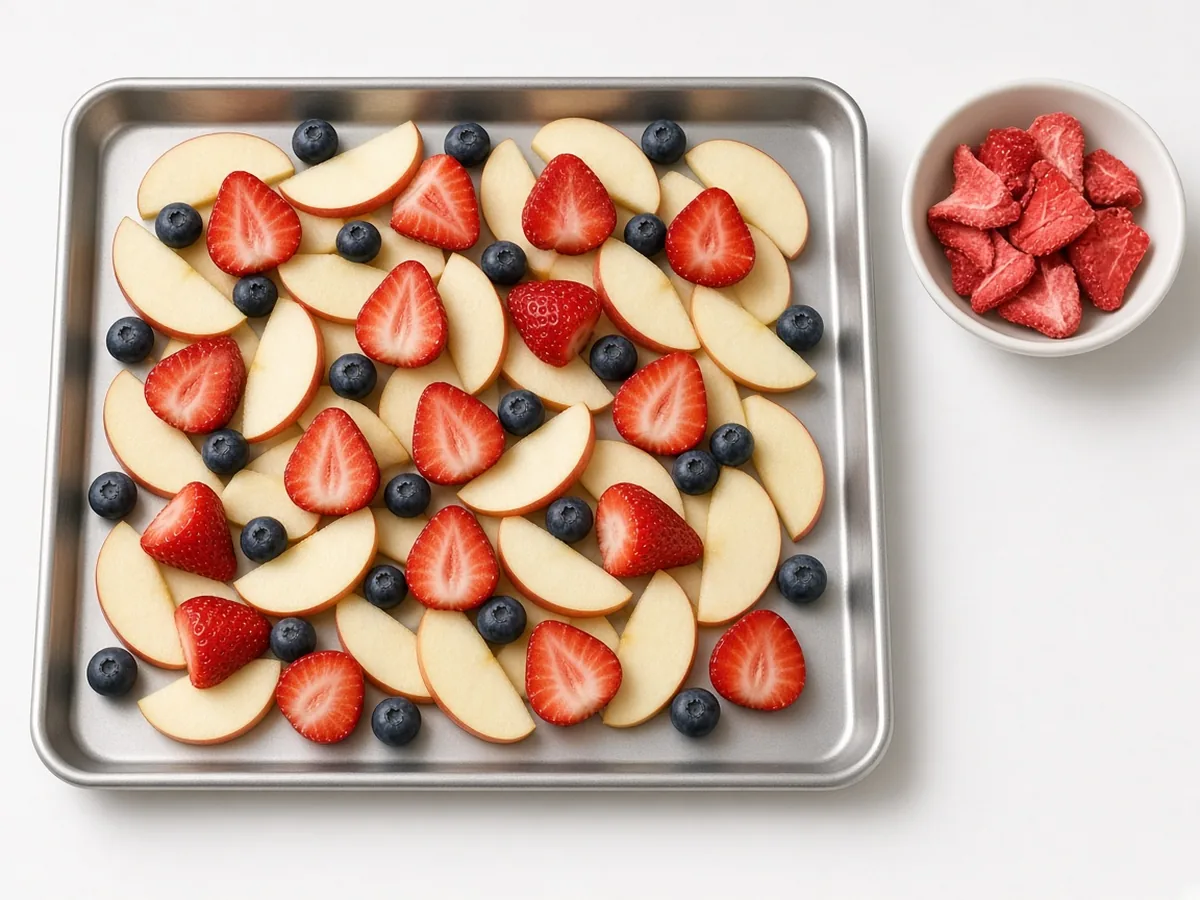
How to Freeze Dry Fruit at Home
To freeze dry fruit at home, you need a vacuum freeze dryer, not a pantry dehydrator. Utah State University Extension's 2026 fact sheet, "Can I Freeze-Dry That?", lists fruits as a yes, with a wash and peel, and an ascorbic-acid or lemon pretreatment for fruit that browns. Cut pieces about 1/4 to 1/2 inch, pre-freeze the trays, and run a full freeze, vacuum and dry cycle.
 Guide
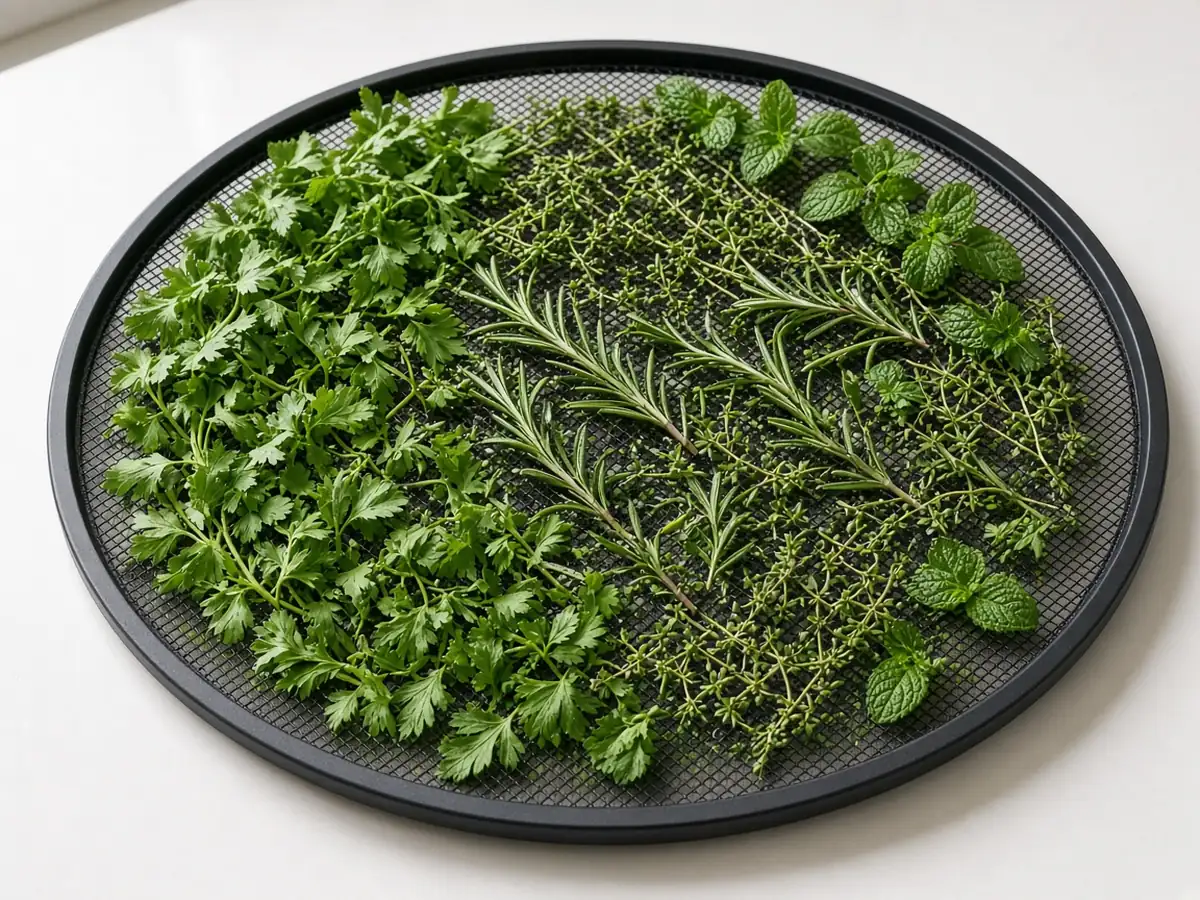
How to Dehydrate Herbs at Home
To dehydrate herbs at home, use a low temperature: 95-115 °F, or up to 125 °F in humid areas, until the leaves crumble and the stems break when bent. The National Center for Home Food Preservation (NCHFP) gives that range and a typical 1-4 hour window. You need a dehydrator with an adjustable thermostat that can actually go that low.
 Guide
How to Dehydrate Fruit at Home
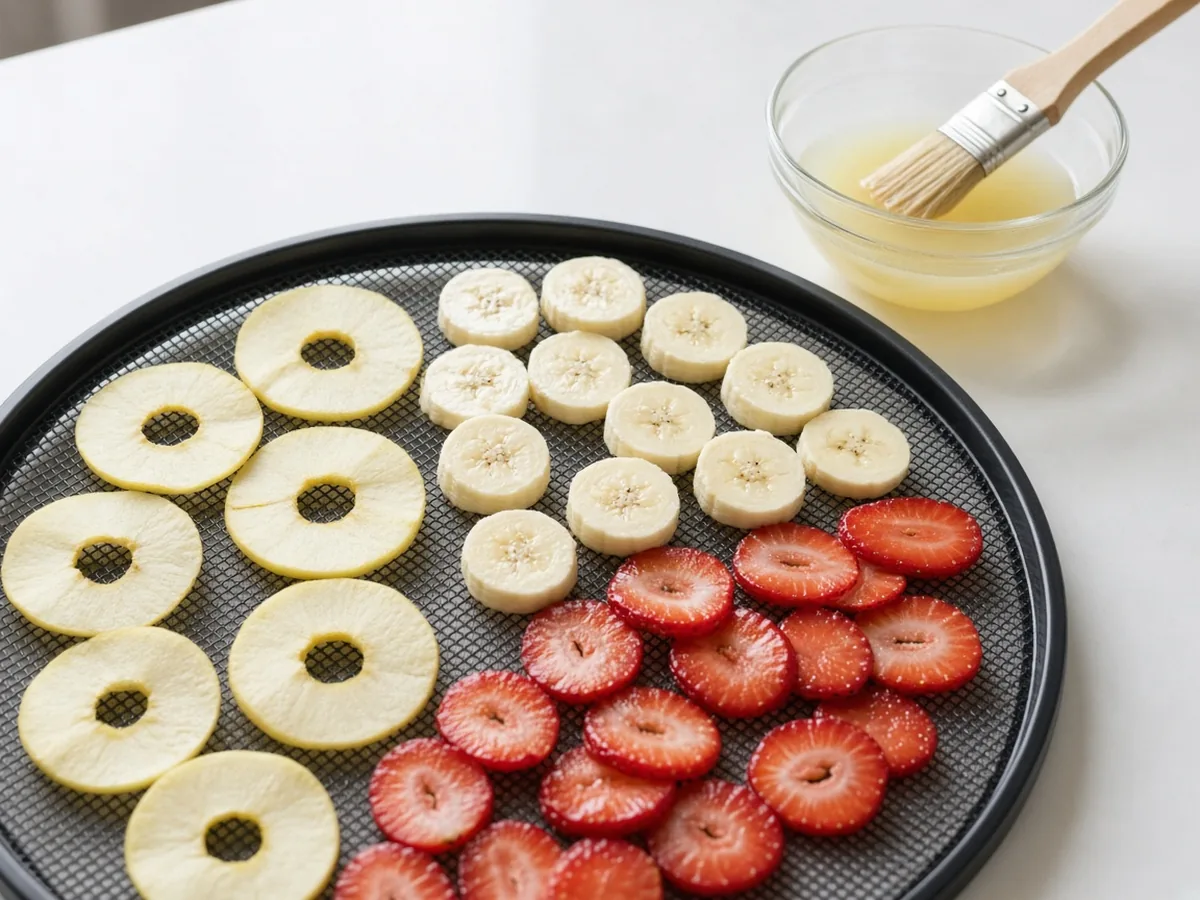
To dehydrate fruit at home, slice it evenly, pretreat varieties that brown, and dry at 140 °F until a cooled piece is leathery and pliable with no moist spots. That is the National Center for Home Food Preservation (NCHFP) temperature and doneness test. Times run from about 6 hours for thin apple slices to as long as 36 hours for peach halves, according to Colorado State University Extension.
 Guide
Dehydrator Temperature Chart
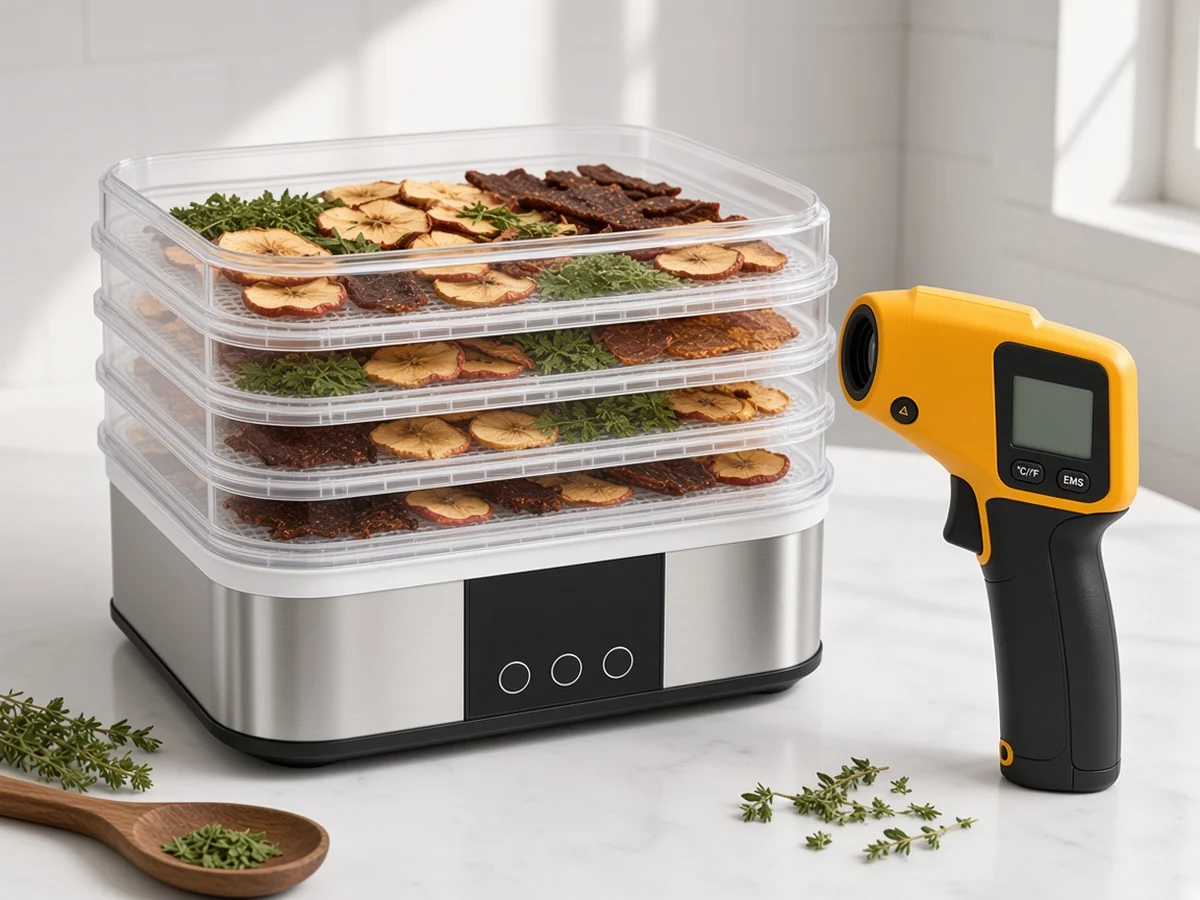
Official home-drying temperatures from the NCHFP and USDA FSIS: 140 °F for fruit and vegetables, 95-115 °F for herbs, and 130-140 °F for jerky after a 160 °F heat step.
 Guide
How to Make Jerky in a Dehydrator
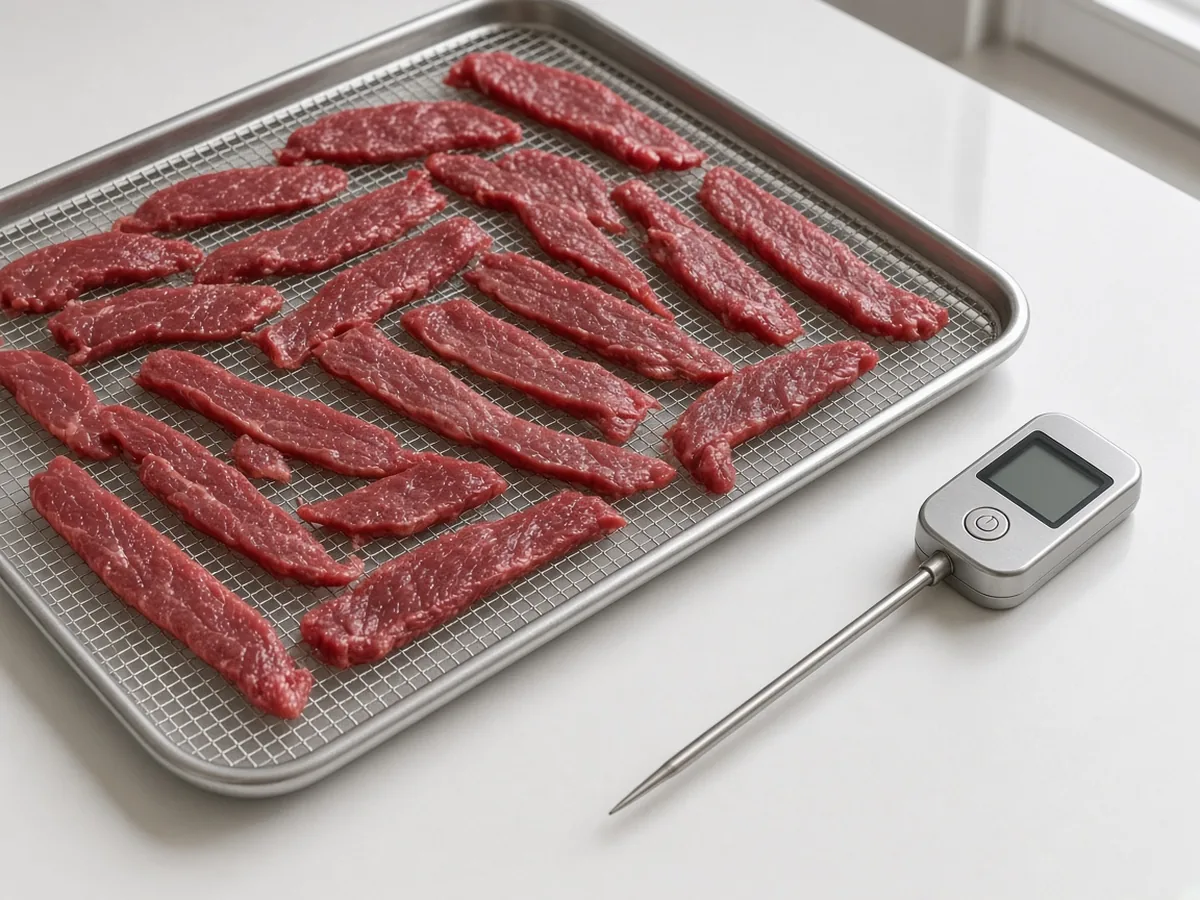
To make jerky in a dehydrator safely, heat the meat itself to 160 °F (poultry to 165 °F) before or after drying, then dry the strips at a steady 130-140 °F until a cooled piece cracks but does not break when bent. That is the method from USDA FSIS and the National Center for Home Food Preservation (NCHFP). A dial that reads 160 °F is not the same as the meat reaching 160 °F.
 Guide
How to Freeze Dry Meals at Home for Camping and Storage
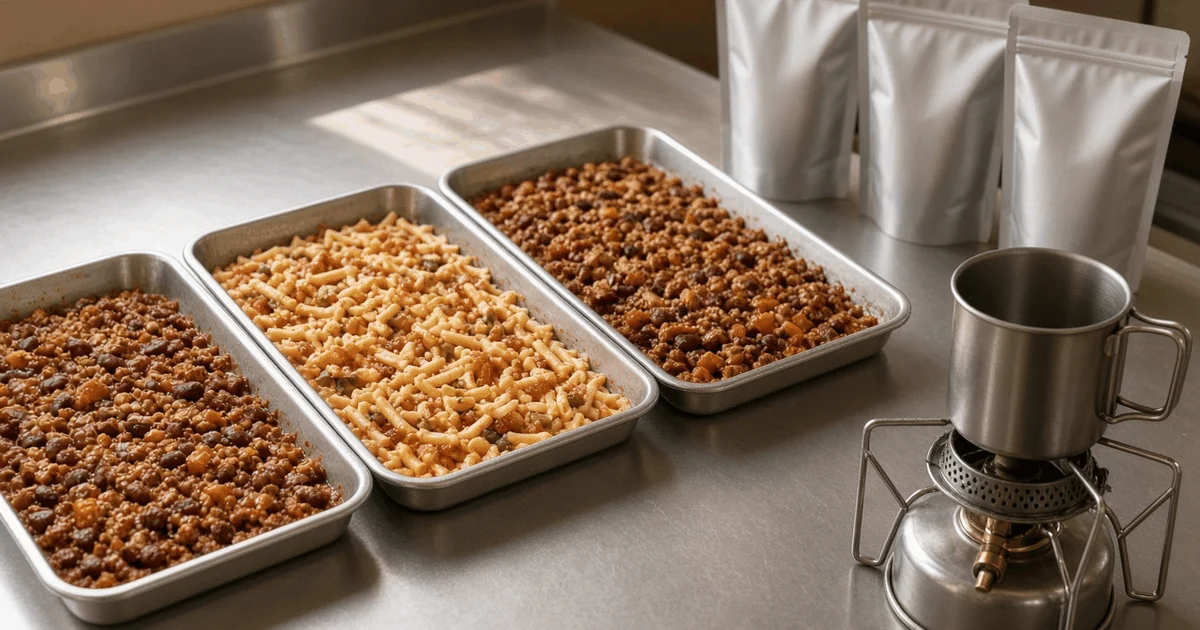
Turn home-cooked meals into long-keeping pouches: safe cooking and chilling, thin layers, a full cycle, careful sealing and reheating to 165 °F.
 Guide
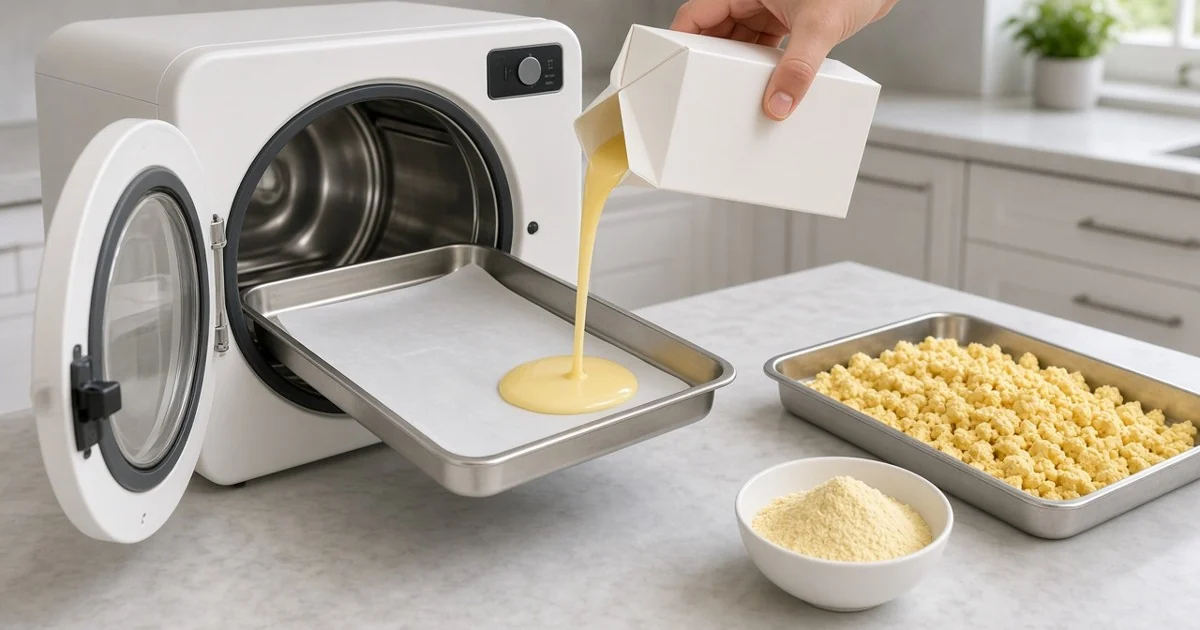
How to Freeze Dry Eggs at Home: Raw or Cooked, Step by Step
Freeze dry eggs the safer way: start with pasteurized or cooked eggs, pour thin layers, dry fully, seal in Mylar and cook rehydrated egg to 160 °F.
 Guide
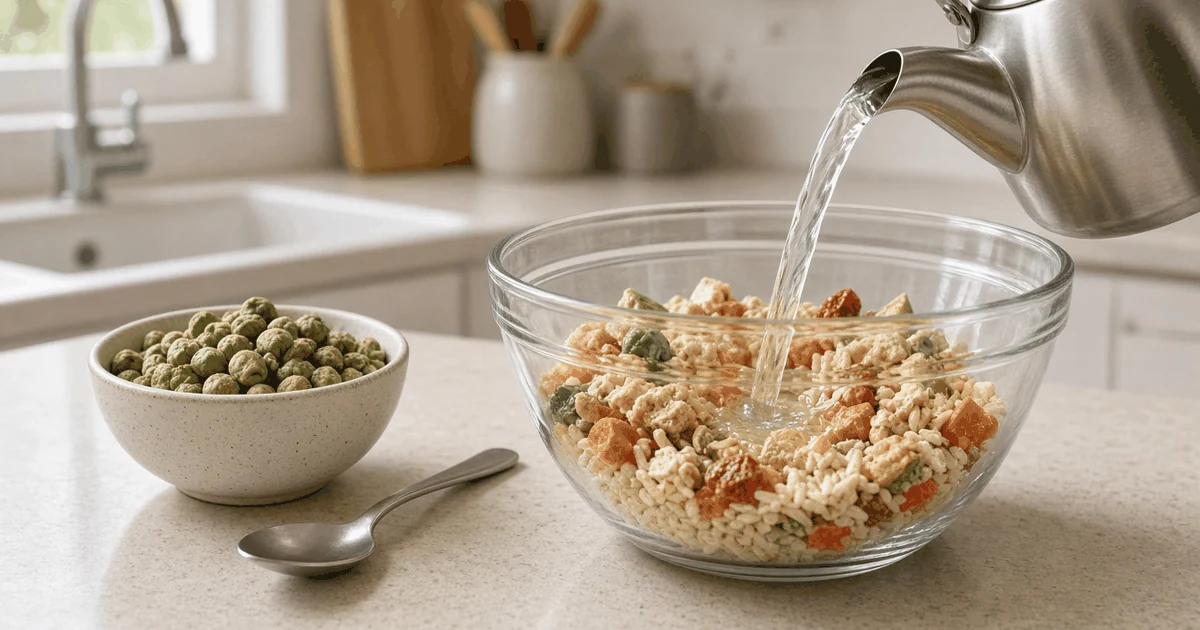
How to Rehydrate Freeze-Dried Food: Water, Timing and Safety
Bring freeze-dried food back to life: hot or cold water, how much to add, how long to wait, and the safety step raw foods need.
 Guide
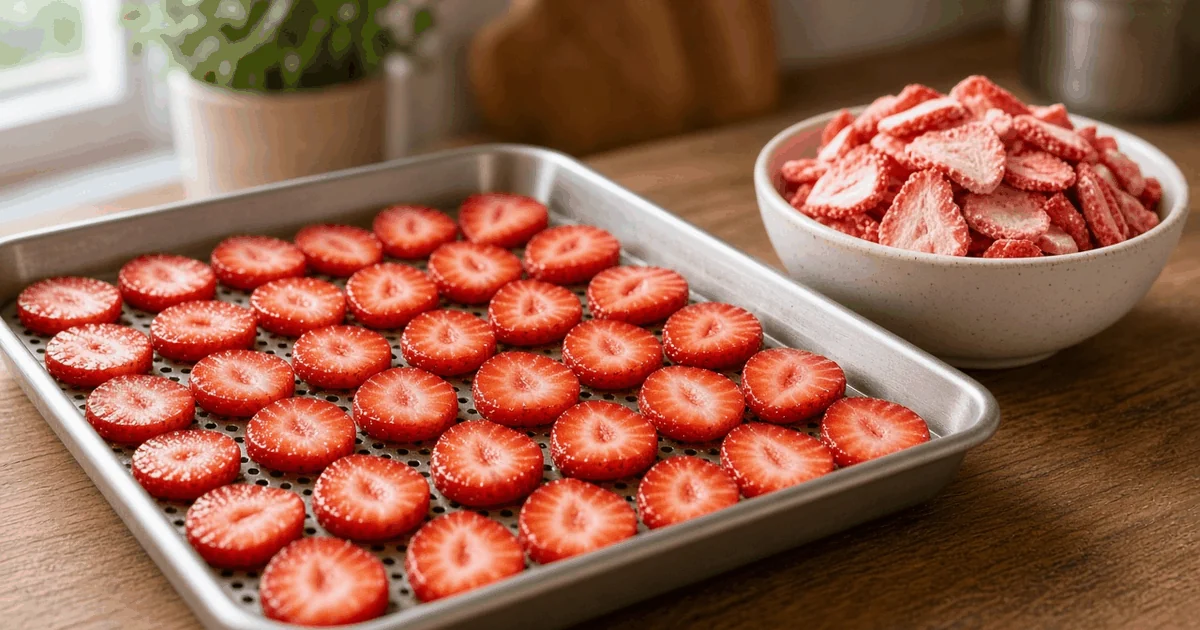
How to Freeze Dry Strawberries at Home
Freeze dry strawberries by washing without soaking, slicing about 1/4 inch thick, spreading a single layer on lined trays, and pre-freezing if your manual calls for it. Run the cycle, break the thickest slice to confirm it is dry all the way through, then seal in Mylar with an oxygen absorber.