
Freeze-Dried vs Dehydrated Food: Shelf Life, Nutrition and Texture
Published 10/29/2026 · Updated 11/24/2026
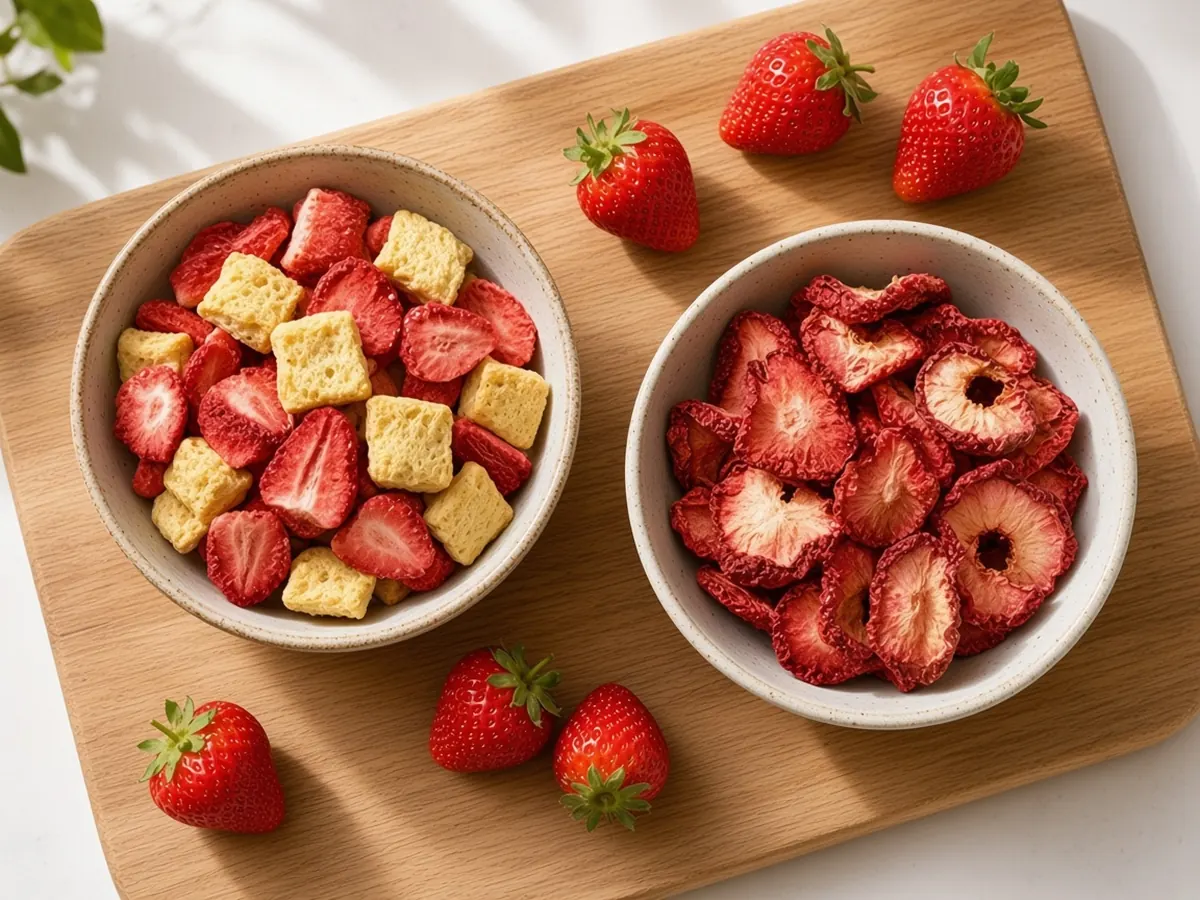
Quick answer
Freeze-dried food keeps far less moisture than dehydrated food, so it is lighter, crisper and usually stores longer in sealed packaging. Dehydrated fruit, vegetables and jerky are softer and chewier and are meant for months-scale storage, not the multi-year pantry role freeze-dried food can fill.
Products mentioned in this guide
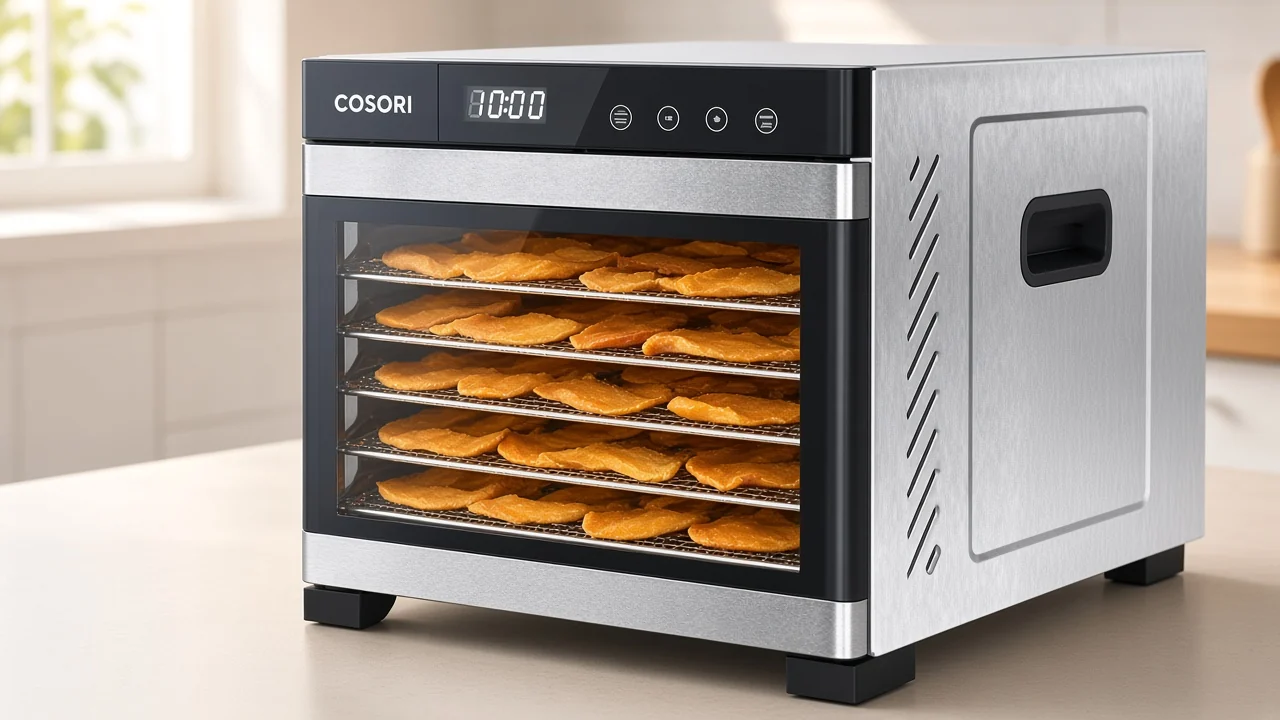
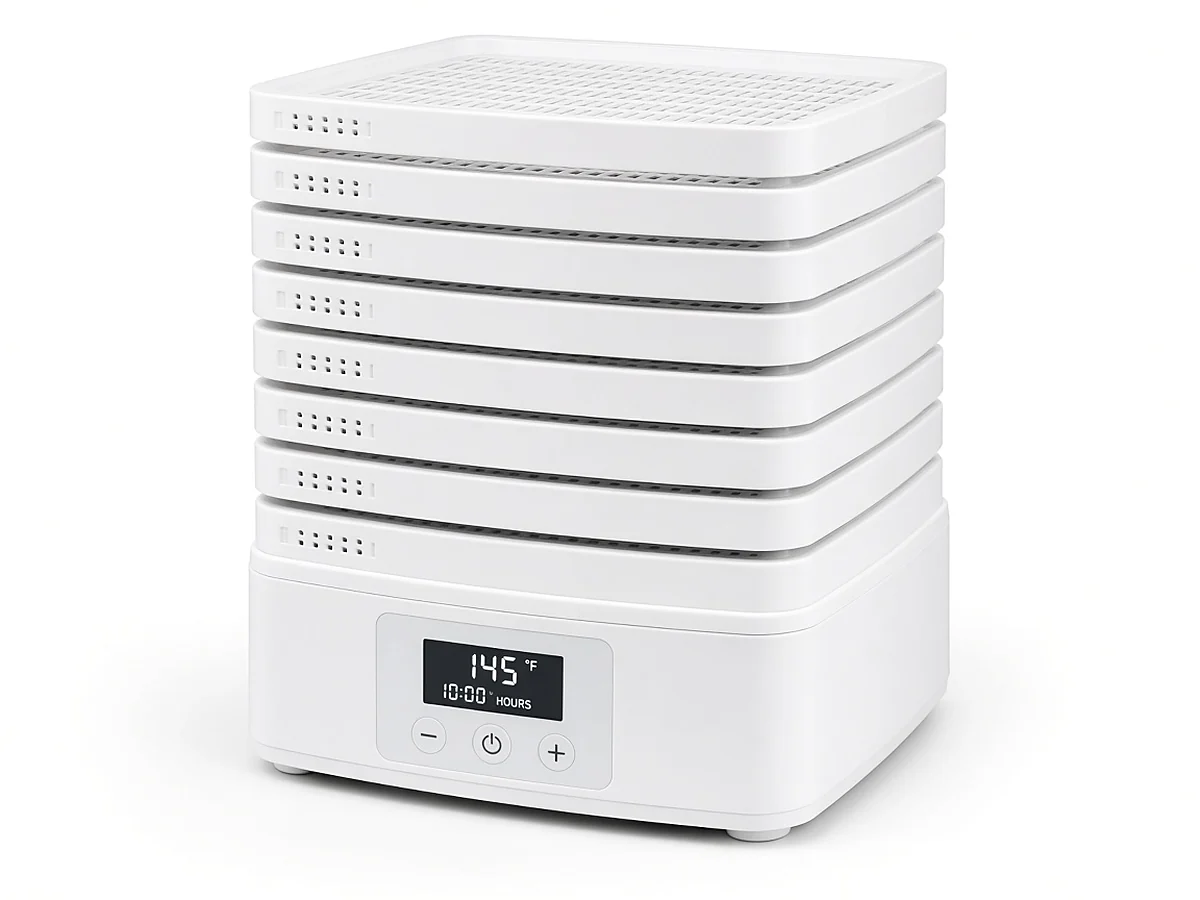
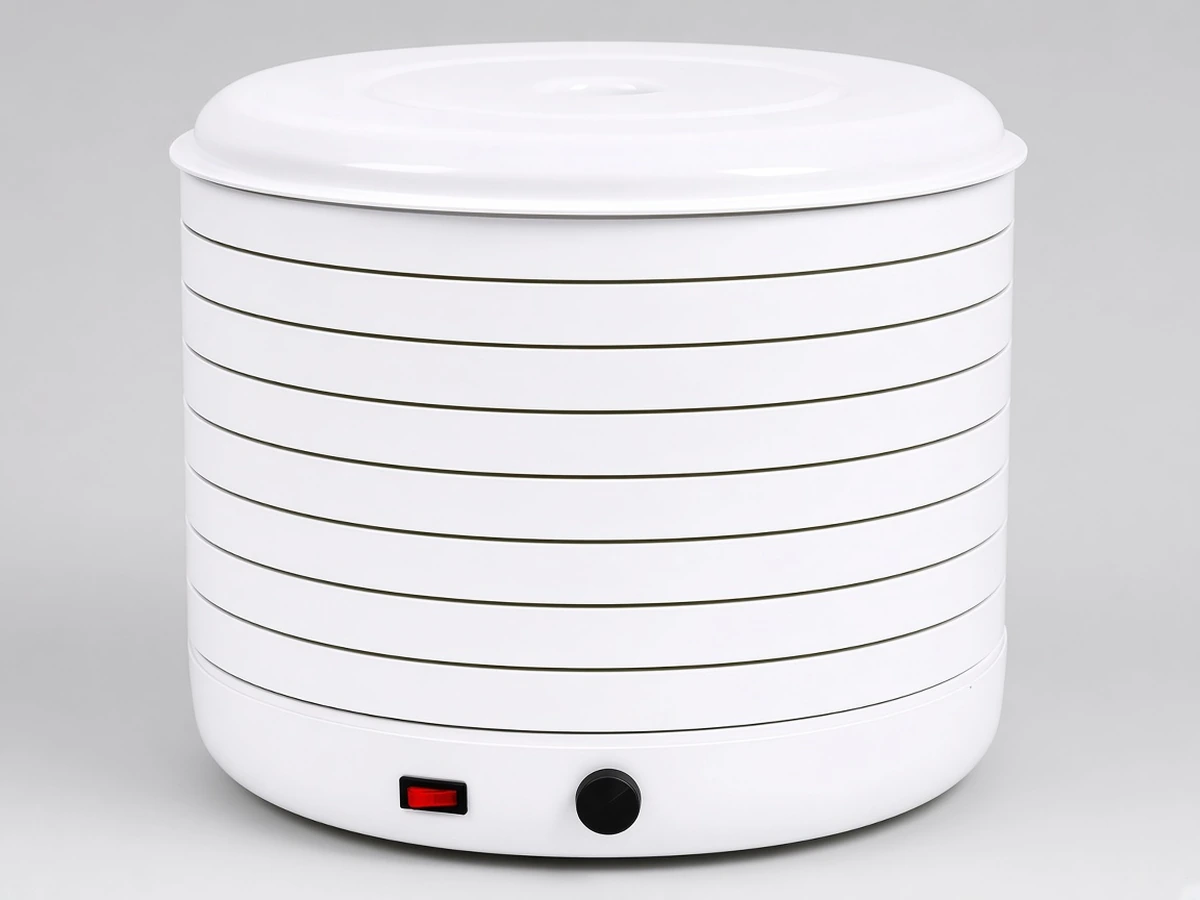
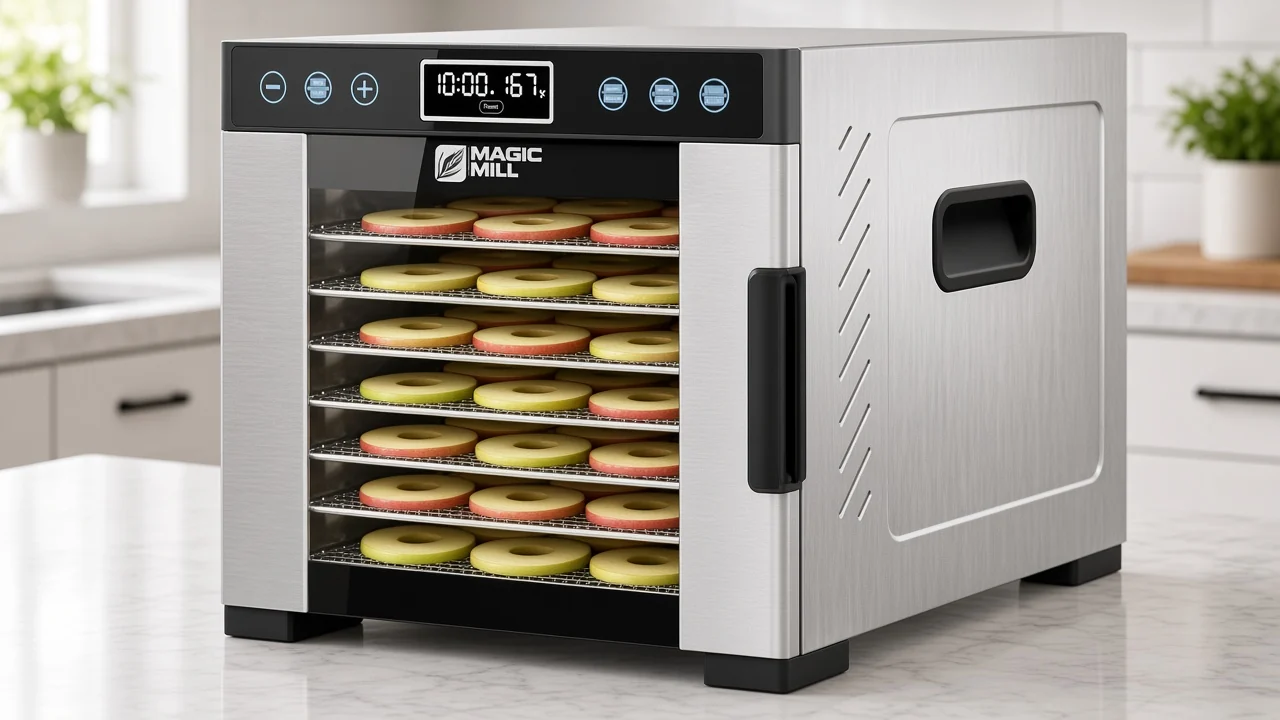 Magic Mill Pro MFD-7700 Food Dehydrator, 7 Stainless TraysMagic Mill · Dehydrator
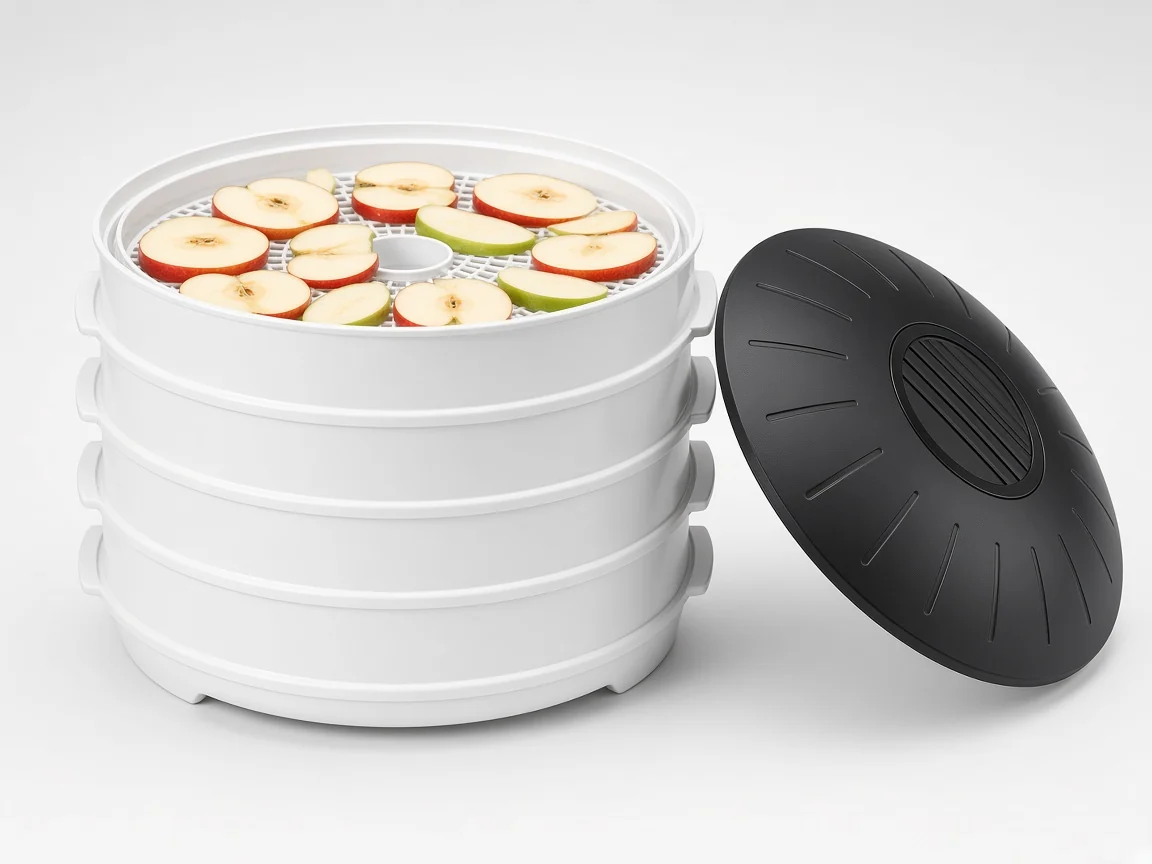

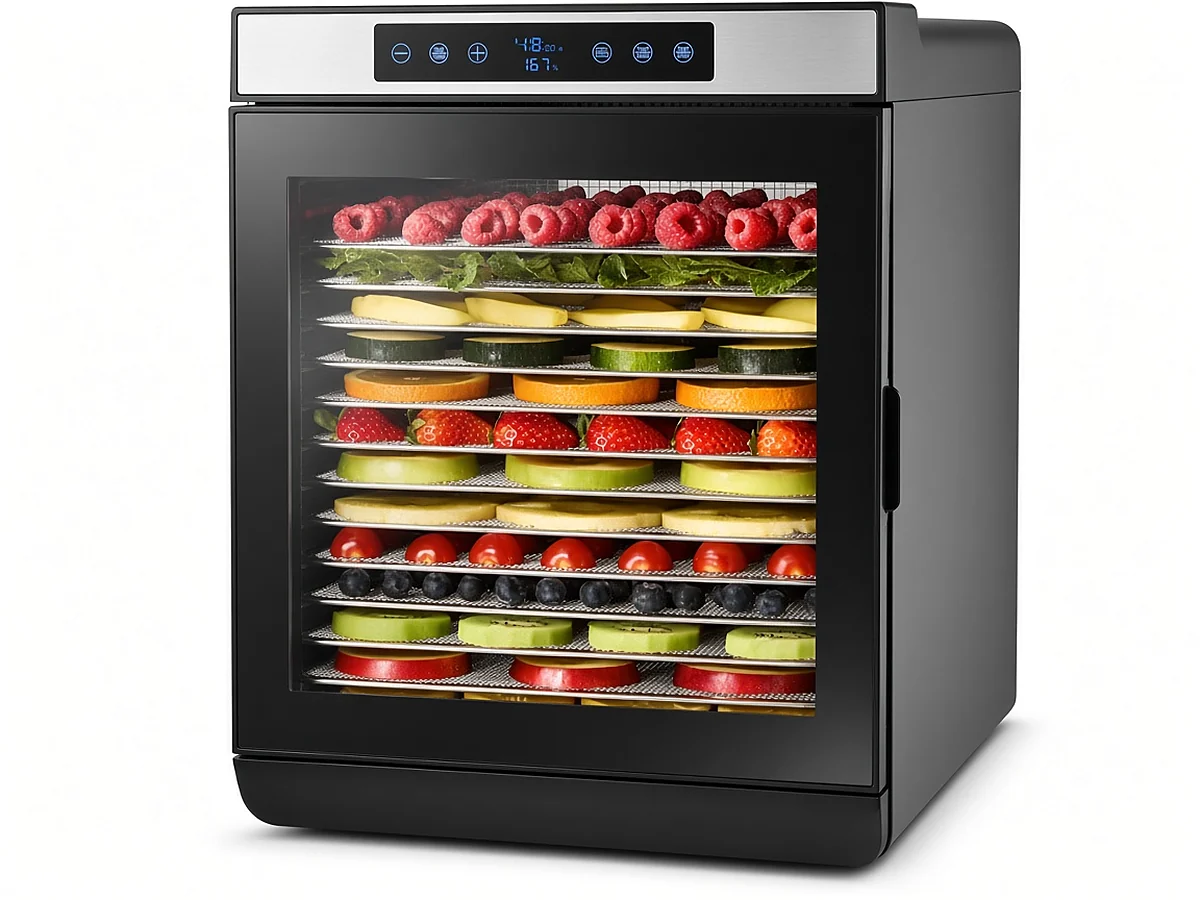 Magic Mill Premium Food Dehydrator, 15 XL Stainless TraysMagic Mill · Dehydrator
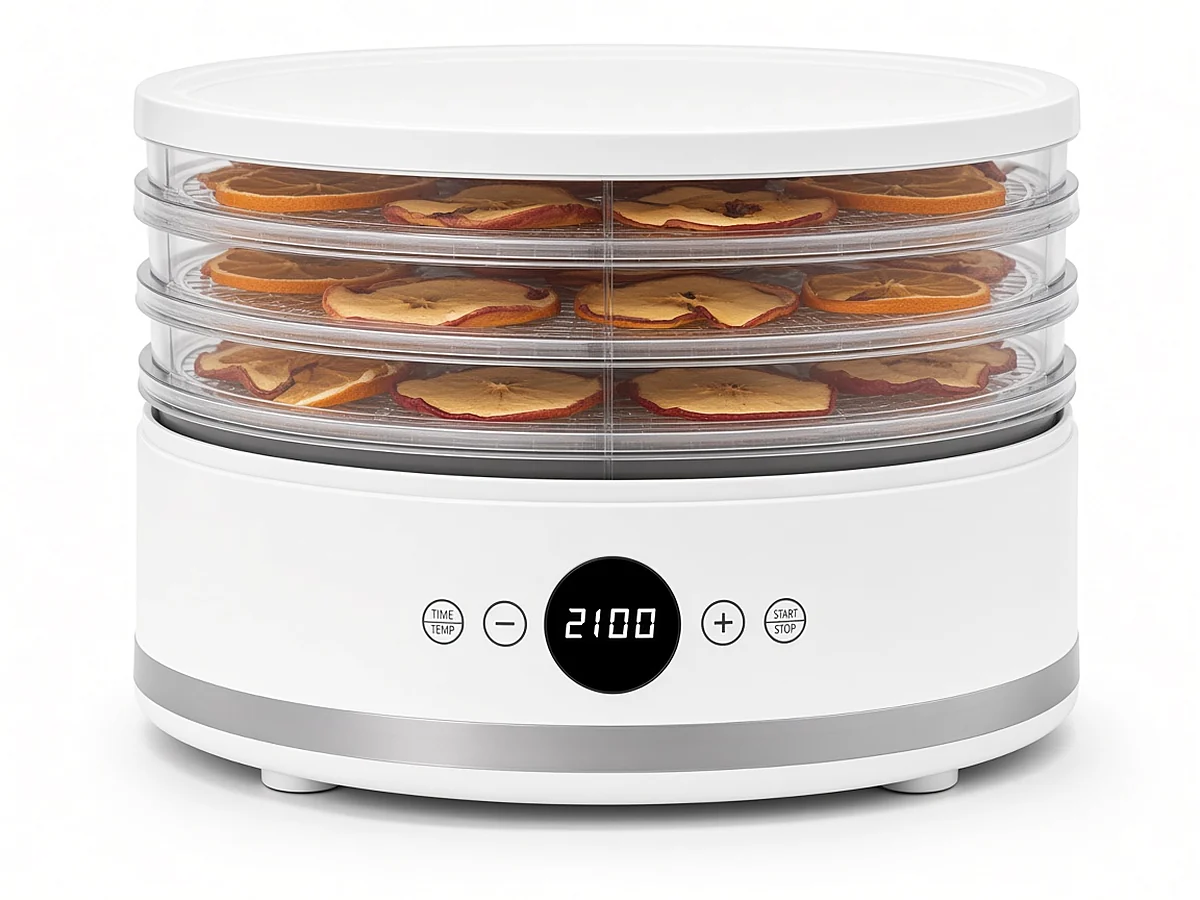 Elite Gourmet EFD329WD Digital Food Dehydrator, 5 SlimStore TraysElite Gourmet · Dehydrator
Food Storage & Safety · Freeze Dryers, Food Dehydrators, Fruit, Eggs, Shelf Life
Updated 30 October 2026
Freeze-dried and dehydrated food can look alike in a pantry, but they are made in very different ways, and that difference shows up in how long the food keeps, how much of its texture and nutrition survives, and how you use it later. This guide compares the food itself: shelf life, moisture, nutrition, texture, rehydration and safety. If you are deciding which machine to buy, our freeze dryer vs dehydrator guide covers cost, space and power instead.
Everything here comes from university extension services, including Utah State, Minnesota and Penn State, and the USDA-funded National Center for Home Food Preservation (NCHFP).
The short answer
Freeze-dried food keeps far longer when it is packaged properly, holds its shape, colour and texture better, and can include foods a dehydrator handles poorly, such as dairy, eggs and whole meals.
Dehydrated food is cheaper and simpler to make, uses much less energy, and is fine for snacks and pantry staples you will eat within months rather than years.
Neither method kills bacteria on its own. Both rely on removing water so microbes cannot grow, which is why handling and packaging matter as much as the drying.
How each method removes water
Most raw foods are mostly water. University of Minnesota Extension puts the figure at 80 to 95 percent. Both methods remove enough of that water to stop spoilage, but they do it differently.
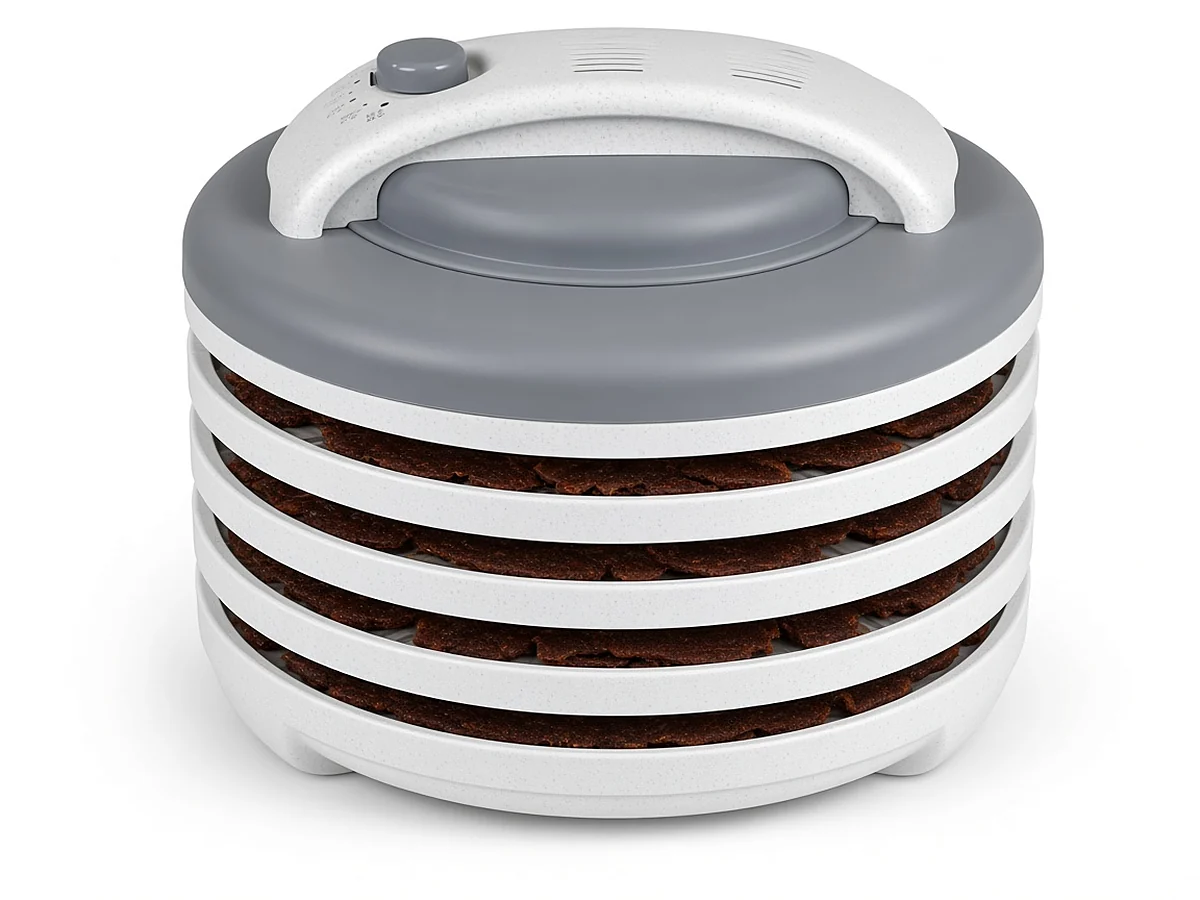
Dehydrating blows warm air over the food. Water evaporates from the surface and moves outward from the centre, so the food shrinks, darkens and becomes leathery or crisp. NCHFP's guidance uses temperatures such as 140 °F for jerky in a dehydrator or oven. Dehydrators such as the COSORI CP267-FD and Magic Mill MFD-7700 have adjustable thermostats for this; the Presto 06300 Dehydro runs at a fixed temperature of about 165 °F.
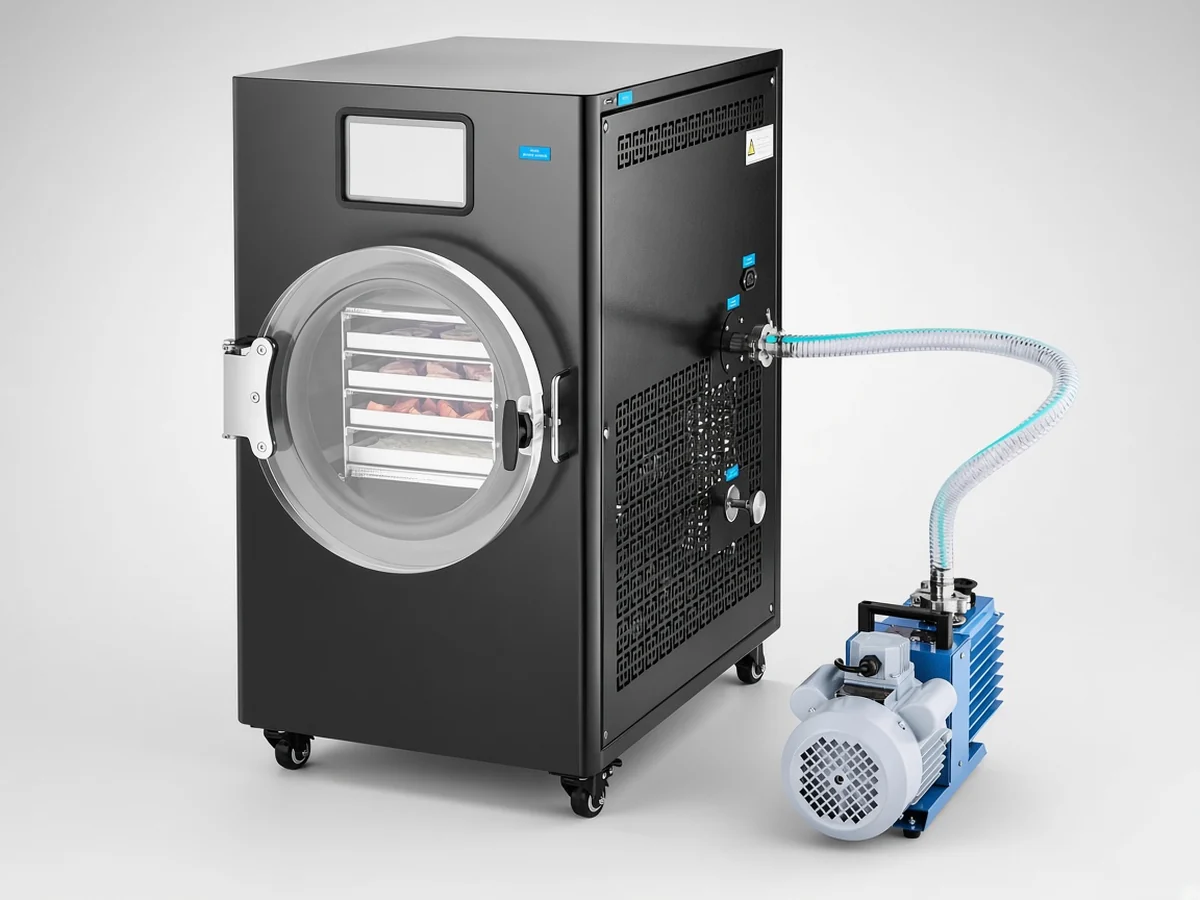
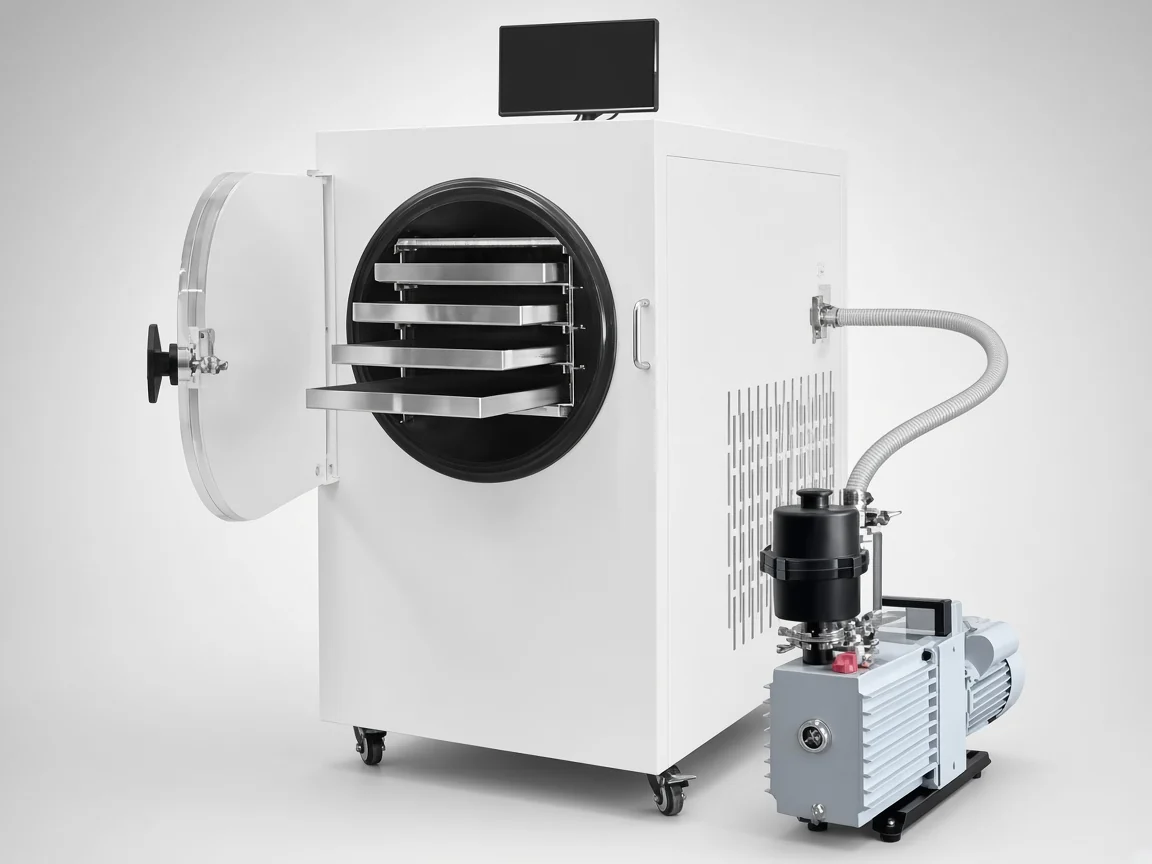
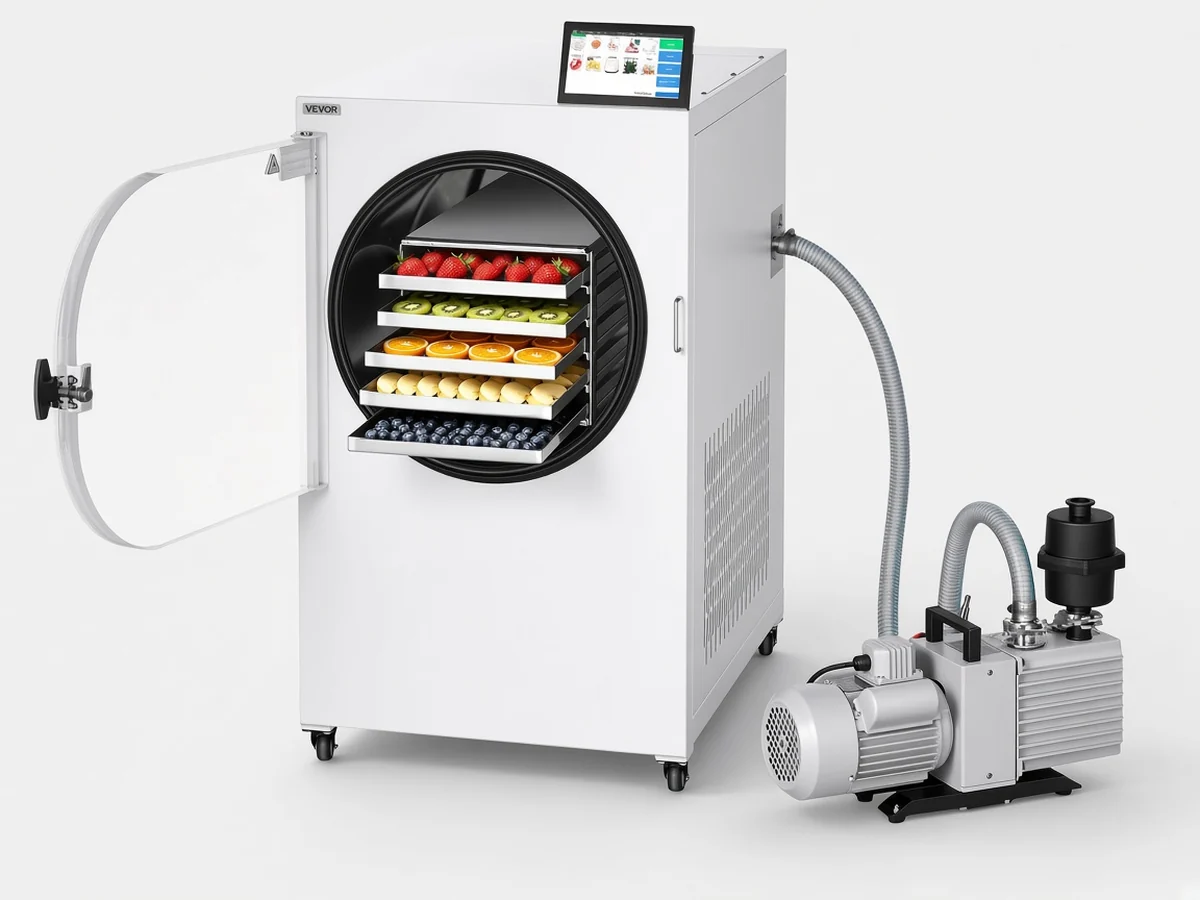
Freeze drying freezes the food first, then pulls a vacuum and adds gentle heat so the ice turns straight into vapour (sublimation) without melting. Minnesota Extension says this primary drying stage can remove up to 90 percent of the water, and a final desorption stage removes another 1 to 2 percent. Because the ice leaves from where it was, the food keeps its structure and ends up light and porous. Our guide to how freeze drying works goes through each stage. Home machines such as the VEVOR HFD-4 and Blue Alpine Medium Select carry out this freeze, vacuum and gentle-heat cycle with a refrigerated cold trap and an included vacuum pump.
Moisture left in the food
The amount of water left behind is the main reason the two foods store so differently.
Measure | Freeze-dried | Dehydrated (home) |
|---|---|---|
Typical target | Water activity about 0.3 or below; many products 0.08–0.33 | Fruit about 20% moisture; vegetables about 10% |
Texture when done | Light, crisp, porous, original shape | Shrunken; fruit leathery, vegetables brittle |
Extra step | Package straight away; it absorbs humidity quickly | Fruit needs 7–10 days of conditioning in a sealed jar |
Water activity and moisture percentage are different measures, so the numbers in the two columns are not directly comparable. The point is the direction: Utah State University Extension explains that freeze drying takes food down to a water activity where most bacteria and spoilage organisms cannot grow, while NCHFP's targets for home-dried fruit still leave noticeable moisture, which is why dried fruit must be conditioned to even it out and reduce the risk of mould.
Shelf life: years versus months
This is the biggest practical difference.
Food and storage | Expert guidance | Source |
|---|---|---|
Freeze-dried, Mylar with oxygen absorber, cool and dark | Can stay safe and stable 10–15 years, sometimes up to 25 | Utah State Extension |
Home freeze-dried, for eating quality | Not recommended beyond 5–10 years | Utah State Extension |
Freeze-dried, vacuum-sealed plastic bag | About 2–3 years (midterm) | Penn State Extension |
Dehydrated foods in general | 4 months to 1 year | NCHFP |
Dried fruit | About 1 year at 60 °F; 6 months at 80 °F | NCHFP |
Dried vegetables | About half the shelf life of fruit | NCHFP |
Two cautions. First, the long freeze-dried figures depend entirely on packaging: Utah State's range assumes airtight, moisture-proof packaging with oxygen absorbers kept somewhere cool, dark and dry. Second, Utah State draws a line between commercial and home freeze-dried food; it advises not eating home freeze-dried products beyond 5 to 10 years because quality and nutrients fall faster than in commercial products. For dehydrated food, NCHFP notes that heat shortens storage life, so a warm pantry costs you months.
Our guide to storing freeze-dried food covers bags, jars, oxygen absorbers and labelling in detail. Some machines ship with packaging supplies: the Blue Alpine Medium Select includes 50 Mylar bags, 50 oxygen absorbers and an impulse sealer.
Nutrition
Utah State Extension says freeze drying preserves a food's original texture, flavour and nutrients more effectively than dehydrating and other conventional drying, because it uses low temperatures. Minnesota Extension describes freeze-dried food as retaining its taste, smell and nutritional profile.
That does not mean freeze-dried food keeps its nutrients forever. Utah State notes that nutrients still degrade over time, especially sensitive vitamins such as vitamin C, which can decline significantly within 1 to 3 years. So a ten-year-old bag of freeze-dried strawberries may be safe, but it will not be as nutritious as it was in its first year.
For dehydrated food, NCHFP's practical advice is to blanch vegetables before drying, which helps slow vitamin loss, and to use the soaking water when you cook rehydrated vegetables so the vitamins that leach out are not thrown away. There is no single figure for how much more nutrition freeze drying keeps; it varies by food, pretreatment and storage.
Texture, flavour and what you can dry
Penn State Extension says freeze-dried food keeps its colour and shape better than dehydrated food, and that more kinds of food can be freeze-dried, including ice cream, milk, eggs and complete meals. Freeze-dried fruit is crunchy and melts on the tongue; dehydrated fruit is chewy.
Some foods still do poorly in a freeze dryer. Utah State lists high-fat foods, sausages and other foods with casings, and things like mayonnaise, salad dressing and alcohol, which do not freeze evenly. Thick foods such as casseroles can take more than two days. Dehydrators have their own limits: Penn State presents dairy, eggs and complete meals as foods freeze drying can handle where dehydrating cannot, and NCHFP's jerky directions say to trim all fat from the meat because it becomes rancid quickly.
Food type | Freeze-dried | Dehydrated |
|---|---|---|
Fruit and vegetables | Yes; keeps shape and colour | Yes; shrinks and darkens |
Jerky and lean meat | Raw or cooked meat can be freeze-dried; raw meat must be cooked before eating | Classic use; follow NCHFP heating steps |
Dairy, eggs, whole meals | Possible, with care | Limited; Penn State lists these as a freeze-drying advantage |
High-fat or high-sugar foods | Slow and often poor | Trim fat first; it turns rancid quickly |
Rehydrating and using the food
Freeze-dried food takes water back quickly and returns close to its original texture. Minnesota Extension suggests weighing trays before and after drying; the weight lost is the water removed and a good starting point for how much to add back. Penn State suggests hot water for vegetables, a soak or spray for fruit, and adding freeze-dried food straight into soups and stews.
Dehydrated food is slower. NCHFP's camping advice is to allow 1 to 2 hours for dried foods to reconstitute, and many people simply eat dried fruit and jerky as they are.
Safety: neither method sterilises food
Utah State and Minnesota Extension are both clear that freeze drying does not kill bacteria or viruses; it preserves them, and they can become active again when water is added. Raw meat, poultry, seafood and eggs should be cooked before freeze drying or after rehydrating. If packaging fails and the food picks up moisture, microbes can start growing again.
Dehydrating uses warm air, but not enough heat to make raw meat safe by itself. NCHFP's jerky directions include heating meat to 160 °F, either by boiling the strips in marinade before drying or heating them in the oven afterwards. Our freeze drying food-safety guide sets out the rules for freeze-dried food.
Cost and energy
Utah State notes that freeze drying takes longer, costs more up front and uses significantly more energy than dehydrating, often several times as much. Our running cost guide shows how to work out the electricity for a freeze dryer from its rated watts. If your main goal is snacks you will eat within the year, dehydrating is usually the sensible choice. If you want meals, dairy or food that keeps for years when properly packaged, freeze drying earns its higher cost. Listed power figures show the gap: the VEVOR HFD-4 is rated at 1,550 W and the Blue Alpine Medium Select averages 1,080 W, while the COSORI CP267-FD dehydrator is rated at 600 W.
Which should you choose?
Choose dehydrated for jerky, fruit leather, herbs and dried fruit you will eat within months, and when cost and energy matter most.
Choose freeze-dried for long-term storage, emergency food, backpacking meals, dairy and eggs, and when you want food closest to fresh after rehydrating.
Do both if you preserve a lot: many households dehydrate everyday snacks and freeze dry what needs to last.
Watch out when shopping: many "freeze dryers" sold online are really hot-air dehydrators. Our guide to dehydrators sold as freeze dryers shows how to tell them apart. A genuine freeze dryer such as the HNZXIB FD-05H lists a refrigerated cold trap (it claims −60 °C) and a vacuum pump; a hot-air dehydrator has neither.
Which machine makes each?
Freeze-dried food needs a vacuum freeze dryer; dehydrated food needs a warm-air dehydrator. Our guides to home freeze dryers on Amazon and the best food dehydrators on Amazon compare the machines listed there. Freeze dryers covered there include the VEVOR HFD-4, Blue Alpine Medium Select, HNZXIB FD-05H and VEVOR SJ-08H; dehydrators include the COSORI CP267-FD, Presto 06300 Dehydro and Magic Mill MFD-7700.
Frequently asked questions
Which lasts longer, freeze-dried or dehydrated food?
Freeze-dried, if it is packaged well. Utah State Extension gives 10–15 years (sometimes up to 25) in Mylar with oxygen absorbers, but advises not eating home freeze-dried food beyond 5–10 years for quality. The NCHFP gives 4 months to 1 year for dehydrated food.
Does either method kill bacteria?
No. Both stop growth by removing water. Cook raw meat, poultry, seafood and eggs before drying or after rehydrating, and keep packaging airtight.
Which keeps more nutrients?
The University of Arizona Cooperative Extension reports that freeze drying can retain up to 97% of heat-sensitive vitamins, compared with losses of up to 40% for dehydrated foods. Nutrients still fall during storage.
Can I make freeze-dried food with a dehydrator?
No. A dehydrator dries with warm air. Freeze drying needs a vacuum pump and a refrigerated cold trap, as on the Blue Alpine Medium Select or VEVOR HFD-4. See dehydrators sold as freeze dryers.