
Food Storage & Safety
How to package, store and safely use freeze-dried and dehydrated food: Mylar bags, oxygen absorbers, shelf life and food-safety basics.
Buying Guides & Articles
 Guide
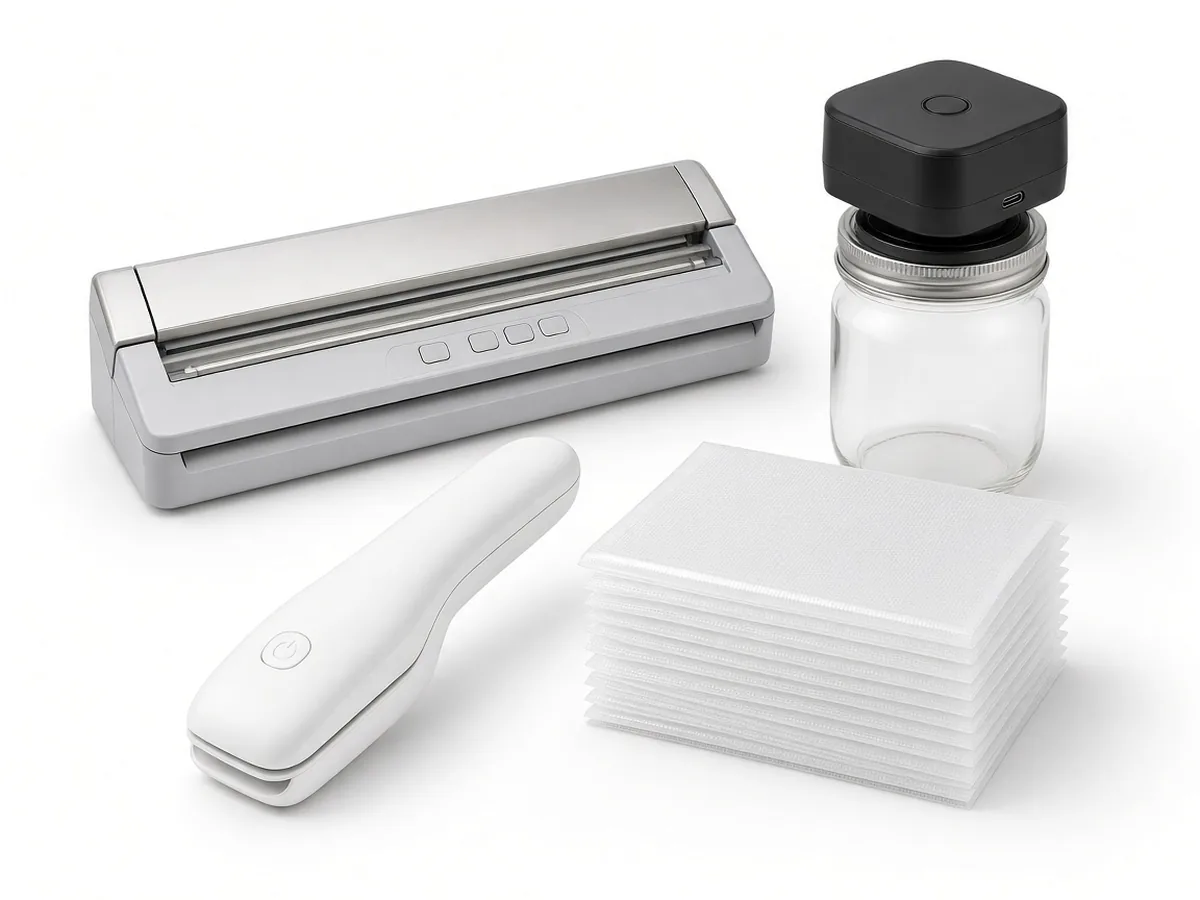
Best Vacuum Sealers for Dehydrated Food
Match the tool to the container, not to a single "best" machine. For everyday channel bags of jerky or dried fruit, start with the compact Bonsenkitchen VS2100 and a pack of Wevac 8x12 in 100-count quart bags . For a cordless handheld kit with reusable bags in the box, look at the Chef Preserve handheld sealer , knowing those bags are proprietary.
 Guide
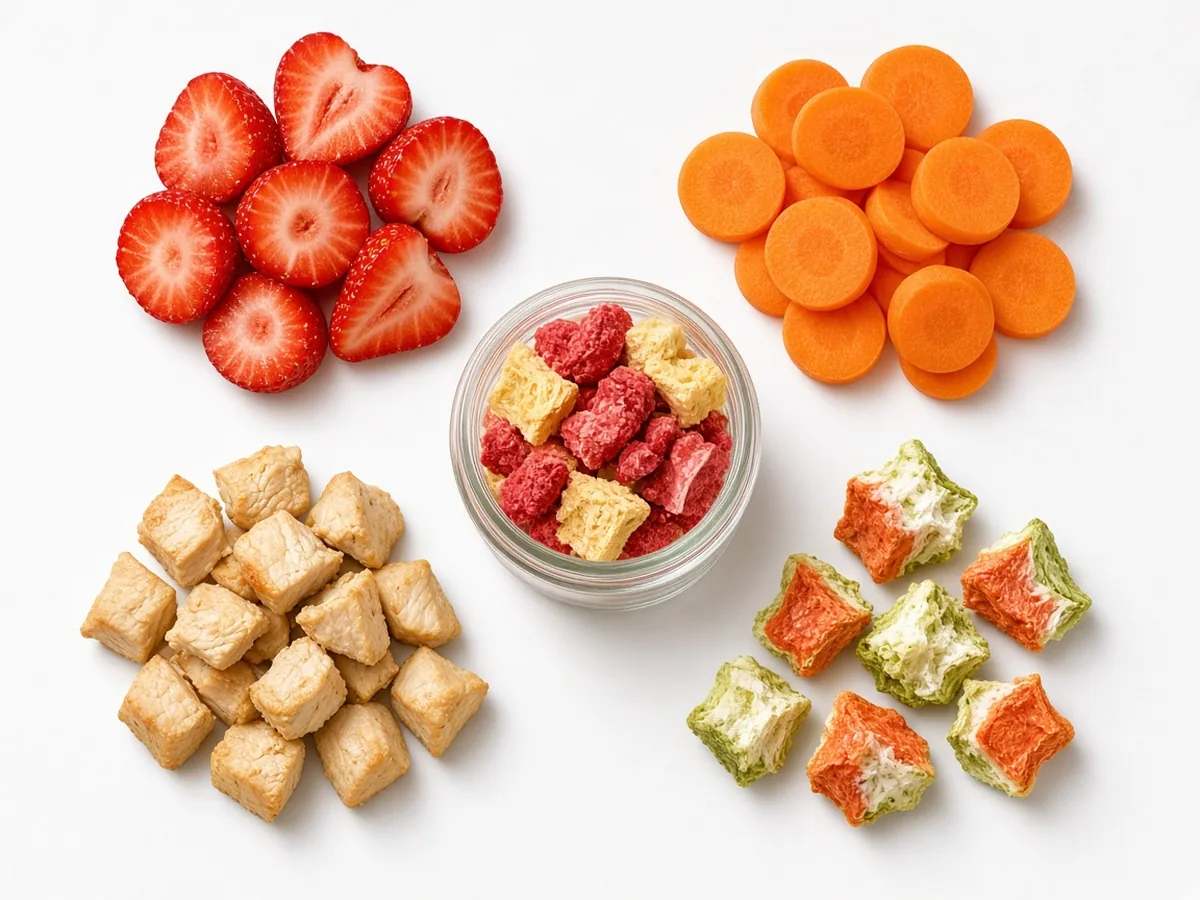
What Can You Freeze Dry at Home
You can freeze dry fruits, blanched vegetables, and fully cooked meat, poultry, and seafood at home in a vacuum freeze dryer, per Utah State Extension’s 2026 list—skip oils, mayonnaise, salad dressings, raw eggs, unpasteurized dairy, and raw animal foods.
 Guide
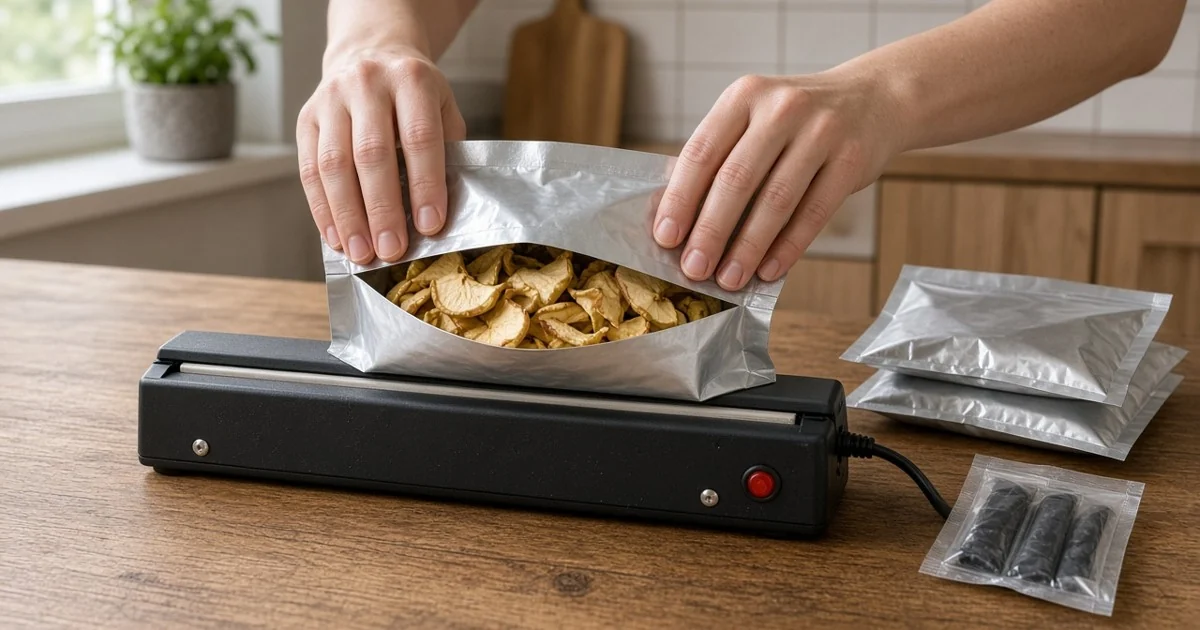
How to Seal Mylar Bags with Oxygen Absorbers for Freeze-Dried Food
Seal freeze-dried food in Mylar the right way: dry food, headspace, absorbers last, a flat impulse seal and a quick seal check.
 Guide
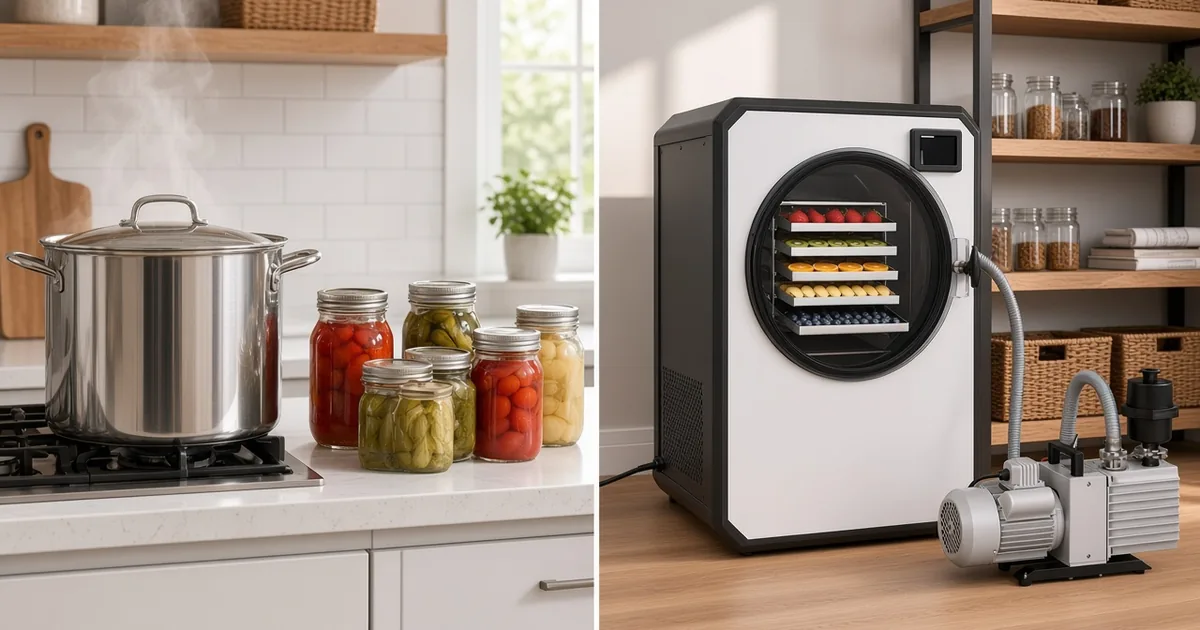
Freeze Drying vs Canning: Which Is Better for Long-Term Food Storage?
Canning kills microbes with heat; freeze drying removes water and kills nothing. Here is how that changes safety, shelf life, texture, cost and which foods suit each.
 Guide
Freeze-Dried vs Dehydrated Food: Shelf Life, Nutrition and Texture
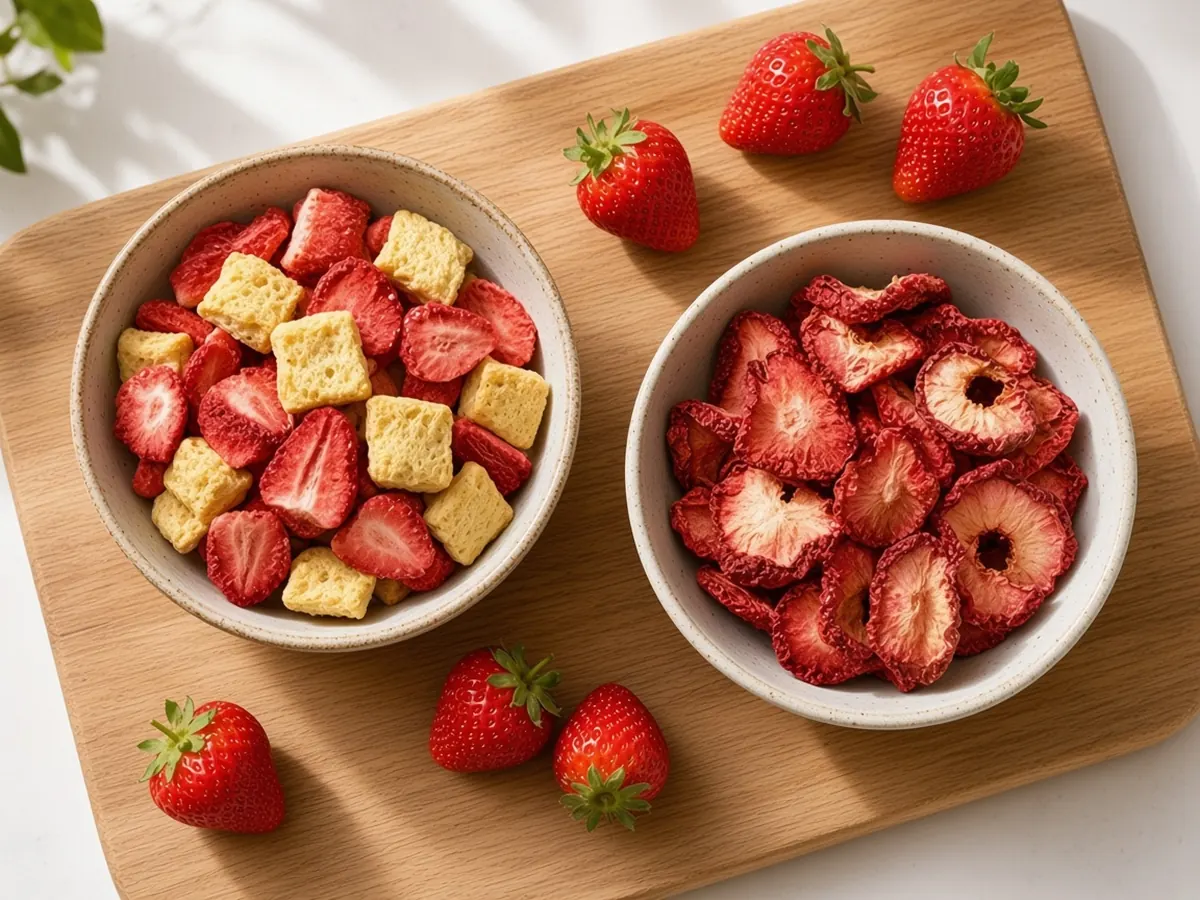
Freeze-dried food keeps far less moisture than dehydrated food, so it is lighter, crisper and usually stores longer in sealed packaging. Dehydrated fruit, vegetables and jerky are softer and chewier and are meant for months-scale storage, not the multi-year pantry role freeze-dried food can fill.
 Guide
Does Freeze Drying Kill Bacteria? Home Freeze-Drying Food Safety
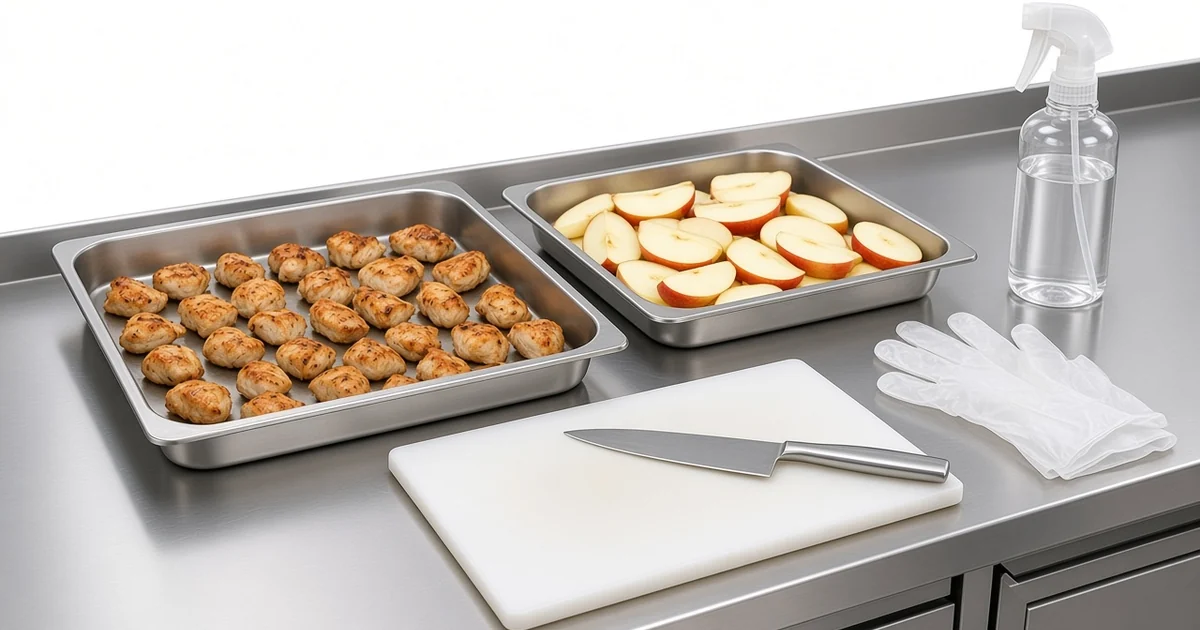
A freeze dryer does not make unsafe food safe—handle, dry, package, and cook following tested food-safety guidance. Keep raw and ready-to-eat foods separate, dry until crisp/dry throughout, and store sealed with oxygen absorbers where the method calls for it.
 Guide
How to Store Freeze-Dried Food: Containers, Oxygen Absorbers and Shelf Life
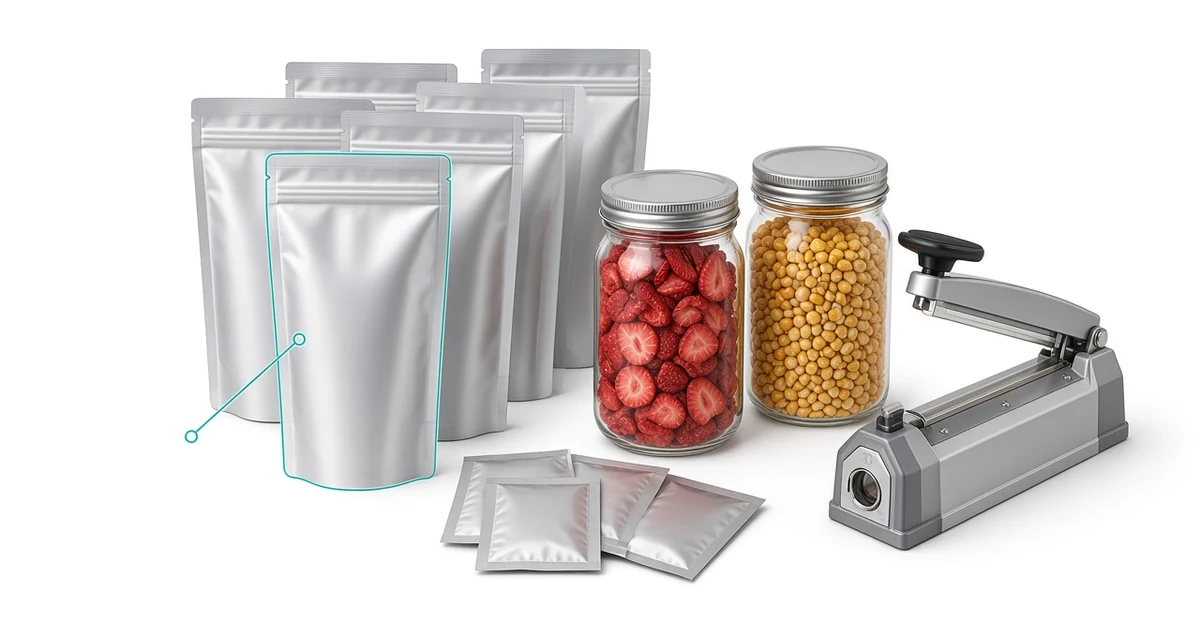
Pack freeze-dried food only after a dryness check on the thickest piece, then seal it immediately in Mylar with the correct-size oxygen absorber. Exposure to room air softens texture within minutes, so have bags, absorbers and a heat sealer ready before you open the chamber.
 Guide
How to Store Dehydrated Food and How Long It Lasts
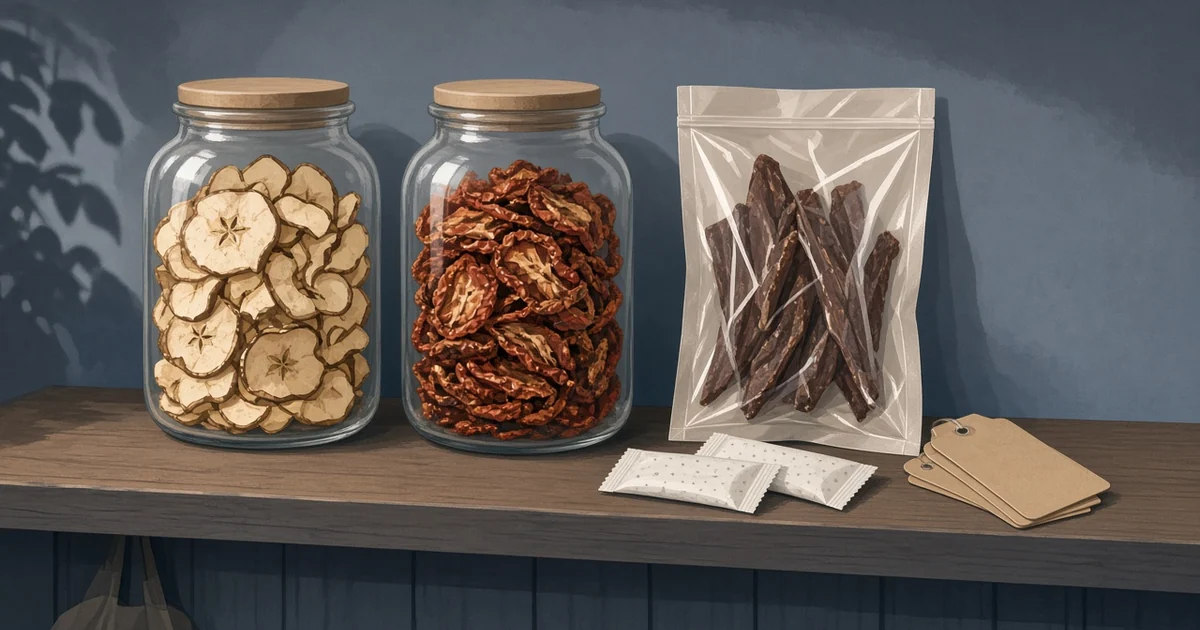
Store dehydrated food only after it has cooled completely, then pack it airtight with as little headspace as practical. Condition fruit for several days in a jar before long storage, and treat jerky as a short room-temperature food unless you refrigerate or freeze it.