
Freeze Drying vs Canning: Which Is Better for Long-Term Food Storage?
Published 10/29/2026 · Updated 11/19/2026
Quick answer
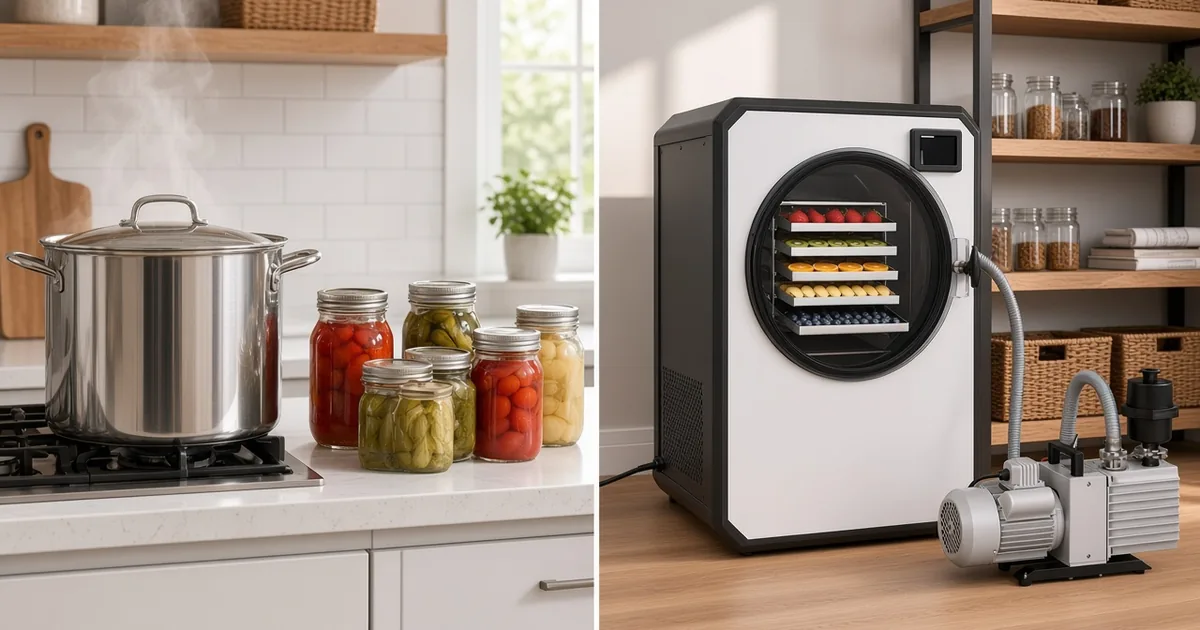
Canning kills microbes with heat; freeze drying removes water and kills nothing. Here is how that changes safety, shelf life, texture, cost and which foods suit each.
Products mentioned in this guide
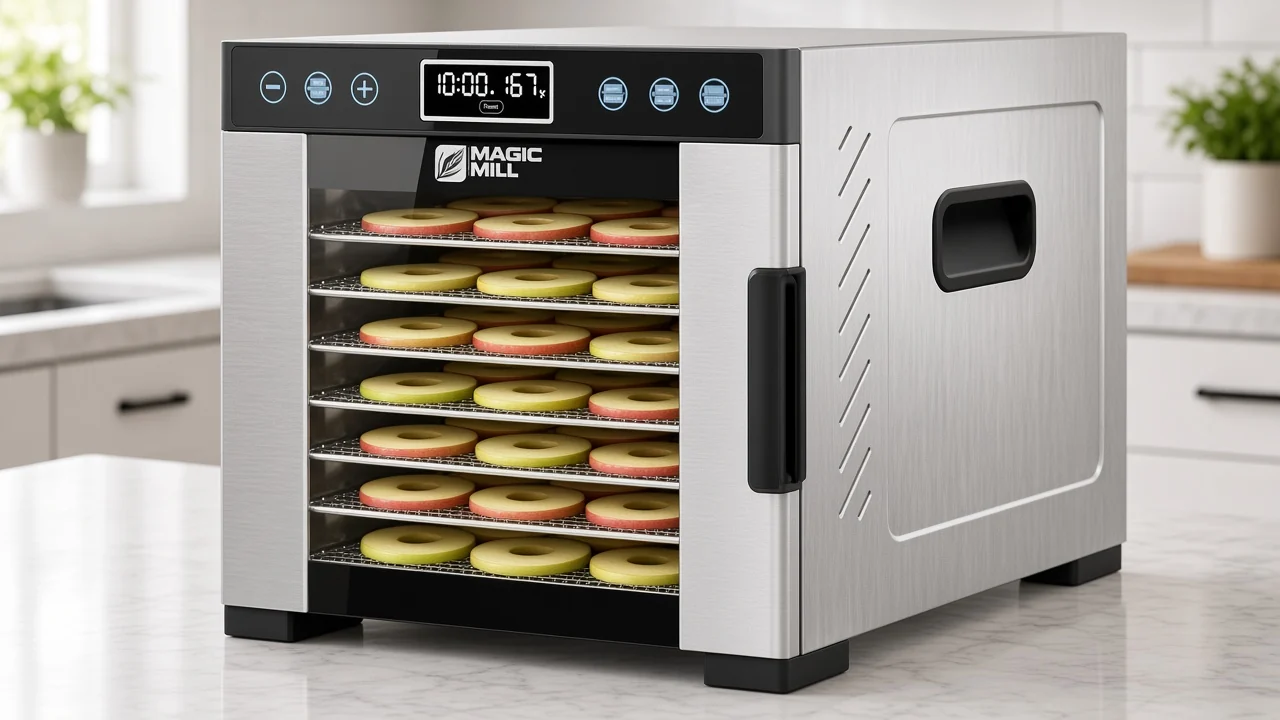 Magic Mill Pro MFD-7700 Food Dehydrator, 7 Stainless TraysMagic Mill · Dehydrator
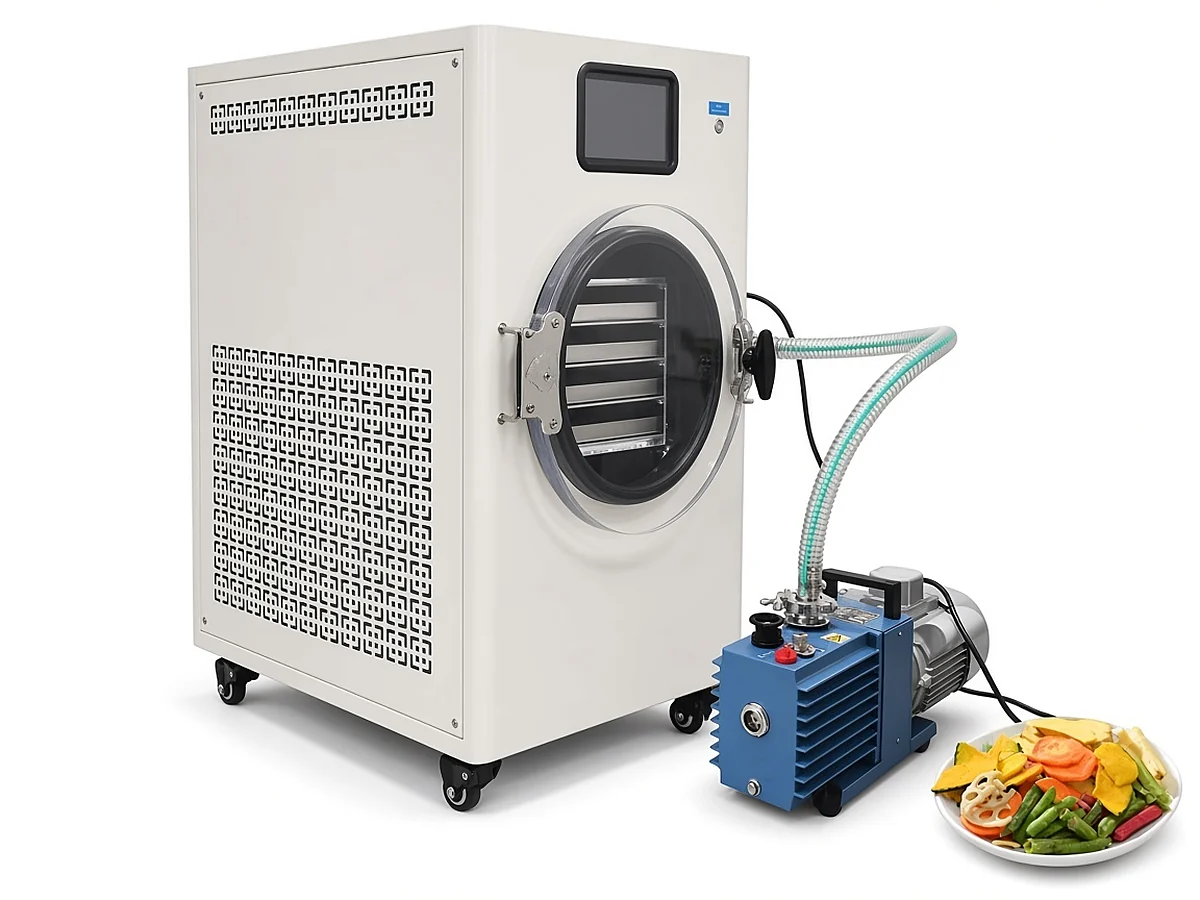
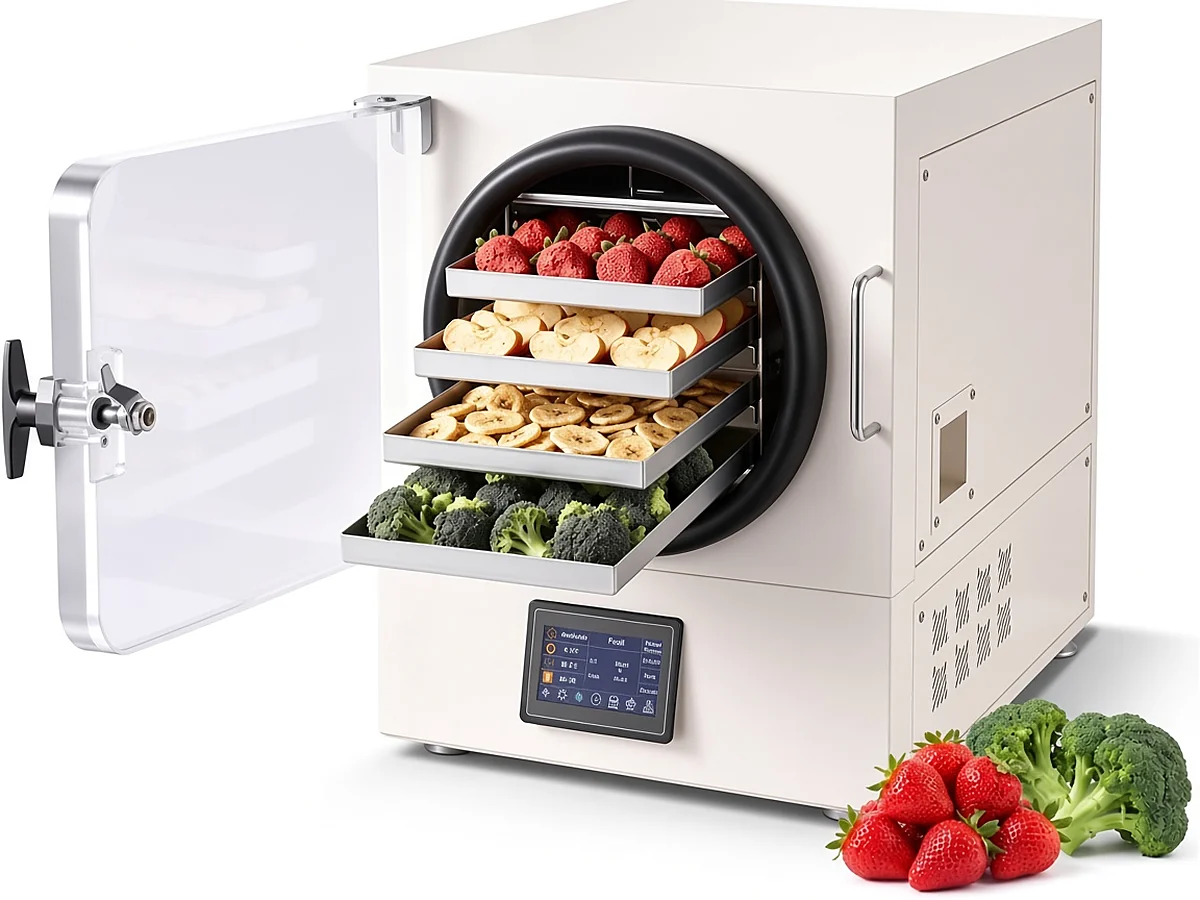
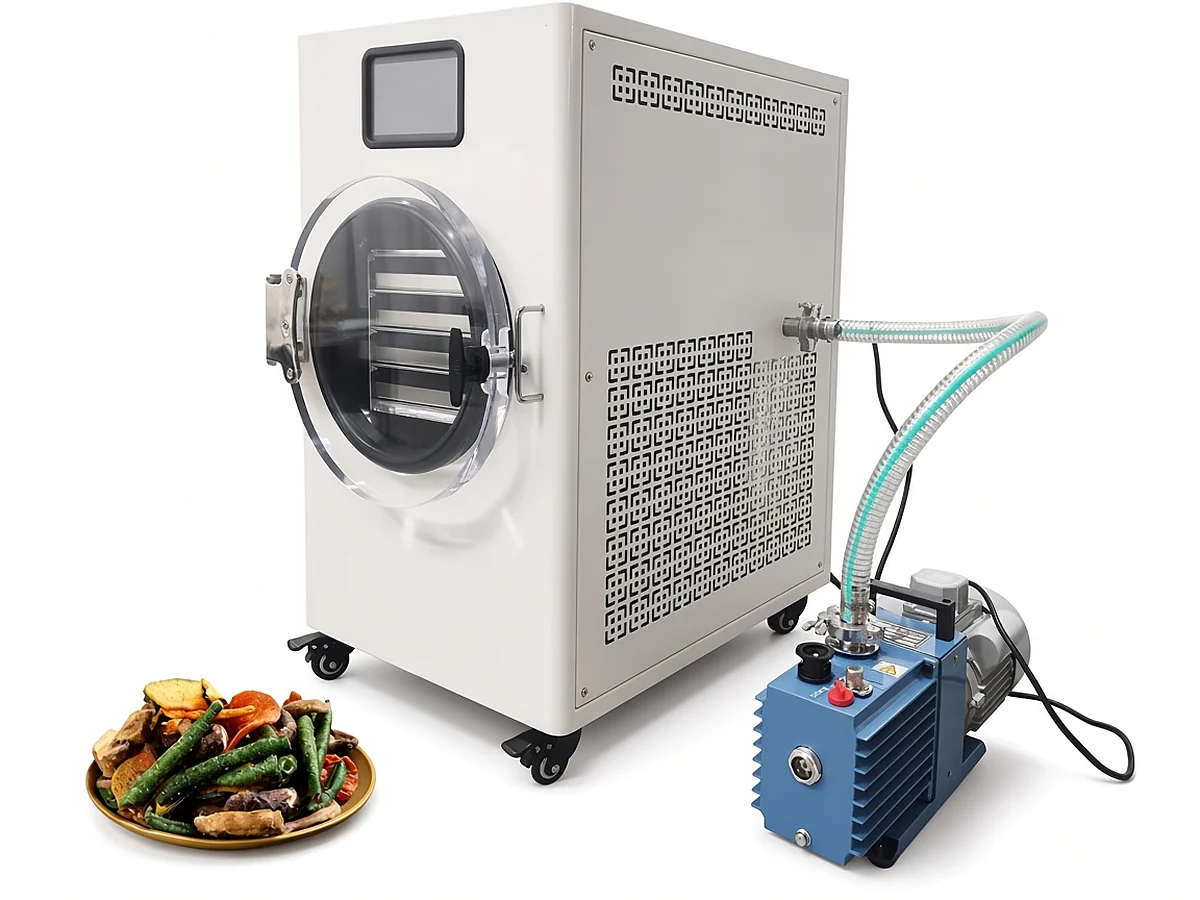
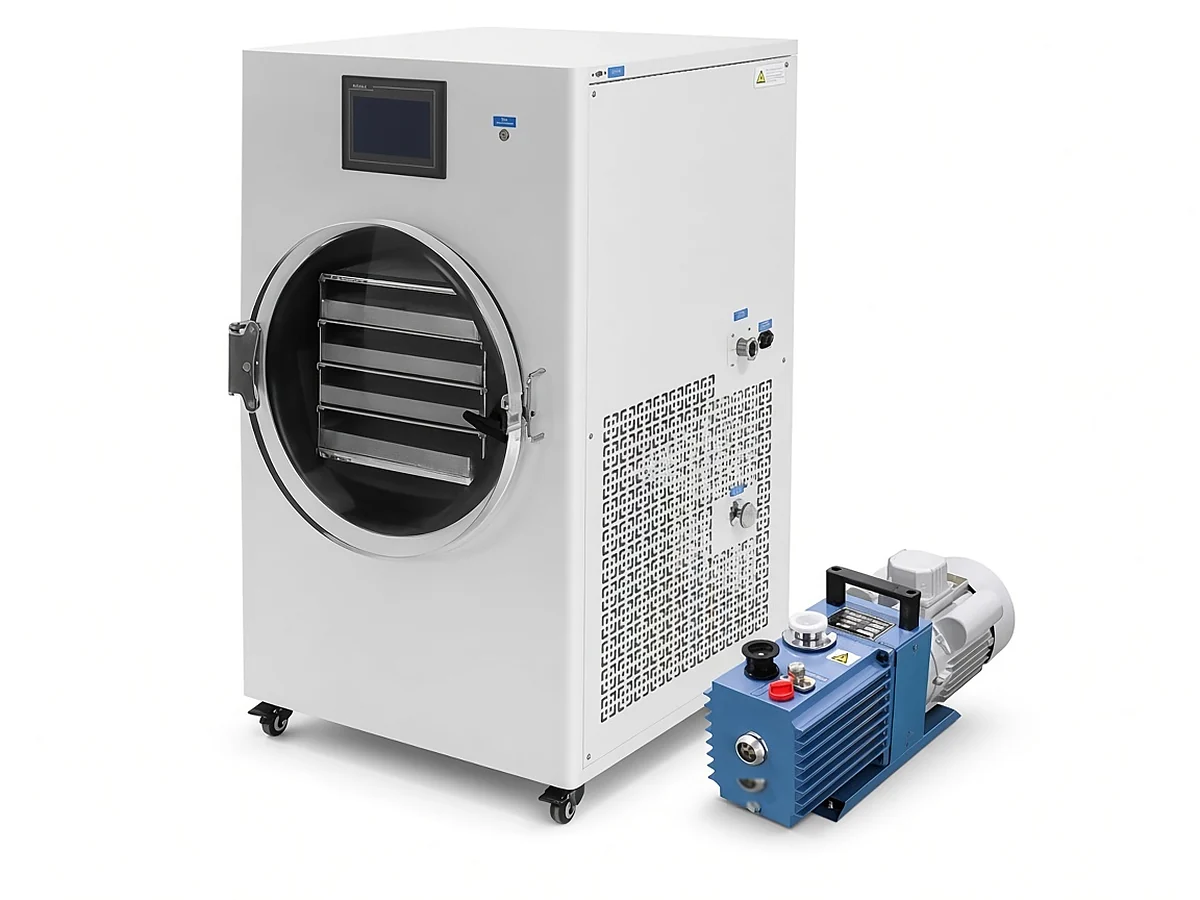
Food Storage & Safety · Freeze Dryers, Meals, Shelf Life, Mylar Bags
Updated 30 October 2026
Canning and freeze drying both turn a good harvest or a bulk buy into food that keeps on the shelf, but they work in opposite ways. Canning uses heat to kill microorganisms and seal jars. Freeze drying removes water at low temperature and kills nothing. That one difference shapes safety rules, which foods suit each method, how long the food lasts and what it is like to eat. This guide compares the two for home use, using guidance from the USDA, the National Center for Home Food Preservation (NCHFP) and university extension services.
The short answer
Canning is the low-cost, proven way to keep fruit, tomatoes, pickles, jams, vegetables, stocks and meats shelf-stable, but it cooks the food, and it is only safe when you follow tested USDA processes exactly.
Freeze drying keeps food closest to fresh in colour, texture and flavour, makes it very light, and can last for years in the right packaging, but the machine is expensive, uses a lot of energy and does not kill bacteria.
They are not interchangeable. Many households use both: canning for sauces, jams and pickles; freeze drying for meals, dairy, fruit snacks and lightweight storage.
How canning preserves food
NCHFP explains that canning places food in jars and heats it to a temperature that destroys microorganisms that could cause illness or spoilage, and also inactivates enzymes. Air is driven out during heating, and as the jar cools a vacuum seal forms that stops new microbes getting in.
The big hazard is Clostridium botulinum, the bacterium behind botulism. Its spores are on most fresh food surfaces and are very hard to destroy at boiling-water temperatures. Whether a food goes in a boiling-water canner or a pressure canner depends on its acidity:
Food type | Canner | USDA guidance |
|---|---|---|
Acid foods (pH 4.6 or lower), e.g. most fruits, pickles, acidified tomatoes | Boiling-water canner | Process times range from 5 to 85 minutes |
Low-acid foods, e.g. vegetables, meats, poultry, seafood | Pressure canner | 240–250 °F at 10–15 PSIG; 20 to 100 minutes |
Tomatoes and figs | Boiling-water only if acidified | Add lemon juice or citric acid to reach pH 4.6 or lower |
The exact time depends on the food, how it is packed and the jar size, and you must adjust for altitude if you live at 1,000 feet or more, because water boils at a lower temperature. These figures come from the USDA Complete Guide to Home Canning, as summarised by NCHFP. Use the tested recipe for the food in front of you, not the ranges above.
Shortcuts are dangerous. NCHFP warns that "dry canning" raw vegetables (pressure canning them without the liquid the tested method requires) is unsafe, because bacterial spores die more slowly in dry heat than in wet heat, and botulism toxin can be present without any change in look or smell.
How freeze drying preserves food
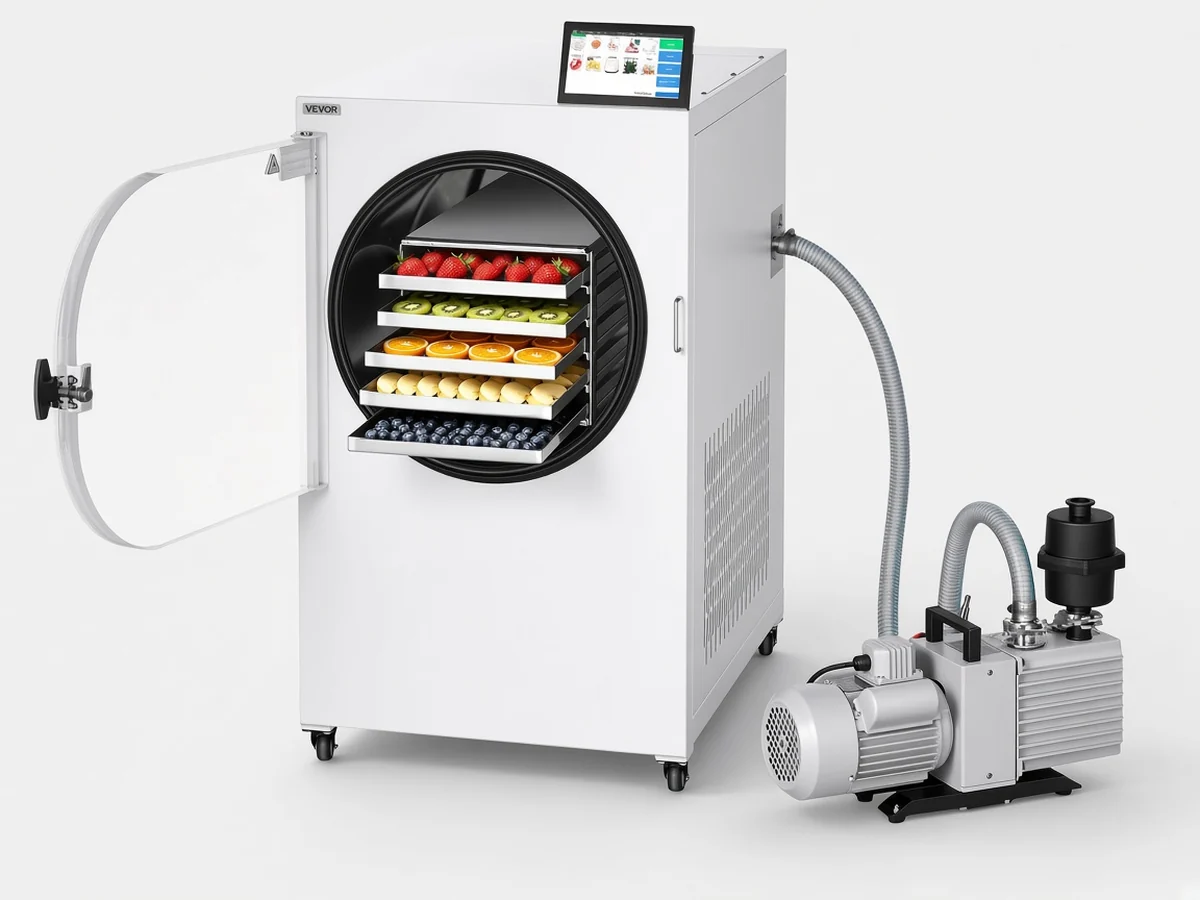
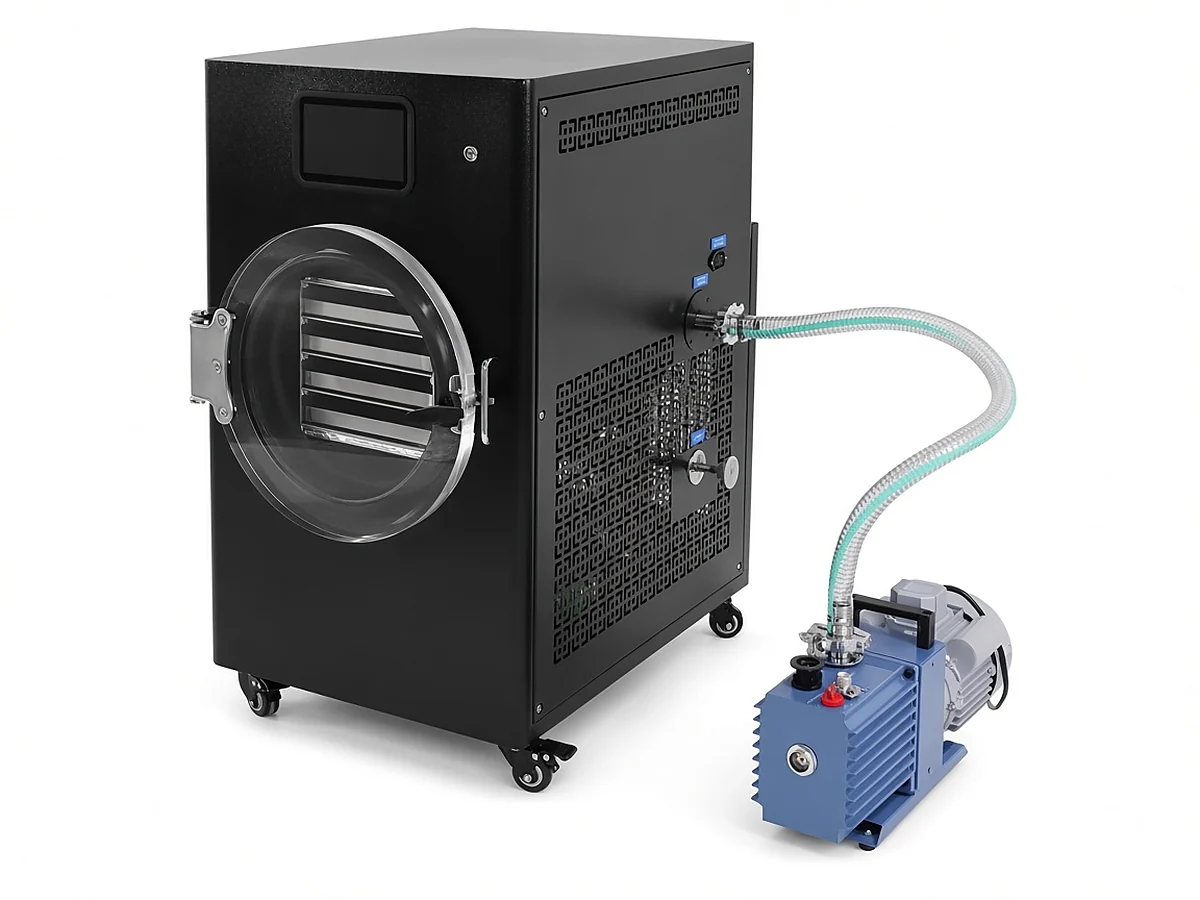
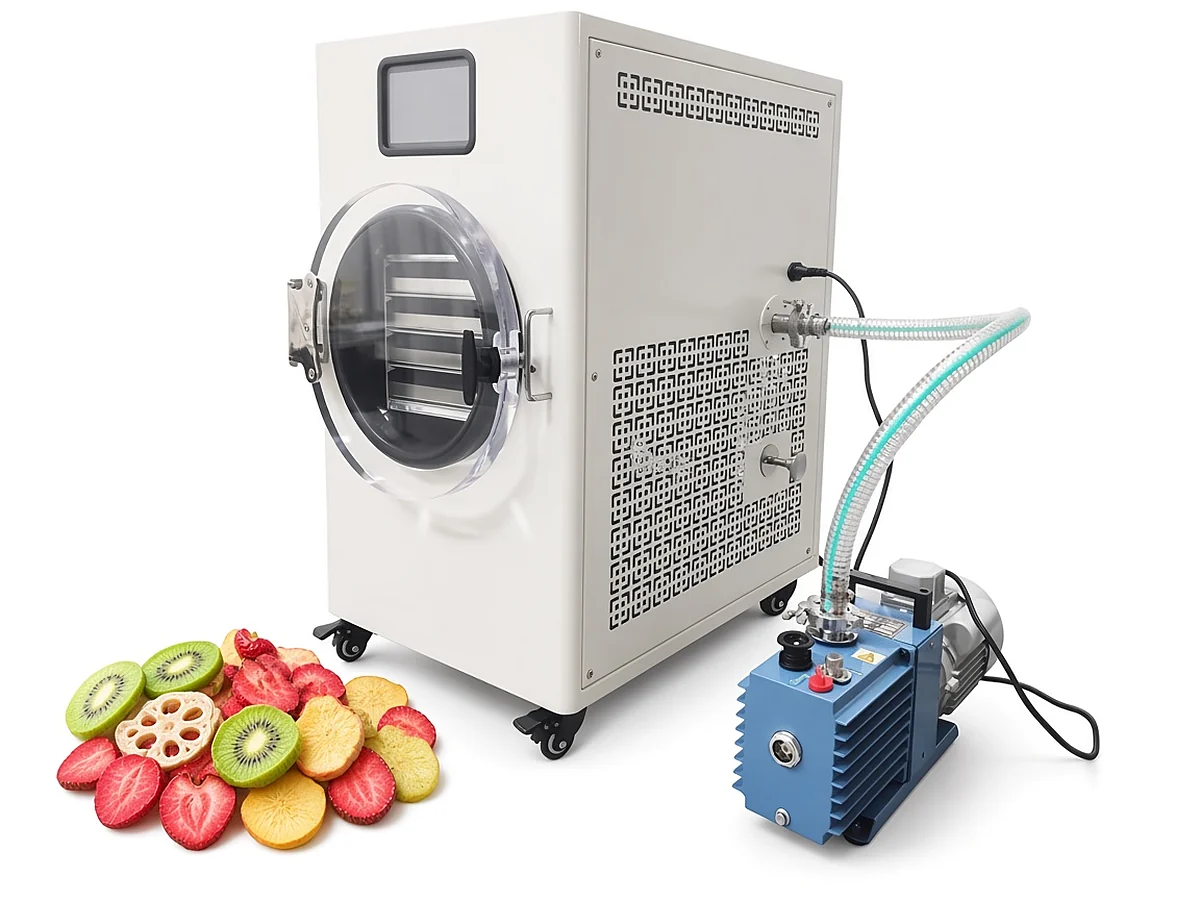
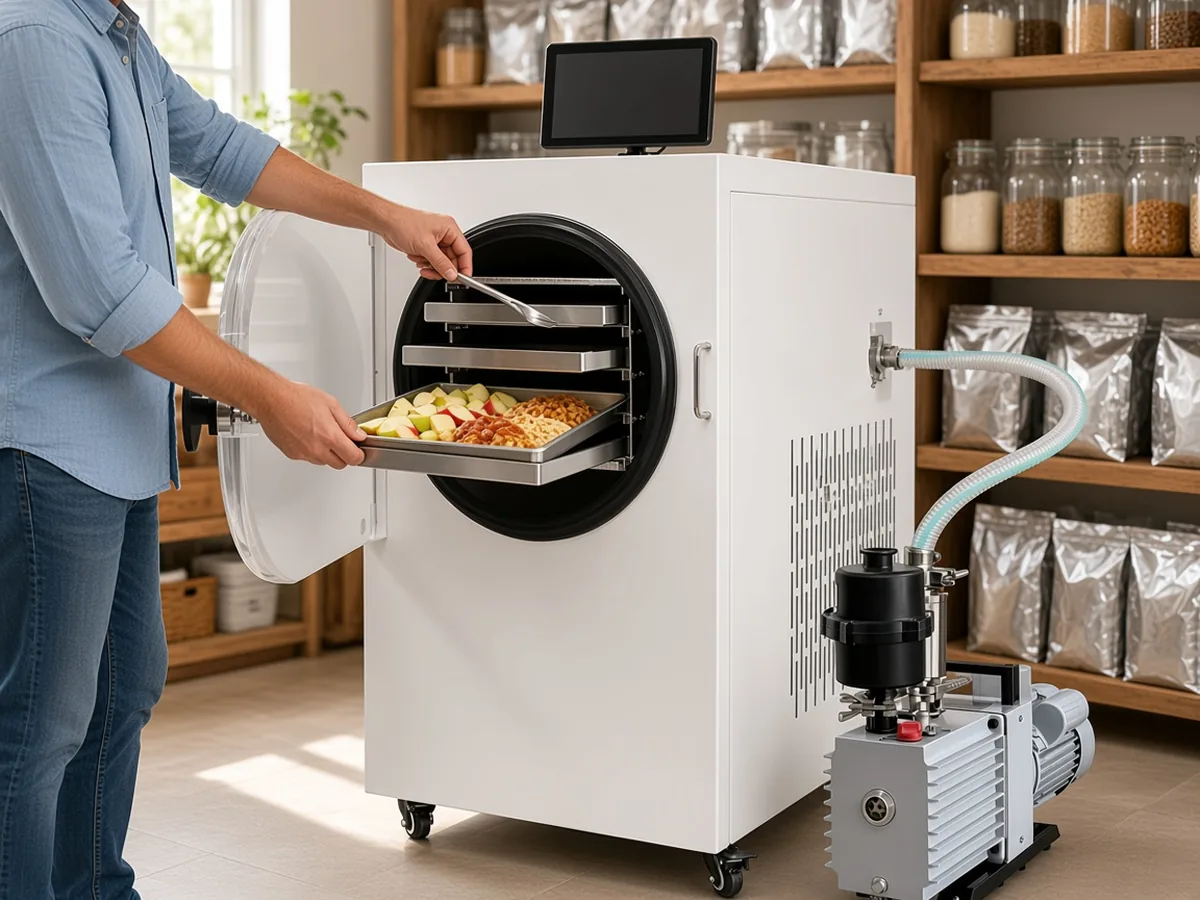
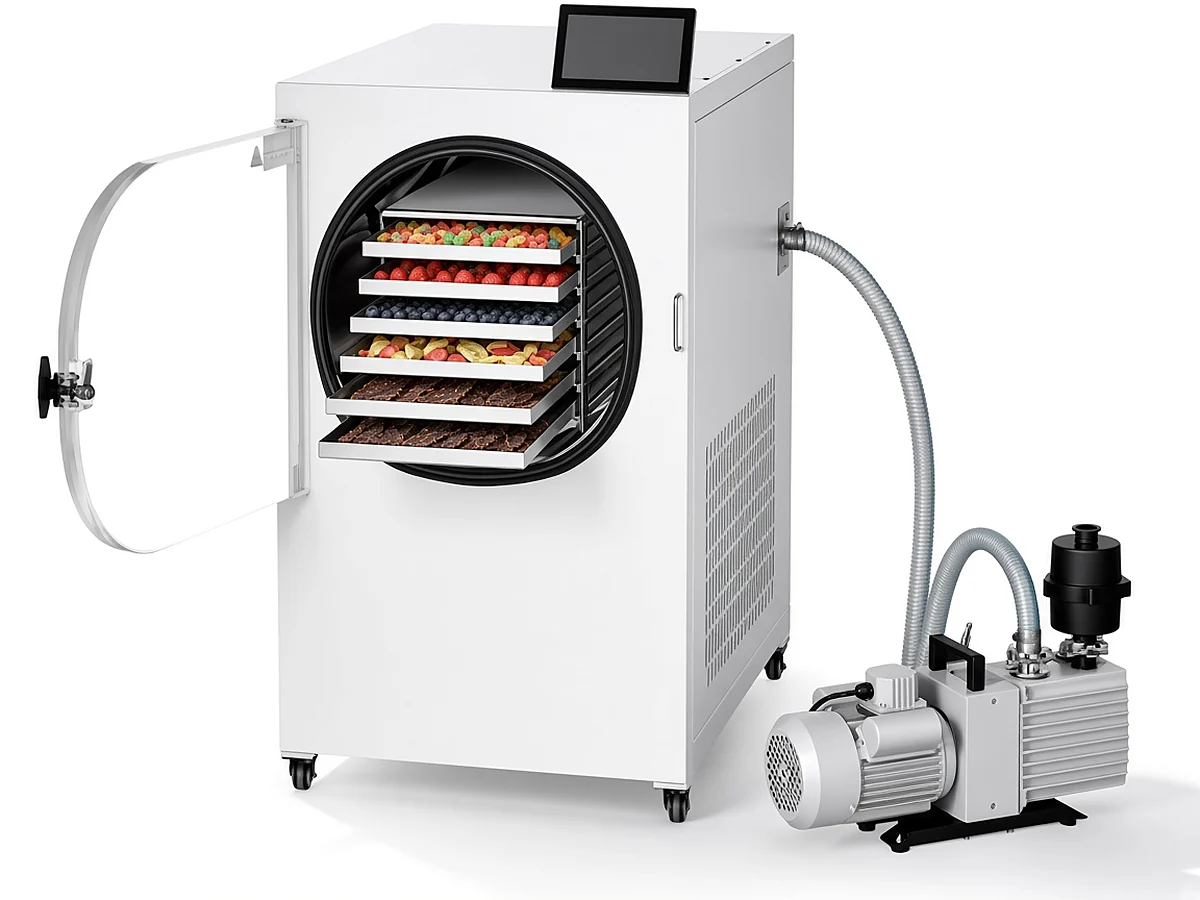
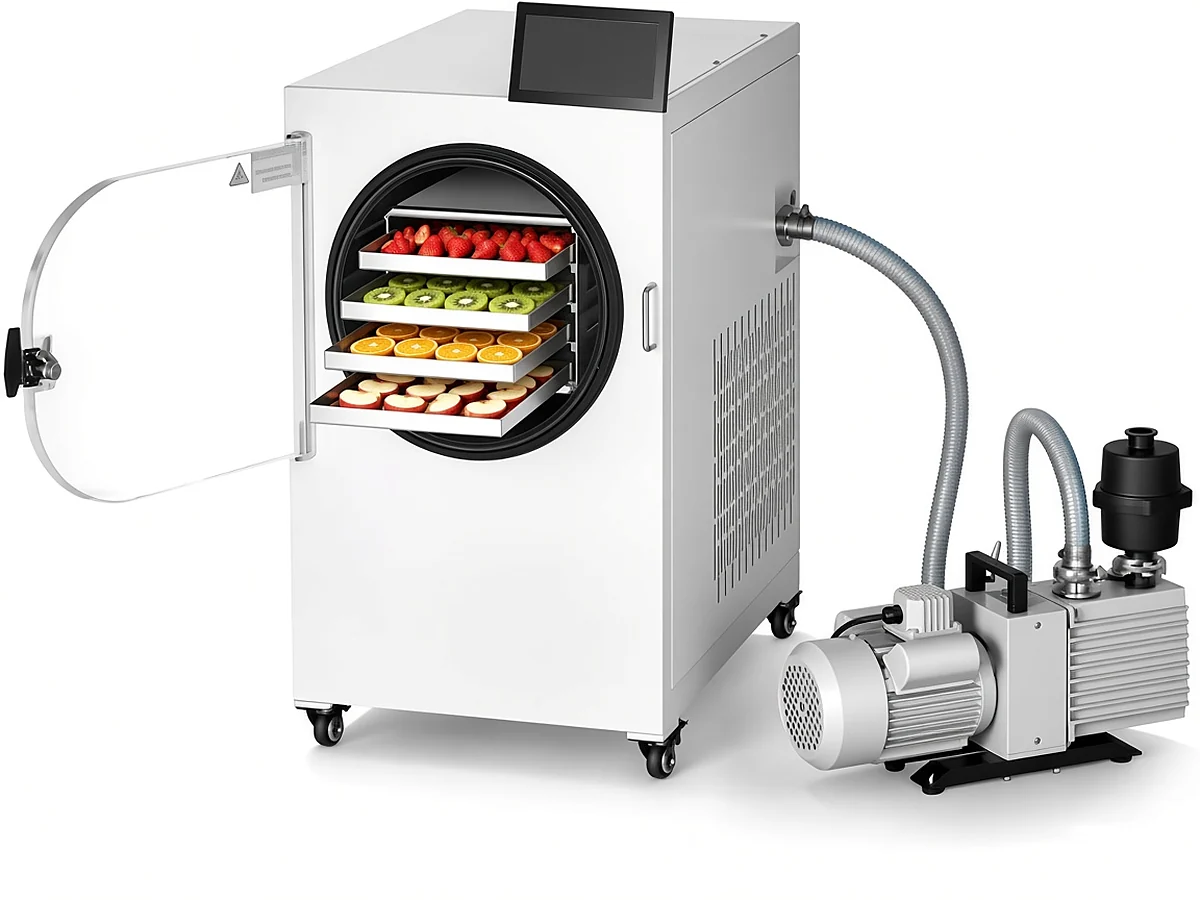
A freeze dryer freezes food, pulls a vacuum and applies gentle heat so the ice turns straight to vapour. Penn State Extension says home machines freeze food to between −30 and −50 °F. Utah State University Extension says proper freeze drying lowers water activity to about 0.3 or below, where most bacteria and spoilage organisms cannot grow. Home machines differ in how cold their cold trap gets: the VEVOR HFD-4 lists −35 °C, while the HNZXIB FD-05H claims −60 °C.
The crucial point: freeze drying does not kill bacteria. Utah State and the University of Minnesota both state that microbes survive and can become active again when water is added. Raw meat, poultry, seafood and eggs need cooking before freeze drying or after rehydrating, and packaging must keep moisture out. Our how freeze drying works and food-safety guide explain the process and the rules.
Safety compared
Question | Canning | Freeze drying |
|---|---|---|
Does the process kill microbes? | Yes, when a tested process is followed | No; it stops growth by removing water |
Main hazard | Botulism from under-processing low-acid food | Microbes reactivating if food was raw or packaging fails |
Key safeguard | Tested USDA recipe, right canner, altitude adjustment | Cook risky foods; package airtight with oxygen absorbers |
Neither method is "safer" in every case. Canning has a well-researched set of tested processes behind it. Home freeze drying is newer: Minnesota Extension notes that home units have only been around for about the past 10 years, that there is limited information on shelf life, and that NCHFP has not yet published research-based freeze-drying recipes. Follow extension advice closely.
Shelf life and storage
For canned food, NCHFP's storage guidance says not to store jars above 95 °F, and that 50 to 70 °F is best for quality. It also advises canning no more food than you will use within a year, for best quality, unless the directions for a specific food say otherwise. That is a quality guideline rather than a safety cut-off; follow the guidance in the USDA recipe you are canning from.
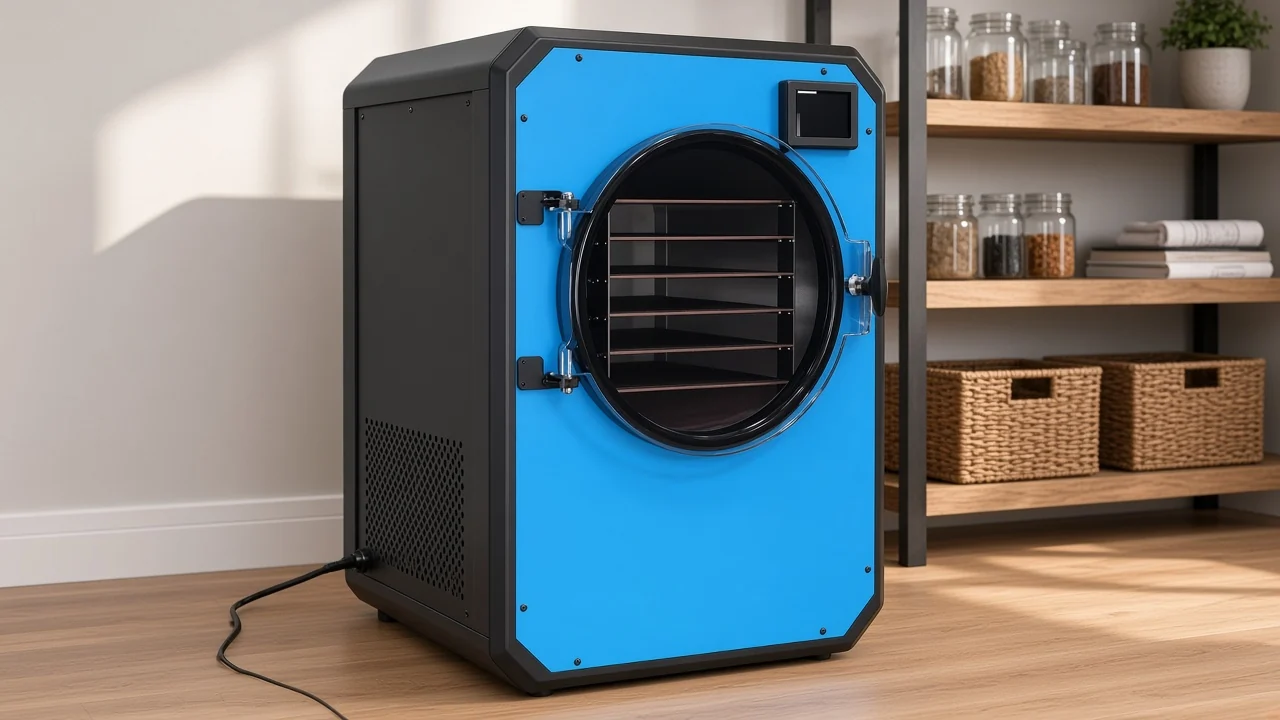
For freeze-dried food, Utah State Extension says it can remain safe and stable for 10 to 15 years, and sometimes up to 25, in airtight, moisture-proof packaging such as Mylar with oxygen absorbers kept cool, dark and dry. It also advises not eating home freeze-dried food beyond 5 to 10 years because of quality and nutrient loss. Penn State gives about 2 to 3 years for vacuum-sealed plastic bags, which let some air and moisture through. See our guide to storing freeze-dried food. If you start with a Blue Alpine Medium Select, its box already holds an impulse sealer, 50 Mylar bags and 50 oxygen absorbers.
Quality, nutrition and texture
Canning cooks food, so canned vegetables are soft and canned fruit sits in liquid. That is ideal for sauces, soups, stews and preserves, less so if you want something crunchy or close to fresh.
Utah State Extension says freeze drying preserves a food's original texture, flavour and nutrients more effectively than other drying methods because it works at low temperature, and Penn State notes it keeps colour and shape well. Nutrients still decline over time: Utah State says vitamin C in freeze-dried food can drop significantly within 1 to 3 years. Nutrient differences between canned and freeze-dried versions of the same food vary too much by food and storage to sum up in one figure.
What each method suits
Food | Canning | Freeze drying |
|---|---|---|
Jams, jellies, pickles, salsa | Well suited; tested recipes exist | Not the usual choice |
Tomato sauce, stocks, soups | Well suited, with a tested process | Possible; thick foods dry slowly |
Fresh fruit snacks, berries | Canned in syrup or water | Well suited; crunchy and light |
Dairy, eggs, cooked meals | Only foods with a tested USDA process; do not improvise | Possible with care (Penn State) |
High-fat foods | Follow tested recipes only | Poor; fat does not freeze-dry well |
Utah State also warns that sausages, mayonnaise, salad dressing and alcohol do not freeze-dry well, and that thick foods such as casseroles can take more than two days.
Weight and space
Canned food is heavy: you store the water and the glass. Utah State notes freeze drying makes food lighter and easier to transport, and Penn State points to backpacking, emergency preparedness and quick meal prep as common uses. If storage space or carrying weight matters, freeze drying has a clear edge. The machine itself takes floor space, though: the VEVOR HFD-4 measures 21.65 × 29.92 × 35.04 in.
Cost, energy and effort
Canning equipment is modest: jars, lids, a boiling-water canner and, for low-acid foods, a pressure canner. The work is concentrated on canning day.
A home freeze dryer is a major appliance with a vacuum pump. Utah State says freeze drying takes longer, needs a higher initial investment and uses more energy than other drying methods. Batches take many hours, thick foods can take more than two days, and the machine needs pump care. Our running cost guide shows how to estimate electricity from your machine's watts, and our pump oil guide covers maintenance. Listed figures for machines sold on Amazon US include 1,550 W rated power for the VEVOR HFD-4 and 1,080 W average (1,560 W maximum) for the Blue Alpine Medium Select.
Which should you choose?
Choose canning if you mostly preserve tomatoes, sauces, jams, pickles or stocks, want low equipment cost and are happy to follow tested recipes exactly.
Choose freeze drying if you want lightweight long-term storage, fruit and meal portions close to fresh, or foods like dairy and eggs, and can justify the machine's cost and power use.
Use both if you preserve a lot; each covers the other's weak spots.
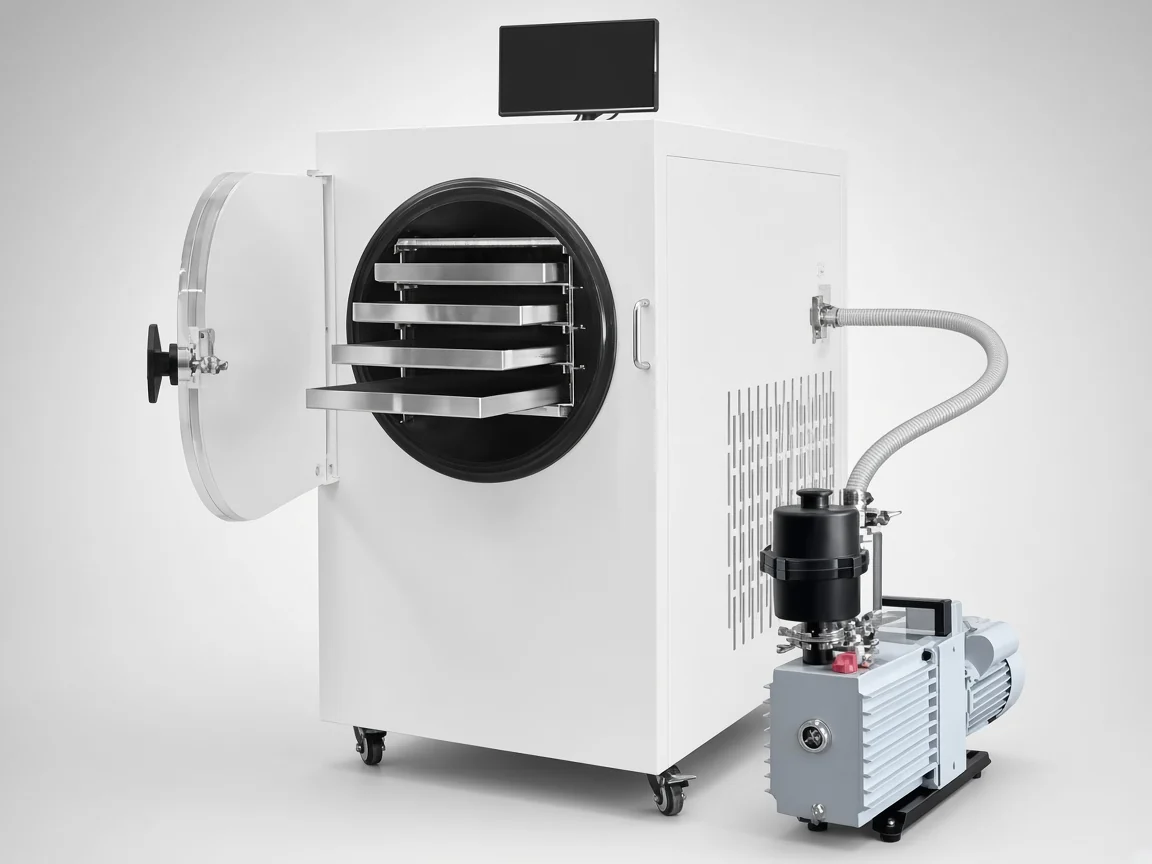
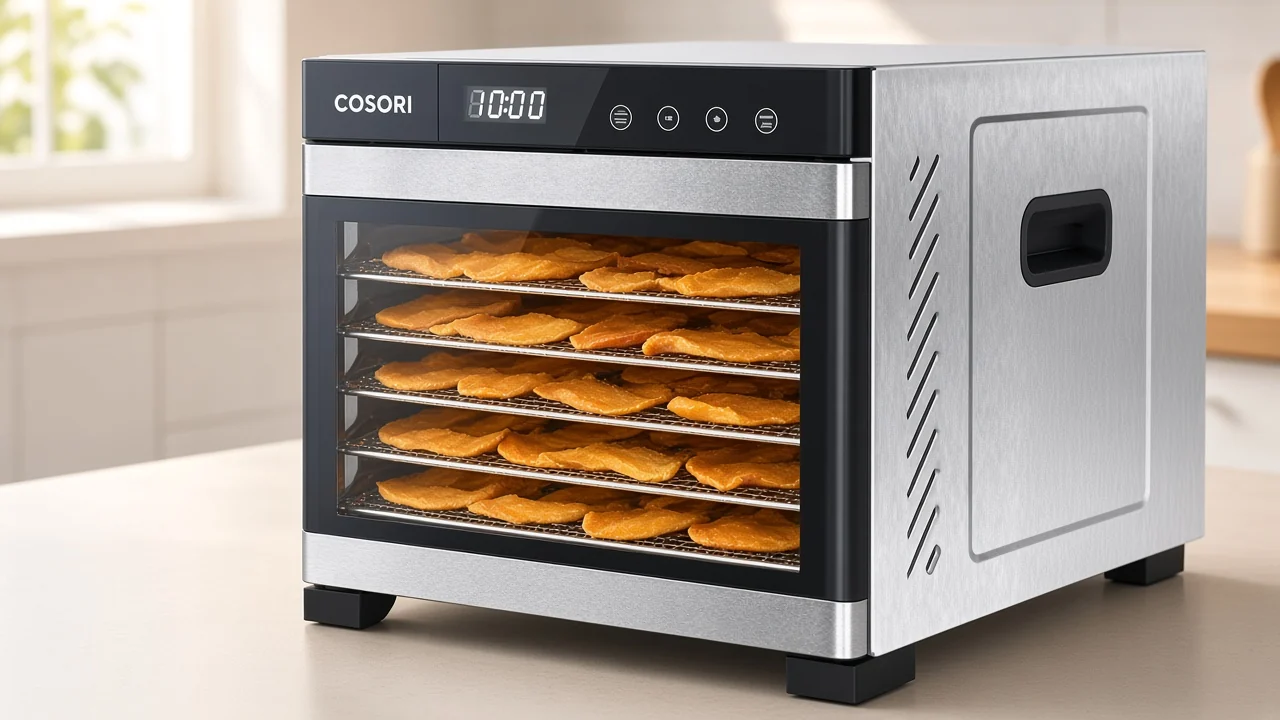
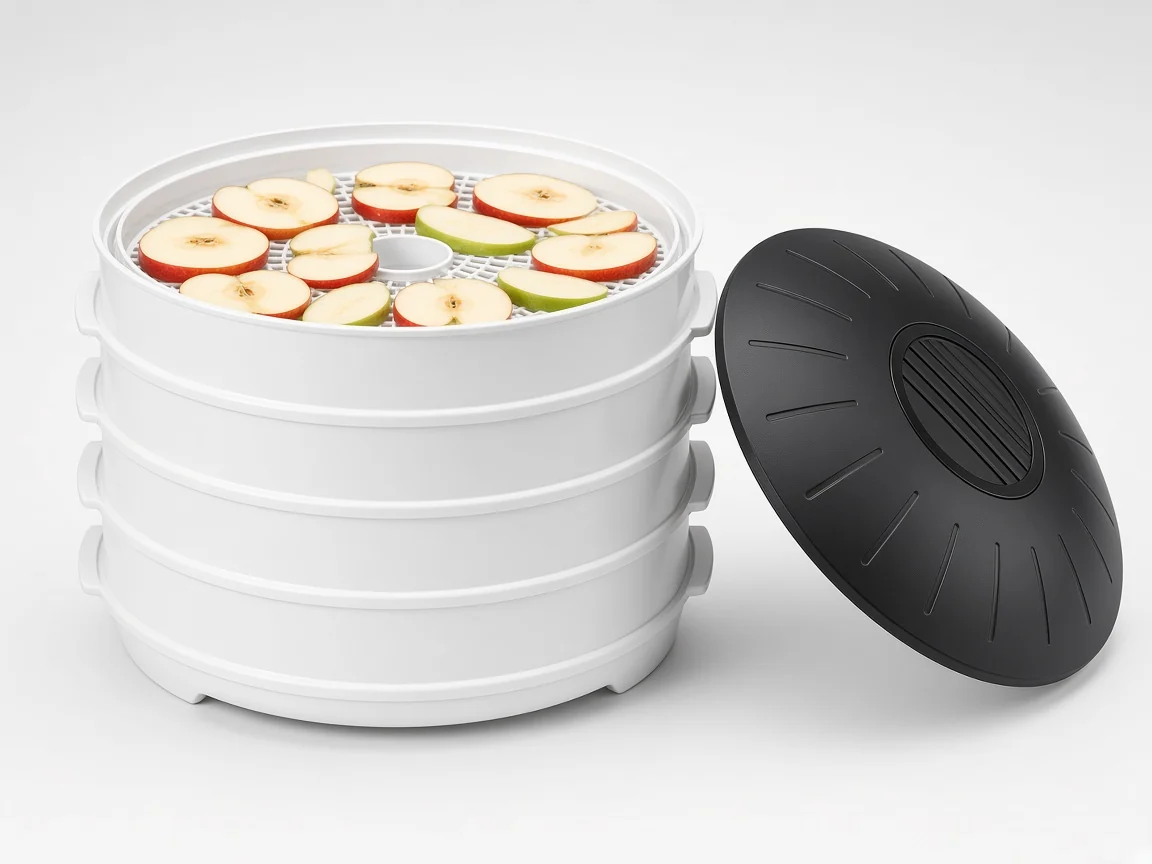
If you are weighing a freeze dryer against a cheaper drying option, read our freeze-dried vs dehydrated food comparison, and be wary of cheap hot-air dehydrators sold as freeze dryers online. Genuine warm-air dehydrators include shelf-style models such as the COSORI CP267-FD and Magic Mill MFD-7700 and the stackable Presto 06300 Dehydro.
What equipment each method needs
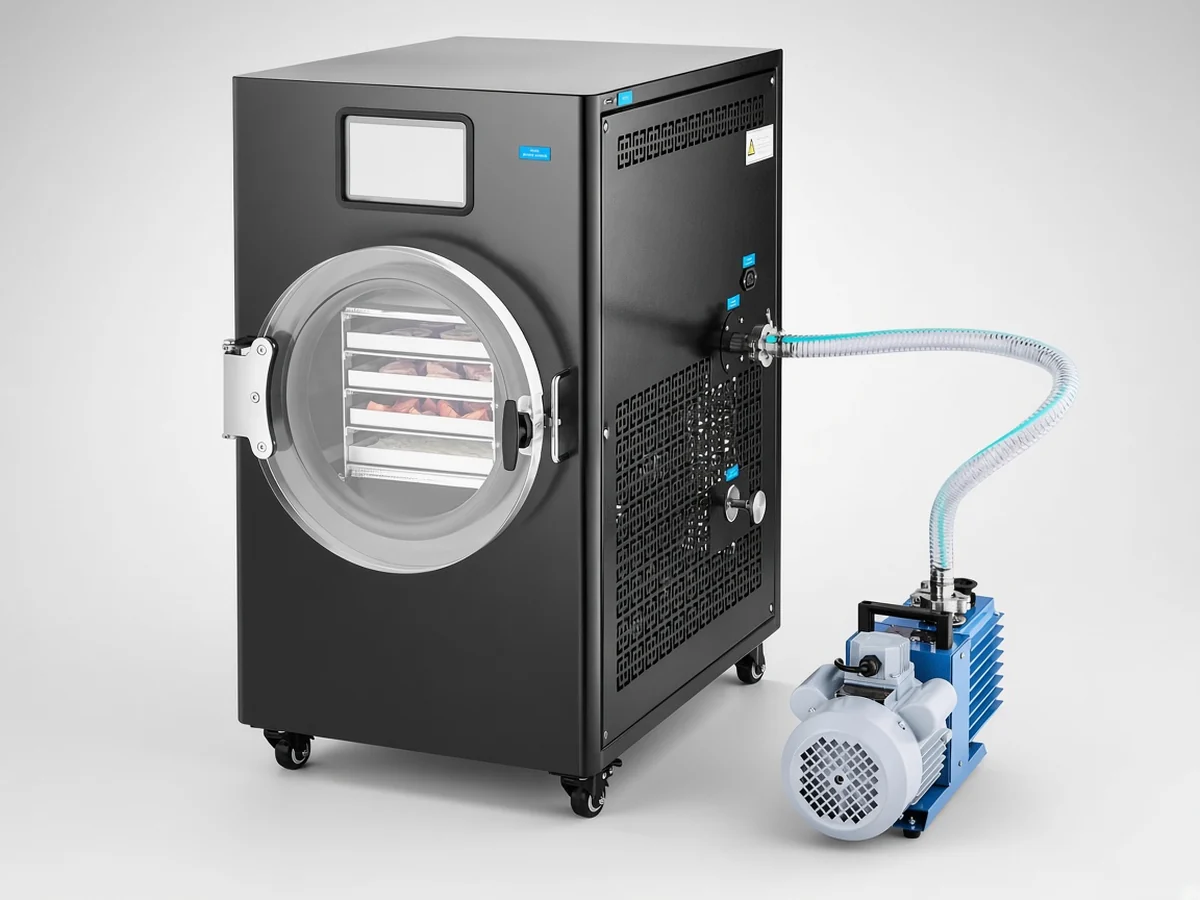
Canning needs jars, new lids and the right canner for the food; freeze drying needs a vacuum freeze dryer plus airtight packaging such as Mylar bags with oxygen absorbers. Our guide to home freeze dryers on Amazon compares the machines, and our Mylar sealing guide covers packaging. Machines compared there include the VEVOR HFD-4, Blue Alpine Medium Select, HNZXIB FD-05H and VEVOR SJ-08H, which is listed for 17.6–26.5 lb per batch across five trays.
Amazon listings for the products in this guide
Direct links to the Amazon listings for the products named or shown in this guide:
Frequently asked questions
Is freeze drying safer than canning?
Neither is safer in every case. Canning kills microbes when a tested USDA process is followed exactly. Freeze drying does not kill bacteria; it stops growth by removing water, so risky foods must be cooked and packaging kept airtight.
Can I freeze dry instead of pressure canning vegetables?
You can freeze dry vegetables, but it is a different method with different storage rules. Do not mix steps between the two, and never "dry can" raw vegetables, which the NCHFP warns is unsafe.
How long do canned and freeze-dried foods keep?
For best quality, the NCHFP advises canning no more than you will use within a year and storing jars at 50–70 °F. Utah State Extension says freeze-dried food in Mylar with oxygen absorbers can stay safe 10–15 years, but advises 5–10 years for home freeze-dried food.
Do I need both?
Not necessarily. Many households use canning for sauces, jams and pickles, and freeze drying for meals, dairy and light fruit snacks.