
Freeze Dryer Capacity Explained: Batch Weight vs Ice Capacity
Published 11/3/2026 · Updated 11/19/2026
Quick answer
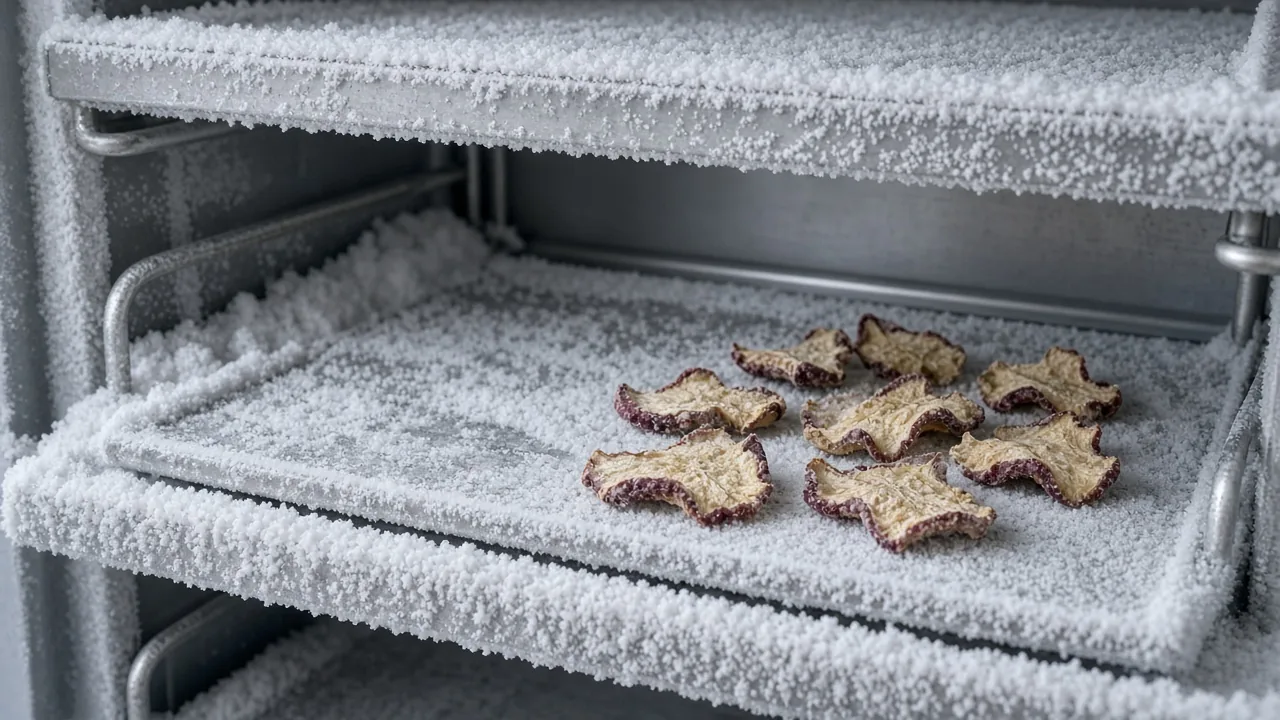
Pounds per batch is the headline number, but ice capacity decides real loads. See which machines publish it and how to size a batch for wet foods.
Products mentioned in this guide
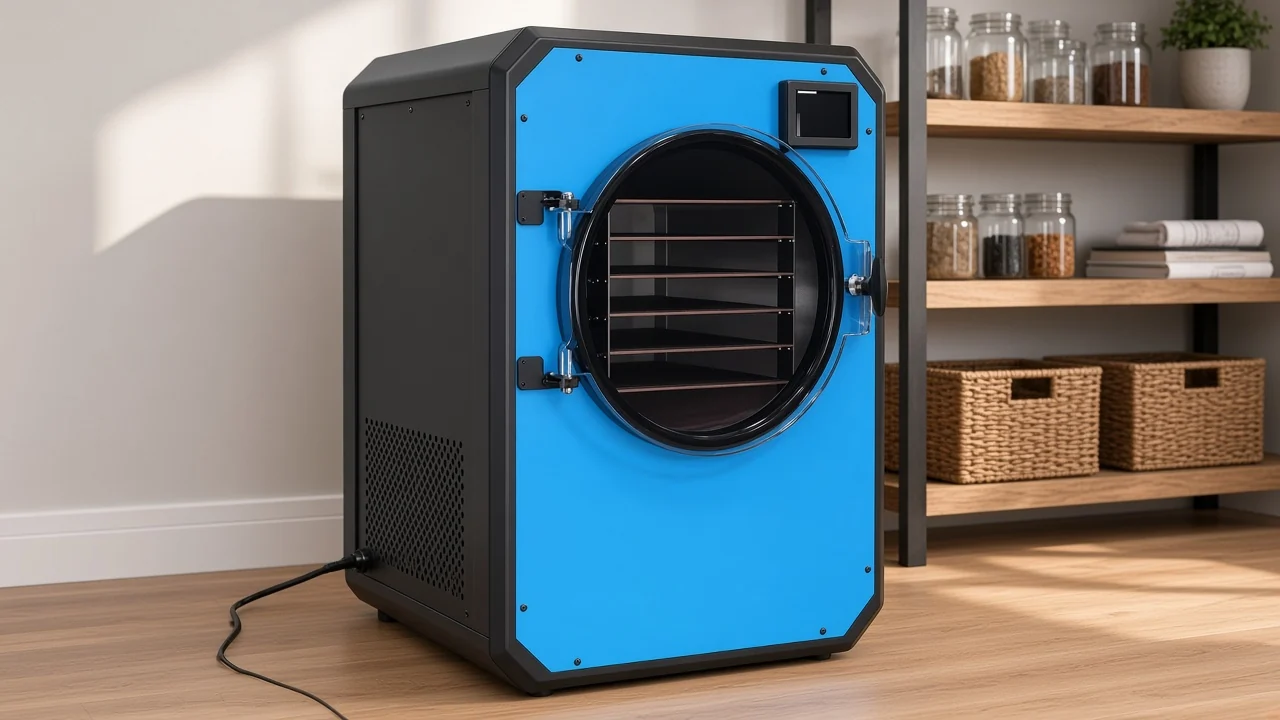
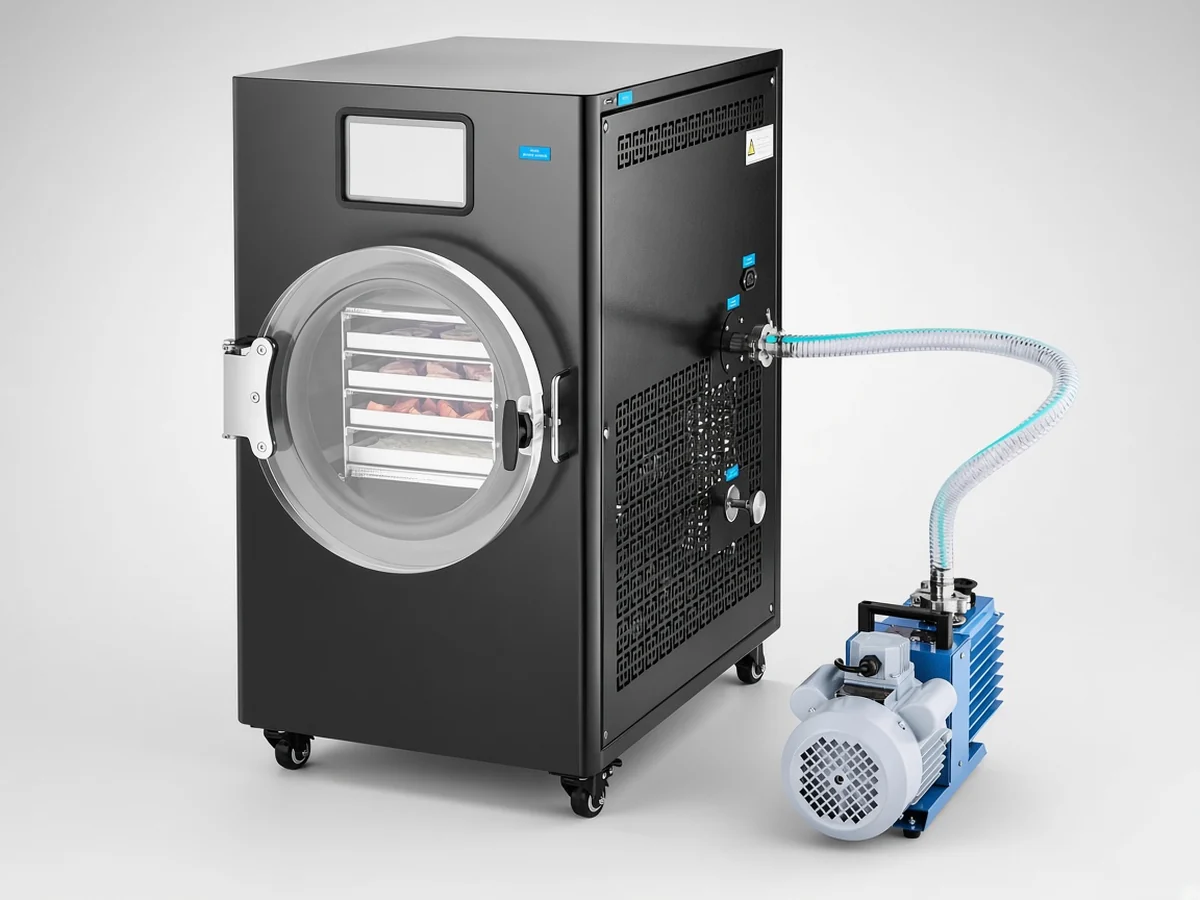
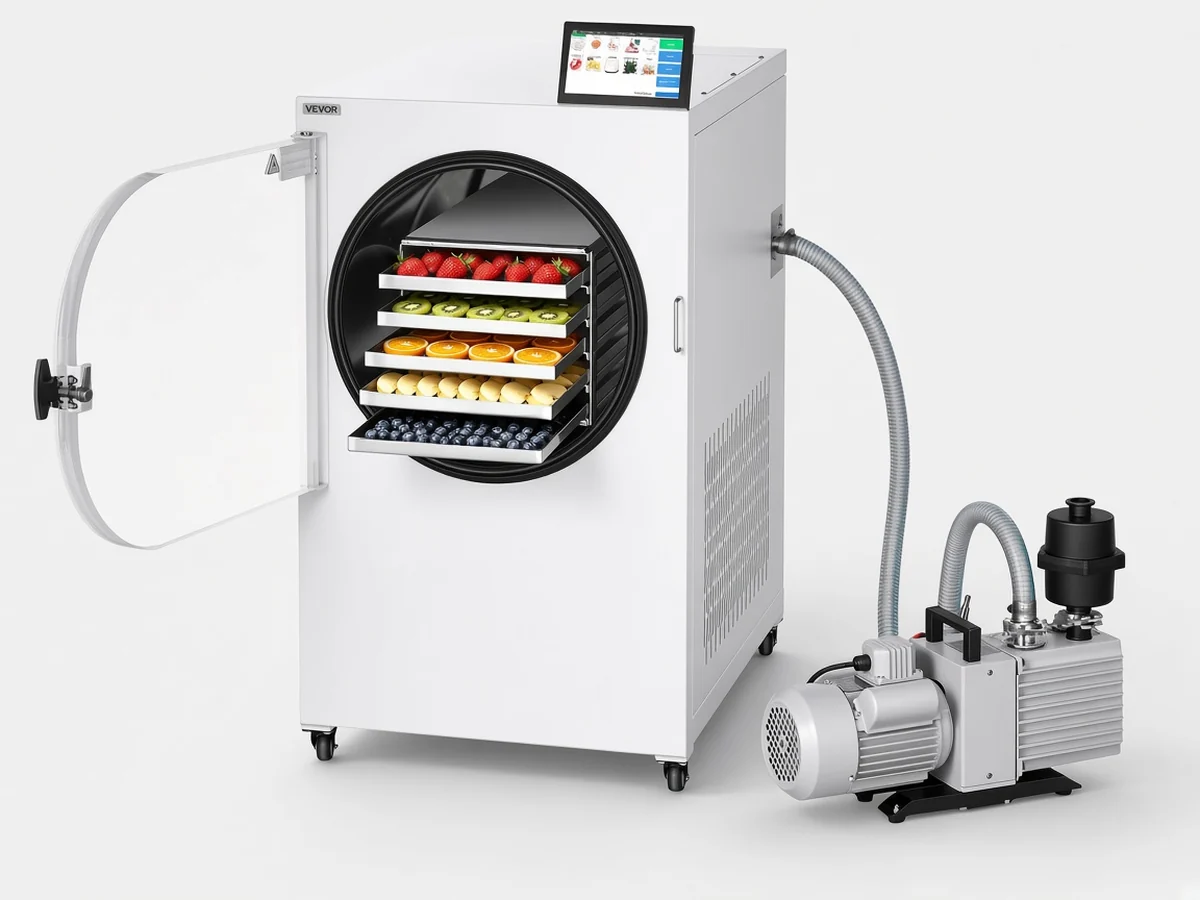
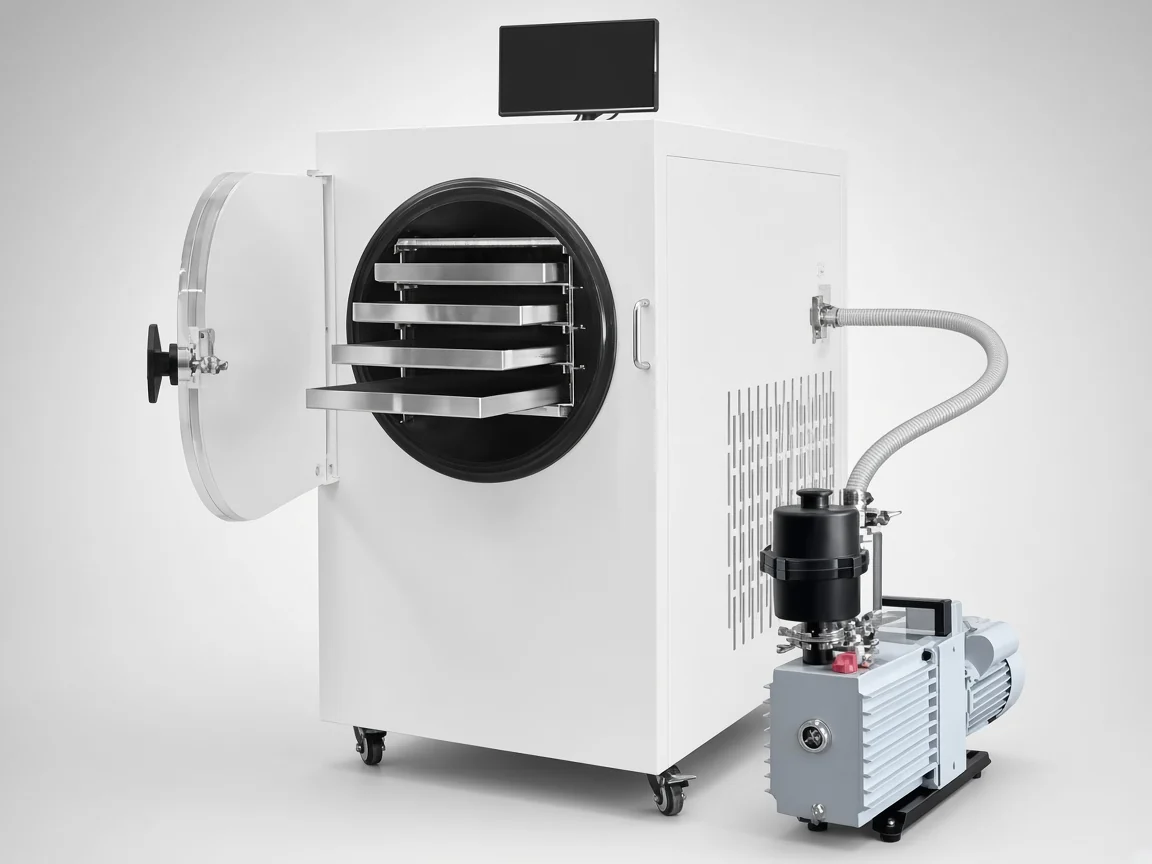
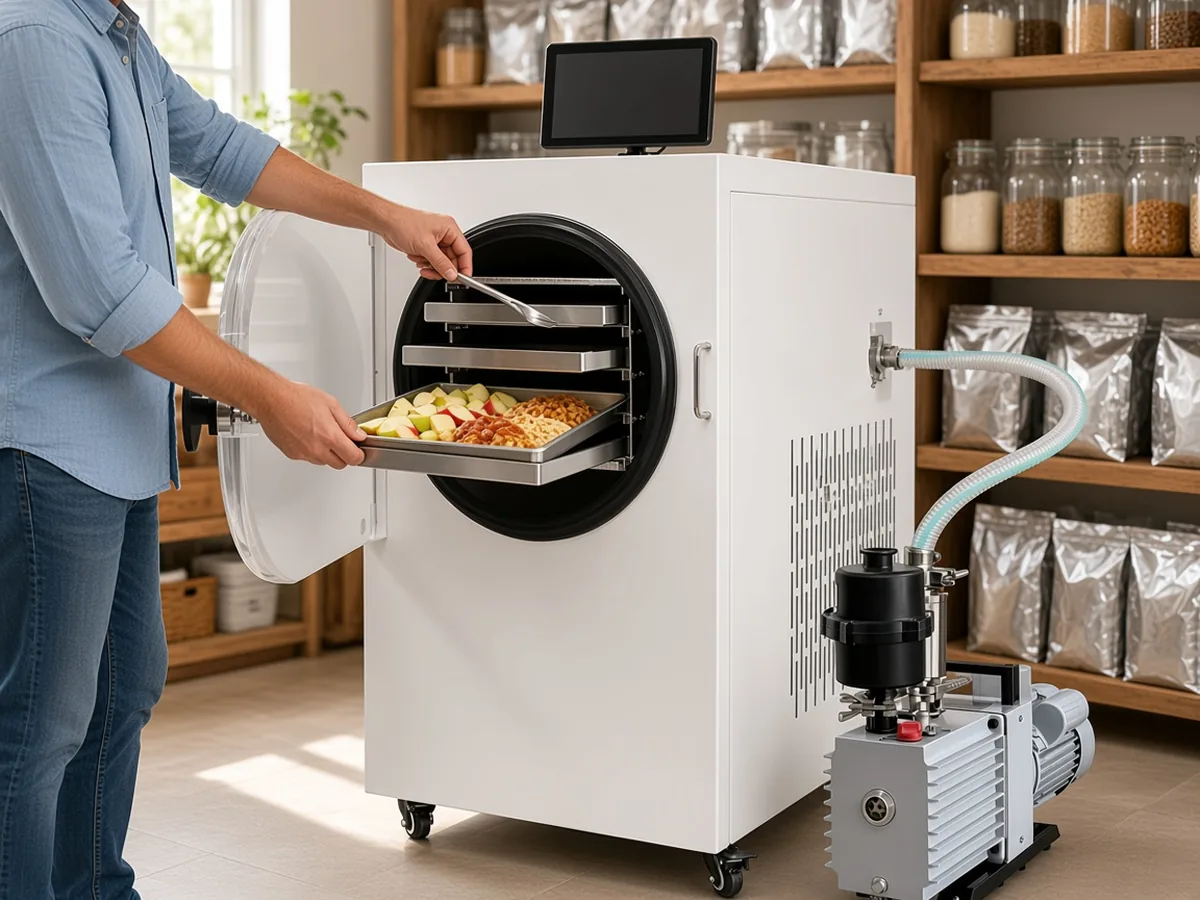
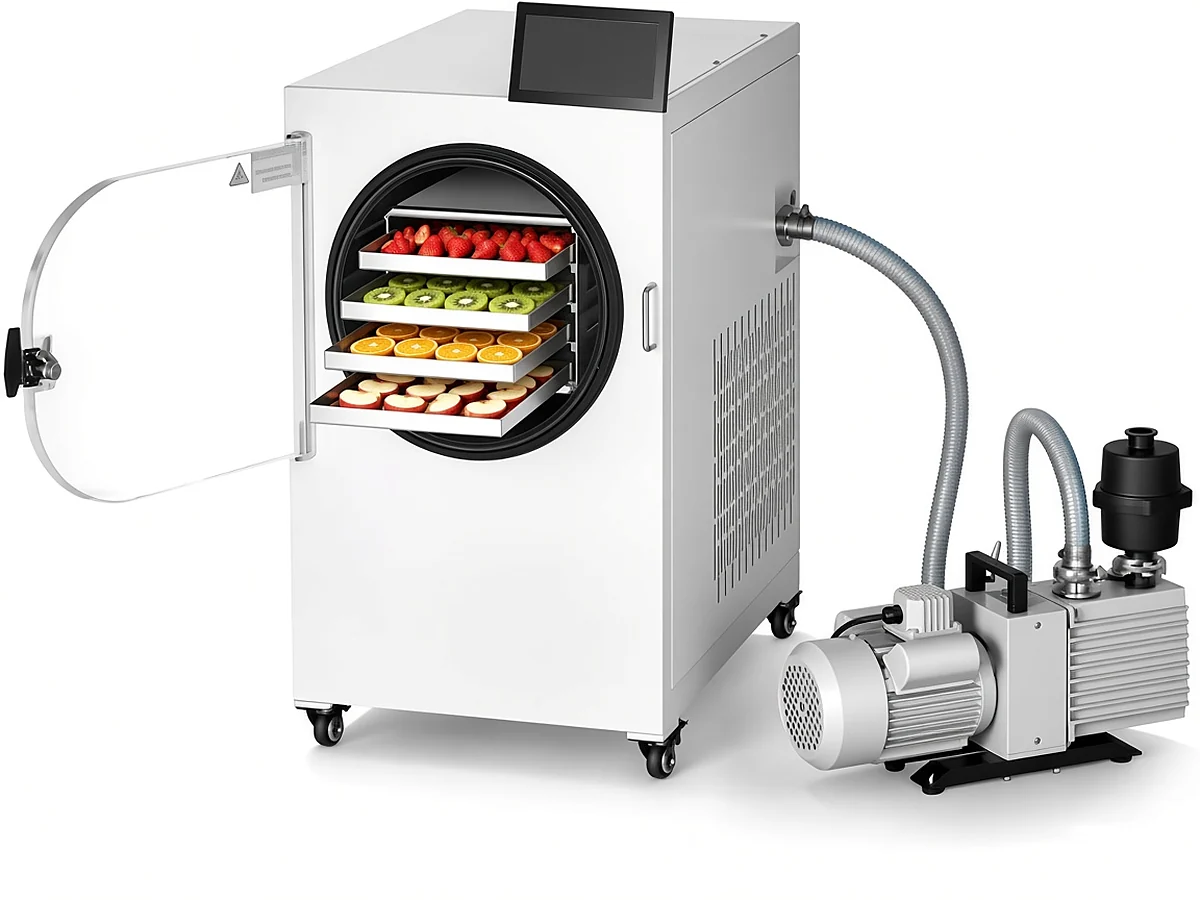
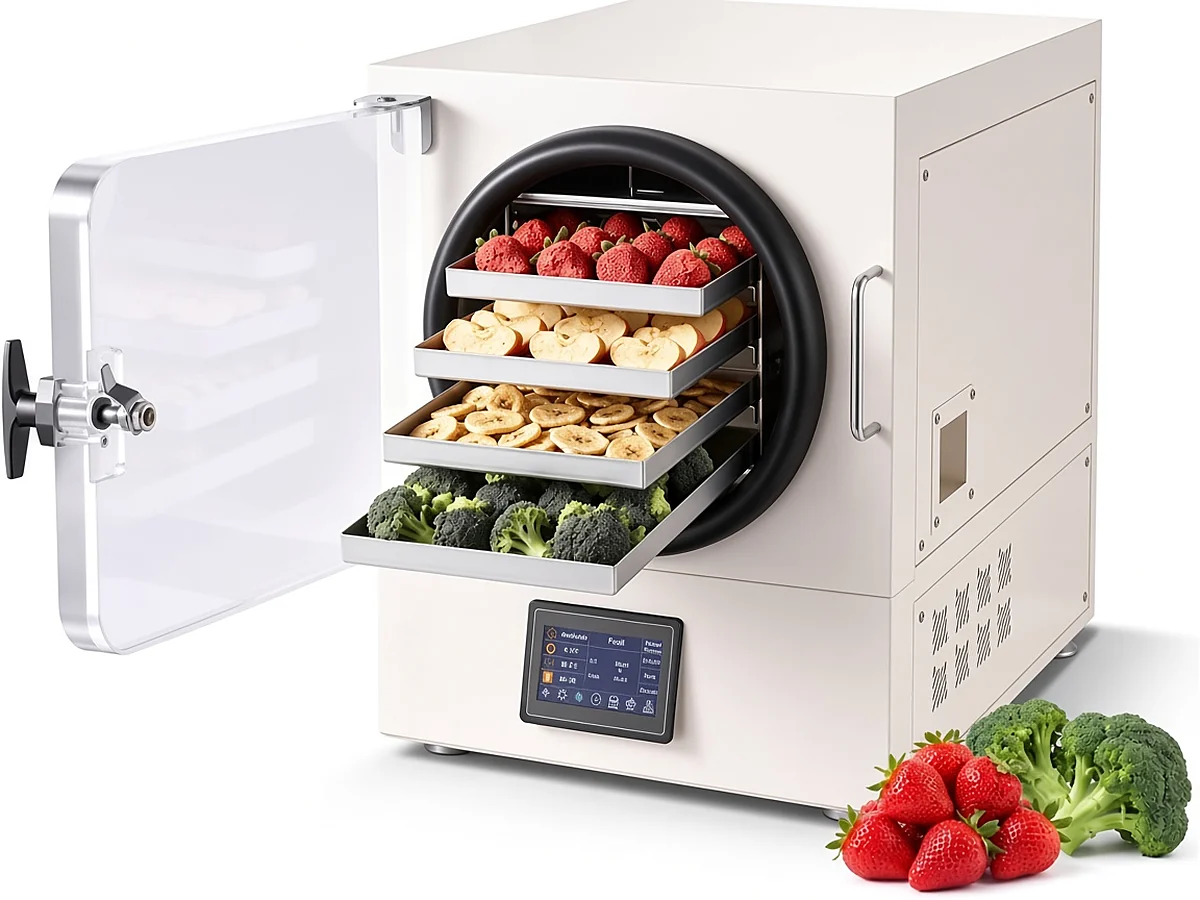
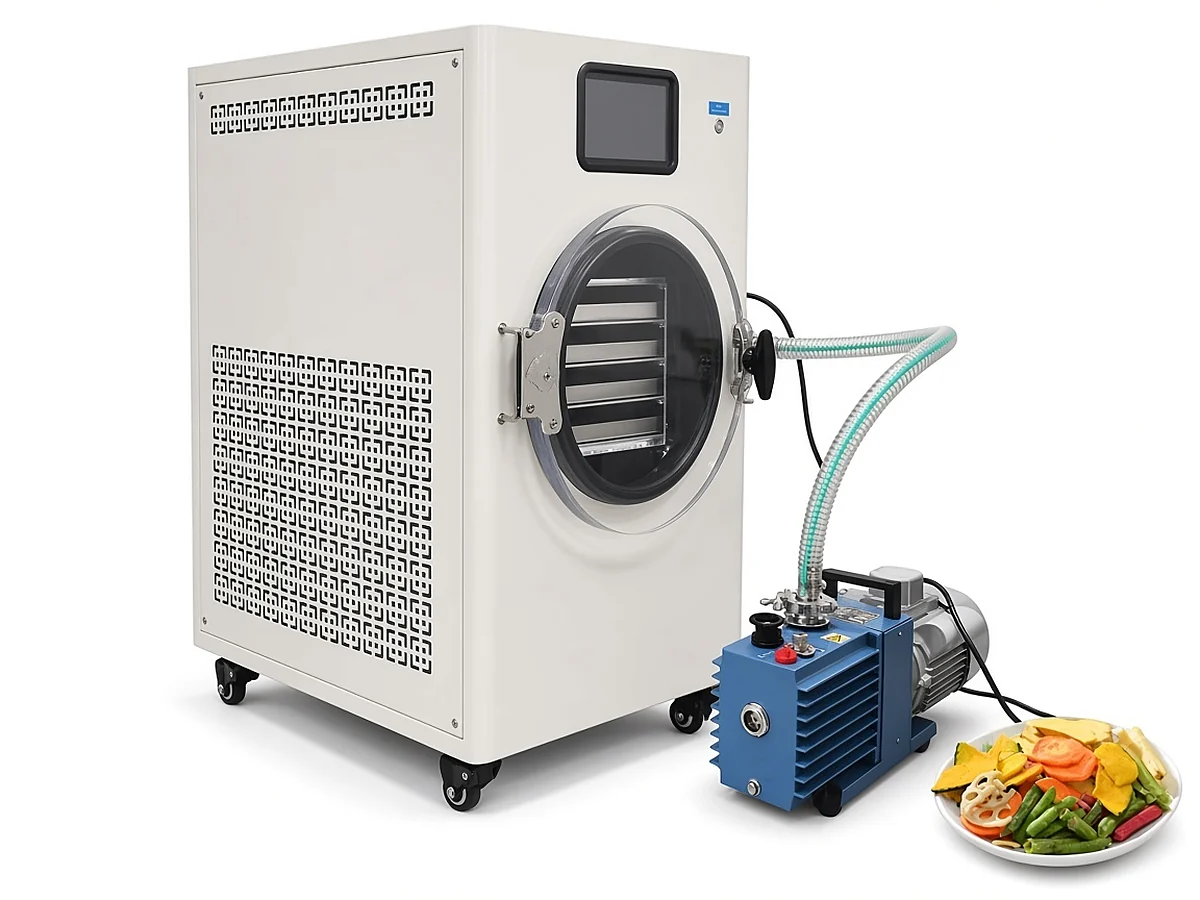
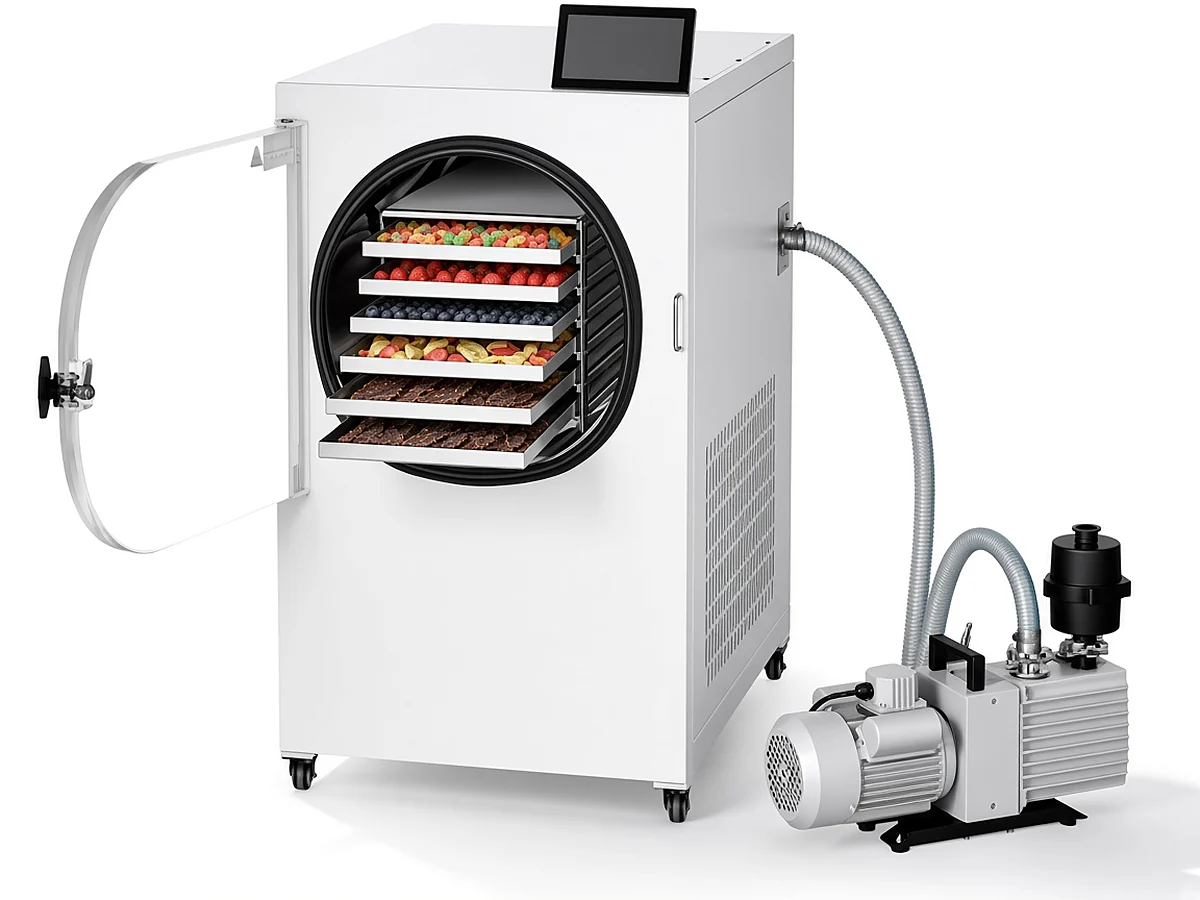
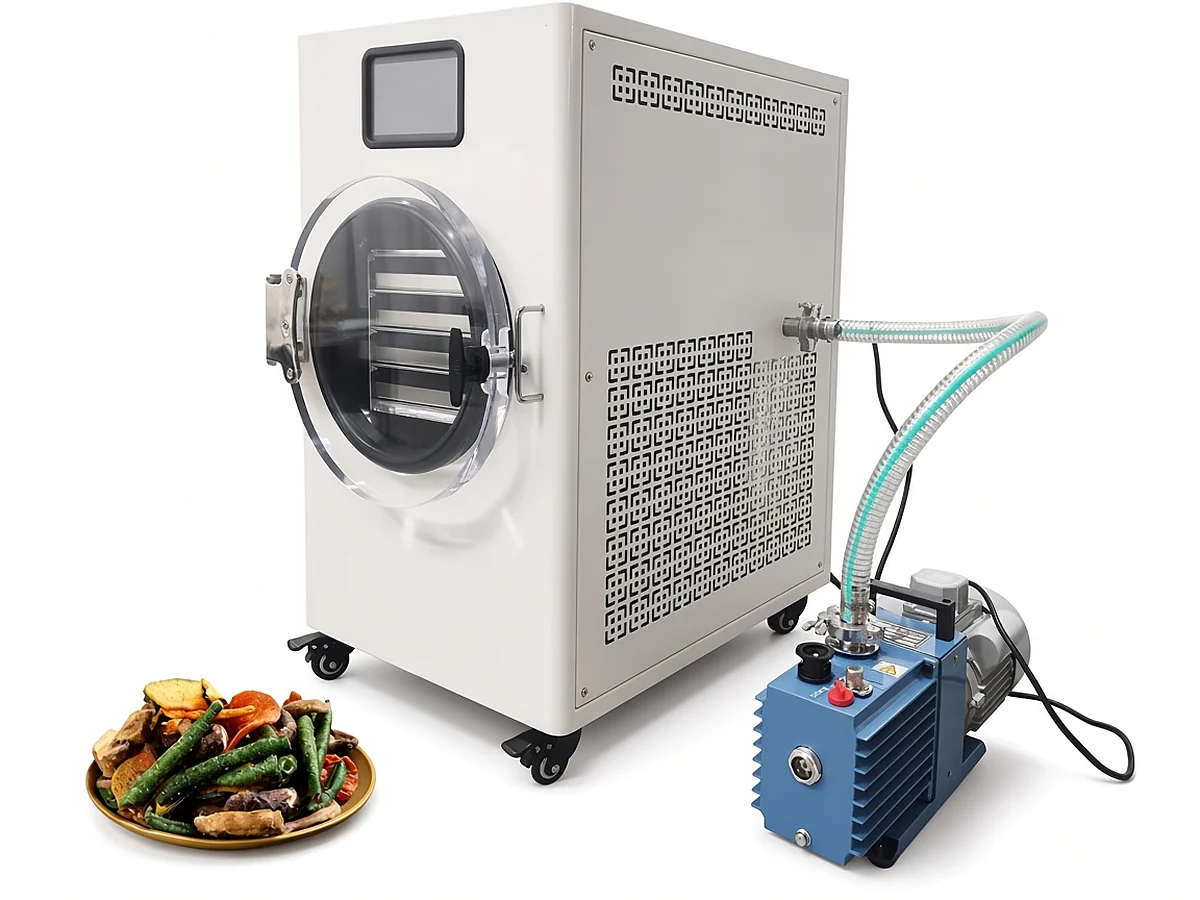
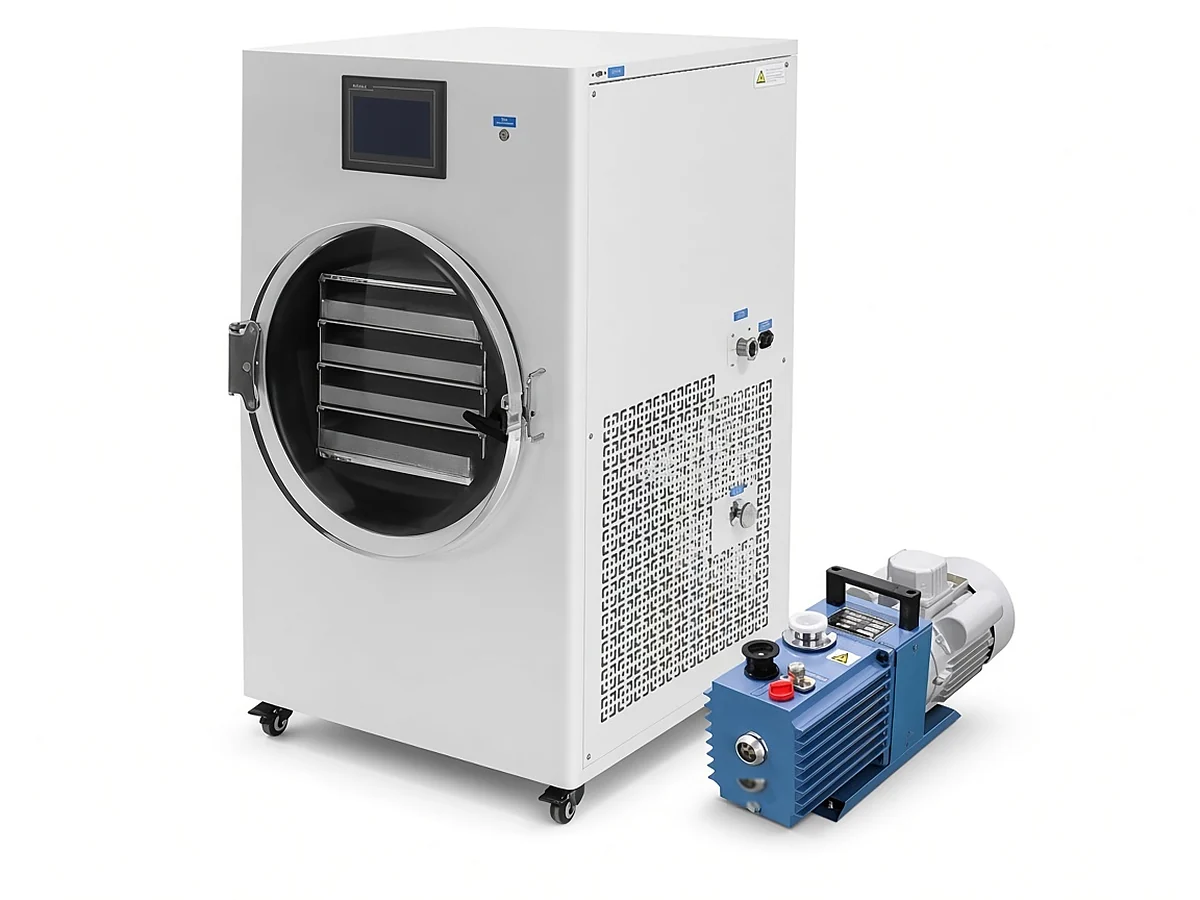
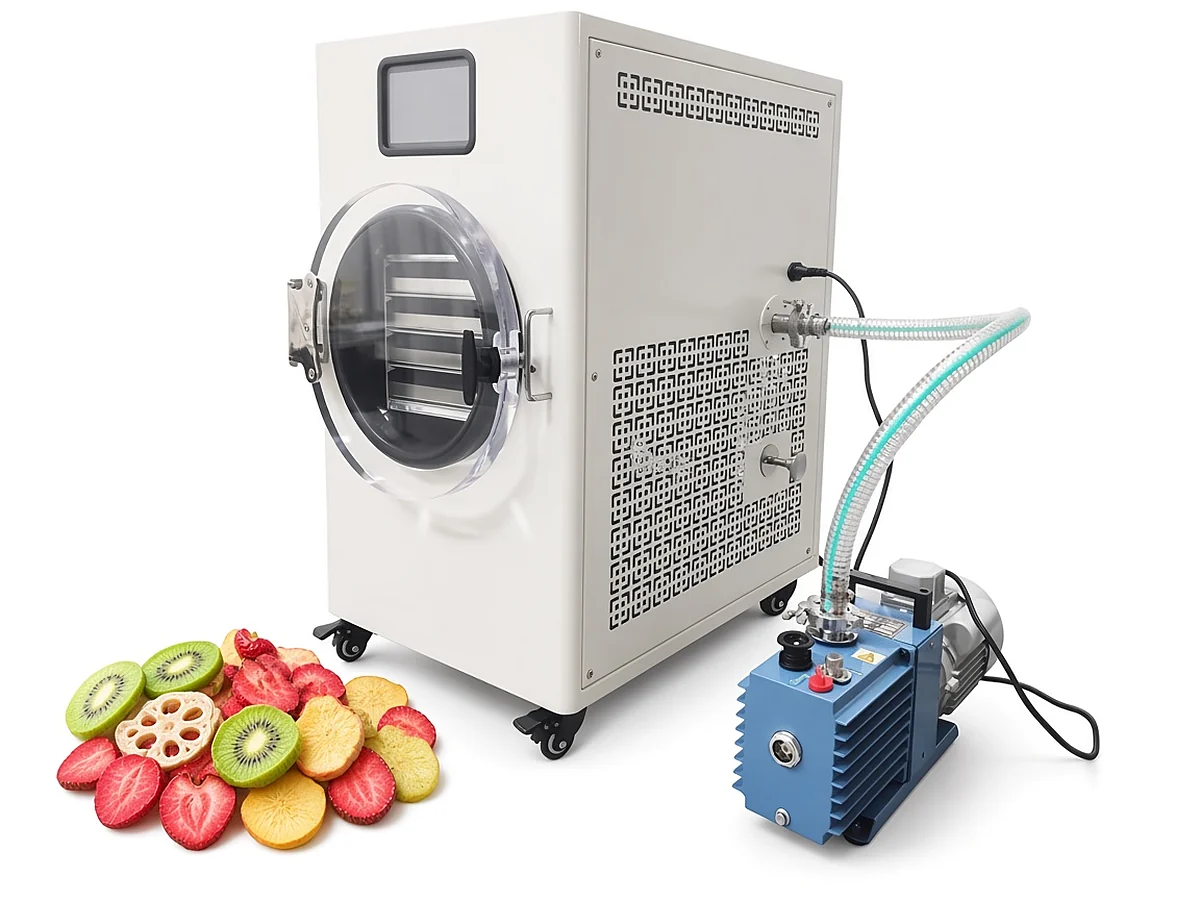
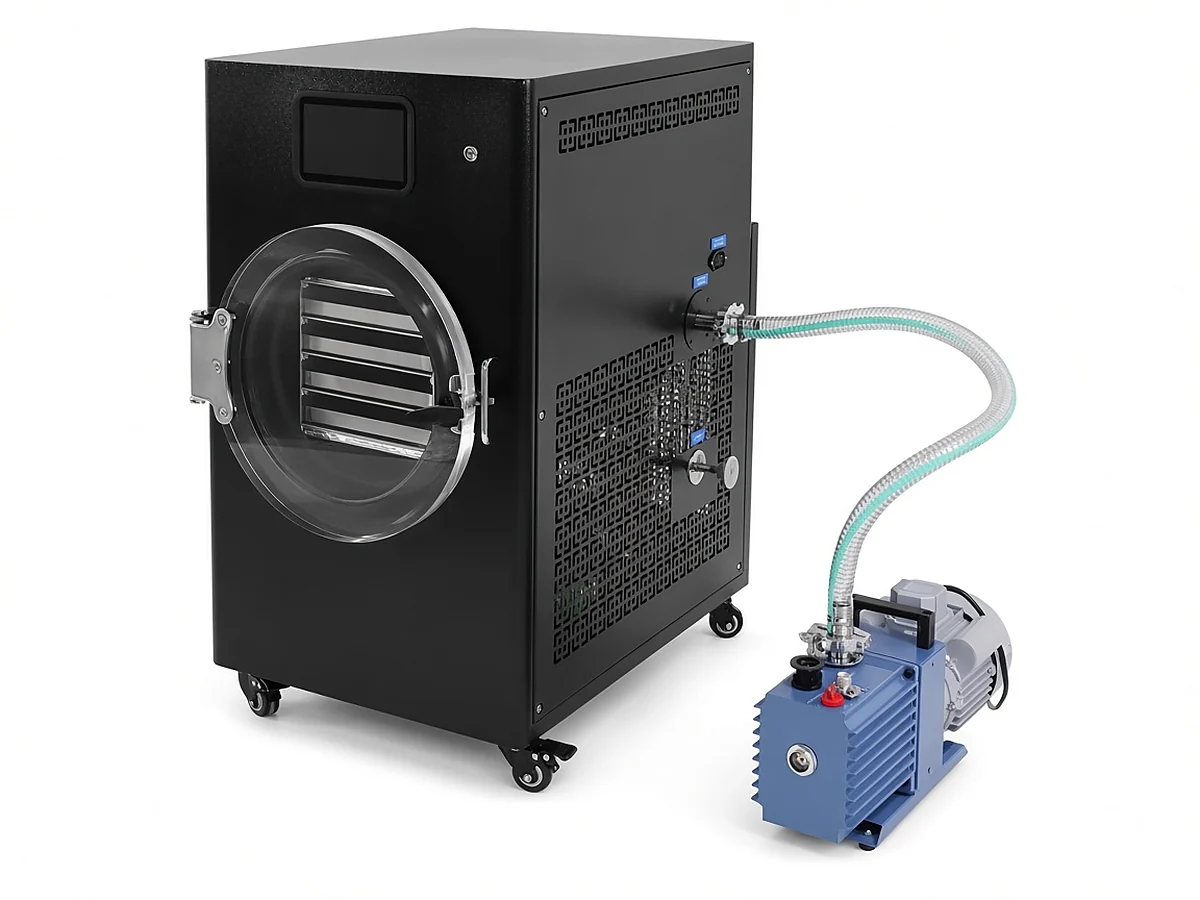
Freeze Drying Basics · Freeze Dryers, Blue Alpine, VEVOR, HNZXIB
Updated 4 November 2026
Quick answer: a freeze dryer's listed batch weight is a best case. What limits a real load is how much ice the cold trap can collect before it is full. Fresh fruit and vegetables are mostly water, so for wet foods plan near the low end of a machine's batch range, or use its published ice capacity if there is one.
Listings for home freeze dryers lead with pounds per batch. Those numbers are easy to compare and easy to misread. This guide explains the two figures that matter and what the machines we cover actually publish.
Batch weight vs ice capacity
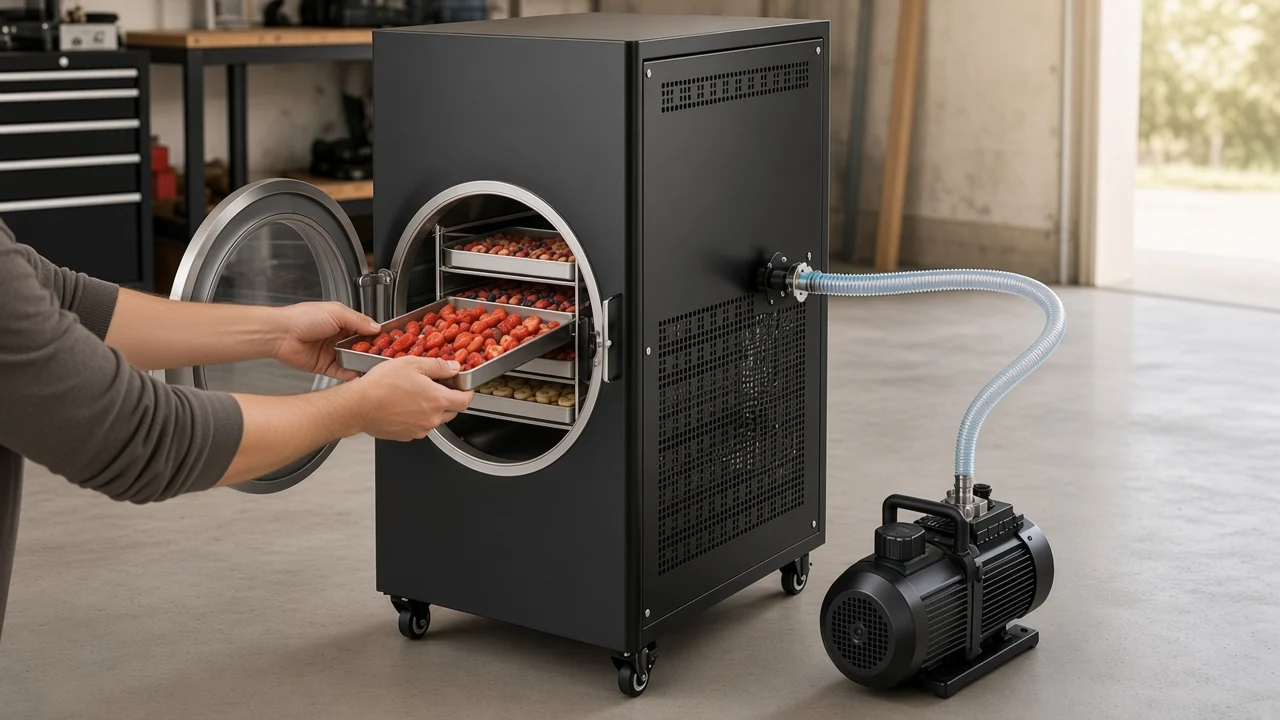
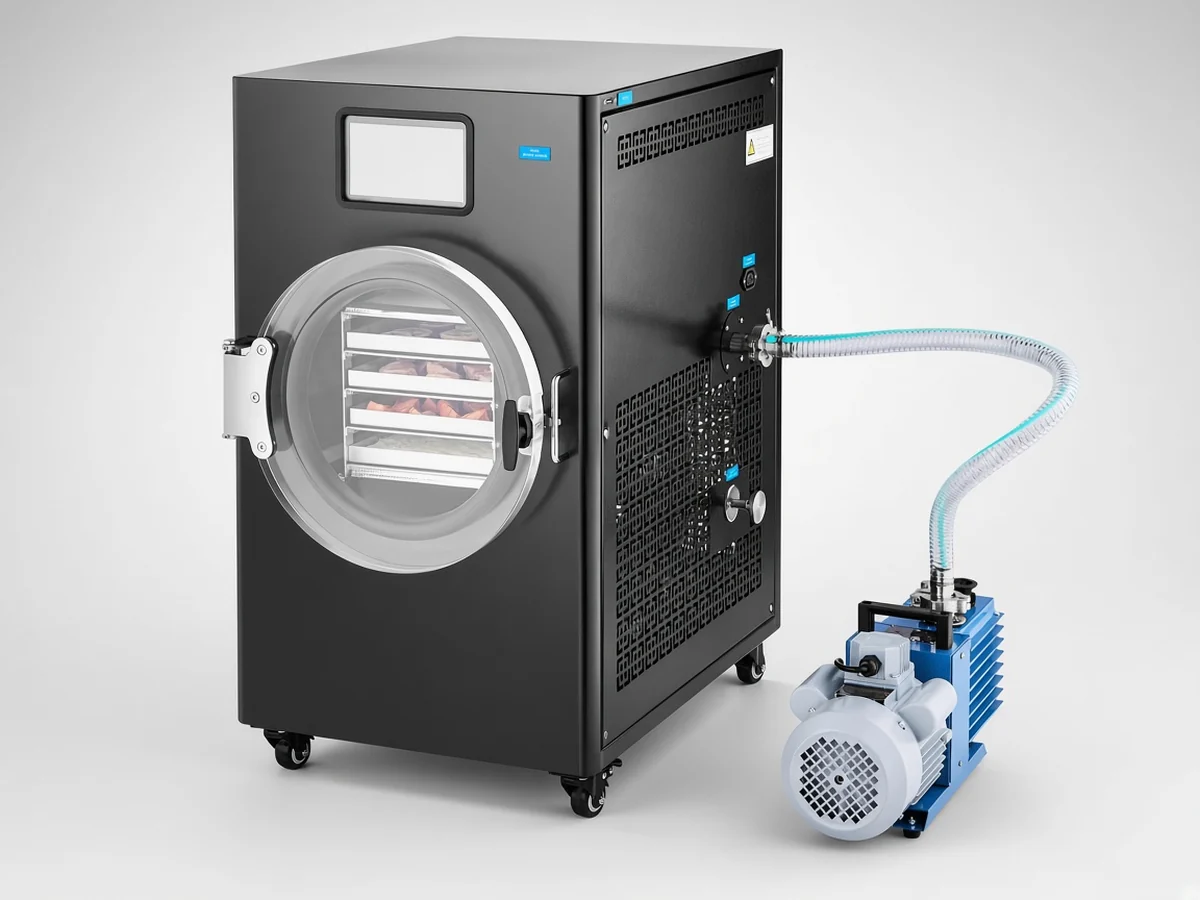
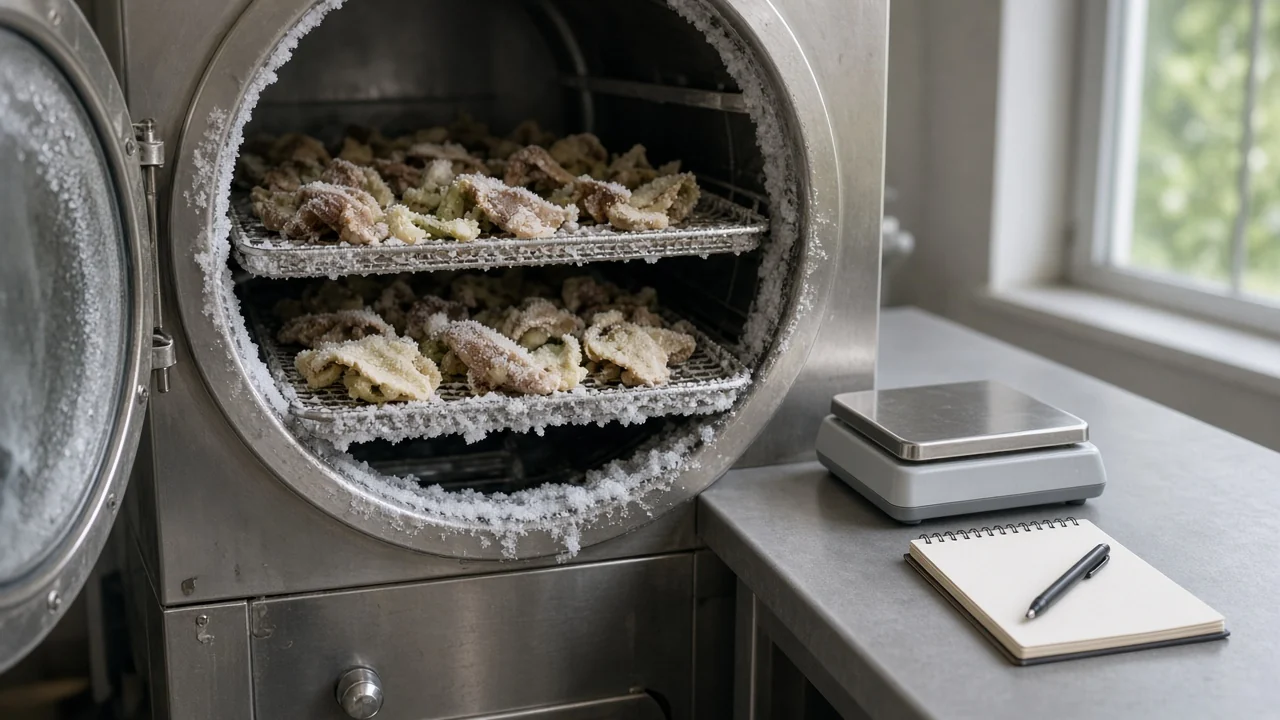
During a cycle, the water in your food freezes onto the cold trap (condenser) as ice. When the trap is full, it cannot collect more, however much tray space is left. That is why two machines with similar batch weights can handle very different amounts of fresh fruit. Cooked meals, rice and candy carry less water per pound, so they are less constrained.
What each machine publishes
Machine | Listed batch | Ice / water capacity | Practical note |
|---|---|---|---|
Up to 15 lb; about 10 lb as a normal 24-hour cycle | About 5.4 L per 24 h; 8.5 L in total (manual) | The manual suggests keeping very wet loads to about 8 lb | |
8.8–13.2 lb | 4 kg (manual) | Plan near 8.8 lb for wet produce | |
17.6–26.5 lb | Not given on the listing | Treat the top figure as optimistic for produce | |
10–15 lb (title) or 6.6–11 lb (spec table) | 4–5 kg per 24 h (listing); no total given | Ask the seller which figure applies |
Figures come from manuals, maker pages and Amazon US listings, checked on 30 October 2026.
How to size a load for your machine
Start from the ice figure if there is one. The Blue Alpine Medium Select and the VEVOR HFD-4 both publish one; use it as the ceiling for wet foods.
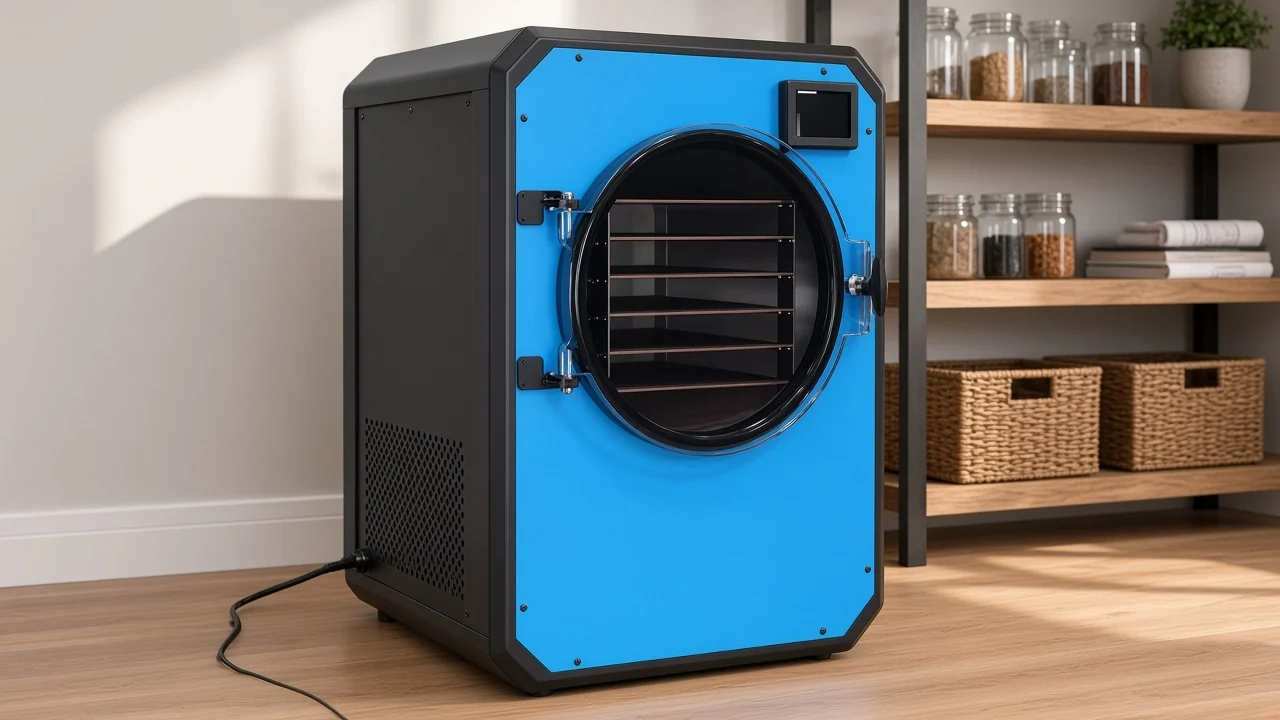
Weigh your trays. Weigh each loaded tray before the run and again at the end. Over a few batches you learn what your machine really handles.
Spread food thin. Thin, even layers dry faster and more completely than a heaped tray of the same weight.
Expect longer runs for fuller loads. Our guide to how long freeze drying takes explains why.
When the listing contradicts itself
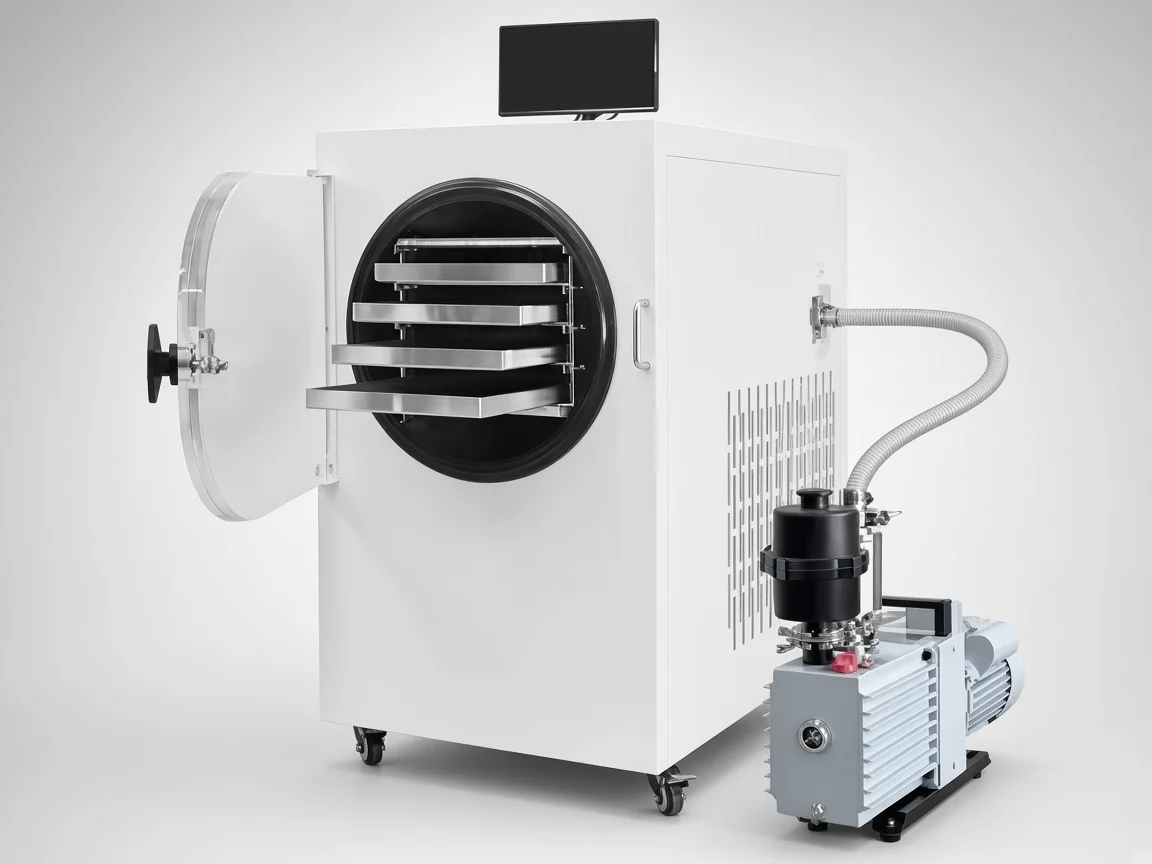
The HNZXIB FD-05H listing gives two batch figures on the same page, and only a 24-hour water-collection rate (4–5 kg) rather than a total ice capacity. That doesn't prove either number wrong, but it means the listing alone won't tell you how much food the machine handles. Ask the seller which figure applies to the unit being shipped. Our VEVOR vs HNZXIB comparison covers this in detail.
The bottom line
Compare ice capacity first and batch weight second. Among the machines we cover, the Blue Alpine Medium Select publishes the most complete picture, which is one reason it is our Best Overall in the best home freeze dryers roundup.
Amazon listings for the products in this guide
Direct links to the Amazon listings for the products named or shown in this guide:
Frequently asked questions
What limits how much a freeze dryer can hold?
The cold trap’s ice capacity. Once it is full of ice, the batch cannot dry further, even if tray space remains.
Why are listed batch weights optimistic?
They are best-case figures. Wet foods such as fresh fruit carry more water per pound, so they fill the trap sooner.
Which machines publish an ice capacity?
The Blue Alpine Medium Select (8.5 L total) and the VEVOR HFD-4 (4 kg). The HNZXIB FD-05H listing gives only a 24-hour rate (4–5 kg), and the VEVOR SJ-08H listing gives no figure.