
How to Freeze Dry Strawberries at Home
Published 10/29/2026 · Updated 11/24/2026
Quick answer
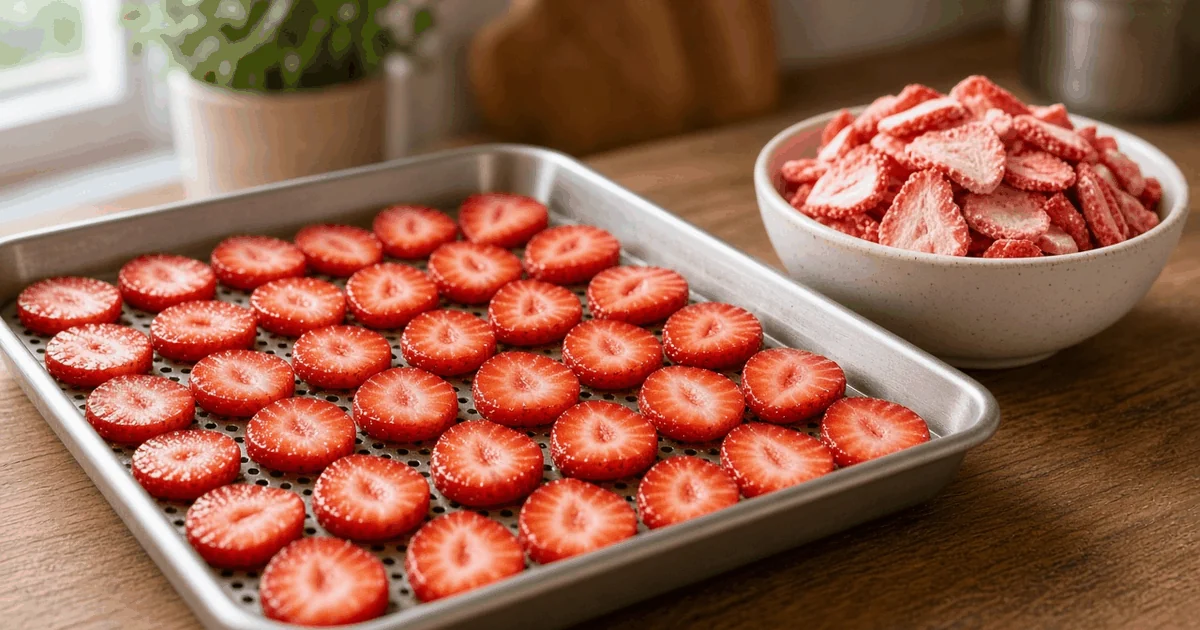
Freeze dry strawberries by washing without soaking, slicing about 1/4 inch thick, spreading a single layer on lined trays, and pre-freezing if your manual calls for it. Run the cycle, break the thickest slice to confirm it is dry all the way through, then seal in Mylar with an oxygen absorber.
Products mentioned in this guide
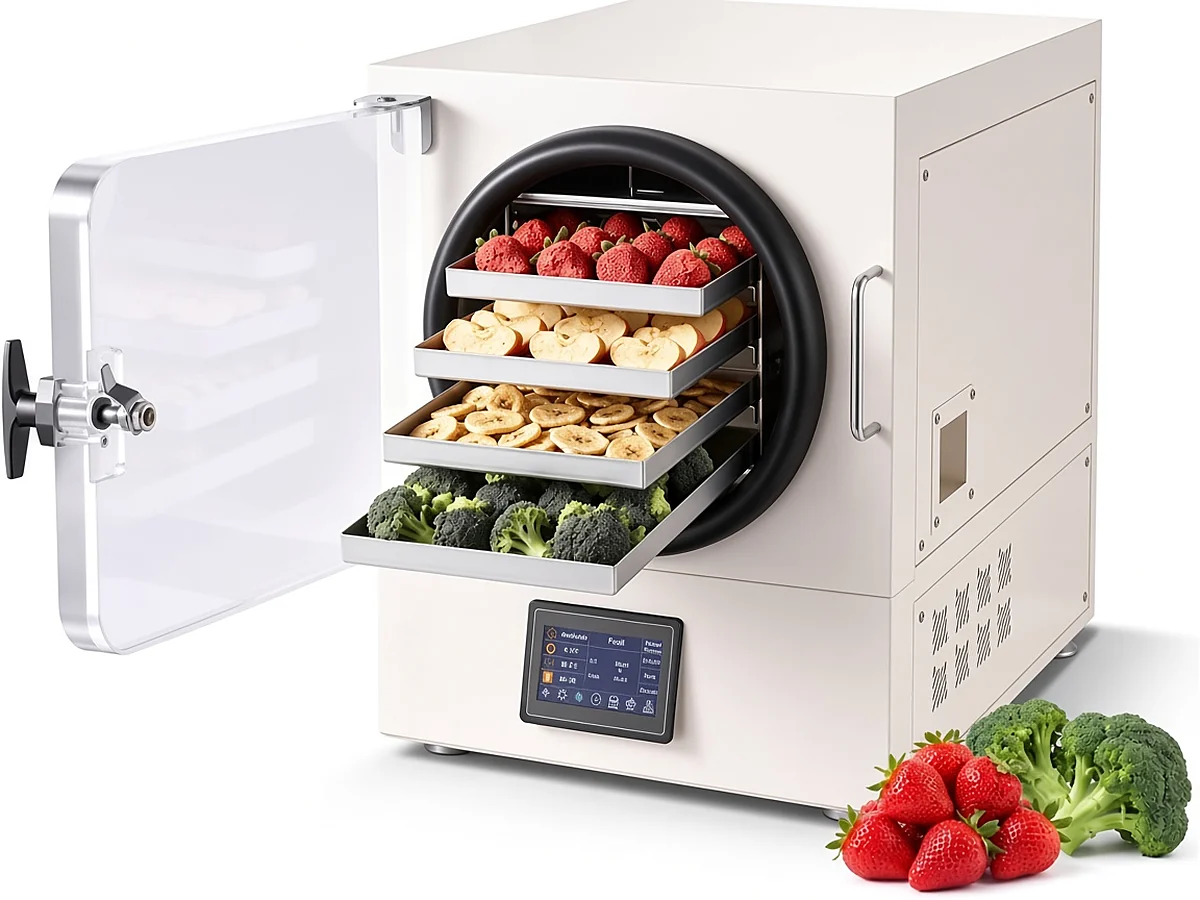
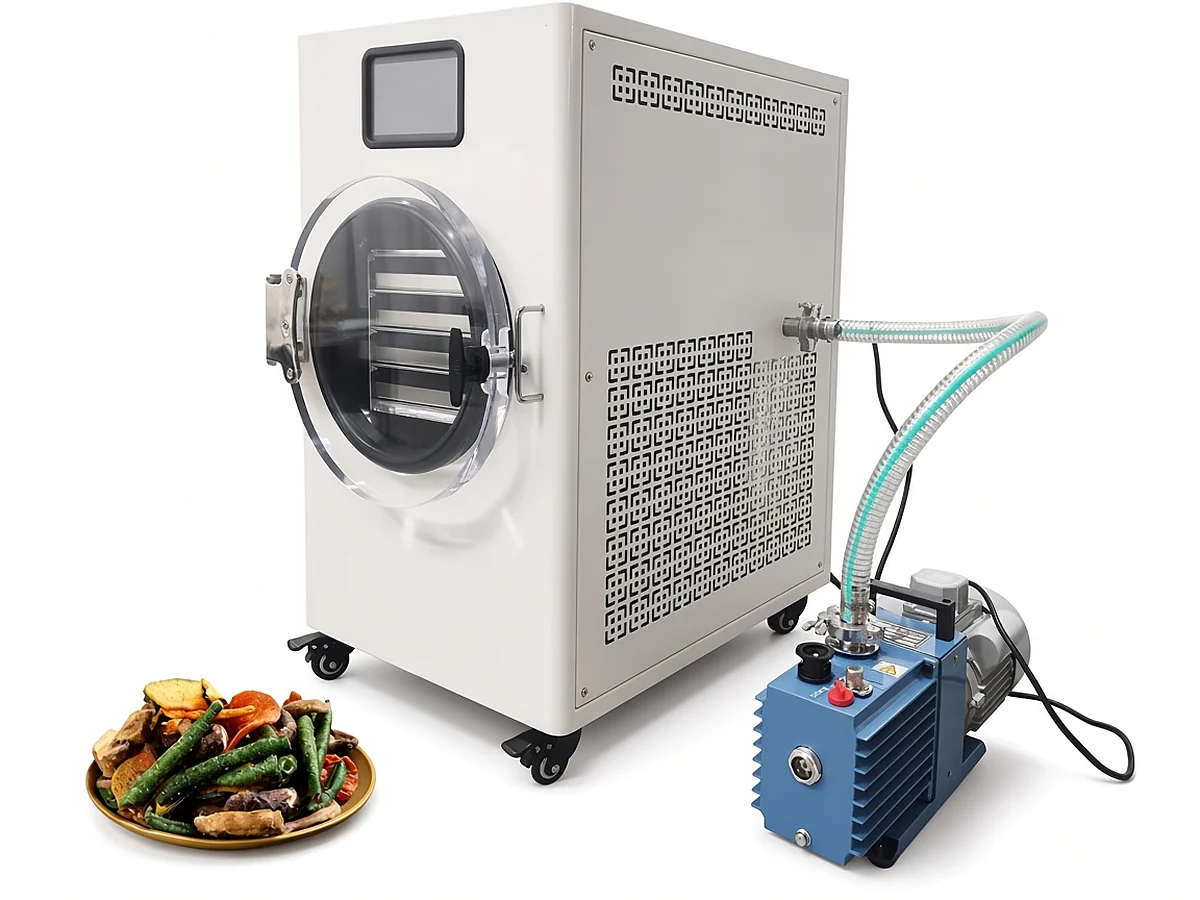
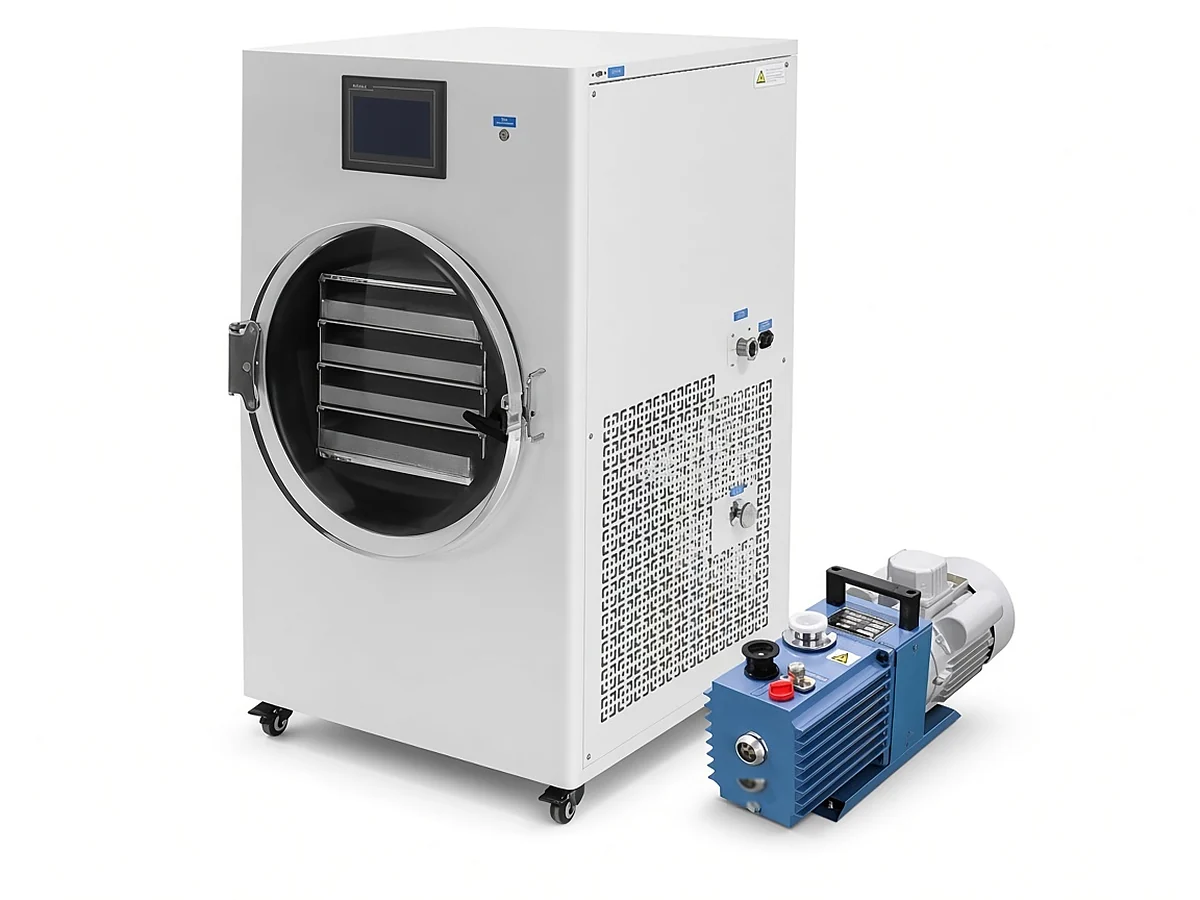
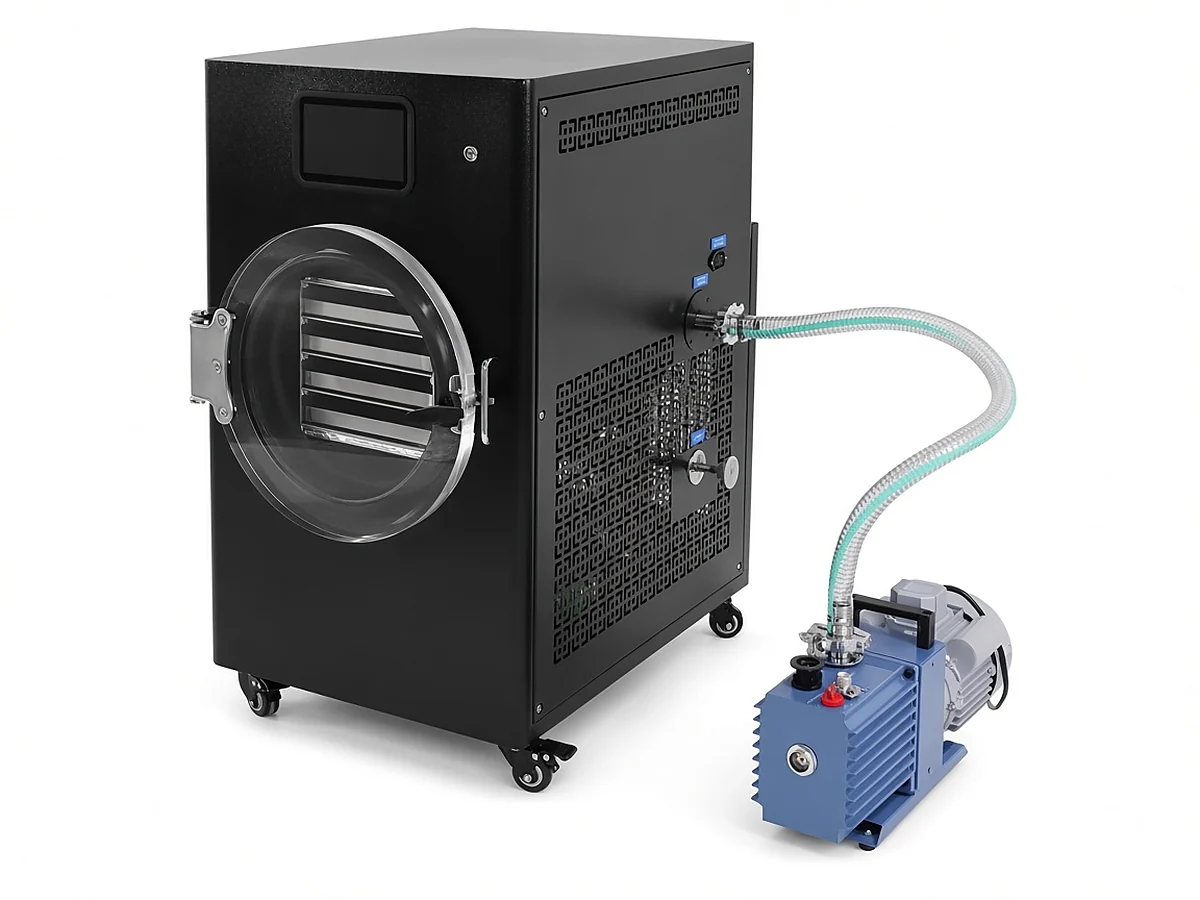
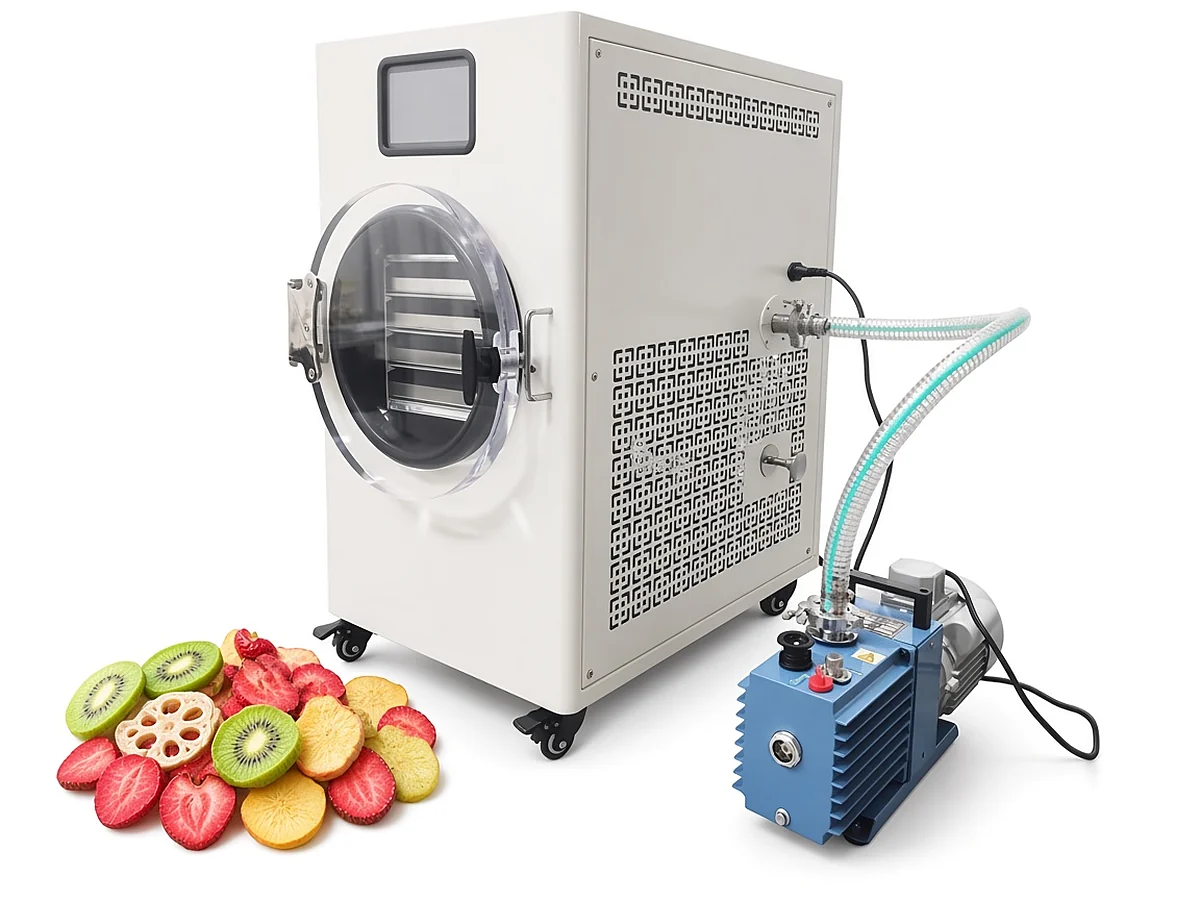
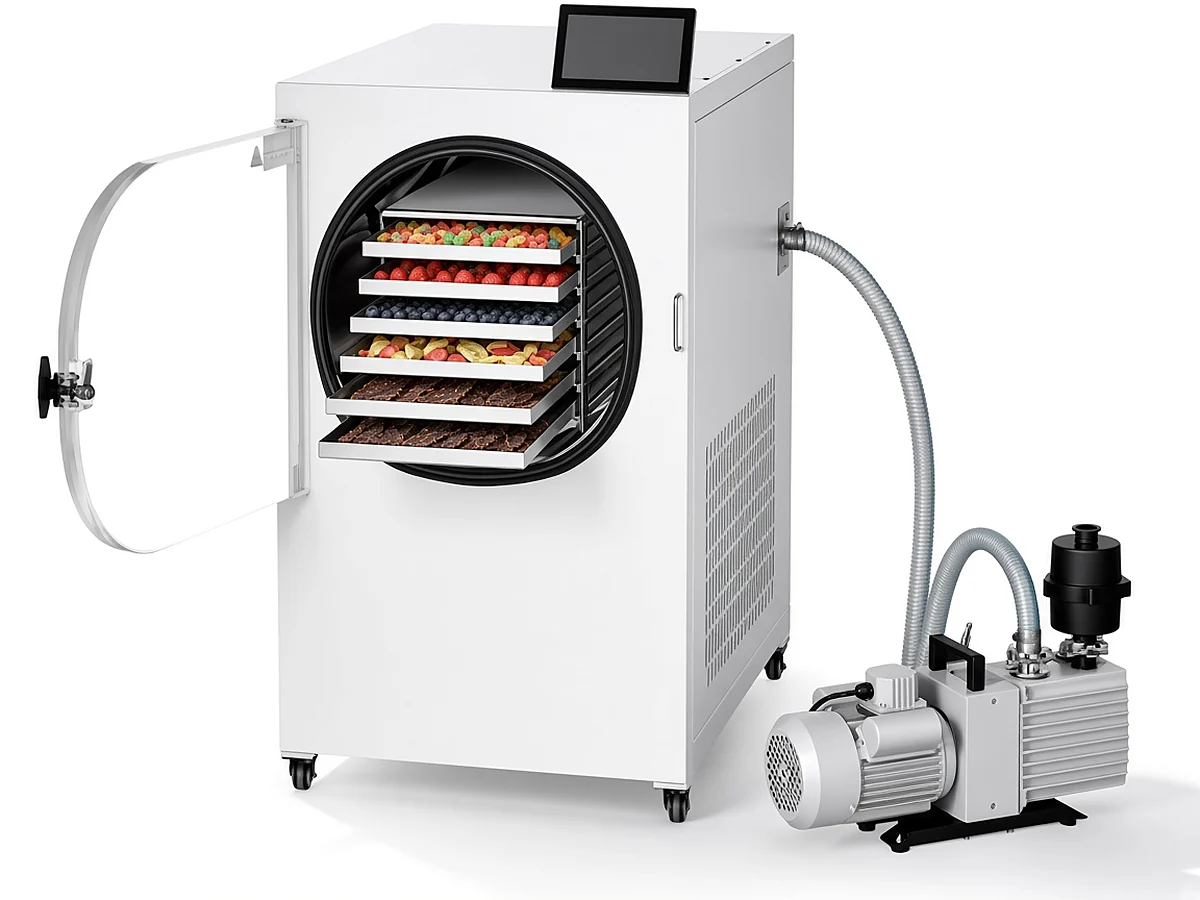
How-To · Freeze Dryers, Fruit, Mylar Bags
Updated 30 October 2026
To freeze dry strawberries, rinse and hull firm, ripe berries, slice them evenly about 1/4 inch thick, lay the slices in a single layer on lined trays (pre-frozen if you have the freezer space), run a full cycle, and check that the thickest slice snaps cleanly with no cool or dark centre. Then seal them straight away in Mylar with an oxygen absorber.
Strawberries are one of the easiest fruits to get right, which is why so many owners start with them. They are also slower than people expect. Freeze dryer makers single them out: Harvest Right's owner's manual lists strawberries among the foods that take longer to dry because of their cell structure, sugar and moisture.
Most failed batches come down to one thing. If your slices aren't the same thickness, the thickest one decides when the whole tray is done.
The steps below work on any home freeze dryer. Your manual still has the final say on settings and tray loads.
What you need before you start
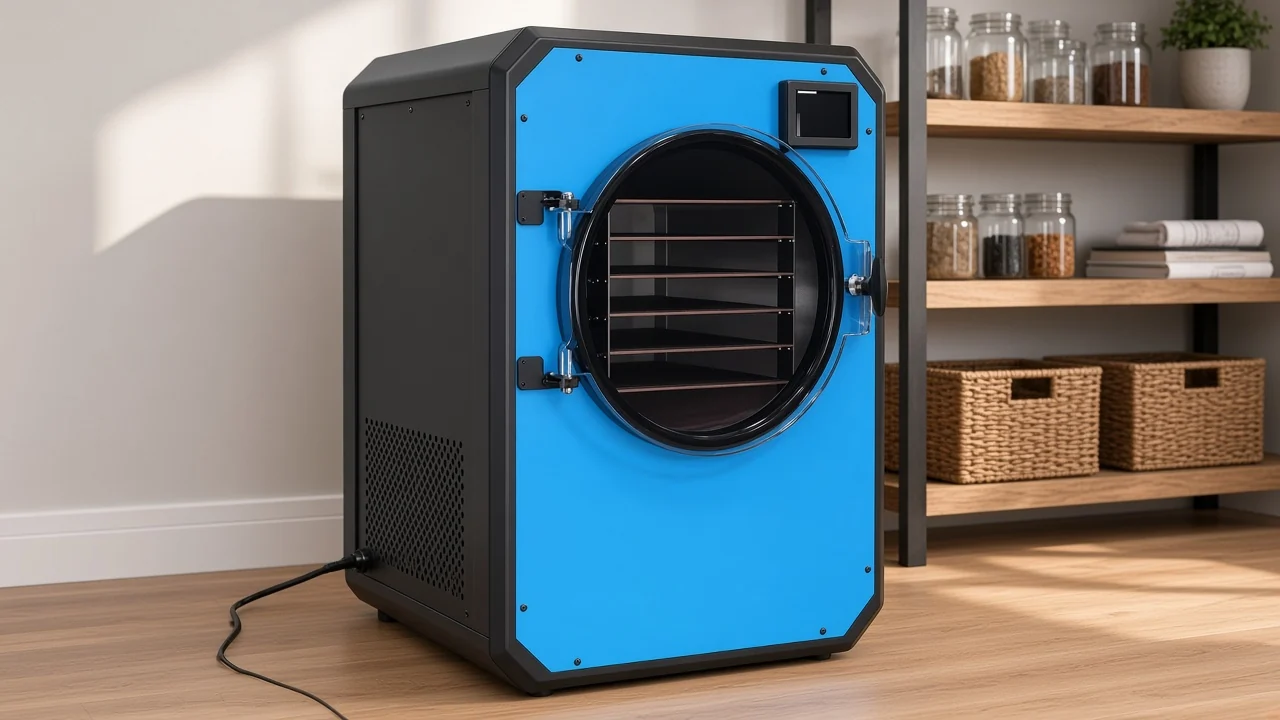
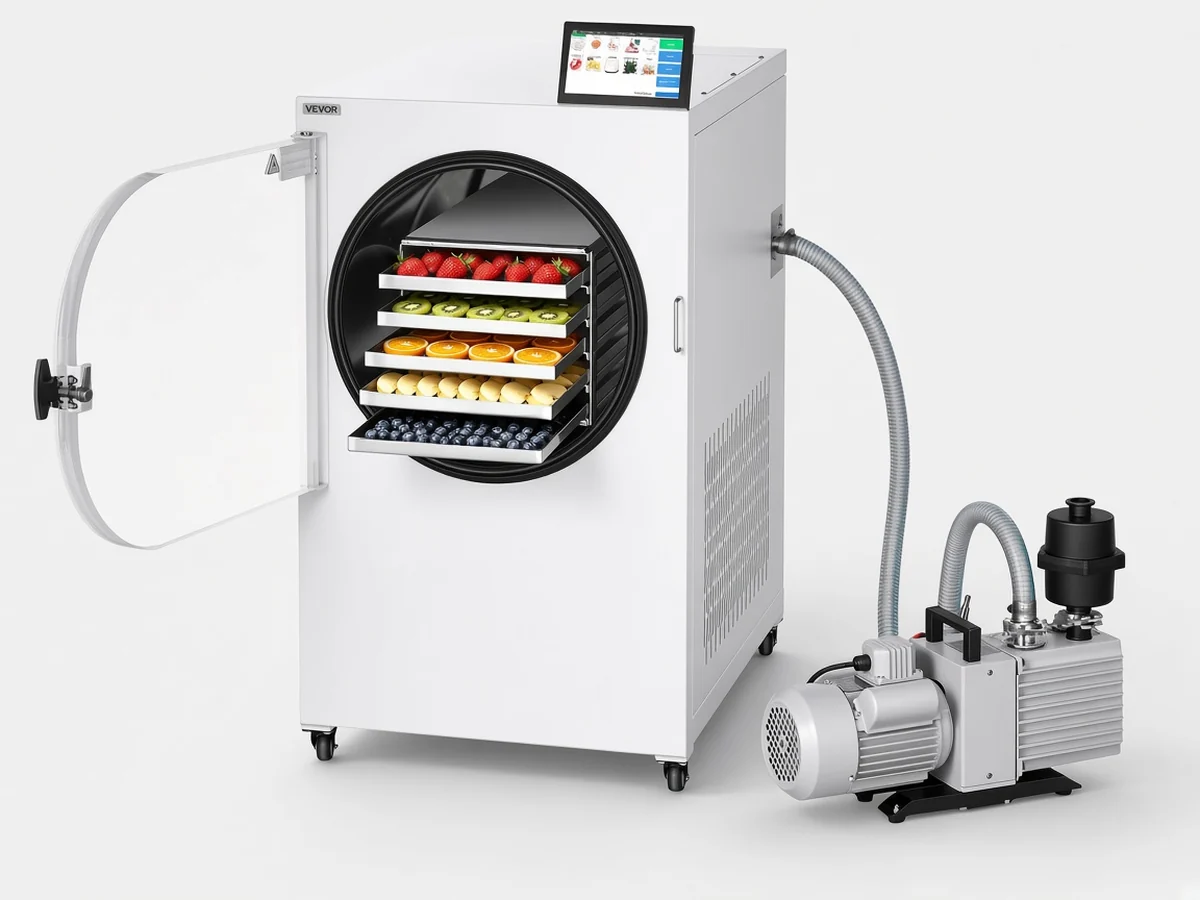
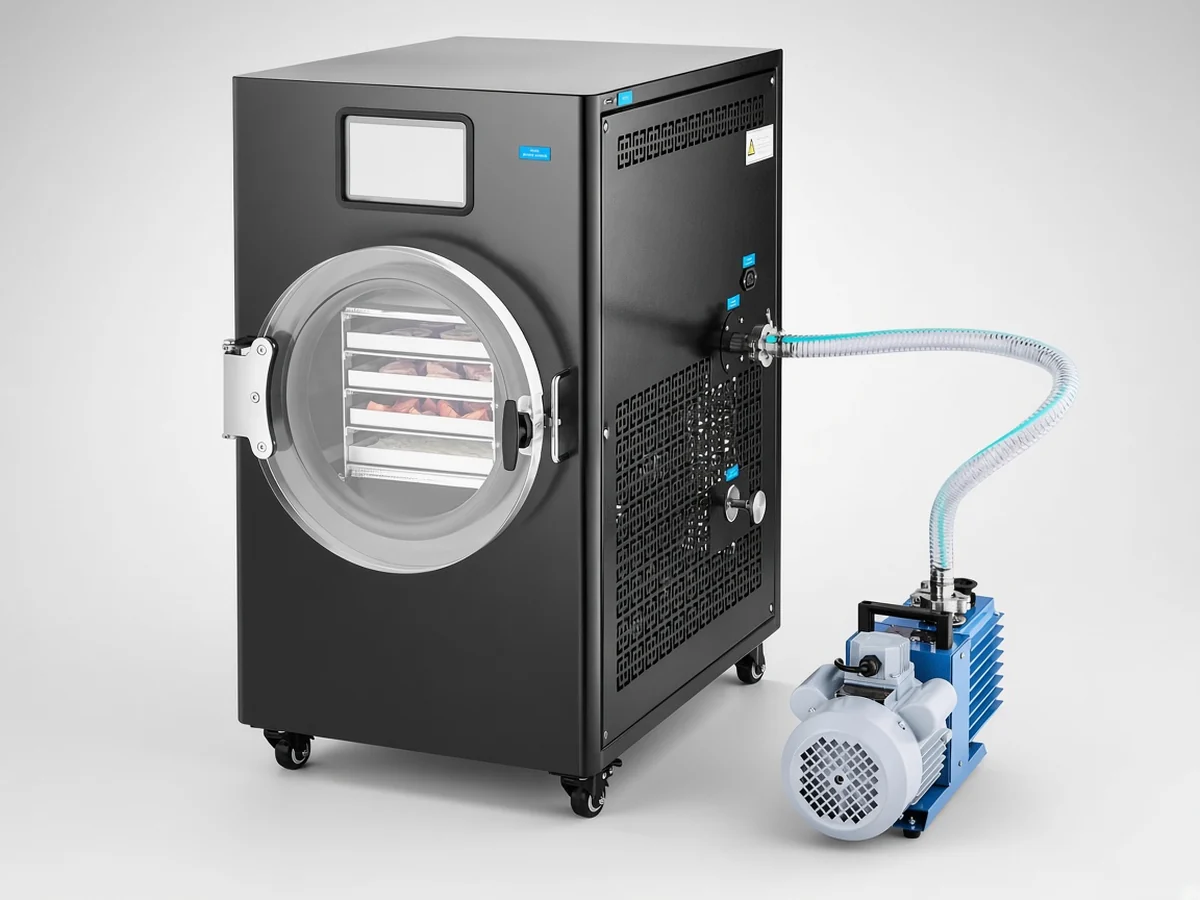
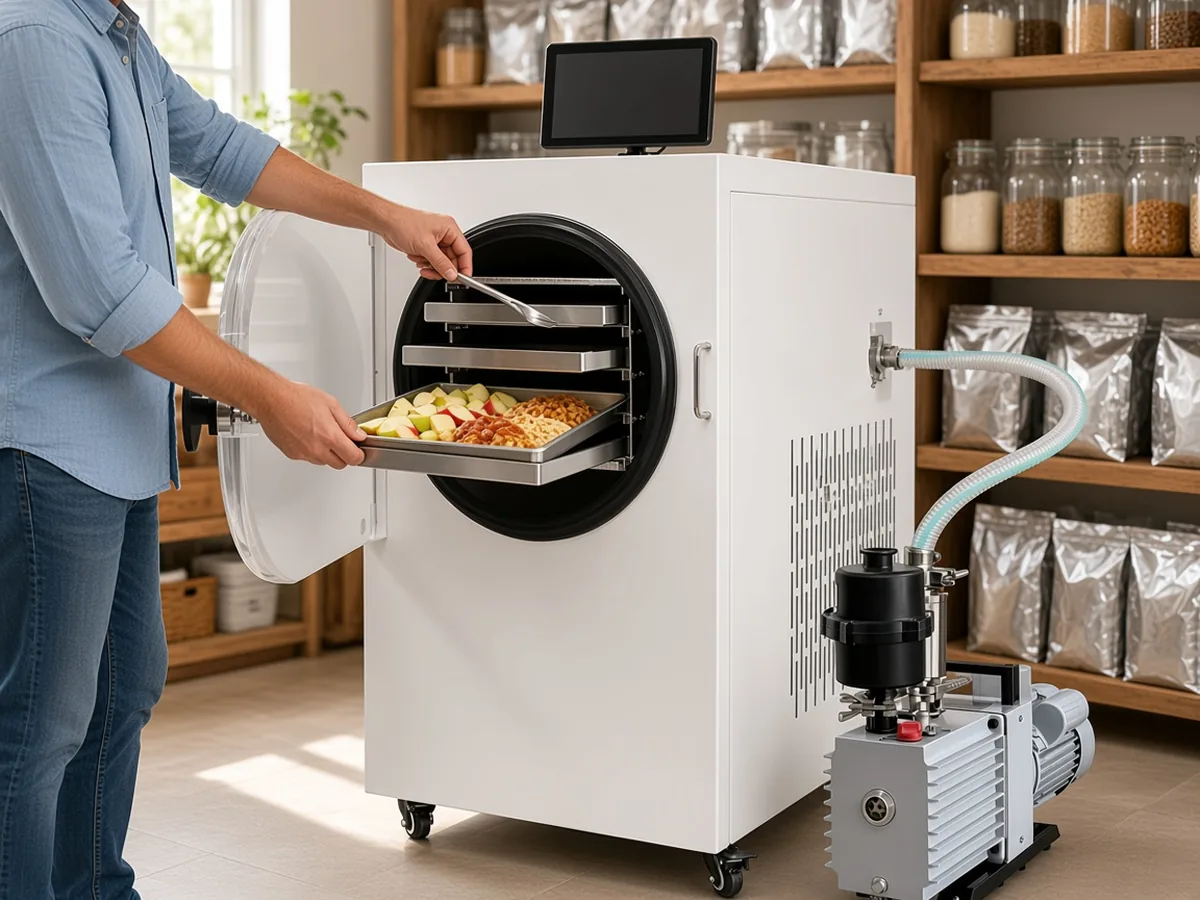
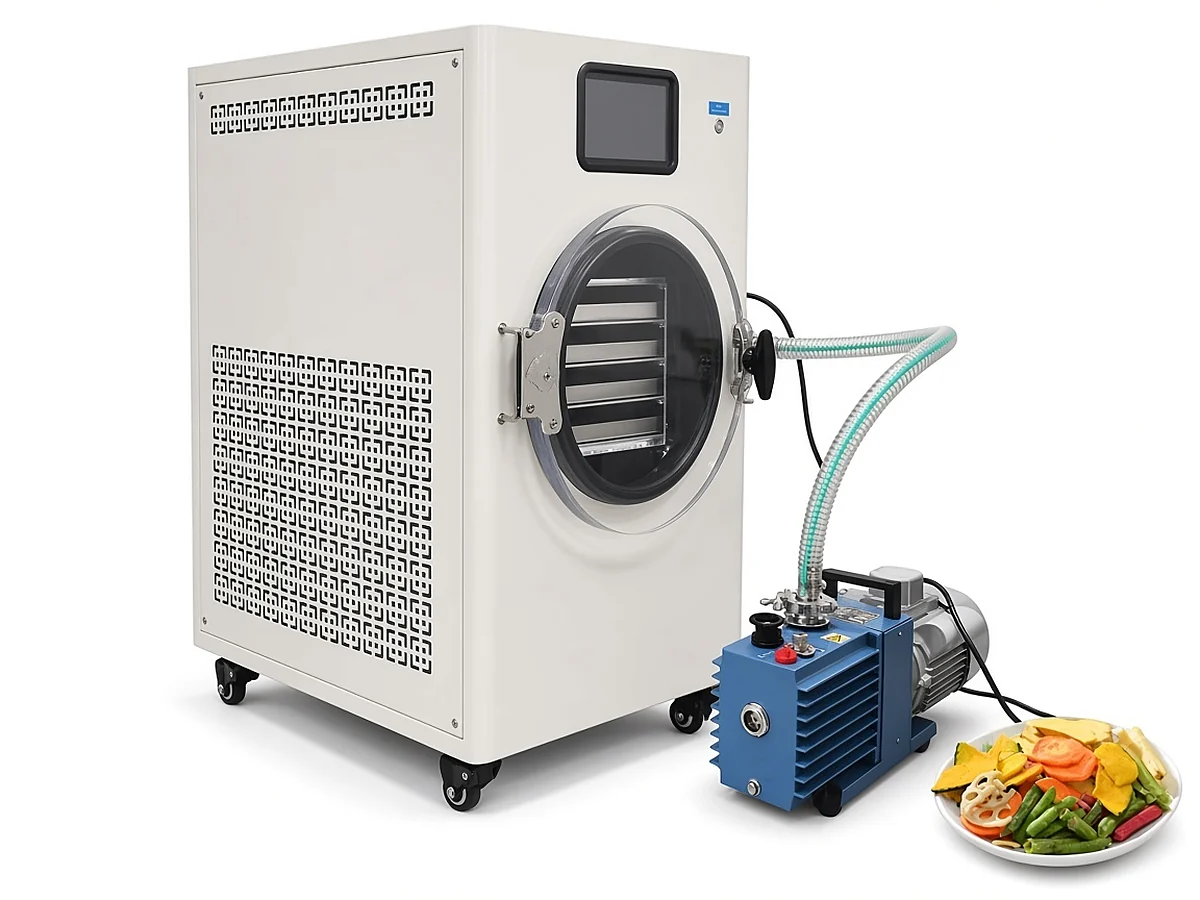
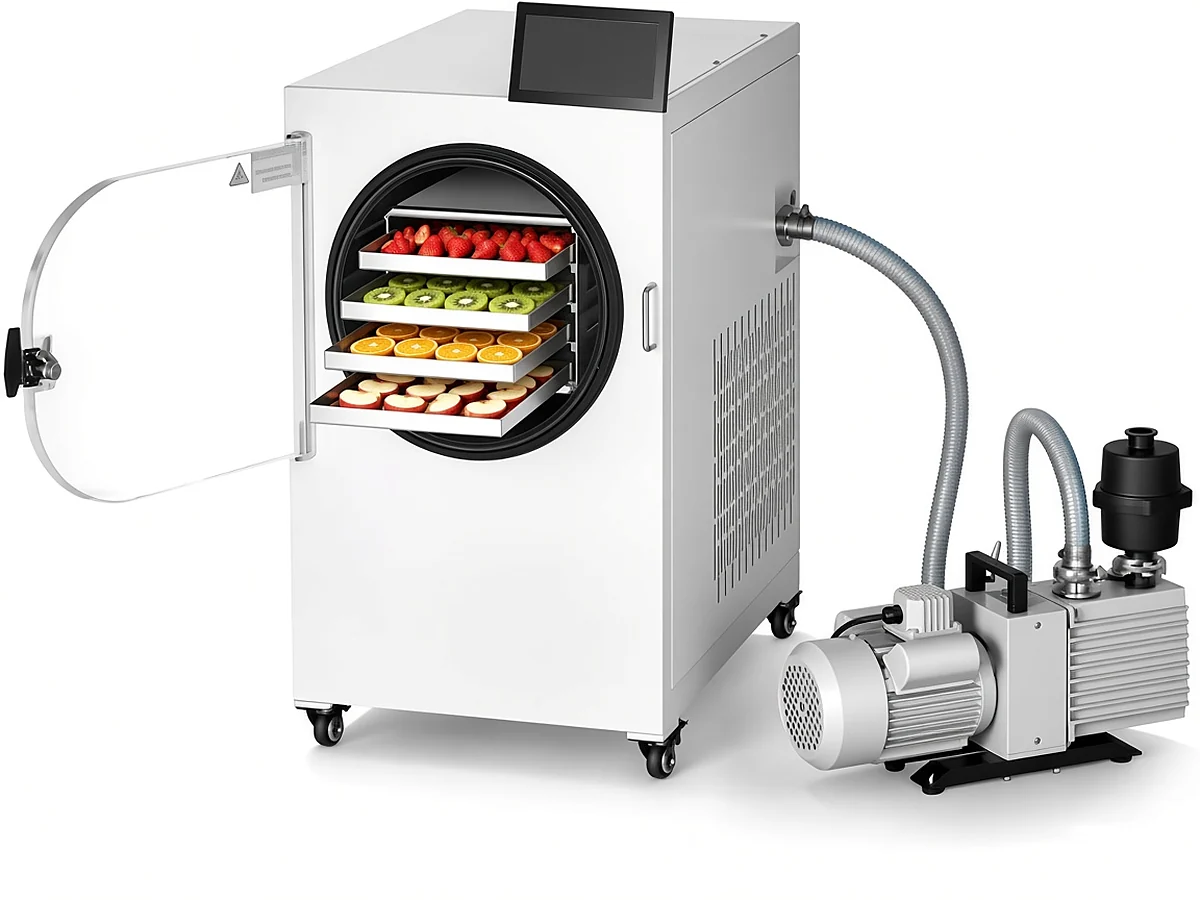
You need a vacuum freeze dryer. Nothing else in a home kitchen does this job (more on that below). If you're still choosing a machine, our roundup of home freeze dryers sold on Amazon compares the current options. The general fruit method, including other fruits, is in how to freeze dry fruit.
Beyond the machine, the list is short:
Tray liners. Juicy slices can stick to bare stainless steel. Silicone mats work, and so does ordinary parchment paper trimmed to the size of your trays.
A kitchen scale. This one is optional, but it's the most reliable way to confirm the fruit is dry (see step 6). Any kitchen scale that reads in 1 g steps will do.
Mylar bags and oxygen absorbers for anything you plan to keep longer than a few weeks. Wallaby's 1-gallon Mylar bags measure 10 × 14 in, are 5 mil thick on each side, and come with a 400cc absorber for each bag.
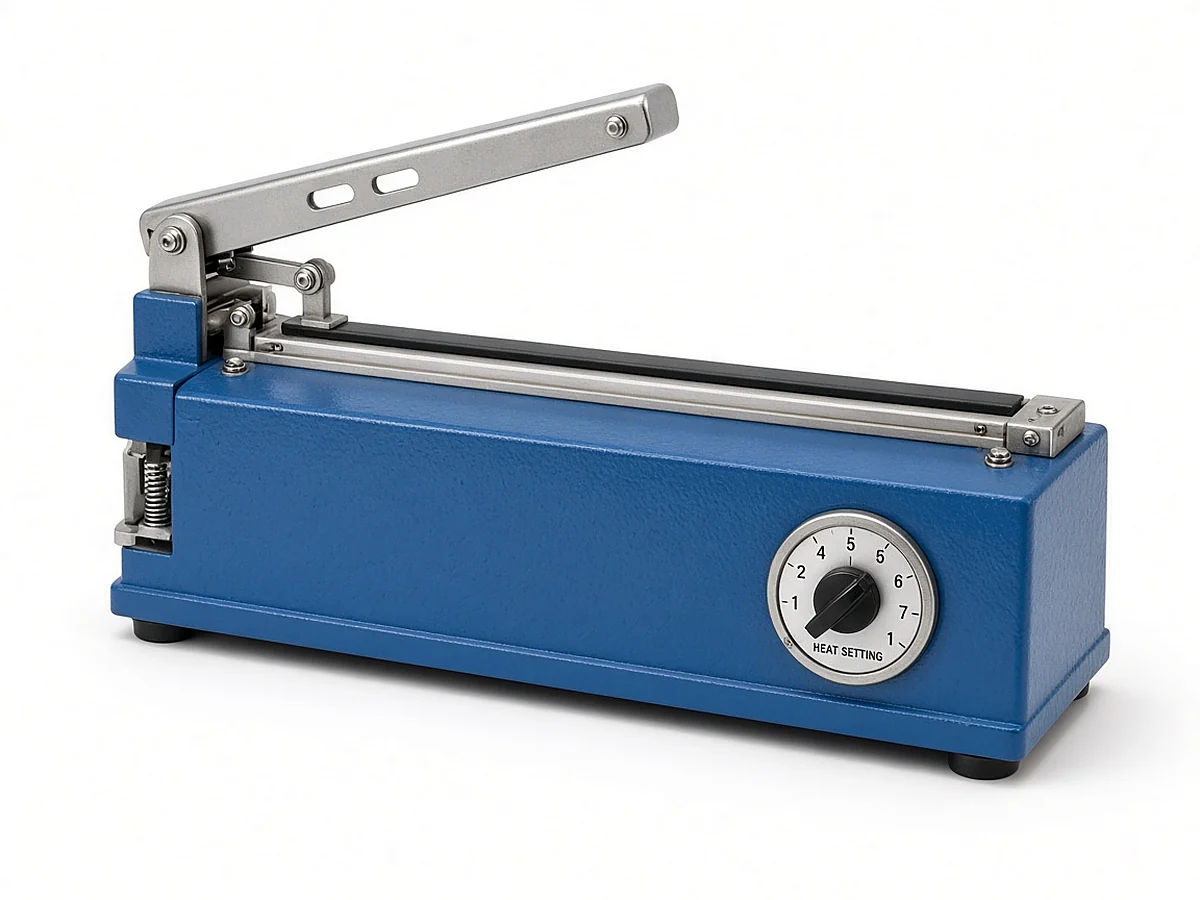
An impulse heat sealer to close the Mylar. A clothes iron or hair straightener can seal it too, but an impulse sealer makes a straight, even seal much easier to repeat. The METRONIC 12-inch impulse sealer has a 300 mm (about 11.8 in) sealing bar, so it spans the 10-inch opening of those Wallaby bags in one pass, and it is rated for material up to 10 mil thick.
Many freeze dryers ship with some of these. Blue Alpine, for example, includes an impulse sealer, mats, Mylar bags and absorbers with the Medium Select, so check the box before you buy duplicates.
Step-by-step: freeze drying strawberries
Pick firm, ripe berries and trim the bad spots. Fruit at peak ripeness gives the best flavour. Cut away bruised or damaged areas, as the FDA's produce-cleaning advice recommends. Very soft, overripe berries tend to come out stickier.
Rinse under running water, then dry them. Don't soak them. University of Arizona Extension warns that soaking can waterlog produce and lengthen the cycle. Freeze drying does not kill bacteria, so washing is your main way to reduce what's on the fruit. Pat the berries dry with a clean towel, because every drop of surface water adds to the load.
Hull and slice evenly, about 1/4 inch thick. Arizona recommends slices 1/4 to 1/2 inch thick, and Blue Alpine's owner's manual says strawberries dry best between 3/16 and 1/2 inch (5 to 13 mm). Thinner slices finish sooner. Thick ones can trap a pocket of water in the middle. Halves also work if you place them skin side down, but they add hours to the cycle.
Pretreat only if colour matters to you. Strawberries don't need it the way apples do. LSU AgCenter's strawberry guide says an ascorbic acid dip can improve the finished quality. It suggests 1 teaspoon of ascorbic acid powder in 2 cups of water, with the slices soaked for 3 to 5 minutes and then drained well. Most people skip this step.
Load the trays in one layer and pre-freeze them if you can. The slices can sit close together but shouldn't overlap, and nothing should rise above the tray lip. University of Minnesota Extension says that freezing loaded trays in a household freezer for 48 hours may speed up the cycle, and LSU recommends the same 48 hours for strawberries. If you pre-freeze, don't skip the machine's freeze stage. Blue Alpine's manual says to cool the empty chamber for 30 to 40 minutes before you load frozen food. Putting frozen trays into a warm chamber can melt the ice and trigger a vacuum error. Harvest Right's manual also says not to bypass the freezing cycle.
Run the cycle, then test for dryness. When the machine says it's finished, take a slice from each tray, choosing the thickest ones, and break or cut it in half. It should snap crisply and feel dry and room temperature in the middle. Minnesota says a dark spot in the centre means moisture, and if any sample has one, all the trays go back in. If you weighed a tray before drying, weigh it again after more drying time. Blue Alpine suggests reweighing every two hours, and when the weight stops dropping, the fruit is done.
Package the berries the same day. Dry fruit starts pulling moisture from the air as soon as the door opens. Fill the bags, add an absorber, and heat-seal them. Our guide to sealing Mylar bags with oxygen absorbers covers sizing and technique. Label each bag with the contents and date.
How long does it take to freeze dry strawberries?
Plan on at least a full day. Blue Alpine's manual gives 18 to 36 hours for a complete freeze-drying process, depending on the food, its thickness and how much is loaded. Penn State Extension says drying times vary from about 24 to 48 hours. Strawberries tend toward the longer end because of their sugar and water. The table shows how each choice you make affects the clock.
What you change | Effect on the cycle |
|---|---|
Thinner, even slices | Shorter. The ice in each slice has less distance to travel. |
Halves or whole berries | Much longer, and a higher risk of a wet centre. |
Pre-frozen trays | Shorter freeze stage. Don't skip the stage itself. |
Fully loaded trays | Longer. More water means more ice on the chamber walls. |
Room temperature | It varies. Blue Alpine's manual lists ambient temperature as a factor in dry time, and Utah State suggests a room between 45 and 80 °F. |
Our freeze-drying batch time guide explains these factors in more detail. It's worth reading before you plan back-to-back batches.
Is it dry, or just dry on the outside?
This is the check that matters most. A slice can feel crisp at the edges while its core is still cold. If one damp slice goes into a bag, the moisture can spread to the rest.
So test more than one piece, and always the thickest. Minnesota Extension warns that a machine may dry unevenly from tray to tray. Blue Alpine's manual adds that you can't over-freeze-dry food, so if you're unsure, add a few more hours.
Very sweet fruit is the one grey area. Utah State University Extension notes that high-sugar fruit may stay slightly flexible when it is correctly dried, but it should not be sticky. Tacky means wet.
Packaging and storage
How you pack the berries depends on how soon you'll eat them.
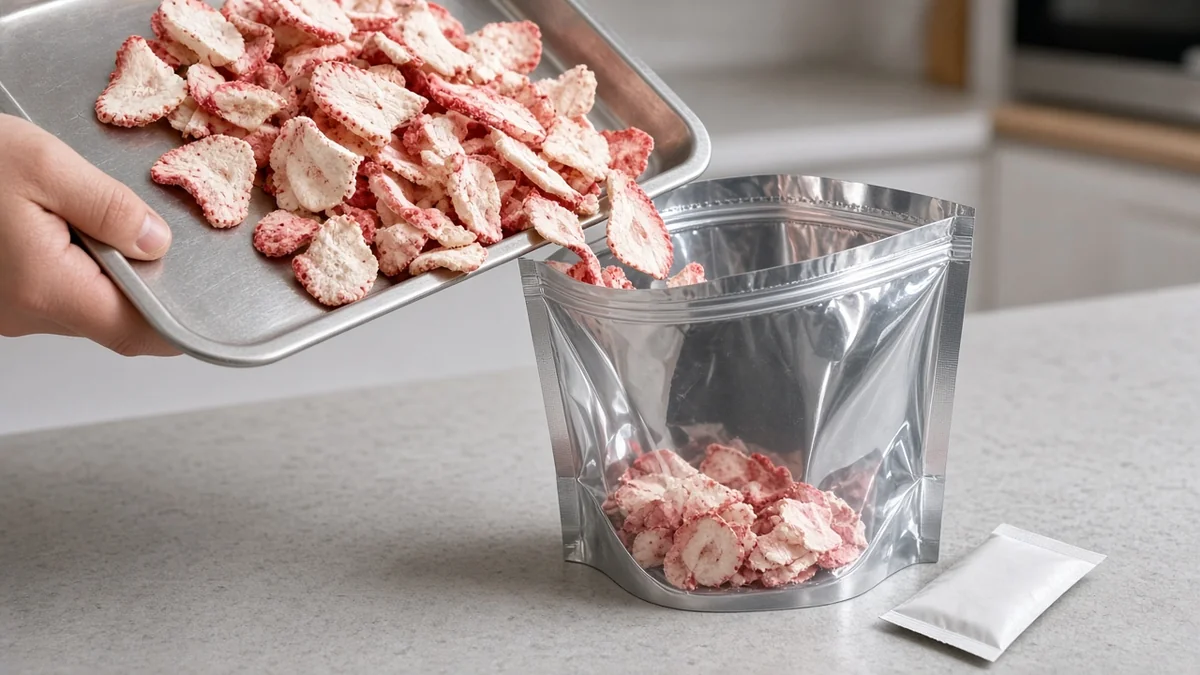
Within a few weeks: an airtight jar or container is fine. Arizona says no oxygen absorber is needed if you'll eat it within a month.
A few months to a couple of years: use canning jars with an oxygen absorber or a vacuum-sealed lid. Penn State puts vacuum-sealed plastic bags at about two to three years, because plastic still lets some air and moisture through.
Long-term: use heat-sealed Mylar with an oxygen absorber. Utah State recommends thick 5 to 7 mil bags without clear windows, because windows let more air and moisture in.
Keep everything in a cool, dark, dry place. Utah State says properly packaged freeze-dried foods can stay safe and stable for 10 to 15 years, sometimes longer. It also advises eating home freeze-dried food within 5 to 10 years, because flavour and nutrients fade, and vitamin C can drop significantly within 1 to 3 years. Our guide on how to store freeze-dried food compares containers in more detail.
One thing surprises new owners. A Mylar bag with an absorber won't shrink like a vacuum bag, because the absorber removes only the oxygen, about a fifth of the air. Wallaby's own listing makes the same point. A puffy bag doesn't mean it failed.
Common mistakes and how to fix them
The berries came out chewy. In almost every case they weren't fully dry. Slice thinner next time, load less, or add drying time. If the fruit is still in the machine, you can usually extend the drying without starting over. Harvest Right's manual describes a More Dry Time option, and Blue Alpine's says to add a few more hours whenever you're in doubt.
They were crisp, then went soft in storage. Owner forums raise this complaint more than almost any other. It usually traces back to a centre that wasn't quite dry, or to a seal that leaked. Check the seal on the bag first. If it's intact, give the next batch more time.
The fruit sat out overnight before packing. LSU says that if finished food has sat in a warm or humid room for more than 24 hours, you should run a short drying cycle again before packaging. Don't re-dry food that has been sitting in humid air for days, because it may already be unsafe.
Mixed fruit came out uneven. Blue Alpine advises using the setting for the most delicate food when you combine fruits. Its fruit recipe is not meant for pineapple, melon or blueberries. Pierce or halve blueberries in any case, because the skin traps water.
The machine threw a vacuum error. This is usually a door seal, drain valve or pump issue, not a strawberry issue. Work through our freeze dryer vacuum error checklist.
Related on Amazon: VEVOR SJ-08H Vacuum Freeze Dryer.
Related on Amazon: VEVOR HFD-4 Vacuum Freeze Dryer.
Amazon listings for the products in this guide
Direct links to the Amazon listings for the products named or shown in this guide:
- Blue Alpine Medium Select Freeze Dryer – View on Amazon
- VEVOR Vacuum Freeze Dryer, 5 Trays, 10 Presets – See the Amazon listing
- VEVOR HFD-4 Vacuum Freeze Dryer (4 trays)
Frequently asked questions
Can you freeze dry strawberries without a freeze dryer?
No. Ovens, air fryers and dehydrators remove water with heat, which gives you chewy dried strawberries rather than light, crisp freeze-dried ones. Freeze drying needs deep freezing and a vacuum to turn the ice straight into vapour. If chewy dried fruit is fine for you, a dehydrator costs far less. See freeze-dried vs dehydrated food for the trade-offs, and how to use a food dehydrator for that method.
Can I use frozen store-bought strawberries?
Yes. Arizona says commercially frozen fruit needs no pretreatment. Drain off as much excess water as you can and spread the fruit evenly. Whole frozen berries will take longer than slices.
Do I need to rehydrate them?
No. Fruit can be eaten straight from the bag. To use them like fresh berries in baking or smoothies, Penn State suggests soaking them in water or spritzing them. Our rehydration guide covers amounts and timing.