
Eggs
Published guides with this tag.
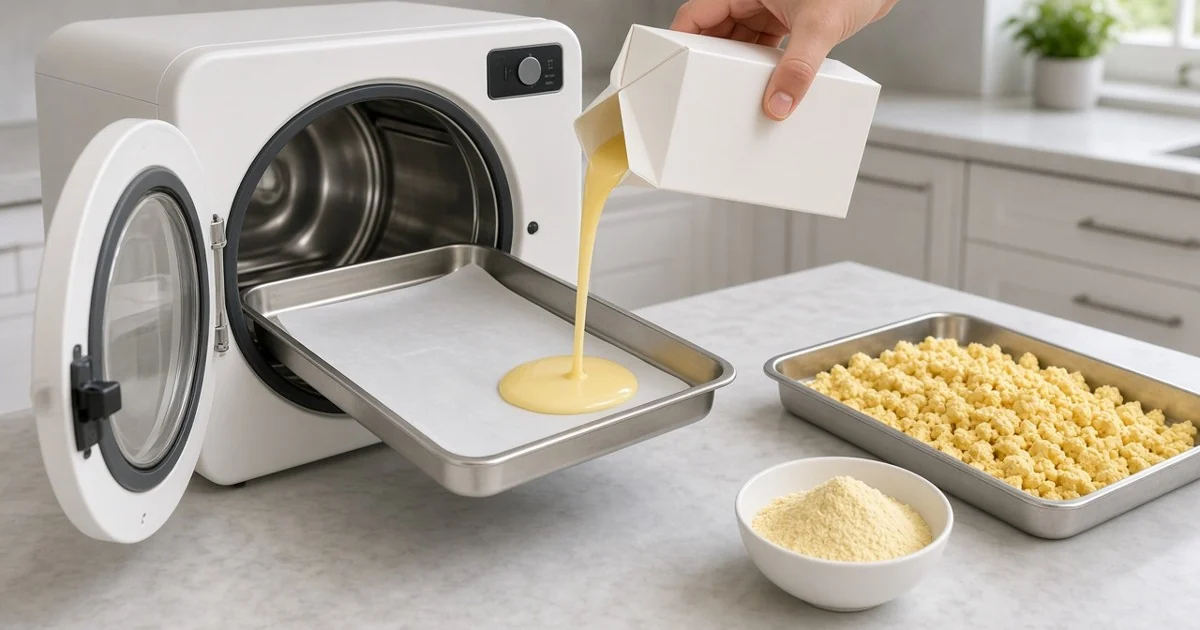
How to Freeze Dry Eggs at Home: Raw or Cooked, Step by Step
Freeze dry eggs the safer way: start with pasteurized or cooked eggs, pour thin layers, dry fully, seal in Mylar and cook rehydrated egg to 160 °F.
Read guide →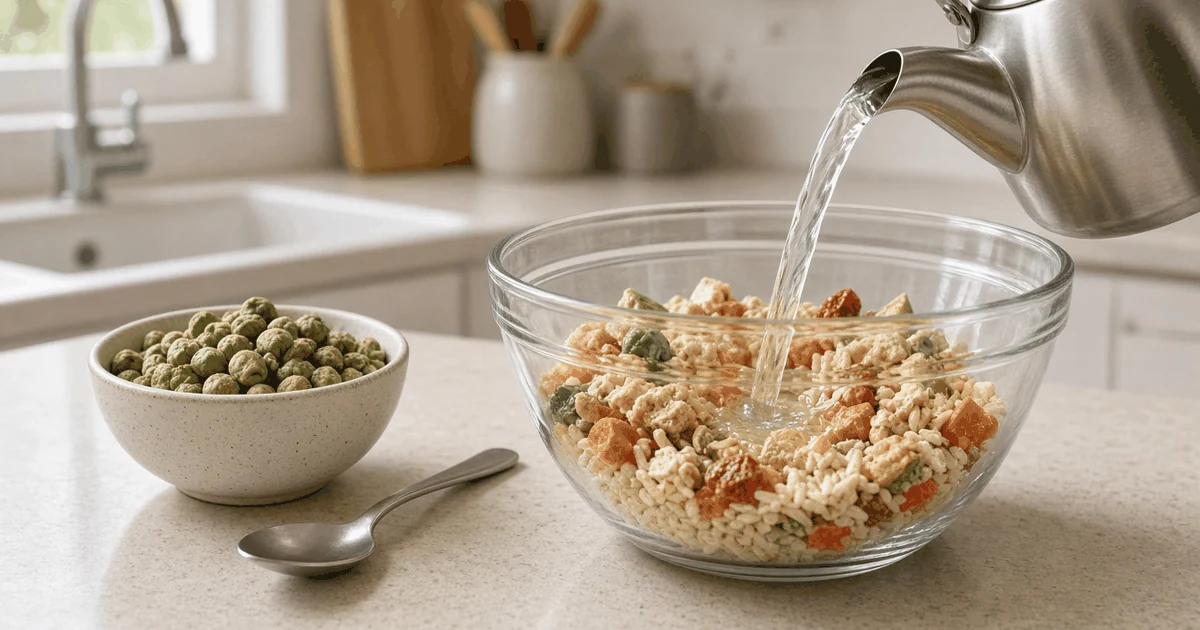
How to Rehydrate Freeze-Dried Food: Water, Timing and Safety
Bring freeze-dried food back to life: hot or cold water, how much to add, how long to wait, and the safety step raw foods need.
Read guide →
Freeze-Dried vs Dehydrated Food: Shelf Life, Nutrition and Texture
Freeze-dried food keeps far less moisture than dehydrated food, so it is lighter, crisper and usually stores longer in sealed packaging. Dehydrated fruit, vegetables and jerky are softer and chewier and are meant for months-scale storage, not the multi-year pantry role freeze-dried food can fill.
Read guide →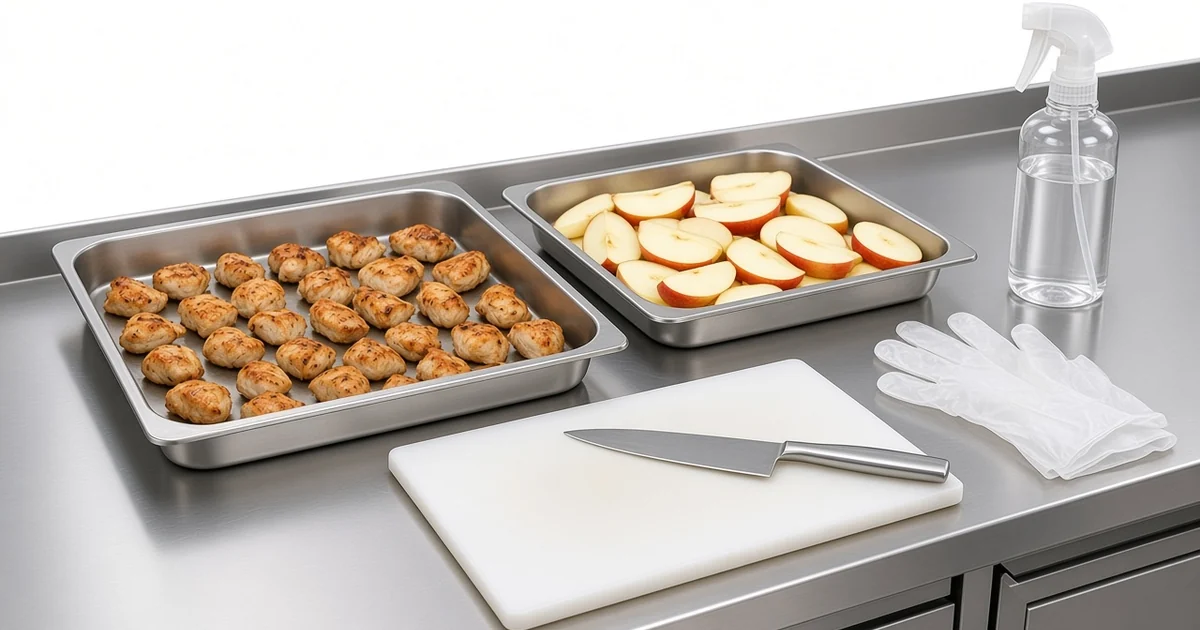
Does Freeze Drying Kill Bacteria? Home Freeze-Drying Food Safety
A freeze dryer does not make unsafe food safe—handle, dry, package, and cook following tested food-safety guidance. Keep raw and ready-to-eat foods separate, dry until crisp/dry throughout, and store sealed with oxygen absorbers where the method calls for it.
Read guide →