
How to Rehydrate Freeze-Dried Food: Water, Timing and Safety
Published 10/29/2026 · Updated 11/19/2026
Quick answer
Bring freeze-dried food back to life: hot or cold water, how much to add, how long to wait, and the safety step raw foods need.
Products mentioned in this guide

How-To · Freeze Dryers, Fruit, Eggs, Meals
Updated 30 October 2026
To rehydrate freeze-dried food, add water a little at a time until the texture is right: hot water for cooked meals and vegetables, a soak or light spray for fruit, and a soak in the fridge for raw meat. Then heat cooked meals to 165 °F and cook anything that was raw to its safe temperature before eating.
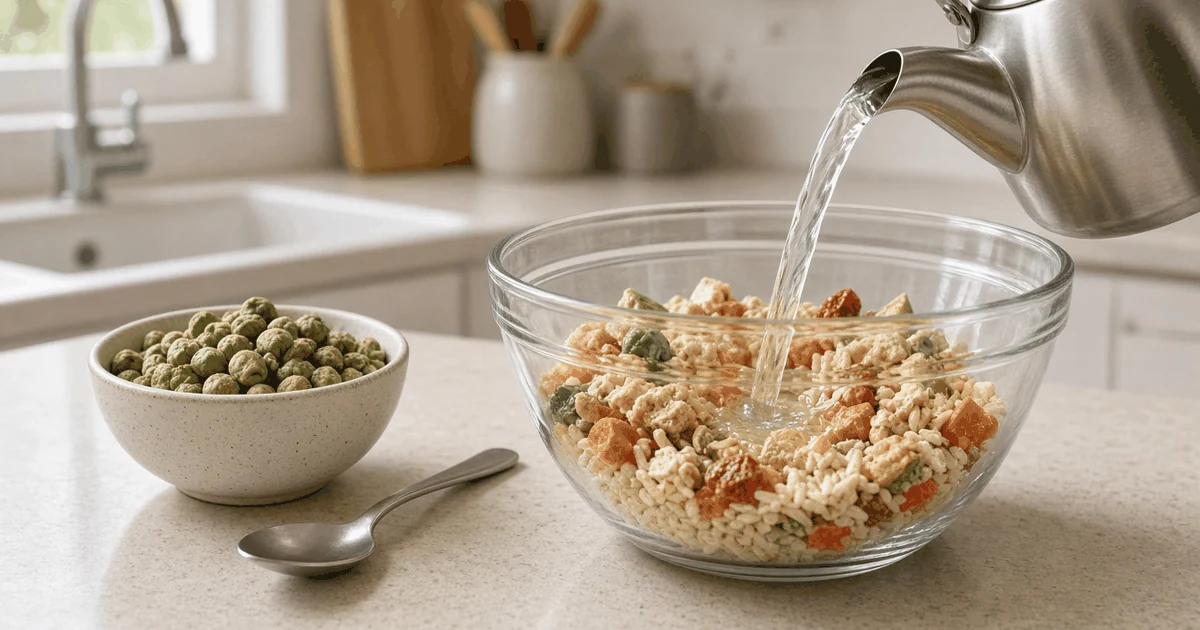
One of the best things about freeze-dried food is how quickly it comes back. Because freeze drying leaves the food's structure open and porous, water soaks back in faster than it does into dehydrated food.
The common mistake is adding too much water at once and ending up with soup. The more serious one is treating raw freeze-dried meat or egg as ready to eat: freeze drying does not kill bacteria, so they are still raw. The key rule: add water gradually, and cook anything that was raw before it was dried.
What you'll need to rehydrate freeze-dried food
A kettle, a measuring jug and a kitchen scale cover most jobs.
Kitchen scale (Highly Recommended): LSU AgCenter suggests weighing food on the tray before and after drying; the difference is a good estimate of how much water to add back.
A food thermometer (Highly Recommended): The only reliable way to know rehydrated meat, egg or a leftover meal has reached a safe temperature.
Bowls with lids, or the pouch itself (Recommended): Covering the food holds heat and steam in while it rests.
Step 1: Decide whether the food needs water at all
Some foods are better dry; some must be rehydrated and cooked.
Eat fruit and many snacks dry. Penn State Extension says freeze-dried food can be eaten as is, except raw meat, poultry, seafood and eggs. Drink water alongside, because the food has very little left.
Use some foods straight in cooking. Penn State notes vegetables can go directly into soups and stews, and LSU AgCenter says cooked beef, chicken and pork can go straight into soups, chilis and casseroles without extra liquid.
Always rehydrate and cook raw items. Raw meat and raw egg stay raw after freeze drying; see our food safety guide.
Step 2: Pick the method for the food
Extension guidance varies by food type.
Food | Method | Source |
|---|---|---|
Vegetables | Add to a bowl of hot water, or warm water you then heat; or add directly to soups and stews | Penn State Extension |
Leafy greens | Do not soak; spray lightly, or crush into sauces or smoothies | Penn State Extension |
Fruit | Soak in a bowl of water or spray with water | Penn State Extension |
Milk and dairy | Rehydrate with water, or add to smoothies, baking or dips | Penn State Extension |
Cooked chicken | Soak in broth or bouillon for about 15 minutes, or add straight to a wet dish | LSU AgCenter, citing Arizona and Idaho extension |
Raw steaks and chops | Rehydrate in the refrigerator, then cook to the recommended internal temperature | LSU AgCenter |
Casseroles and full meals | Mix in water about 1/3 cup at a time, then heat in the oven or microwave | Penn State Extension |
Step 3: Add water gradually
It is easy to add more water and impossible to take it out.
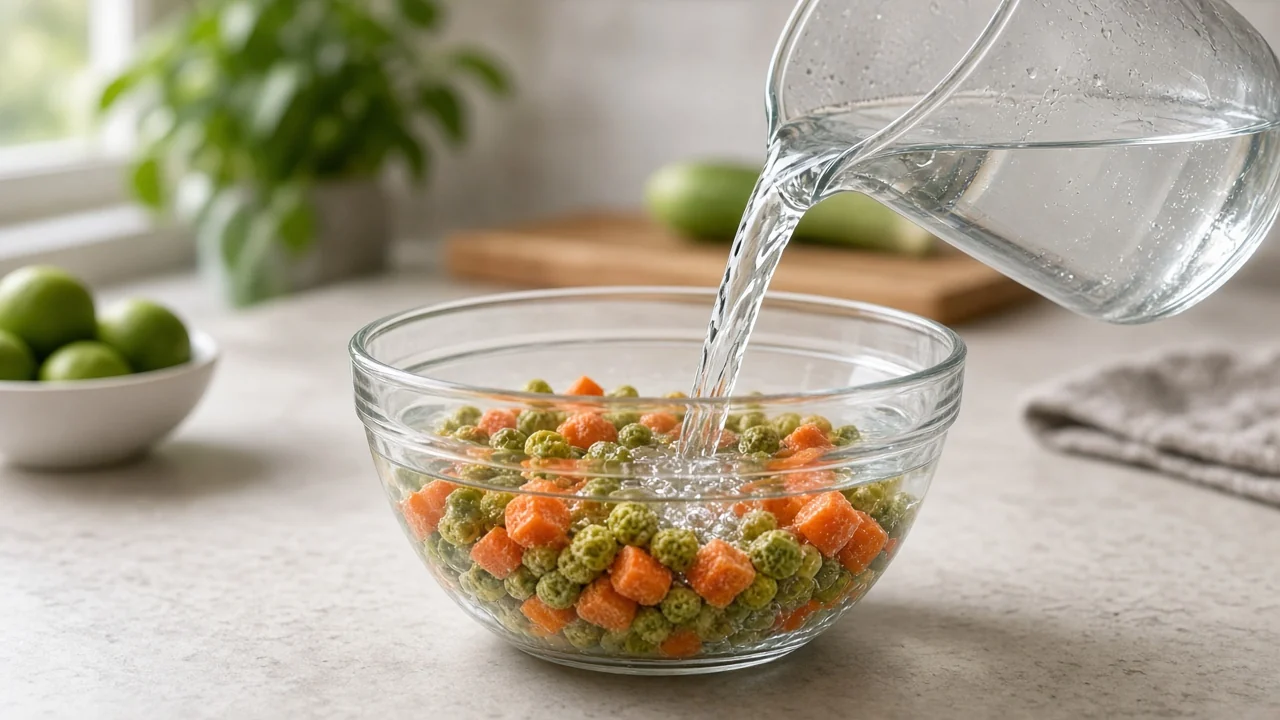
Start with less than you think. Add part of what you expect, stir and wait a few minutes.
Use your drying weights. If a tray lost a known weight of water, that weight is a sensible ceiling for the same amount of food.
Mist delicate foods. Herbs, greens and thin fruit slices may only need a light spray.
Step 4: Let it rest until soft all the way through
Give water time to reach the centre before judging the result.
Cover the container. Covering holds heat and steam in.
Stir halfway. This spreads water evenly through mixed meals.
Check the centre. Break a large piece; there should be no dry core.
Step 5: Cook or reheat to a safe temperature
Once rehydrated, food behaves like fresh food and spoils like it too.
Cook raw meat and egg to USDA temperatures. The USDA safe temperature chart lists 165 °F for poultry, 160 °F for ground meat and egg dishes, and 145 °F with a 3-minute rest for whole cuts of beef, pork, veal and lamb.
Reheat cooked meals and leftovers to 165 °F. That is USDA's guidance for leftovers and casseroles.
Refrigerate within 2 hours. The USDA leftovers guidance applies to rehydrated food: refrigerate within 2 hours, or 1 hour above 90 °F.
Reseal unused dry food fast. Squeeze out air and reseal, with a fresh oxygen absorber for long storage. See how to store freeze-dried food.
How long does each food take to rehydrate?
Small, thin pieces rehydrate in minutes; dense pieces of meat can take much longer.
Fruit and vegetables. Usually a few minutes in water, longer for thick pieces.
Cooked meals and soups. Several minutes with hot water, plus a stir halfway.
Cooked chicken. About 15 minutes in broth, per LSU AgCenter.
Raw whole cuts. Longer, and always in the refrigerator.
Egg powder. A few minutes with whisking, then cook to 160 °F.
If food stays chewy in the centre, it usually needs more time rather than more water. Cutting food small before freeze drying is the best way to make rehydrating faster later. Our guides to freeze-drying meals and freeze-drying eggs show how to plan food with rehydration in mind.
Why is my rehydrated food mushy or still hard?
Mushy food had too much water or heat; hard food needs more time or smaller pieces.
Too mushy. Use less water. For greens, spray instead of soaking.
Still hard in the centre. Cover, wait longer and stir; cut large pieces smaller next time.
Uneven texture in meals. Stir halfway so water reaches every ingredient.
Soft or sticky before you added any water. The food took on moisture in storage. If a sealed bag is soft or smells off, Blue Alpine's manual says not to eat it.
Final verdict: is rehydrating worth learning?
Who should do this: anyone storing freeze-dried meals, vegetables or meat; a little practice saves a lot of soggy dinners.
Who can skip most of it: snack-only users who eat fruit dry.
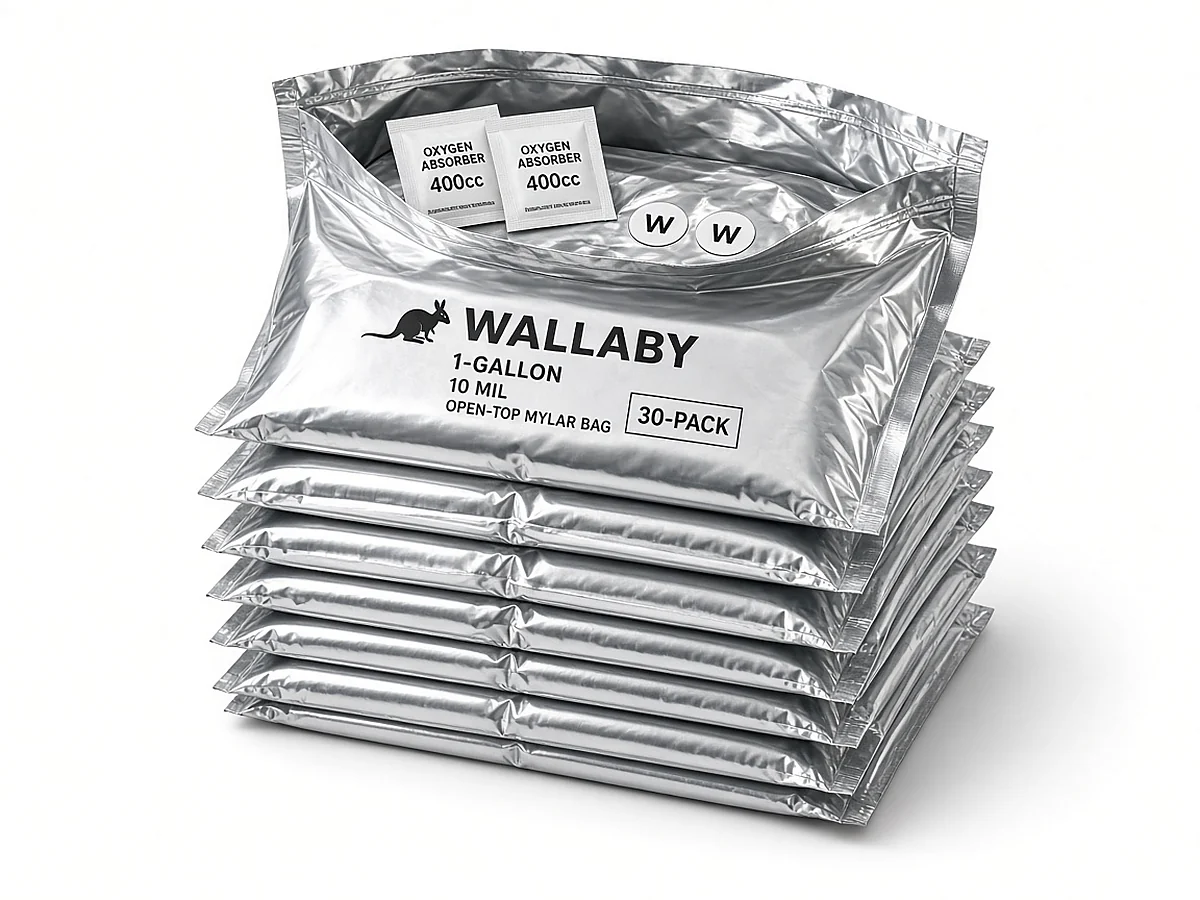
Related on Amazon: Wallaby 1-Gallon 10 Mil Mylar Bags with Oxygen Absorbers (30-pack).
Amazon listings for the products in this guide
Direct links to the Amazon listings for the products named or shown in this guide:
- Wallaby 1-Gallon 10 Mil Mylar Bags with Oxygen Absorbers, 30-Pack – View on Amazon
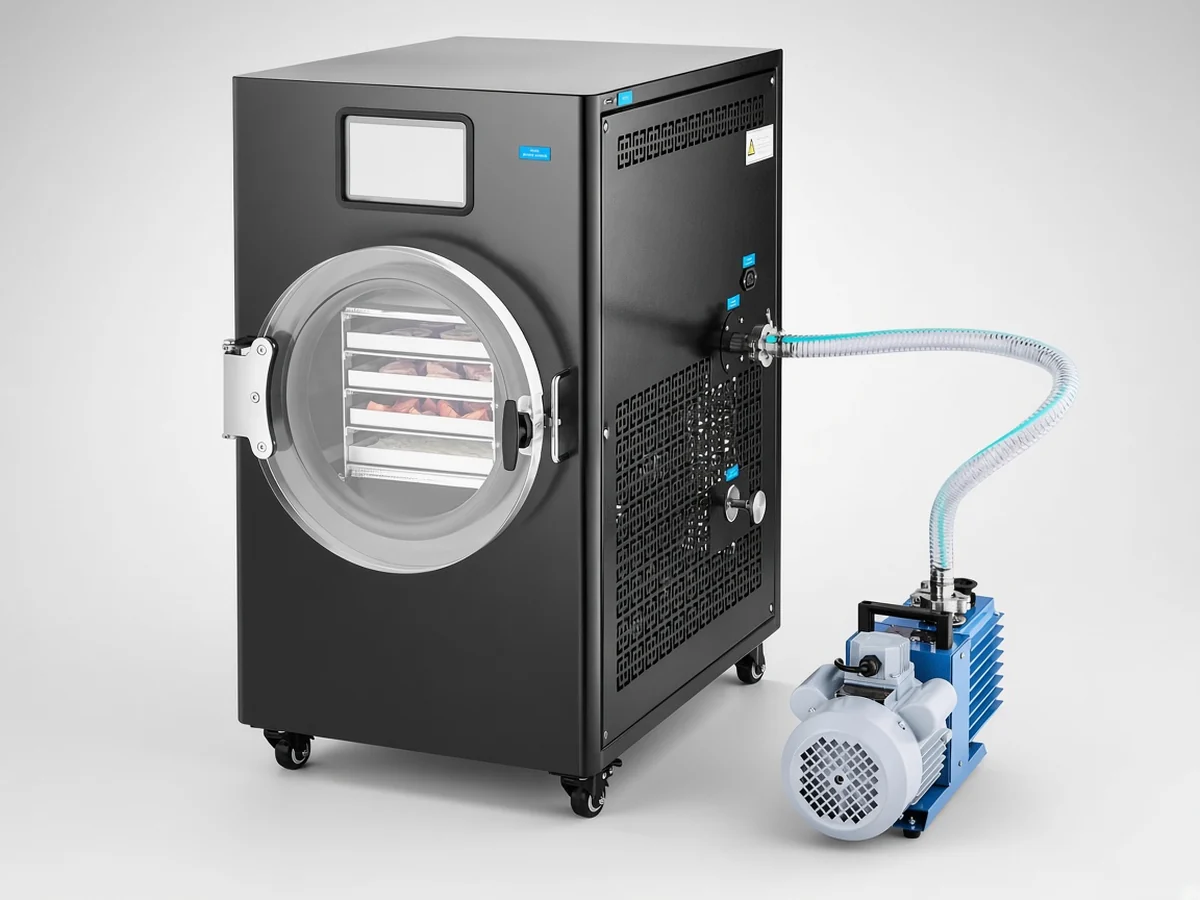
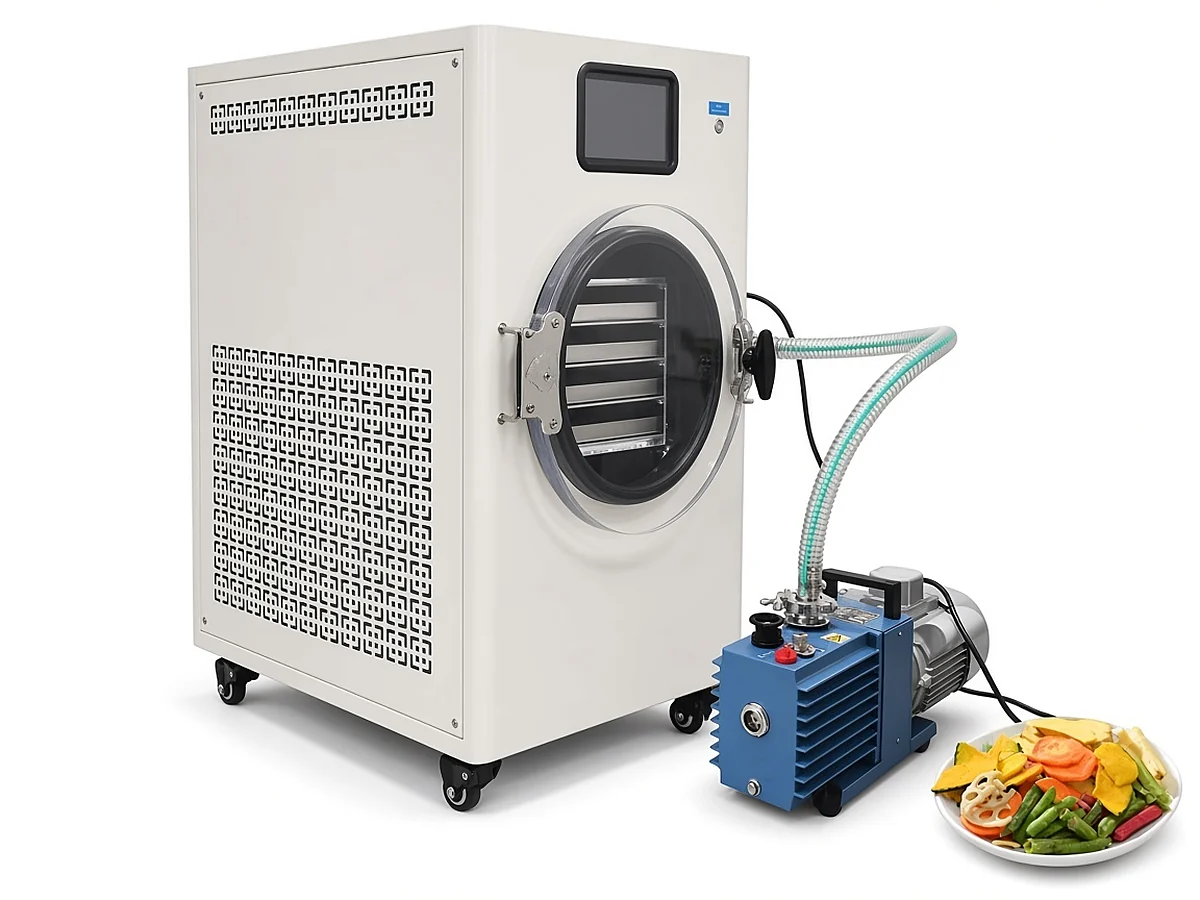
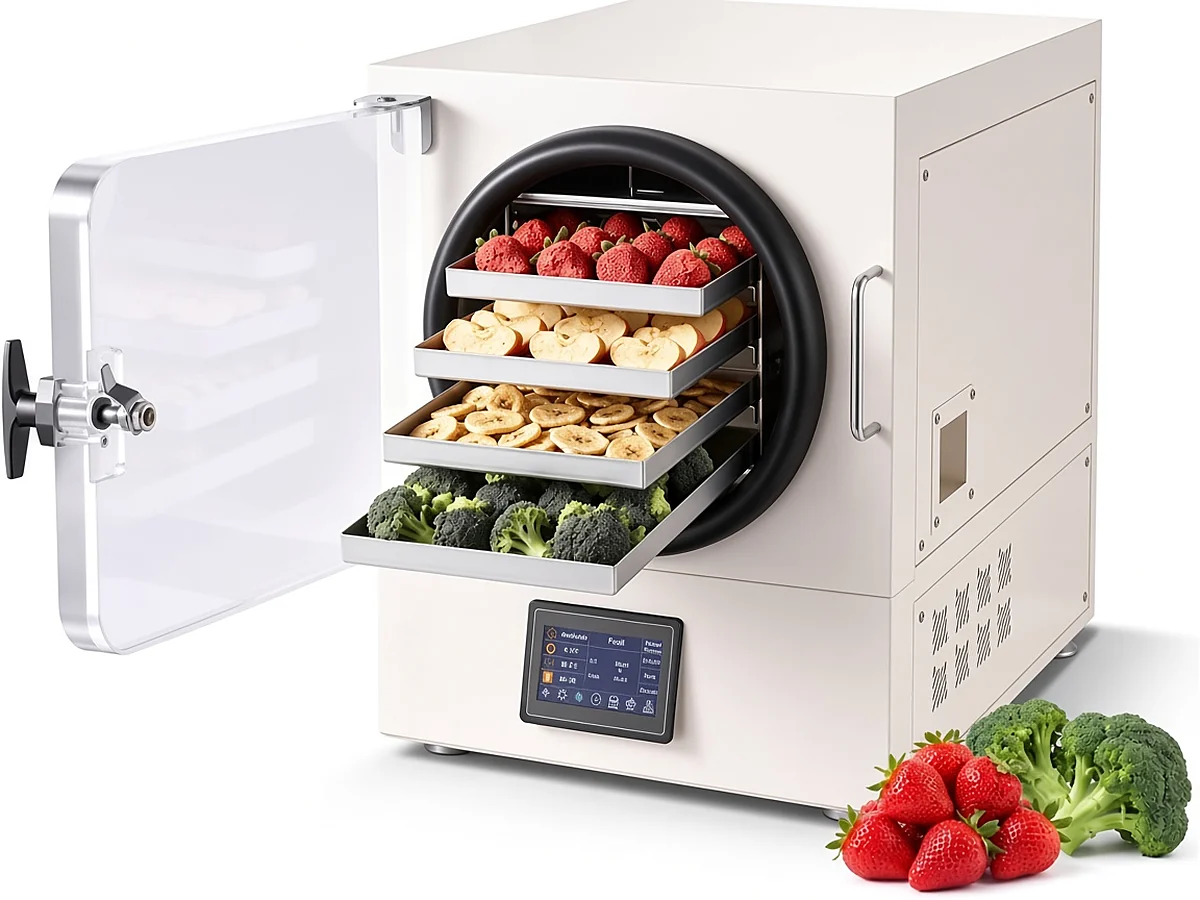
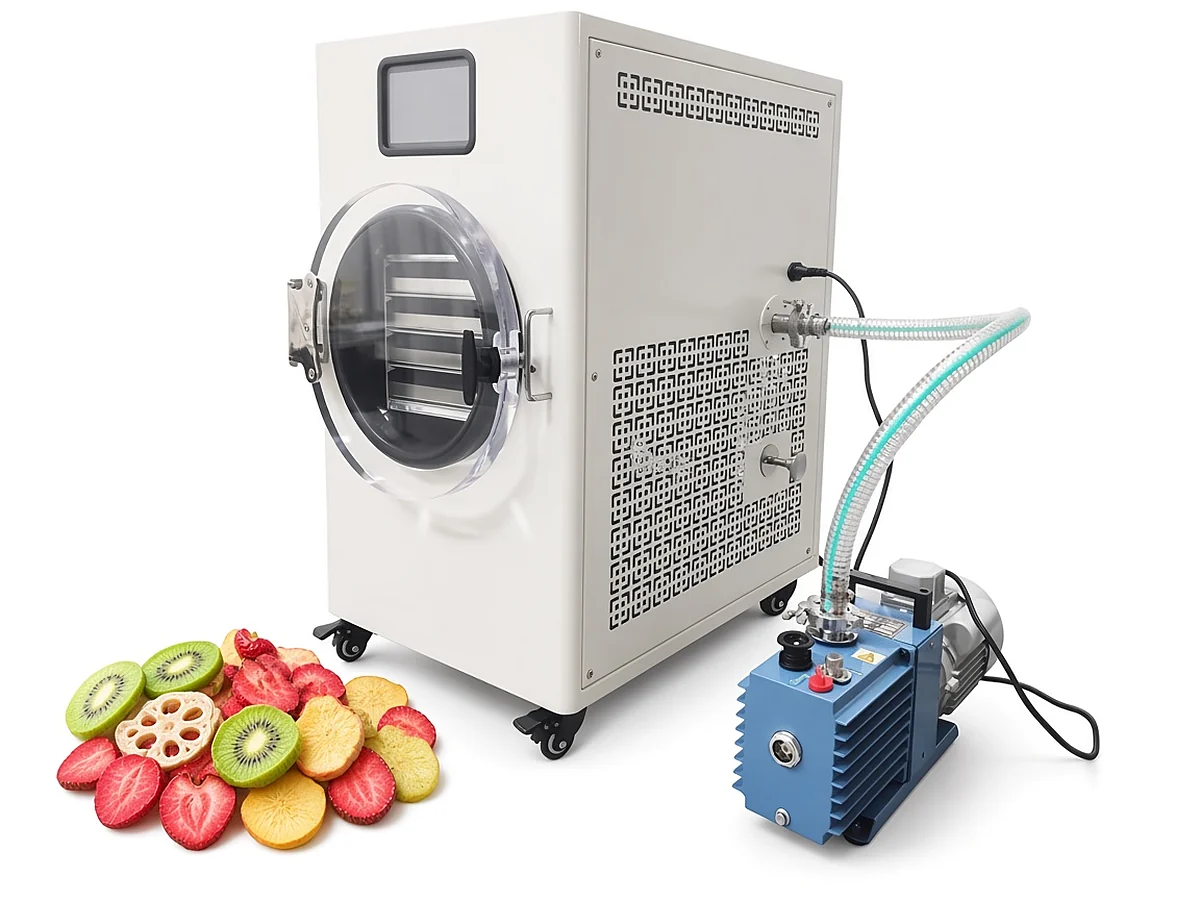
- Blue Alpine Medium Select Freeze Dryer – See the Amazon listing
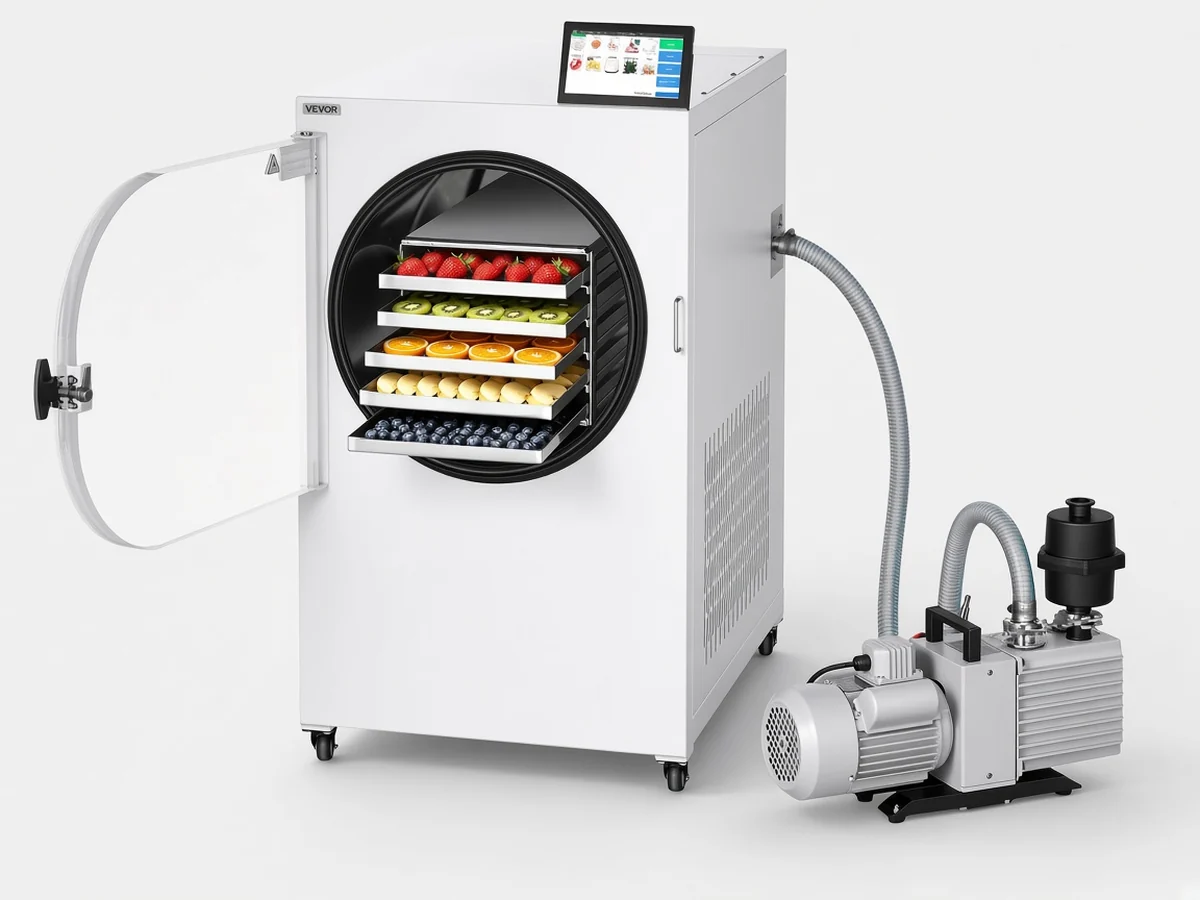
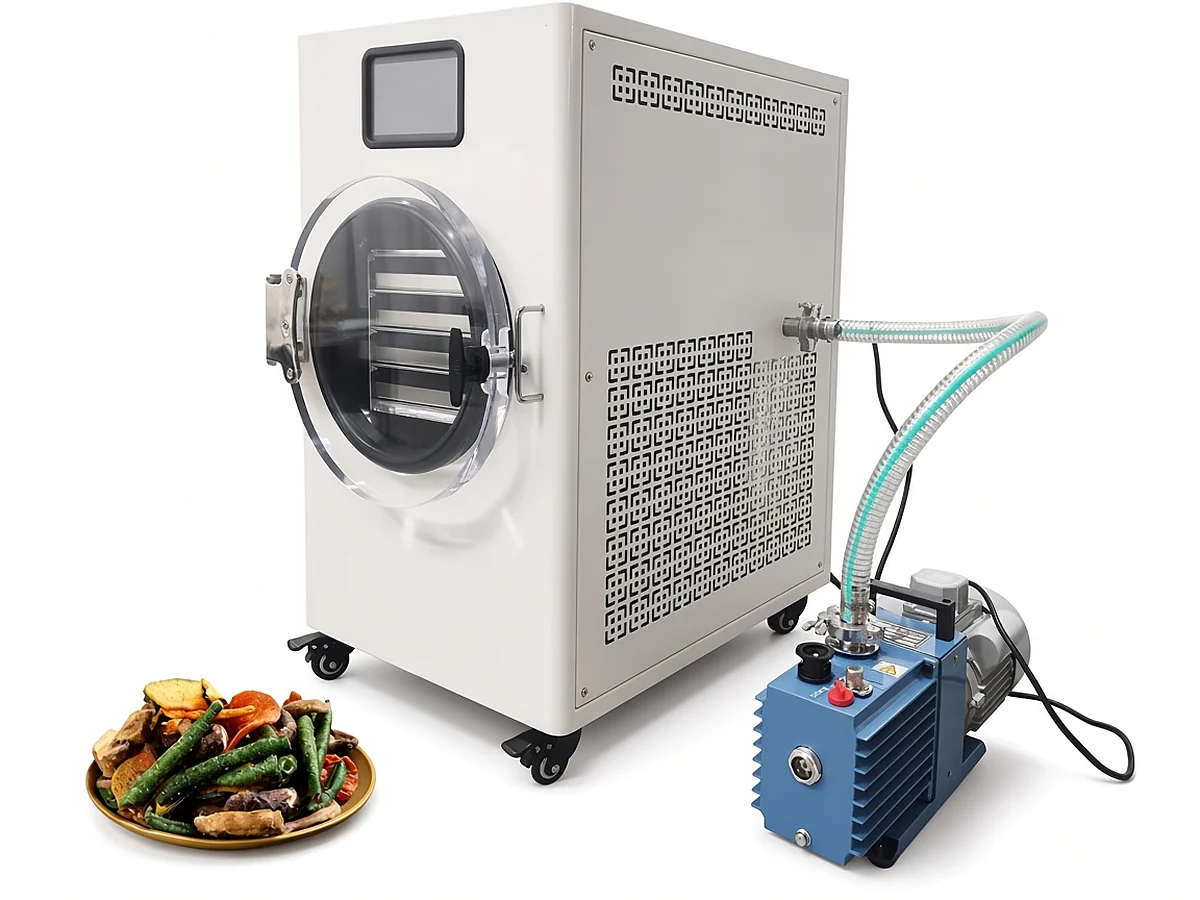
- VEVOR Vacuum Freeze Dryer, 5 Trays, 10 Presets – Check availability on Amazon
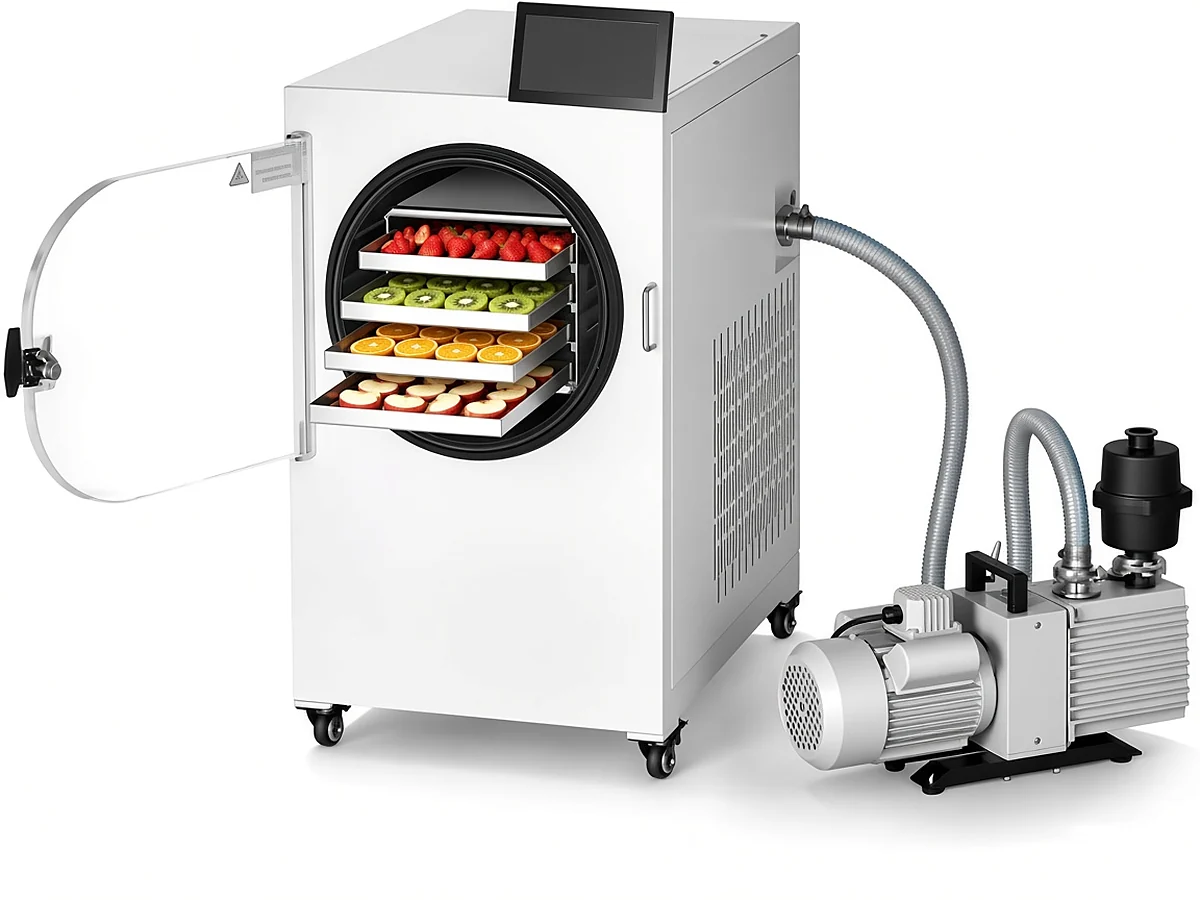
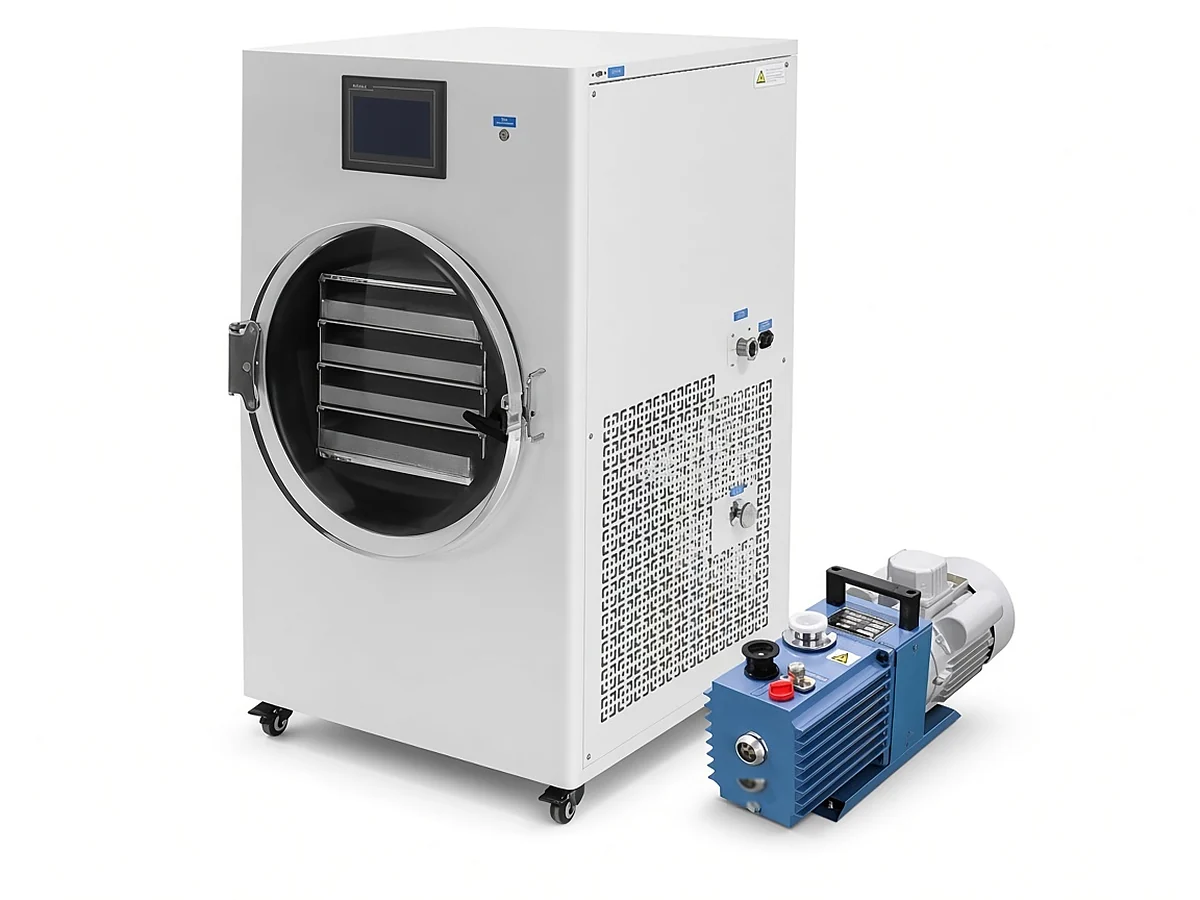
- VEVOR HFD-4 Vacuum Freeze Dryer (4 trays) – View on Amazon
- WYDDDARY Vacuum Freeze Dryer, 4 Trays – See the Amazon listing
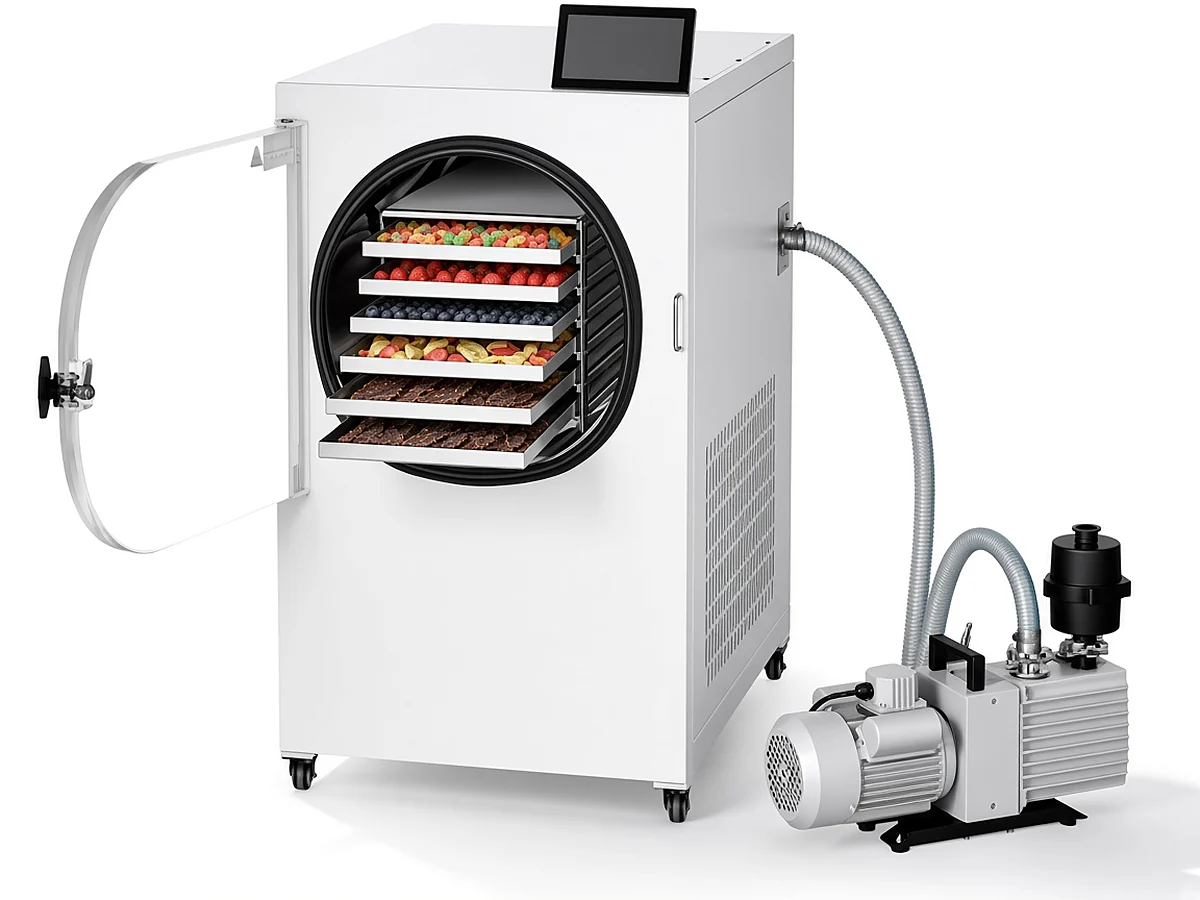
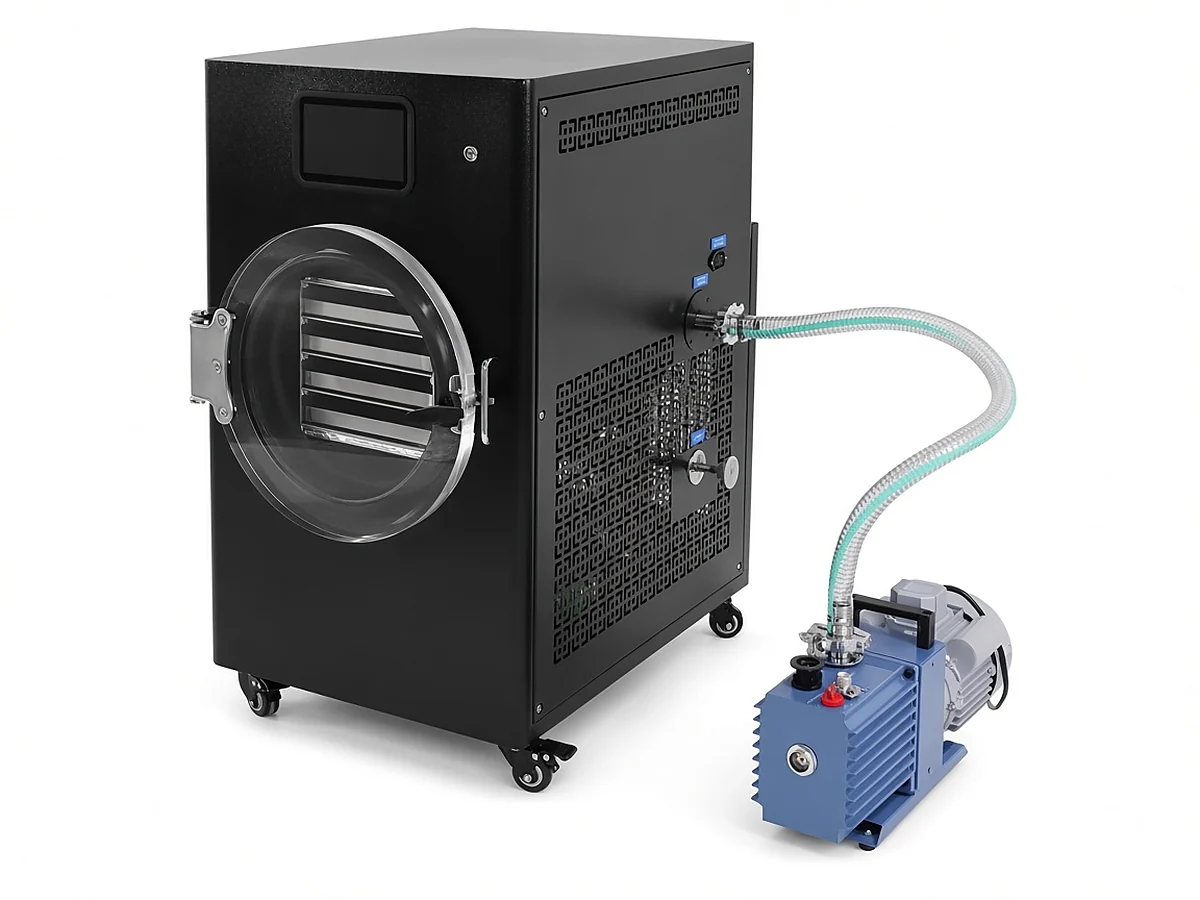
- VEVOR SJ-10H Vacuum Freeze Dryer, 6 Trays, 10 Presets – Check availability on Amazon
- VEVOR SJ-05H Vacuum Freeze Dryer, 4 Trays, 10 Presets
Frequently asked questions
How much water do I add to freeze-dried food?
If you weighed the tray before and after drying, start with roughly the weight of water the food lost. Otherwise add water a little at a time until the texture is right. You can always add more.
Can I rehydrate freeze-dried food with cold water?
Yes. Cold water works more slowly than hot but suits fruit, and raw steaks and chops should be rehydrated in the refrigerator, then cooked.
How long does freeze-dried food take to rehydrate?
Small pieces of fruit and vegetables often take a few minutes; cooked chicken about 15 minutes in broth; whole cuts of meat much longer. Thin, small pieces always rehydrate faster.
Do I have to rehydrate freeze-dried food?
No. Fruit and many vegetables can be eaten dry or added straight to cooking. Raw meat, poultry, seafood and eggs must be rehydrated and cooked before eating.
Sources
Penn State Extension: Let's Preserve: Freeze Drying
LSU AgCenter: Freeze Drying at Home FAQ
USDA FSIS: Safe Minimum Internal Temperature Chart
USDA FSIS: Leftovers and Food Safety
Blue Alpine owner's manual