
How to Store Freeze-Dried Food: Containers, Oxygen Absorbers and Shelf Life
Published 10/29/2026 · Updated 11/24/2026
Quick answer
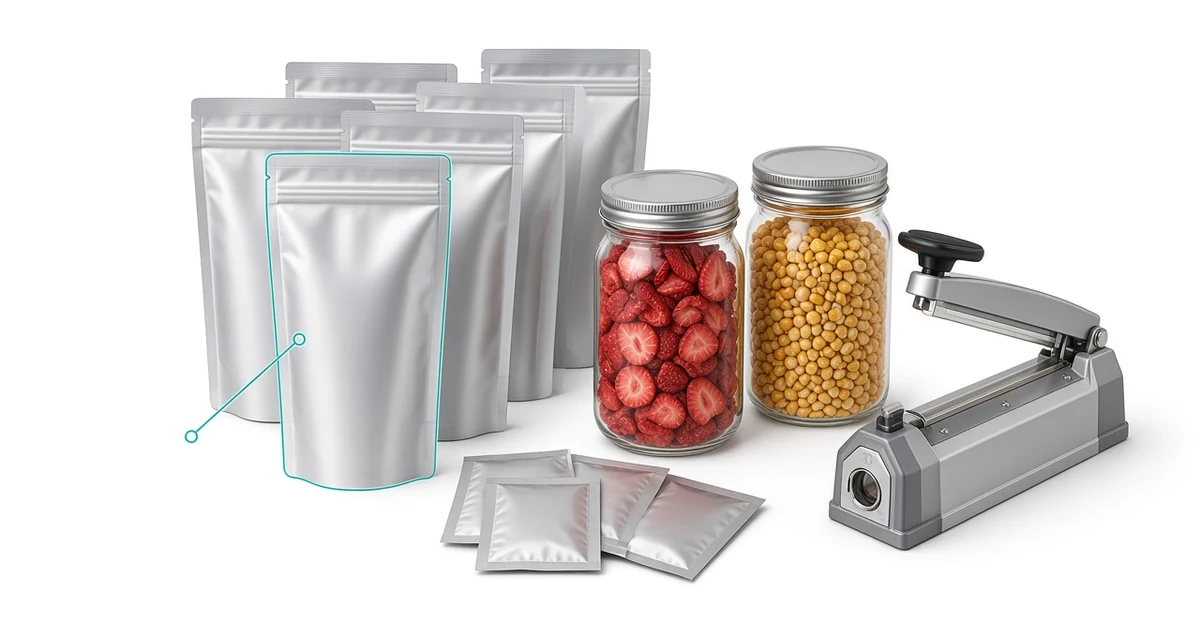
Pack freeze-dried food only after a dryness check on the thickest piece, then seal it immediately in Mylar with the correct-size oxygen absorber. Exposure to room air softens texture within minutes, so have bags, absorbers and a heat sealer ready before you open the chamber.
Products mentioned in this guide
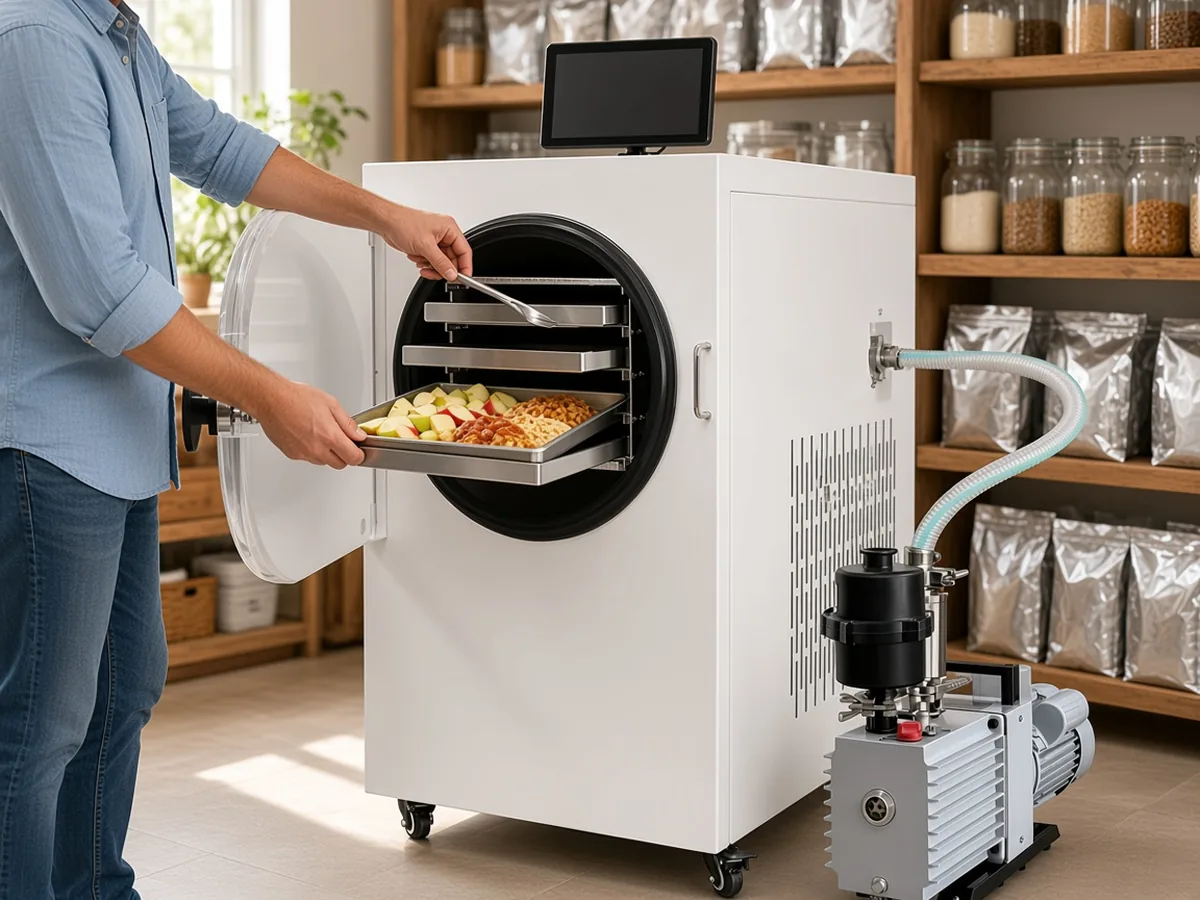
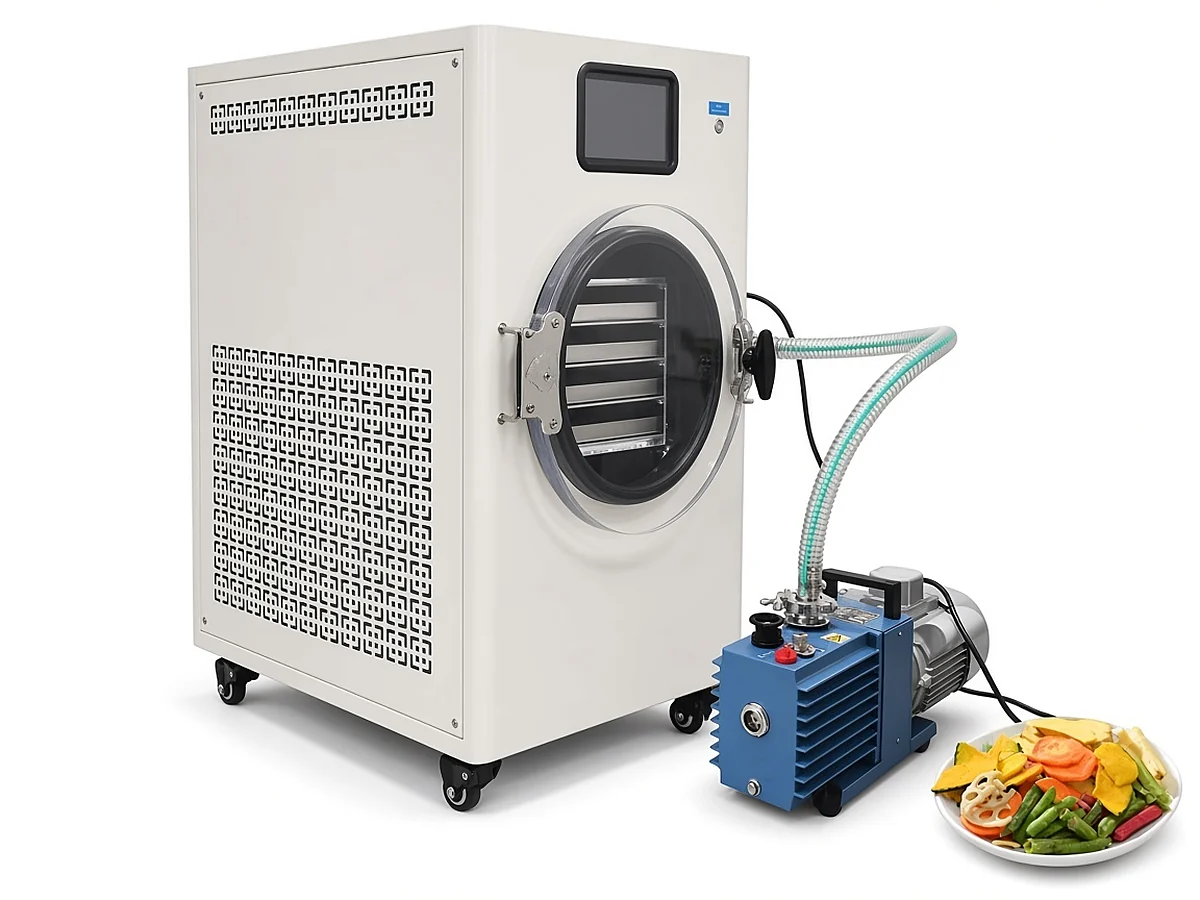
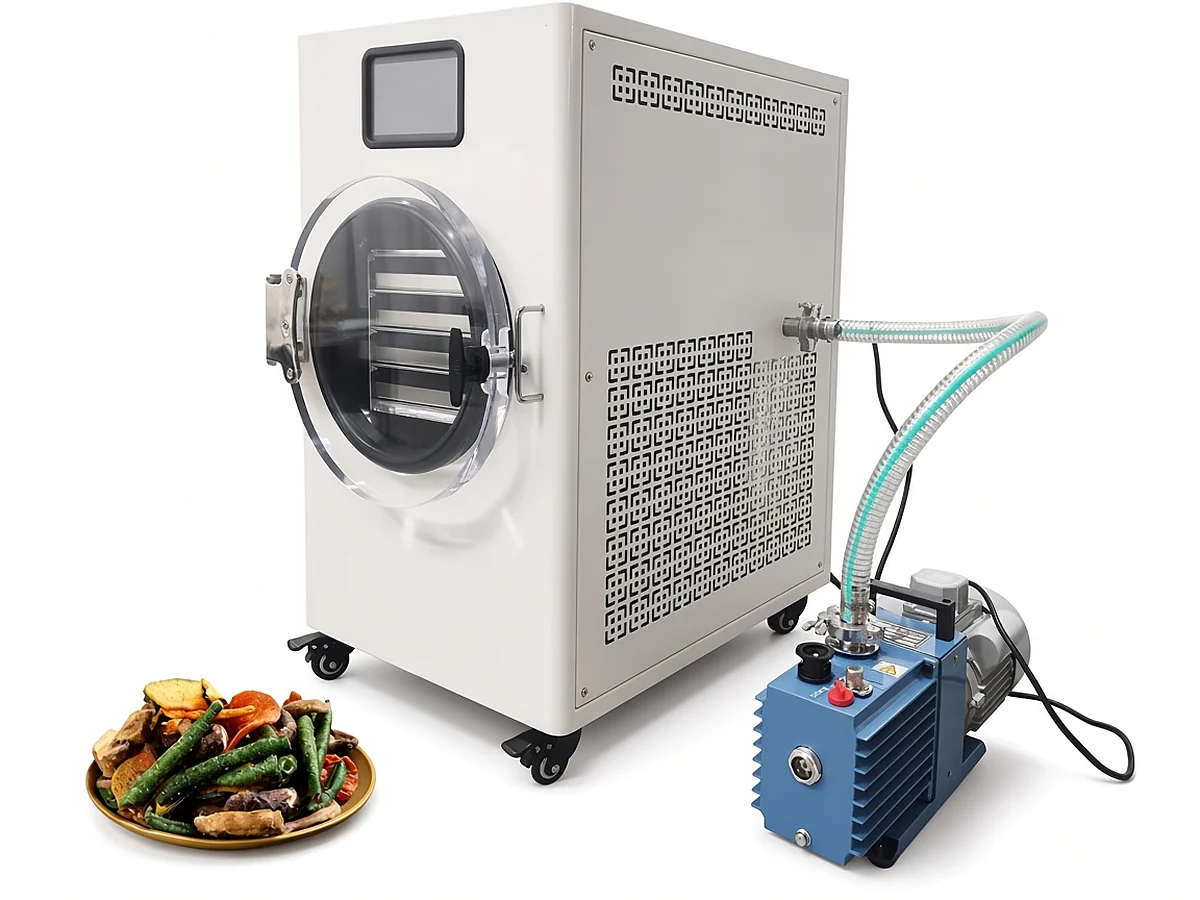
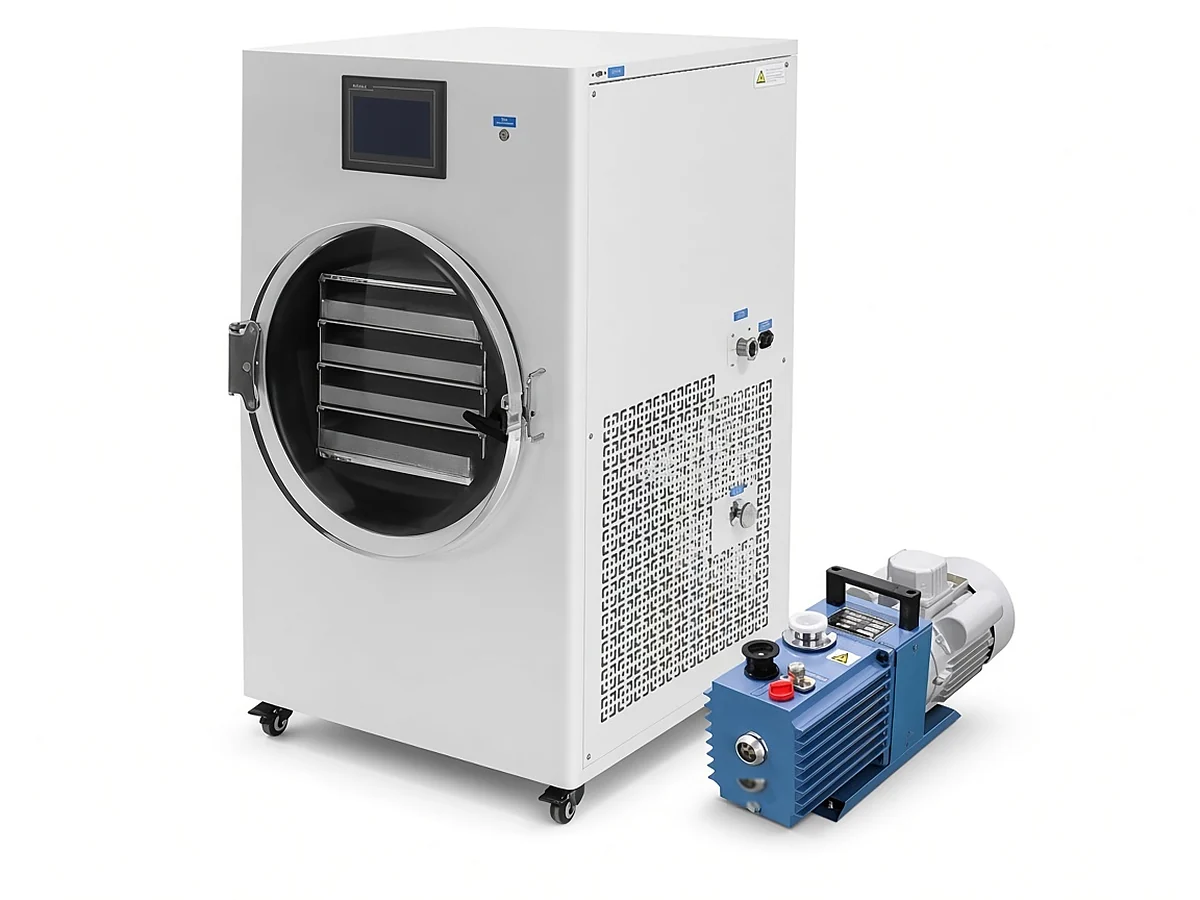
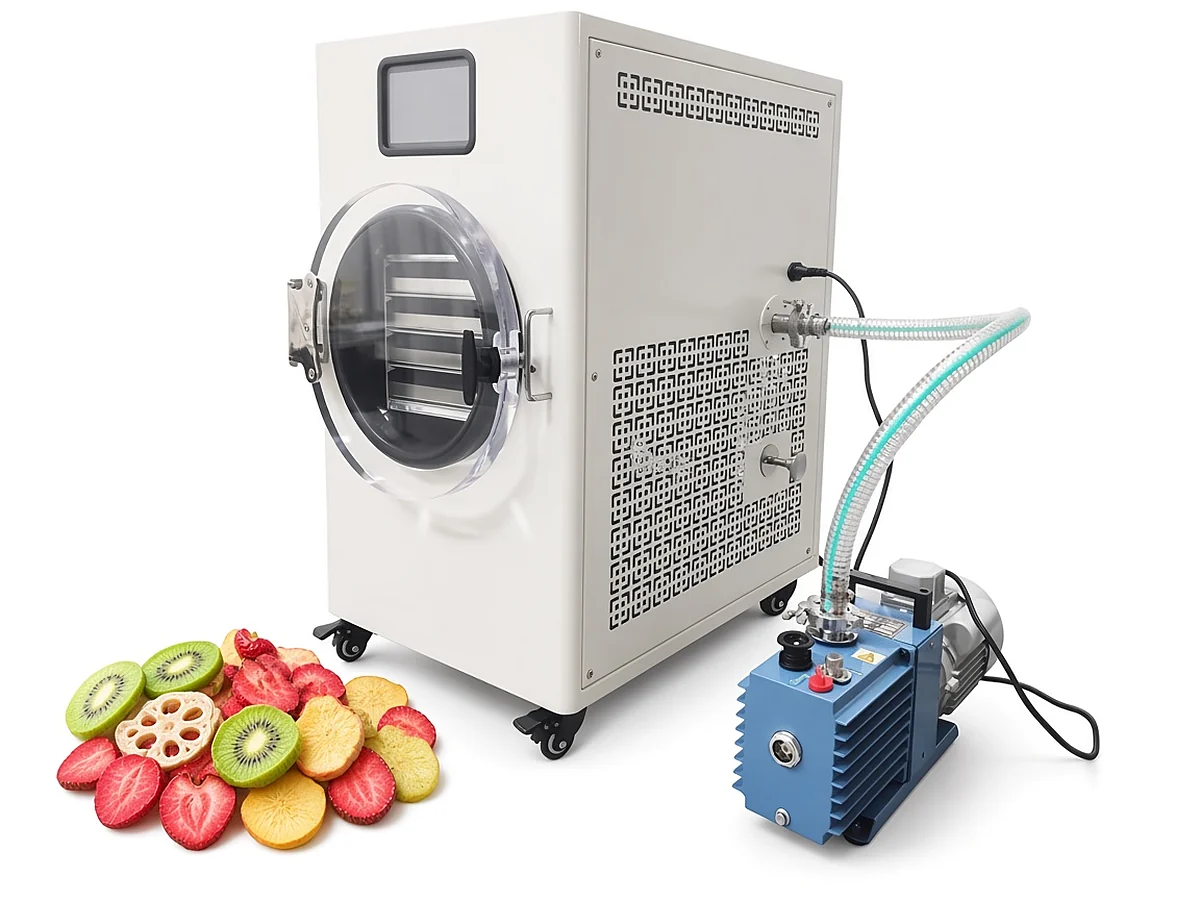
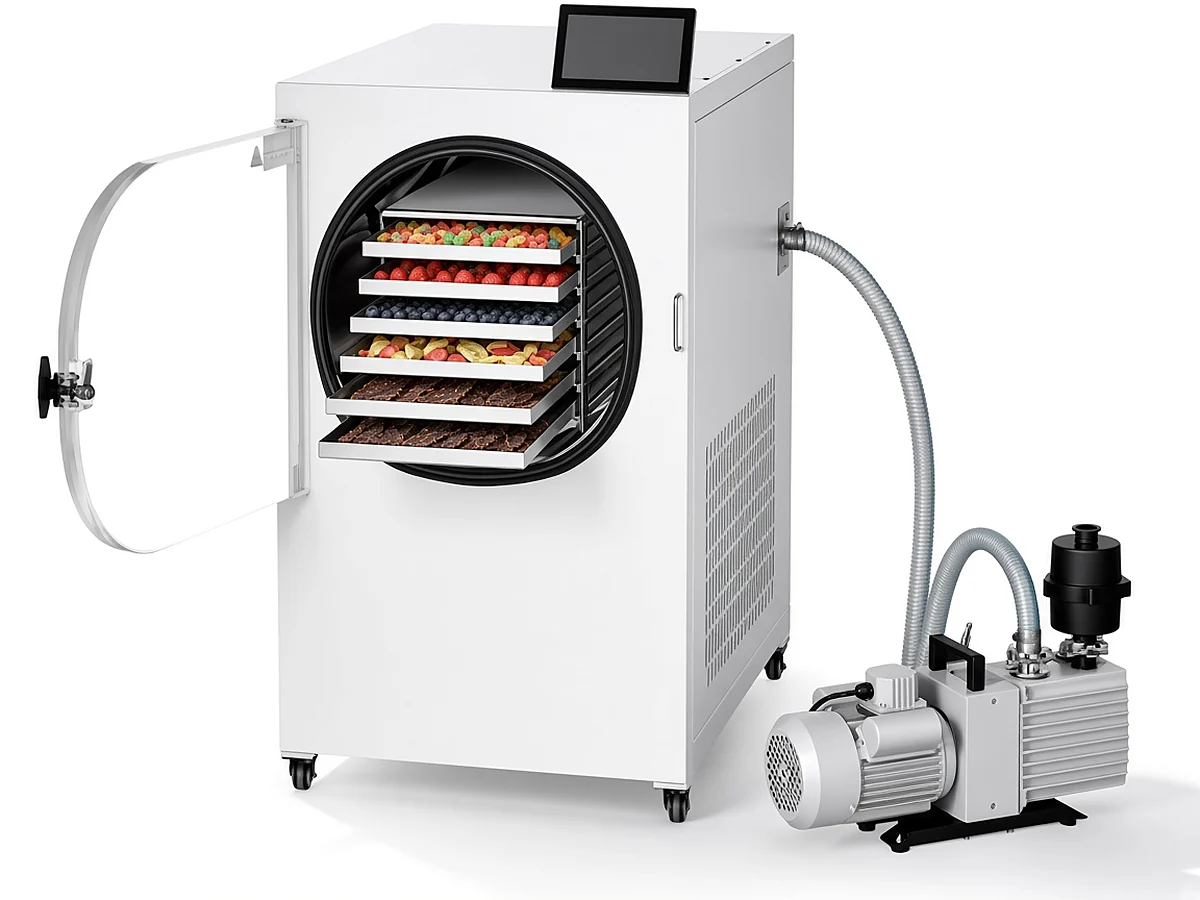
Food Storage & Safety · Freeze Dryers, Shelf Life, Mylar Bags
Updated 30 October 2026
Freeze-dried food is only as good as its packaging. Straight out of the machine it is so dry that it starts pulling moisture from the air within minutes, and once it does, it softens, loses quality and can eventually spoil. The good news is that the storage rules are simple and well documented by university extension services.
This guide covers how to check food is ready to pack, which containers suit short and long-term storage, how to size oxygen absorbers, and what the evidence really says about the "25 years" shelf-life claim. The advice applies whichever machine you use.
What you'll need to store freeze-dried food
Plan on Mylar bags, oxygen absorbers and a sealer for long-term storage, and jars for food you will open often.
Mylar bags without windows (Required): Light-blocking, heat-sealable bags are the standard for long-term storage. Check the thickness (Utah State suggests 5 to 7 mil) and whether the listing quotes it per side or for both sides together.
Oxygen absorbers sized to the container (Required): Buying bags and absorbers as a bundle keeps sizes matched; keep spares sealed, because absorbers start working as soon as the pack is opened.
An impulse heat sealer rated for your bags (Required): A clean, wide seal is what keeps air and moisture out; a household iron is hit and miss. Check that the sealer's maximum thickness covers the bags you buy.
Glass jars (Recommended): Jars suit food you open often. Add an absorber or vacuum-seal the lid for longer storage, and keep them in the dark.
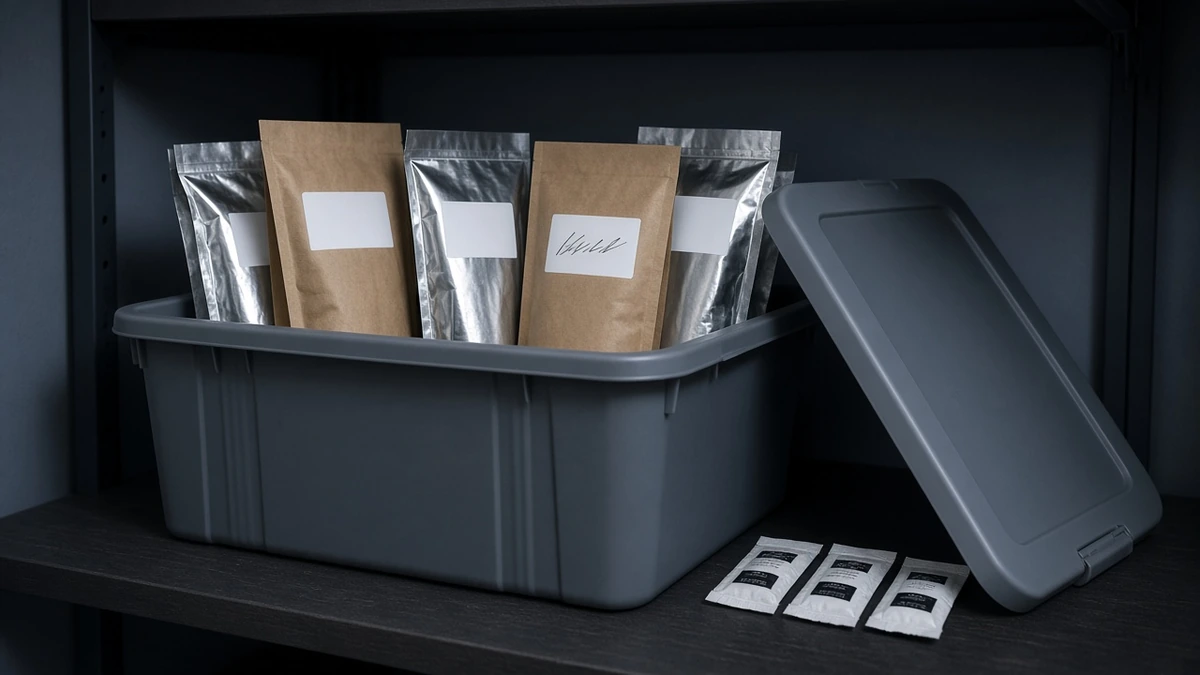
A food-safe bucket or tote (Recommended): Protects Mylar bags from pests and light.
Step 1: Make sure it is completely dry
Packaging food that is not fully dry is the most common way to lose a batch. Harvest Right's owner's manual, for example, warns that a few pieces that are not dry can make everything in the bag turn wet and soft. Before you pack:
Break the thickest pieces. Food that is cold or damp in the middle still holds moisture.
Sample every tray. The University of Minnesota Extension says units can dry unevenly, and that a dark spot in the middle of a cut piece indicates moisture. If any sample has one, it says to return all the trays to the machine.
Feel the texture. The LSU AgCenter FAQ says the inside should feel dry, not cool or sticky, and the texture crisp and brittle rather than rubbery.
Watch the clock. LSU says that if finished food has sat in a warm or humid room for more than 24 hours, condensation may have formed and a short drying cycle should be rerun before packaging.
If batches often come out damp, our guide to freeze drying batch times explains why some foods need longer.
Step 2: Package it quickly
Take the trays out as soon as the batch finishes and package the food straight away. Harvest Right's manual, as one example, recommends removing trays promptly and offers a Warm Trays function if they have cooled again; check whether your machine has a similar option. Cold food straight from a chilled chamber collects condensation. Minnesota Extension notes that even ordinary kitchen humidity can affect freeze-dried food.
Choosing a container
The right container depends on how long you plan to keep the food. Extension sources broadly agree on the tiers, though they draw the lines slightly differently:
Container | Suitable for | What to know |
|---|---|---|
Mylar bags with an oxygen absorber | Long-term storage | Block light, air and moisture; heat seal with an impulse sealer |
#10 cans with an oxygen absorber | Long-term storage | Light-proof and pest-proof, but need a can sealer |
Glass canning jars | Medium term, or long term with an absorber or vacuum lid | Keep in the dark; use the food quickly once opened |
Vacuum-sealed plastic bags | About 2–3 years | Plastic still lets some air and moisture through |
Zip-top bags or resealable containers | Short term | Penn State says a few months and Arizona about a month; LSU allows medium term |
The table draws on Penn State Extension, LSU and University of Arizona Extension's Preparing and Storing Your Freeze Dried Products. A few details are worth expanding:
Mylar thickness. Utah State University Extension recommends thick 5 to 7 mil bags without clear plastic windows, because windowed bags let more air and moisture through. Arizona says the longer you plan to store food, the thicker the bag should be.
Vacuum bags. Minnesota warns that some vacuum sealer bags sold for sous vide or general storage are not true moisture-barrier bags and may let air and moisture through.
Jars. Sources differ here. Arizona treats canning jars with an oxygen absorber or vacuum lid as suitable for medium or long-term storage, while LSU lists canning jars without vacuum sealing as medium term and vacuum-sealed jars as long term. Both agree jars need to be kept out of the light, since Arizona notes light breaks down fats, proteins and vitamins.
Pests. Arizona recommends keeping Mylar bags inside a food-safe bucket or tote to protect them from mice and insects.
What size oxygen absorber should I use?
Oxygen absorbers are small sachets that remove the remaining oxygen from a sealed container. Arizona Extension gives this guide by container size:
Container size | Oxygen absorber |
|---|---|
1 quart | 100 cc |
1 gallon | One 300 cc |
2 gallons | Two 500 cc or one 1,000 cc |
5 gallons | Three 1,000 cc |
Utah State's supplies guide agrees that a single 300 cc absorber should be enough for a 1-gallon bag.
Handling matters as much as size. Harvest Right's manual says to open a pack of absorbers only when the food is already in the bags and ready to seal, then reseal the rest straight away. The absorbers heat up as they react with air, which is normal, but if they are left out too long they may be spent before the bag is sealed.
Bigger is not always better. The Blue Alpine owner's manual explains that every oxygen absorber contains a little water to drive its reaction, about 0.77 g in a typical 300 cc ferrous absorber. In a full bag that is harmless, but a large absorber in a bag with only a little food can make the food soggy. It recommends packing plenty of food per bag, using the fewest absorbers that do the job and placing two absorbers at opposite ends of a bag. Our step-by-step guide to sealing Mylar bags with oxygen absorbers covers the routine.
Sealing the bag
Press out as much air as you can before sealing, as Arizona Extension advises.
Use an impulse sealer for Mylar. Manuals suggest more than one seal; Harvest Right's, for example, says seal twice to be safe. Some machines include a sealer, bags and absorbers (Blue Alpine's manual lists all three in the box); the VEVOR HFD-4 listing does not mention packaging supplies, so budget for them.
Make sure there are no folds in the seal. Harvest Right's manual warns that a sealed fold is likely to let air in.
Label each package with the food, whether it was raw or cooked, and the date, as Minnesota Extension recommends. The raw or cooked label matters: raw freeze-dried meat and eggs must be cooked before eating. See our food safety guide.
Where to store it
Cool, dark and dry, in every source we read. Arizona gives the most specific guidance: an optimal storage range of 32 °F to 75 °F, with best quality below 60 °F, and faster deterioration above 80 to 90 °F. Keep containers away from furnaces, stoves and other heat sources. A pantry, closet or basement shelf works, provided it is not damp.
How long does freeze-dried food last?
This is where marketing and evidence part company. Manufacturers and retail listings commonly quote 25 years or more. Figures like these appear widely, but extension services are more cautious about food dried at home:
Minnesota Extension says that because home freeze drying is relatively new, there is limited information on shelf life. The 25-year figure applies to commercially prepared freeze-dried foods.
LSU AgCenter also notes a lack of extensive data for home-processed food and links the 25-year estimate to commercial products.
Utah State Extension says freeze-dried foods can stay safe and stable for 10 to 15 years, and sometimes up to 25, in airtight Mylar with oxygen absorbers in cool, dark, dry conditions. But it also says eating home freeze-dried products is not recommended beyond 5 to 10 years after processing, because they lose nutrients and quality faster than commercial products. It adds that sensitive vitamins such as vitamin C can decline significantly within 1 to 3 years.
Our reading: for food dried at home, plan to use it and rotate it within Utah State's 5 to 10 year window, and treat 25 years as a figure for commercial products rather than a promise for your pantry.
How long does it last after opening?
There is no research-based timeline for opened home freeze-dried food. What the sources do say:
Arizona says to keep food sealed until you need it and to reseal or vacuum seal a part-used container immediately. It describes resealable jars without an absorber as suitable for food you will eat within a month.
Penn State says Mylar bags can be resealed once opened, and that the contents of an opened can should be used as soon as possible.
Harvest Right's owner's manual says food containing animal fat may go rancid, and once opened should be refrigerated or used immediately.
High-fat foods are the weak point in storage generally. Stay Fresh's user manual notes that freeze drying removes only water, so oil stays in the food and can go rancid after it is sealed.
Signs something has gone wrong
Food that has turned soft, chewy or sticky has picked up moisture, from incomplete drying, a poor seal, a punctured bag or a spent absorber. Discard anything showing mould, discolouration, an off smell or an off taste; LSU lists these as signs of spoilage. Utah State warns that if stored food takes on moisture, its water activity rises and bacteria that survived drying can become active again. That matters more inside a sealed, oxygen-free bag: LSU AgCenter warns that moist pockets in low-oxygen conditions can allow Clostridium botulinum to grow and produce toxin. Blue Alpine's manual is blunt about it: do not eat freeze-dried food that has gone soggy in the bag. When in doubt, throw it out.
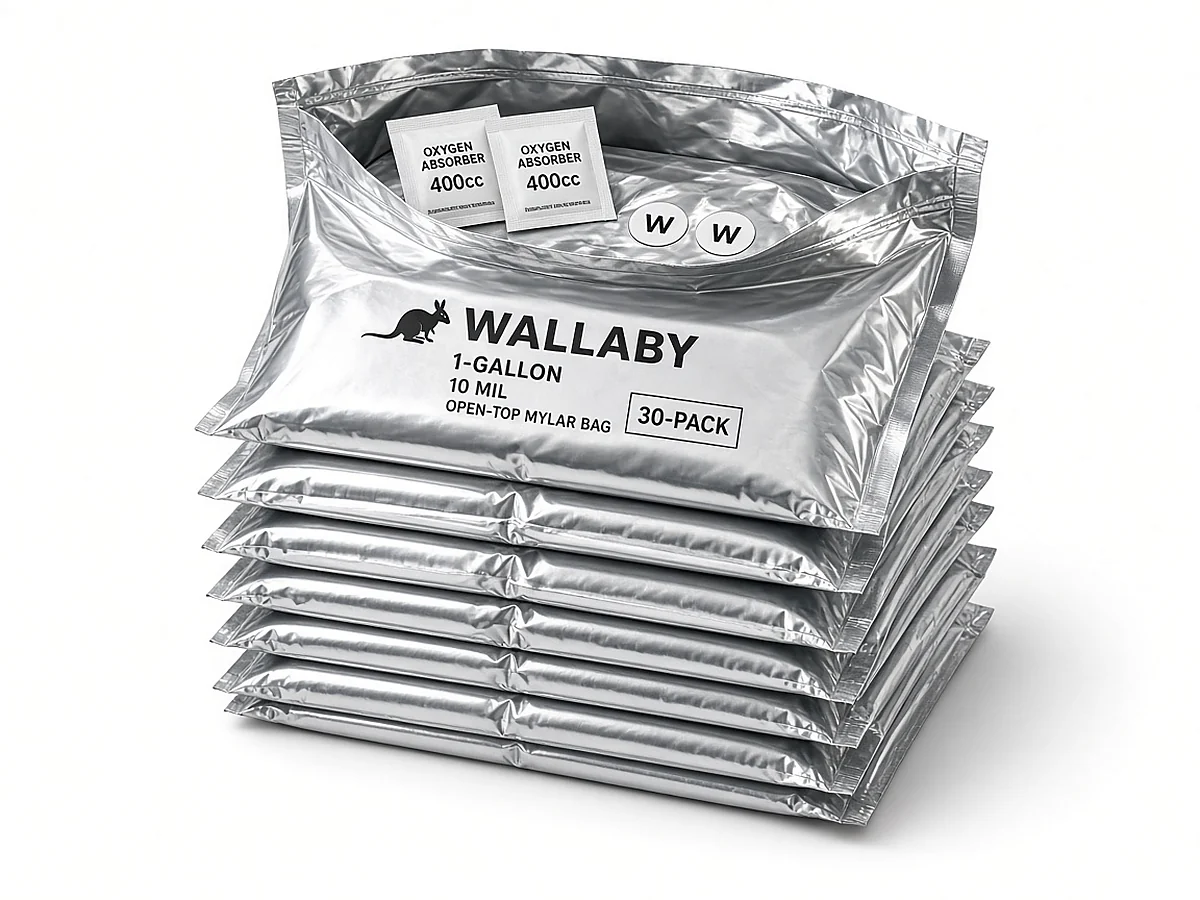
Related on Amazon: Wallaby 1-Gallon 10 Mil Mylar Bags with Oxygen Absorbers (30-pack).
Amazon listings for the products in this guide
Direct links to the Amazon listings for the products named or shown in this guide:
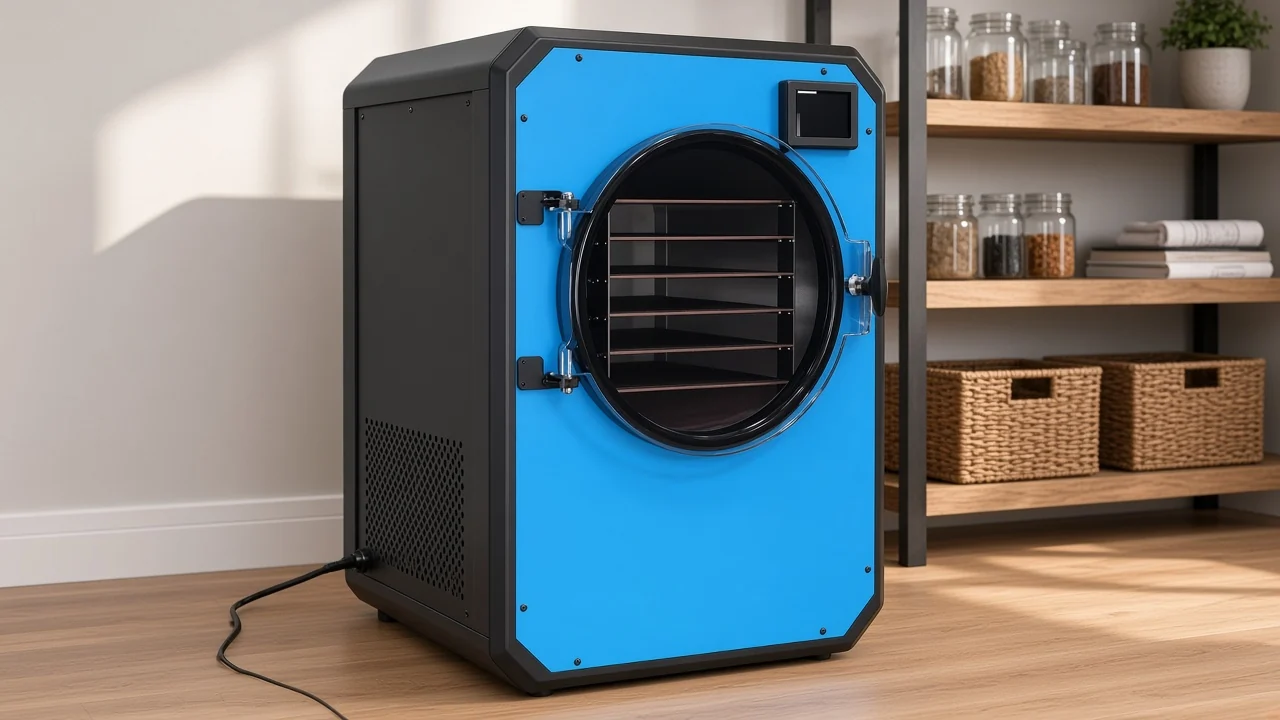
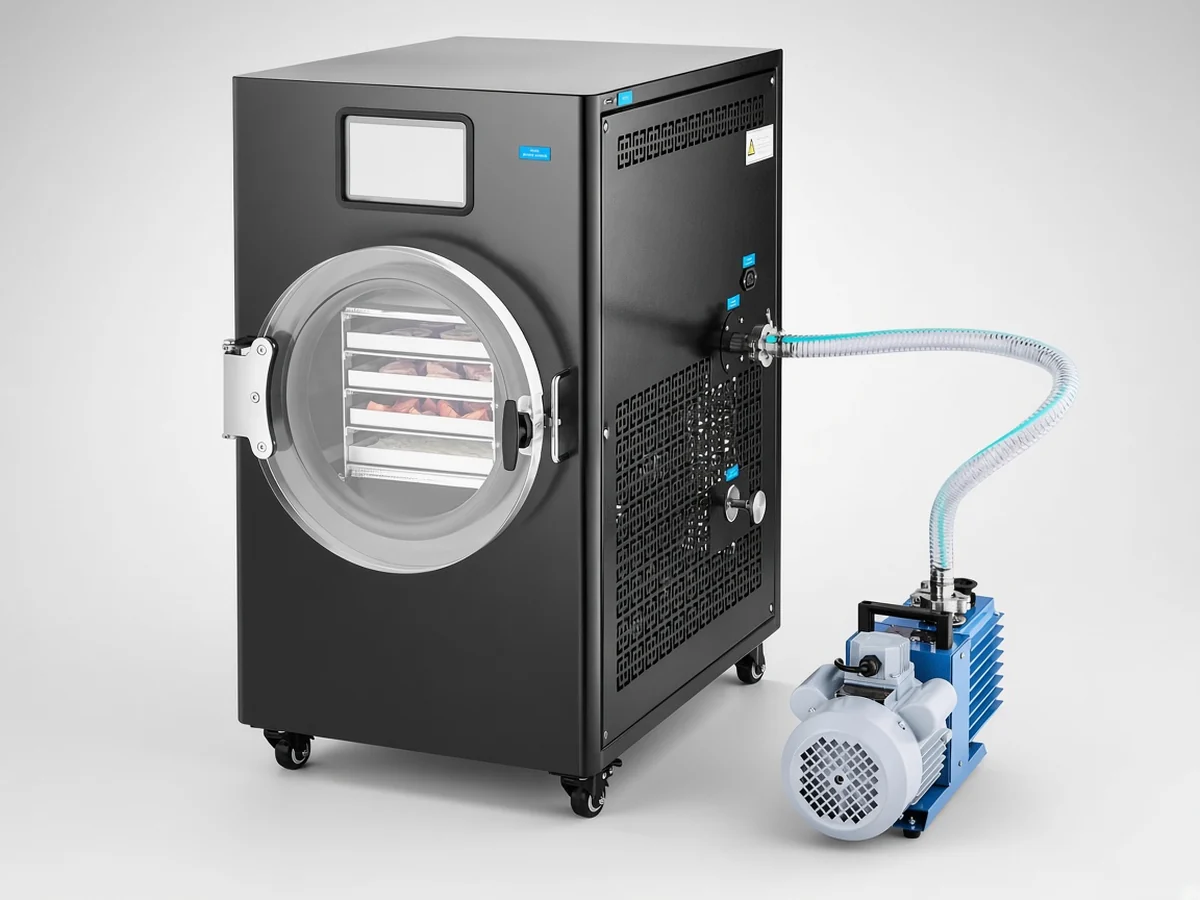
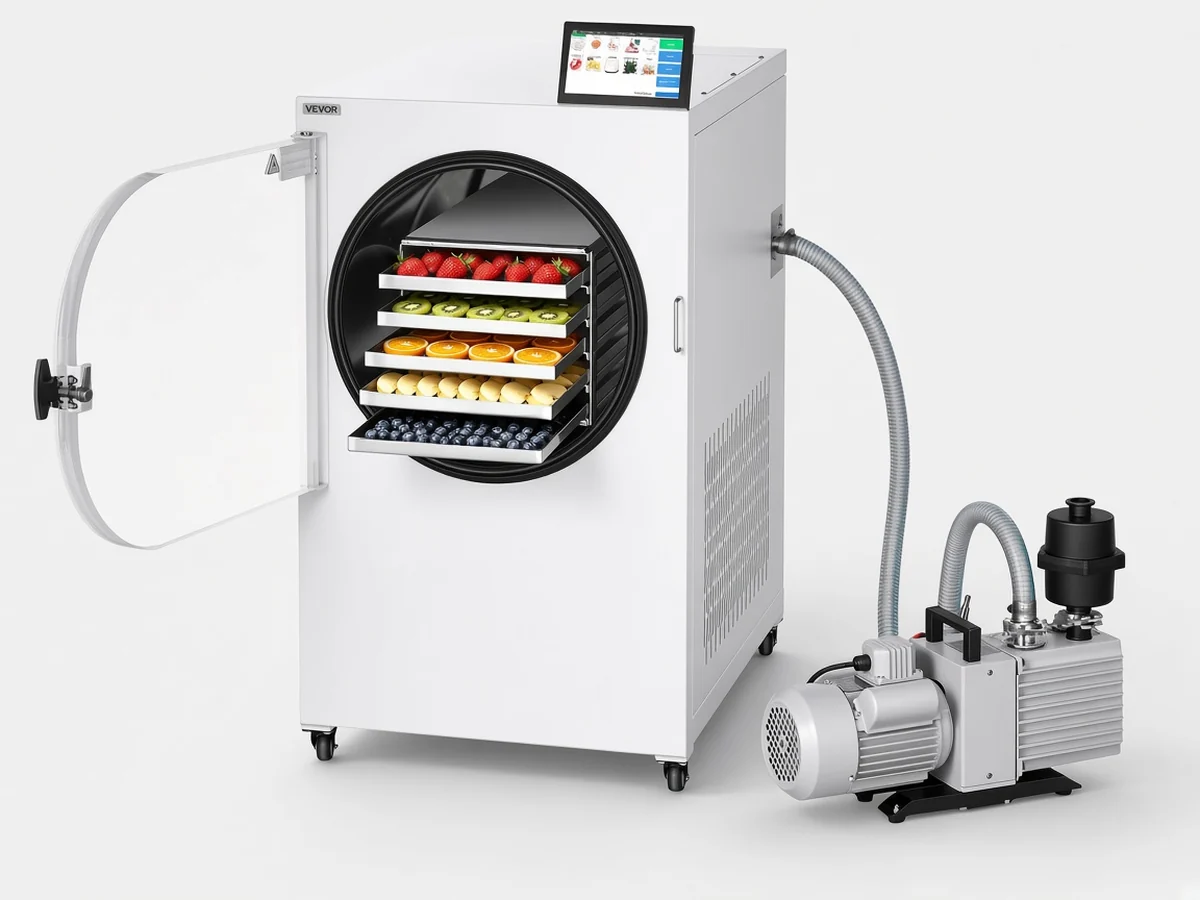
- VEVOR HFD-4 Vacuum Freeze Dryer (4 trays) – View on Amazon
- Wallaby 1-Gallon 10 Mil Mylar Bags with Oxygen Absorbers, 30-Pack – See the Amazon listing
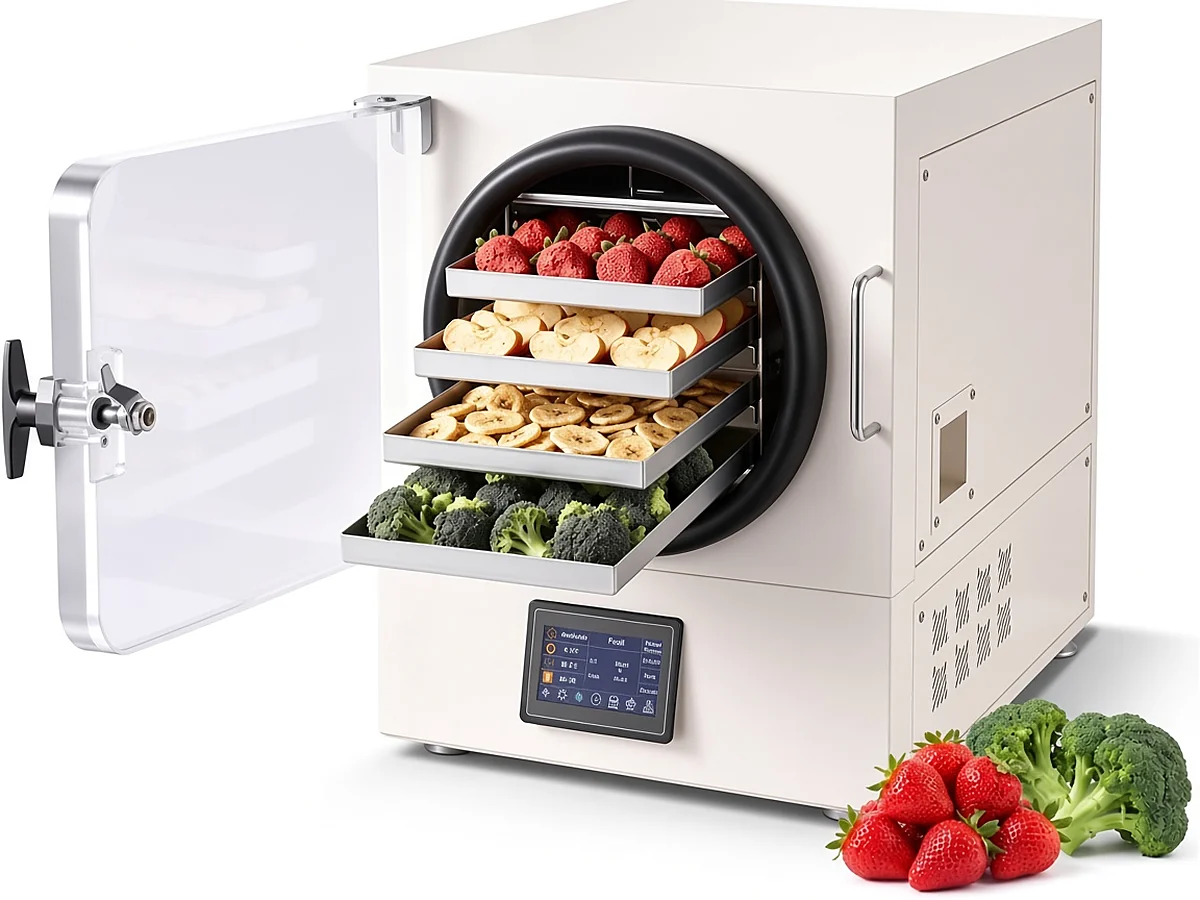
- Blue Alpine Medium Select Freeze Dryer – Check availability on Amazon
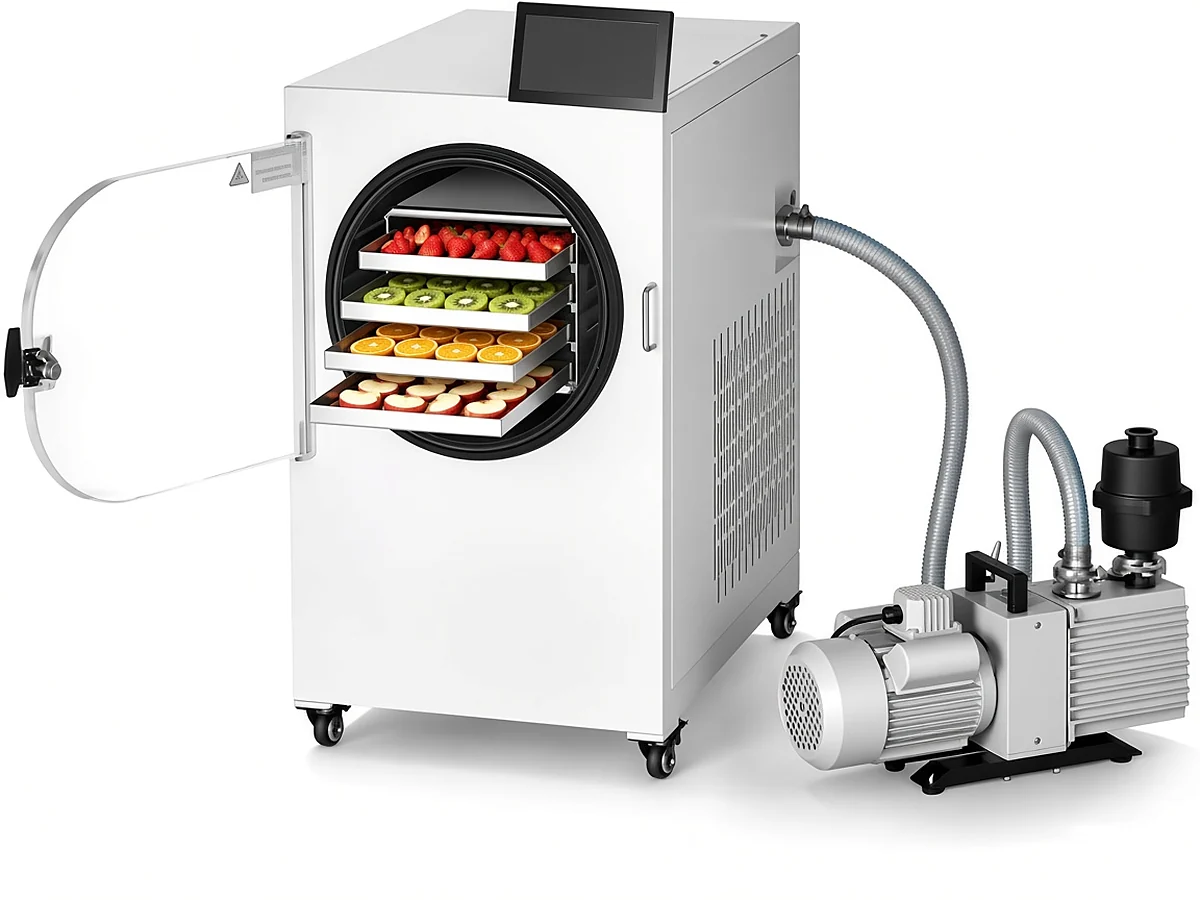
- VEVOR Vacuum Freeze Dryer, 5 Trays, 10 Presets – View on Amazon
- VEVOR HFD-2 Vacuum Freeze Dryer, 4 Trays, 5 Presets – See the Amazon listing
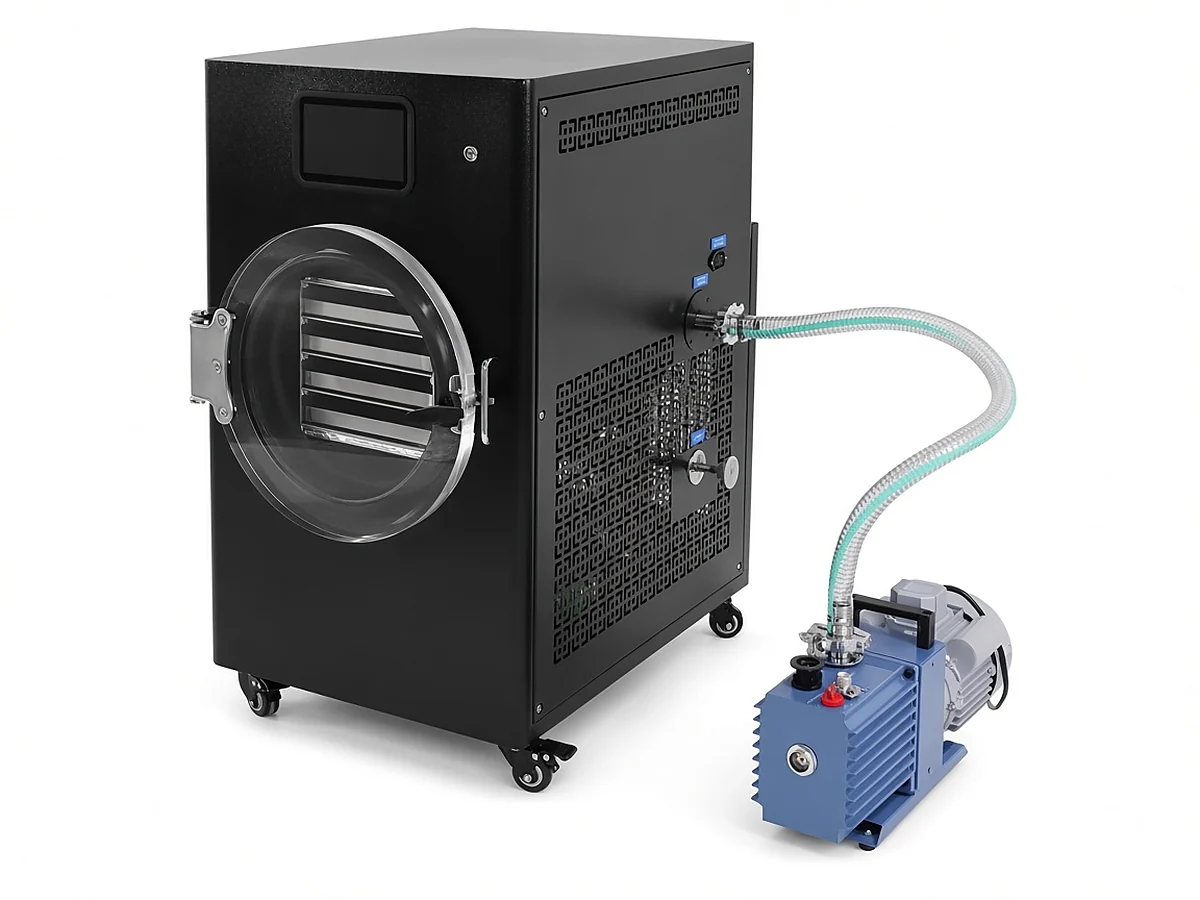
- VEVOR SJ-05H Vacuum Freeze Dryer, 4 Trays, 10 Presets
Frequently asked questions
How long does freeze-dried food last in Mylar bags?
Properly dried food sealed in Mylar with an oxygen absorber and stored cool and dark can last for years, but it is not guaranteed. For home-dried food, Utah State advises against eating it beyond 5 to 10 years, and actual shelf life depends on the food, its fat content, how dry it is and the storage temperature.
Can I store freeze-dried food in mason jars?
Yes. Without an absorber, University of Arizona Extension treats a resealable jar as storage for food you will eat within about a month. With an oxygen absorber or a vacuum-sealed lid, Arizona and LSU both treat jars as suitable for longer storage. Keep jars out of light either way.
How do I know if stored freeze-dried food has gone bad?
Softness, stickiness, off smells or visible mould mean moisture got in. Discard it rather than re-drying.
Related guides
Storage and safety go together, so read our guide to whether freeze drying kills bacteria before you pack raw meat or eggs. If batches keep coming out damp, see how long freeze drying takes. Still deciding how to preserve food? Freeze dryer vs dehydrator compares shelf life and storage needs for both methods, and our running cost guide covers packaging alongside electricity.