
How to Make Fruit Leather in a Dehydrator
Published 11/14/2026 · Updated 11/24/2026
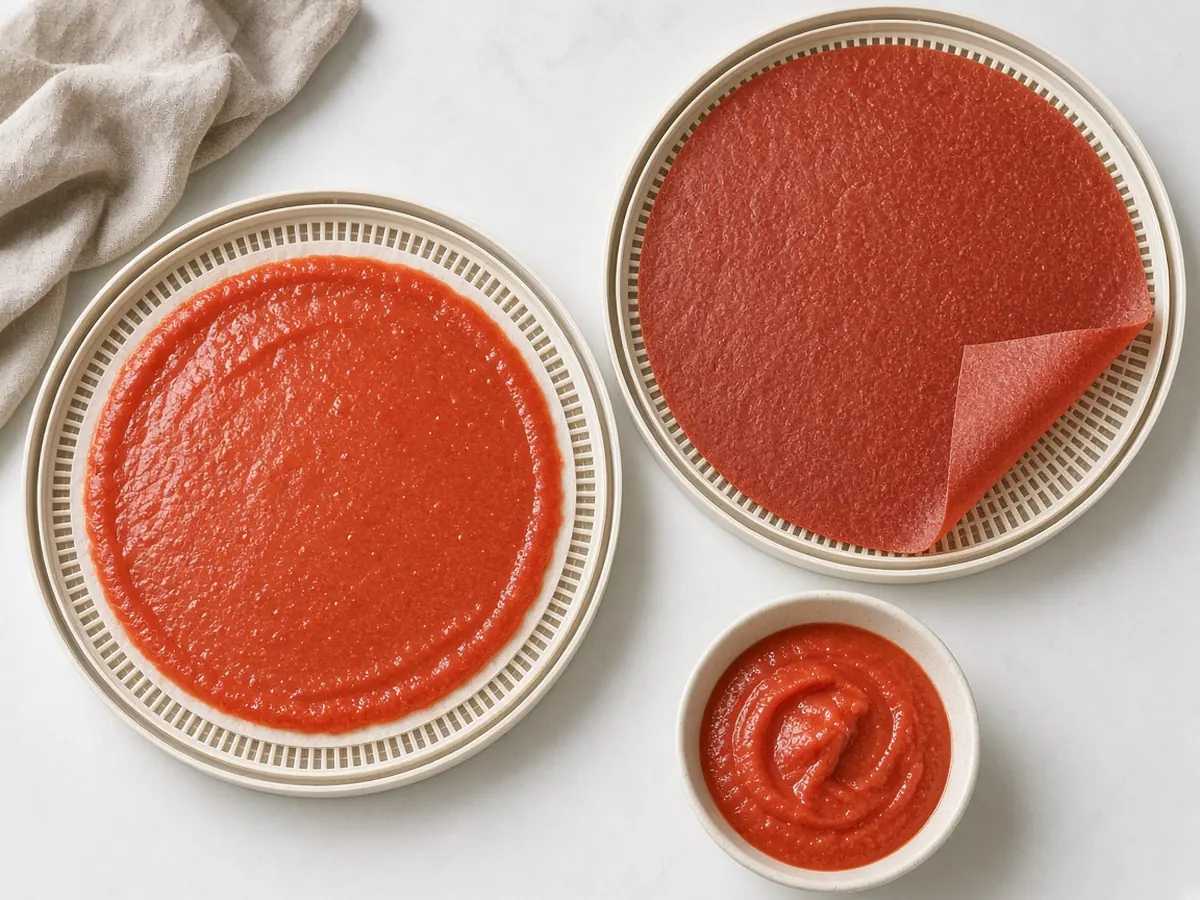
Quick answer
To make fruit leather in a dehydrator, puree fruit, spread it in a thin, even layer on a solid fruit-roll sheet, and dry at 140 °F until a cooled piece has no sticky spots and peels cleanly. That temperature and doneness test come from the National Center for Home Food Preservation and Illinois Extension. You need a solid liner, not an open mesh tray.
Products mentioned in this guide
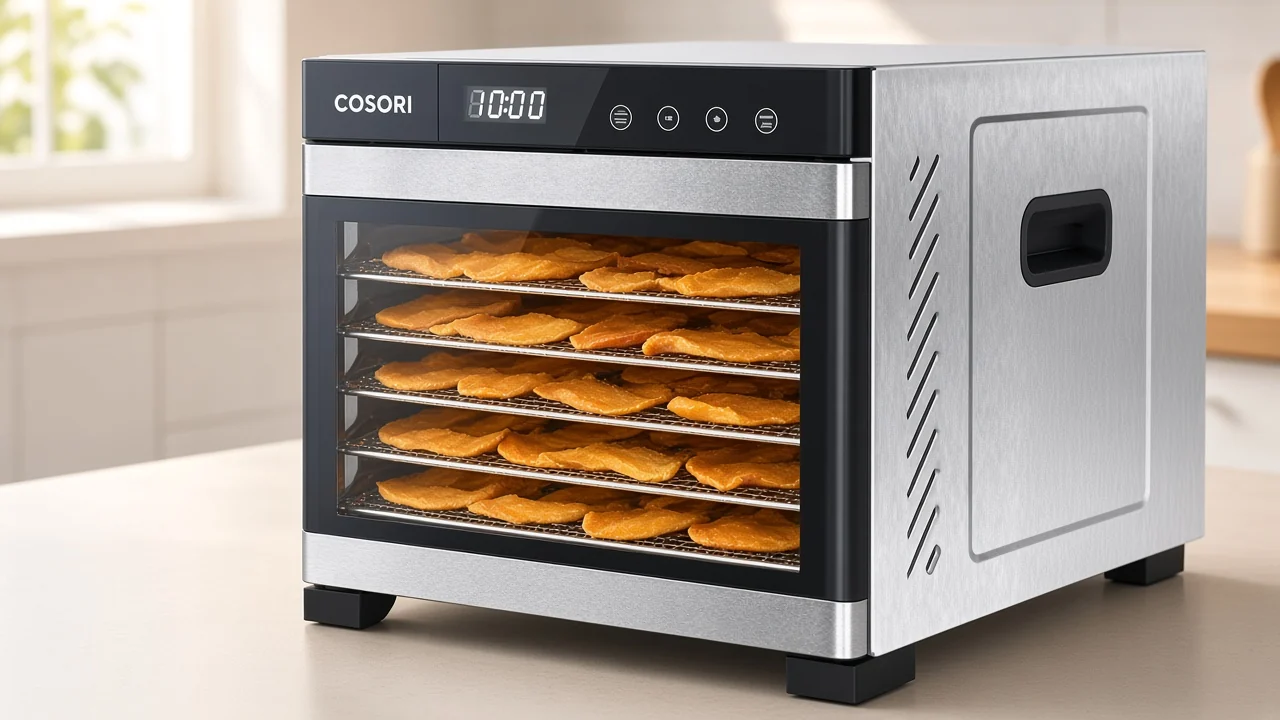
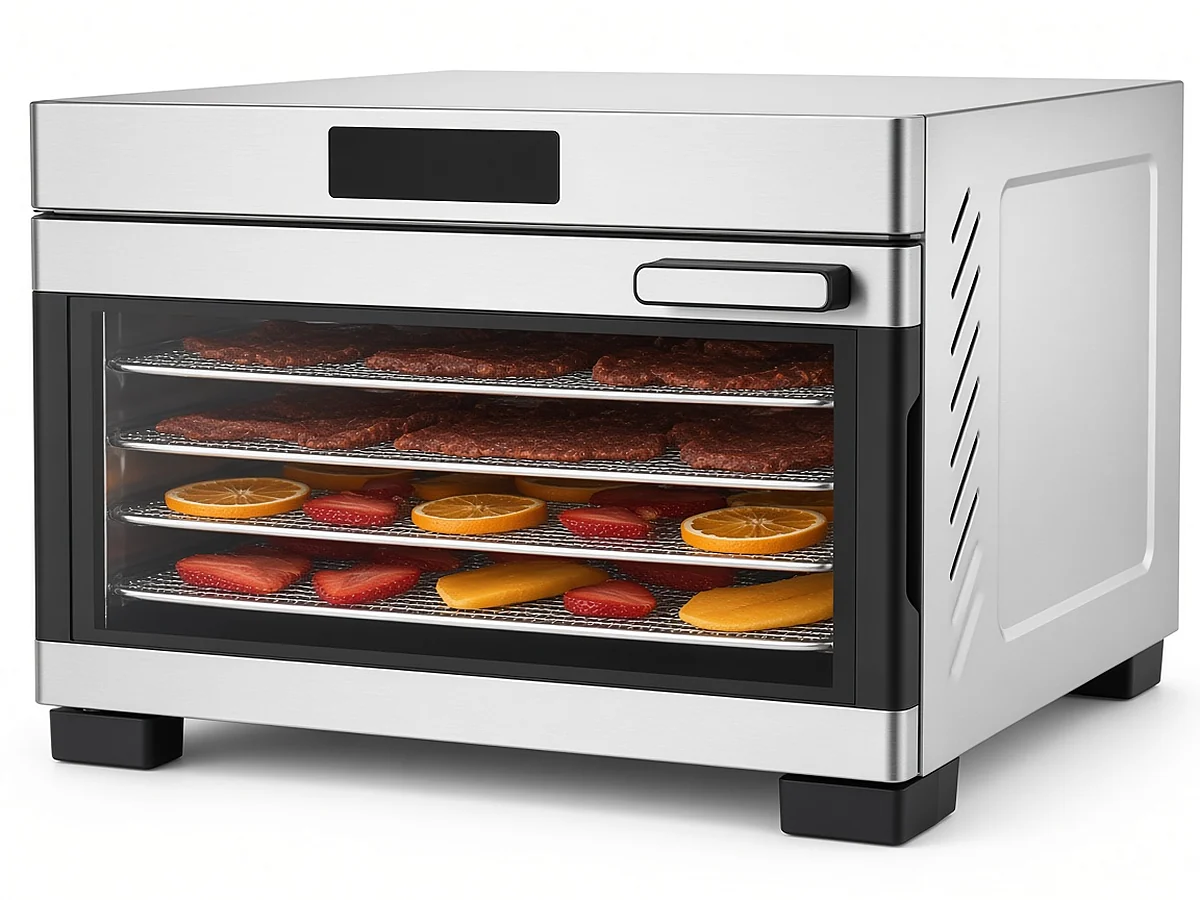
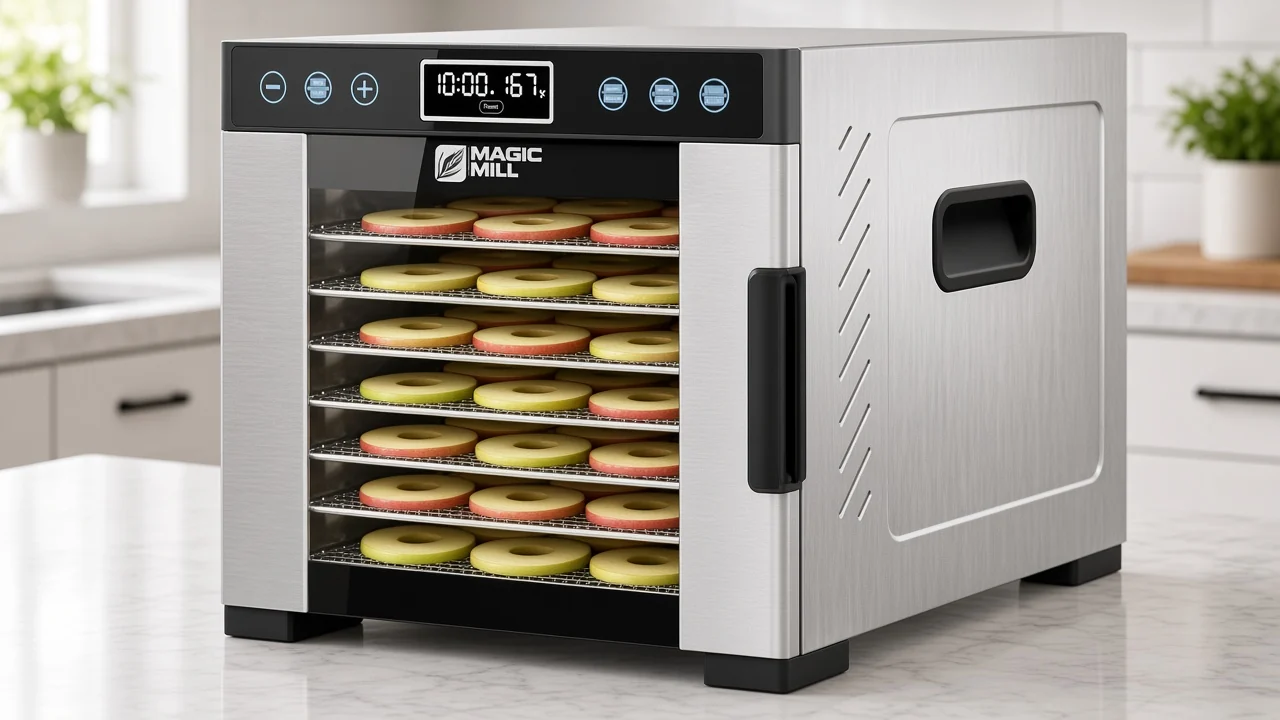 Magic Mill Pro MFD-7700 Food Dehydrator, 7 Stainless TraysMagic Mill · Dehydrator
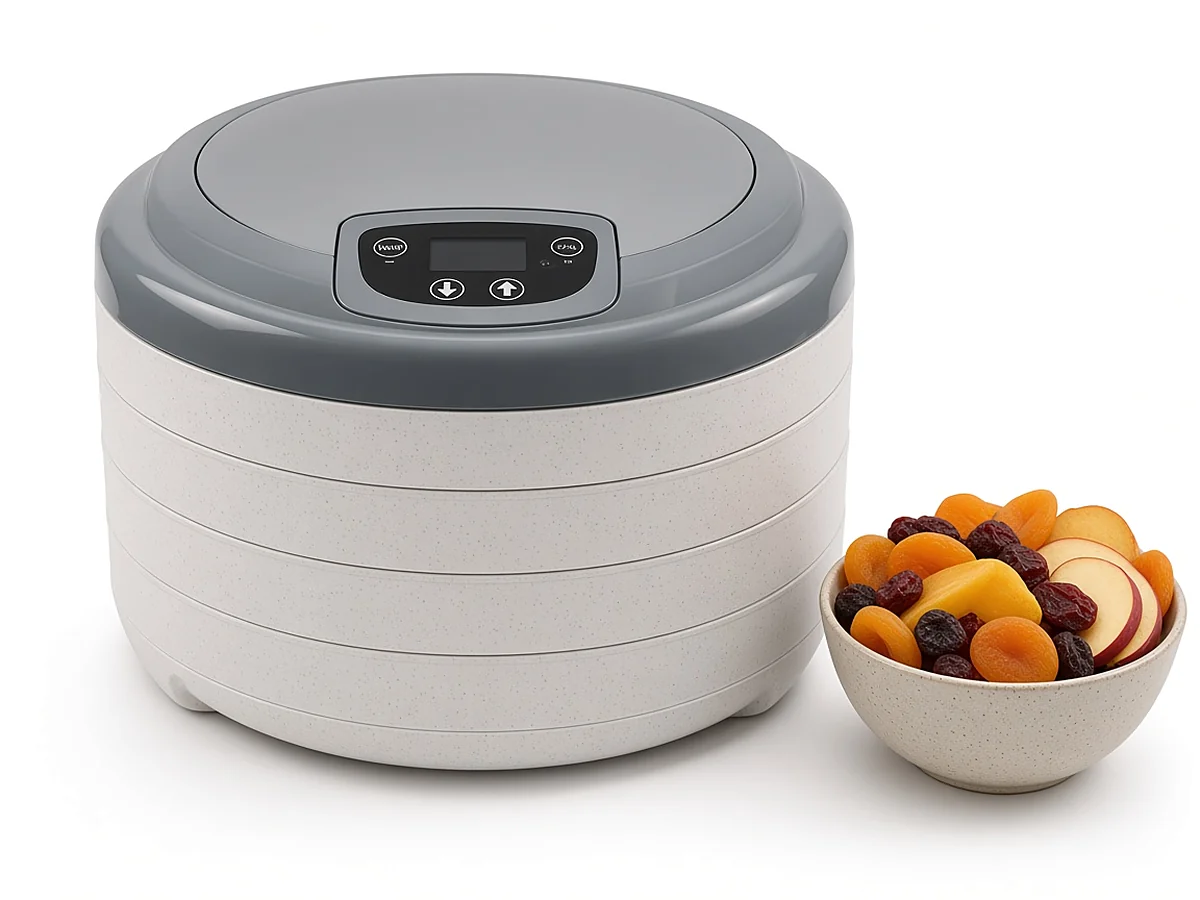
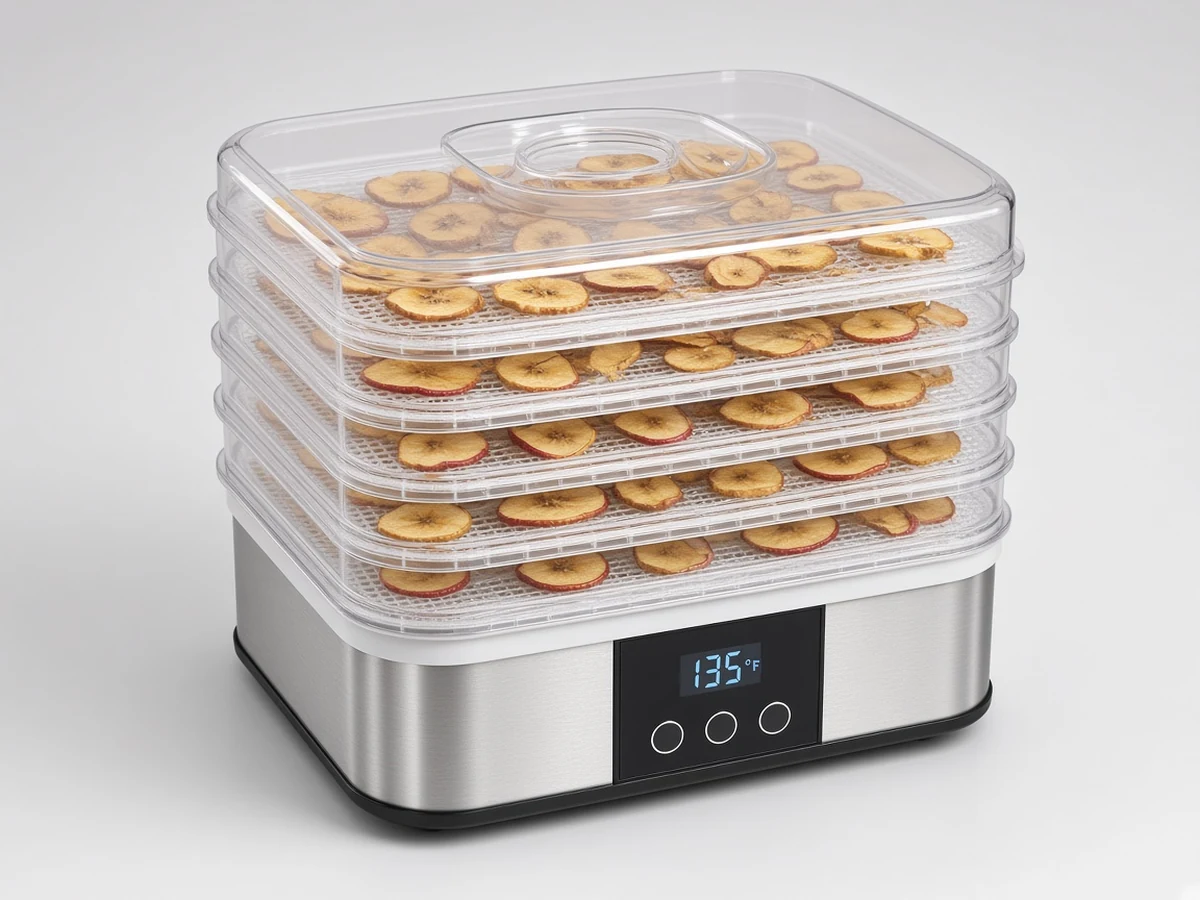 Hamilton Beach 32100A Digital Food Dehydrator, 5 TraysHamilton Beach · Dehydrator
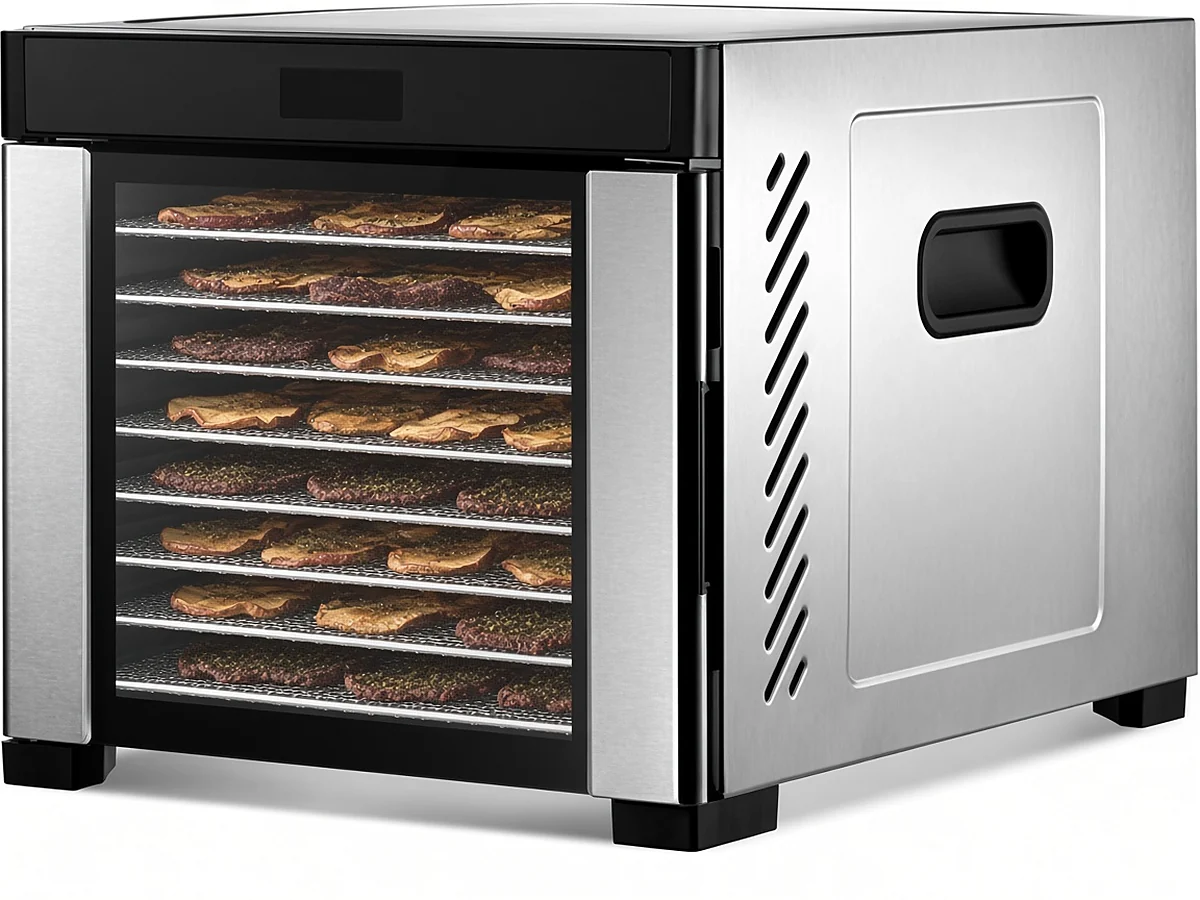 Magic Mill Pro MFD-7070 Food Dehydrator, 7 XL Stainless TraysMagic Mill · Dehydrator
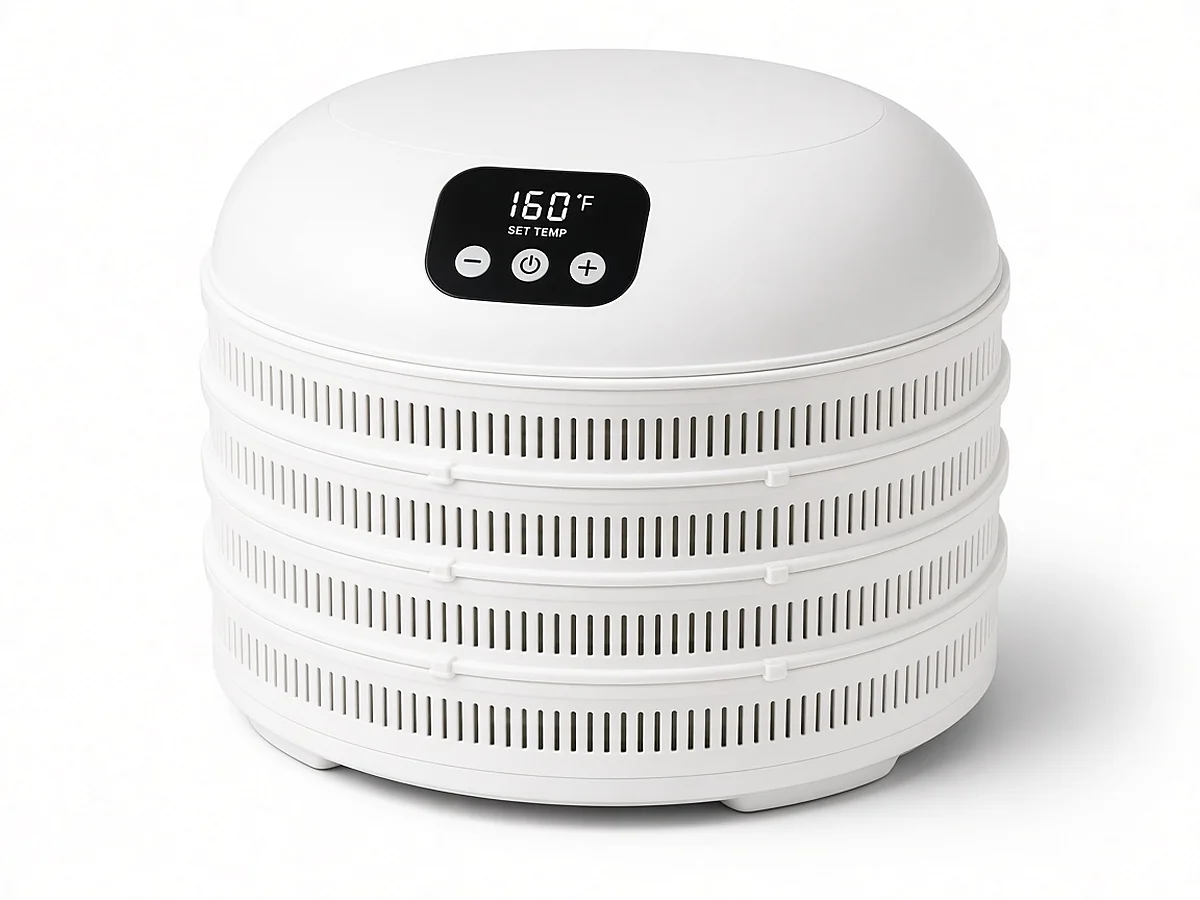
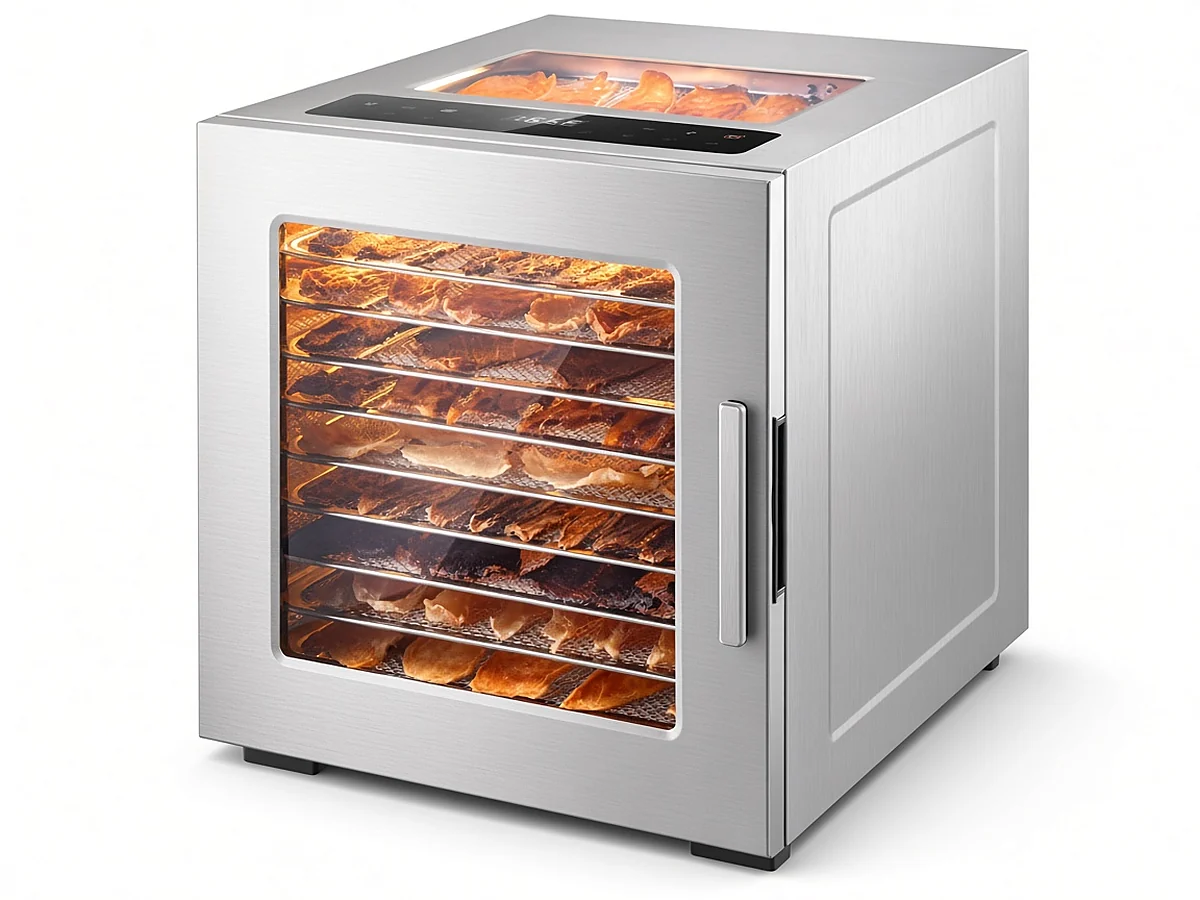
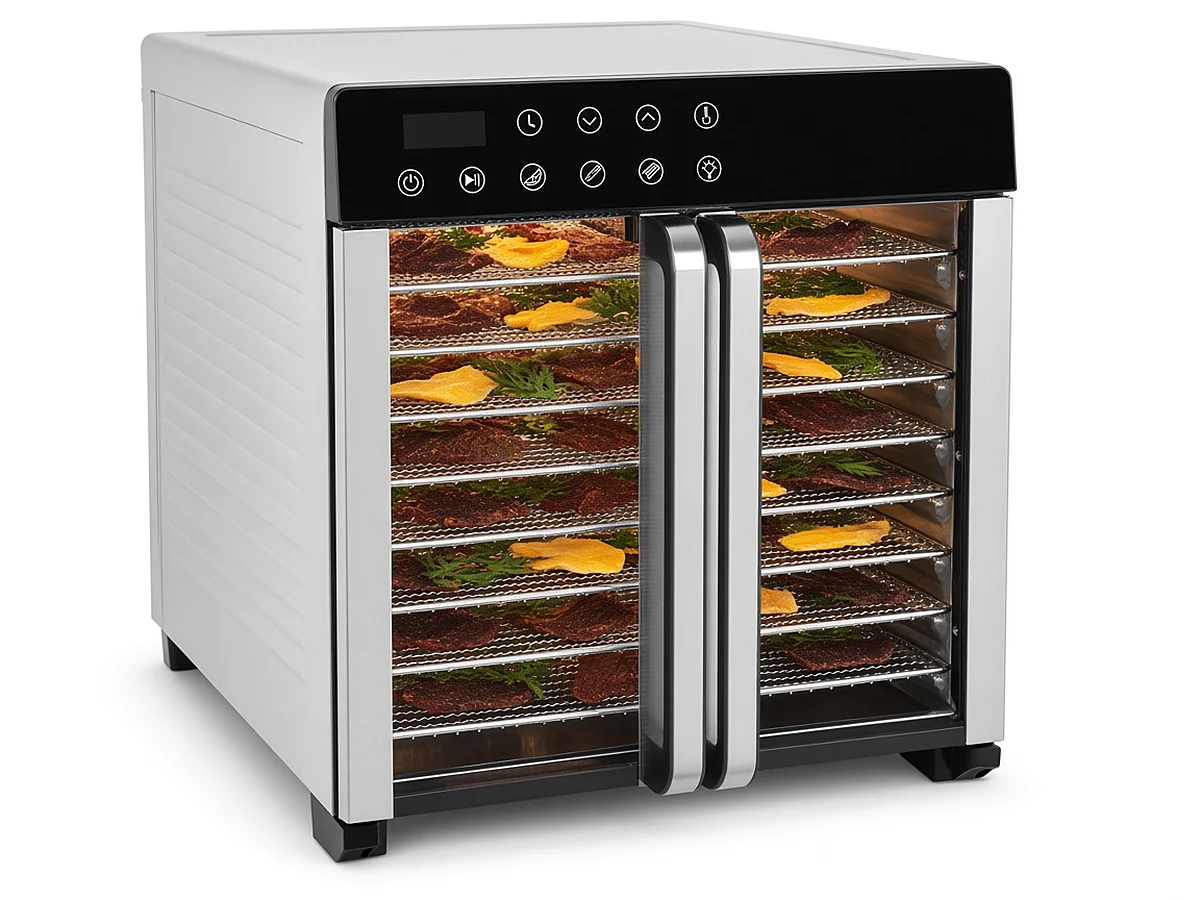 Excalibur Select DH08SCSS13 Food Dehydrator, 8 TraysExcalibur · Dehydrator
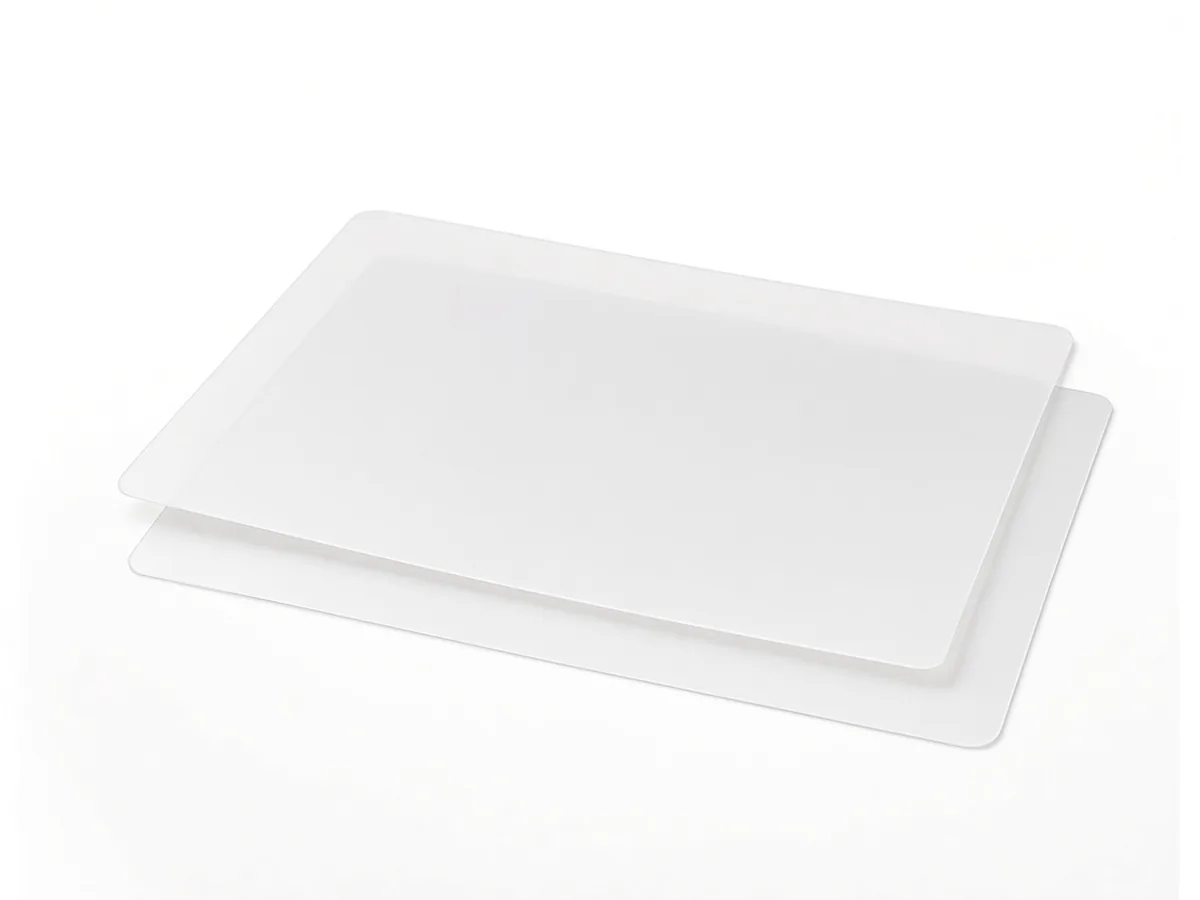
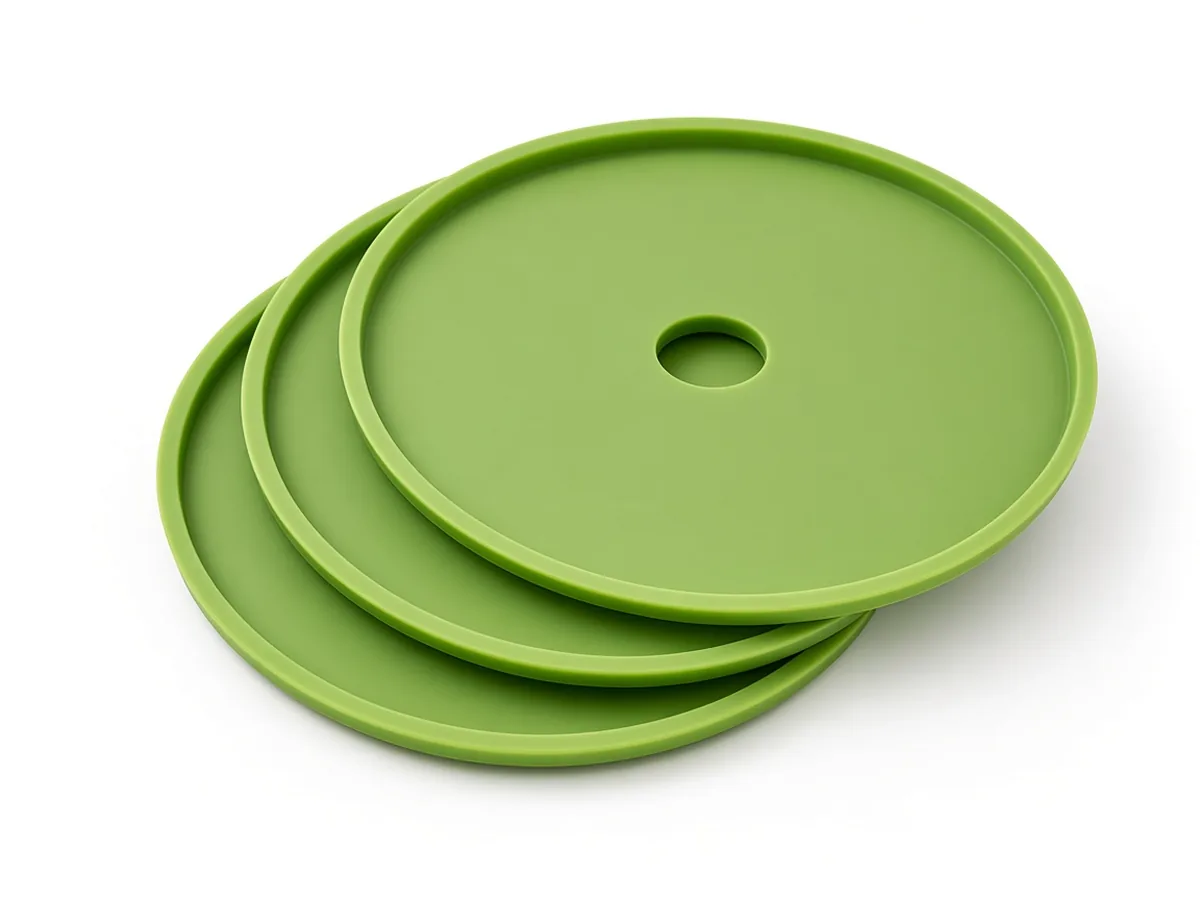 Bright Kitchen Silicone Fruit Leather Sheets for Nesco, 4-PackBright Kitchen · Product
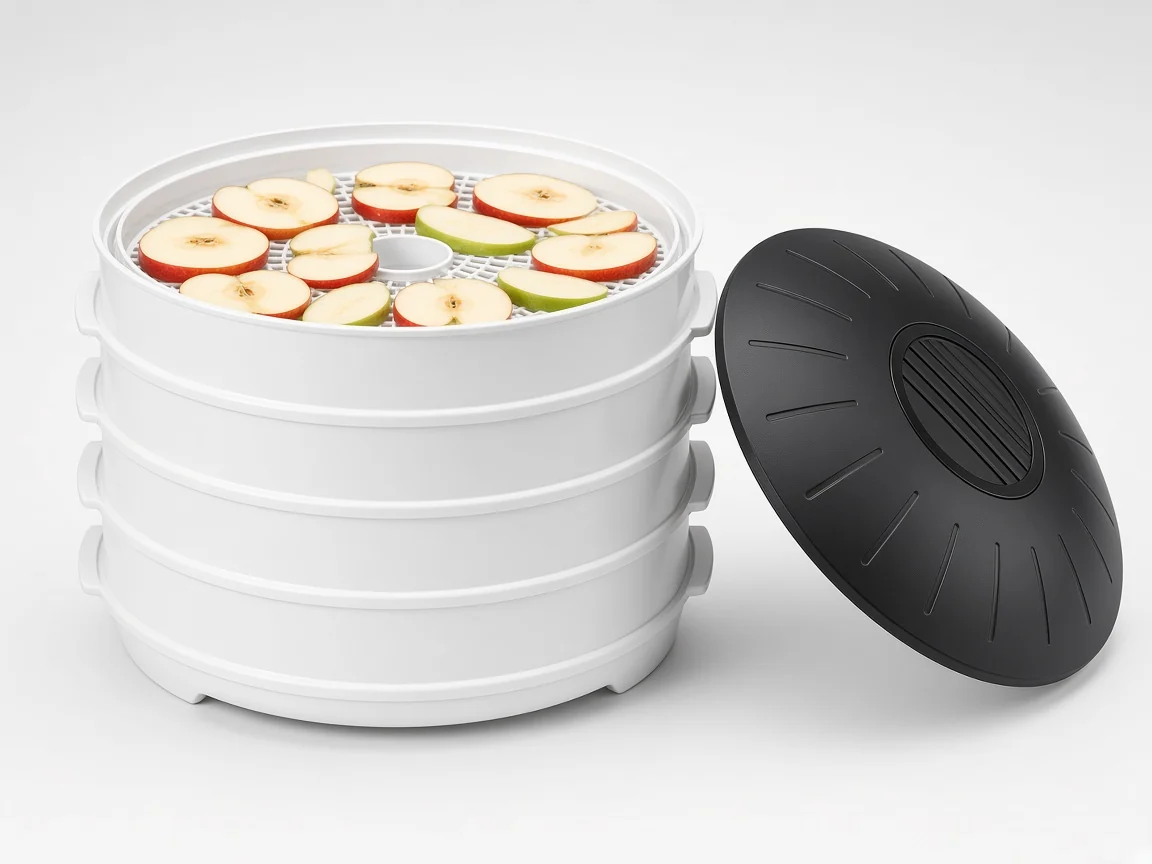
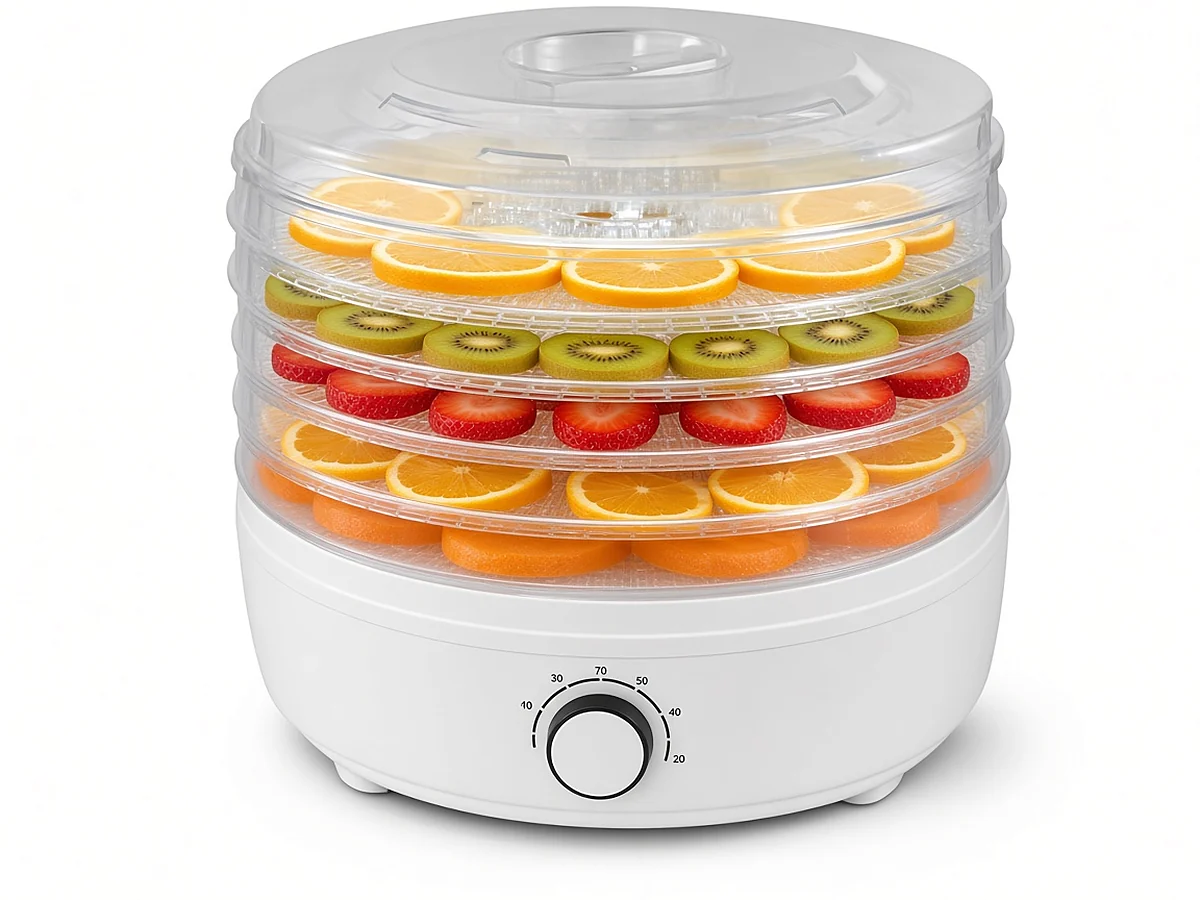
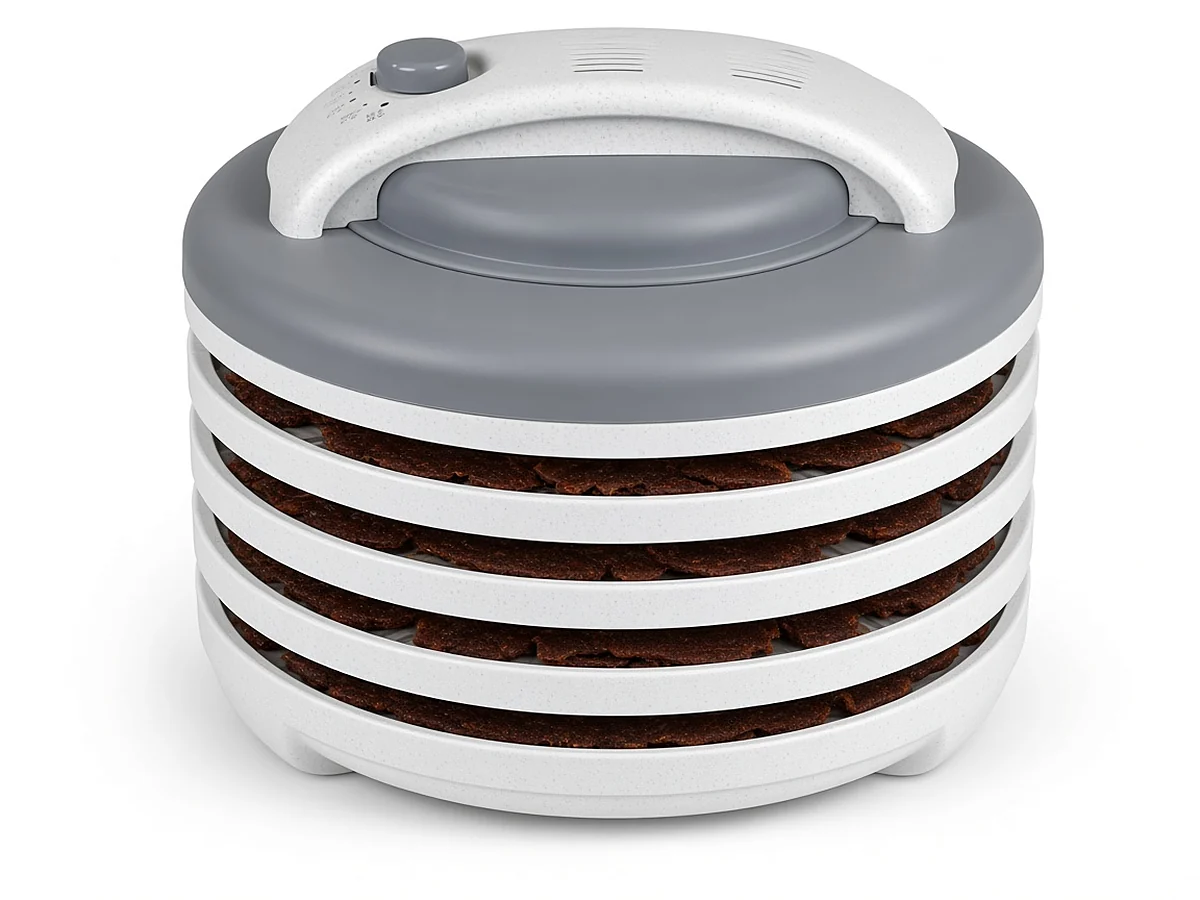
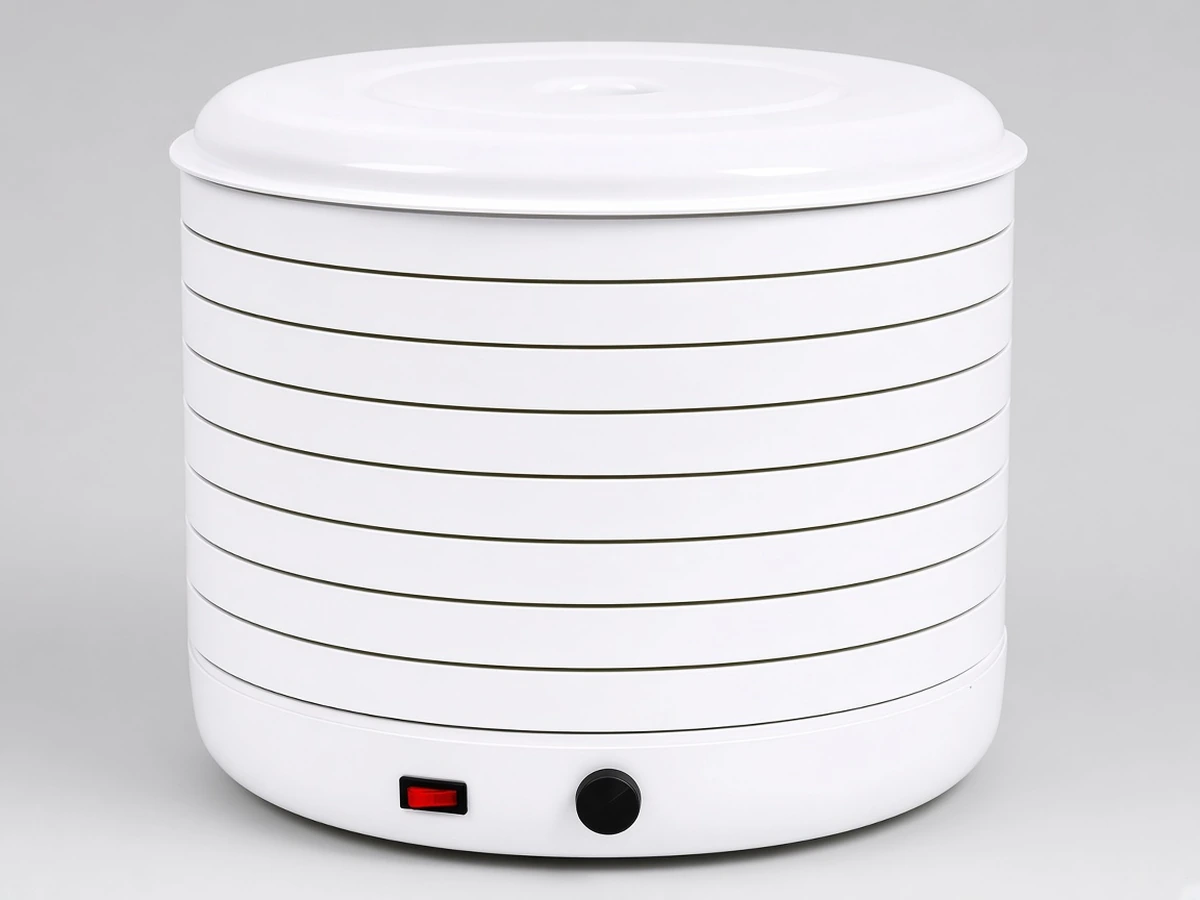
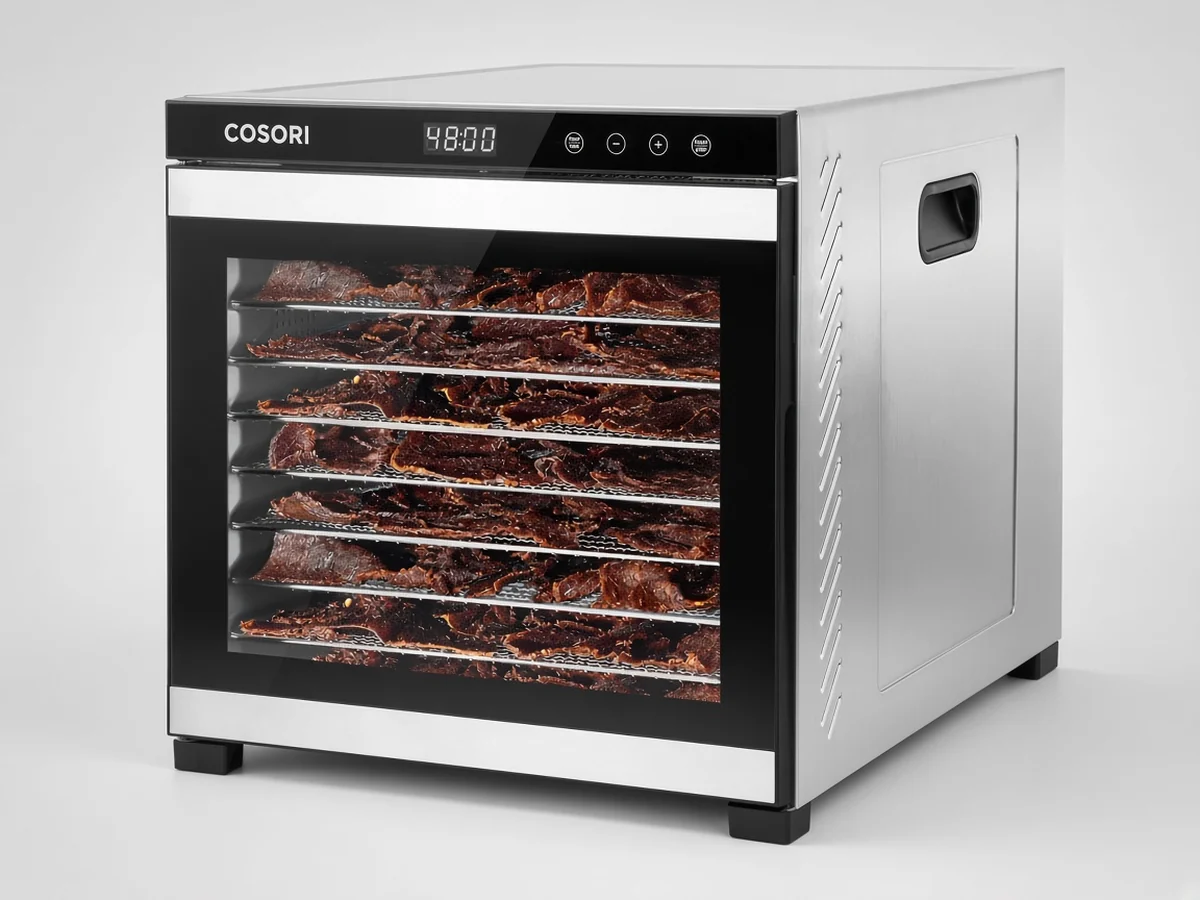
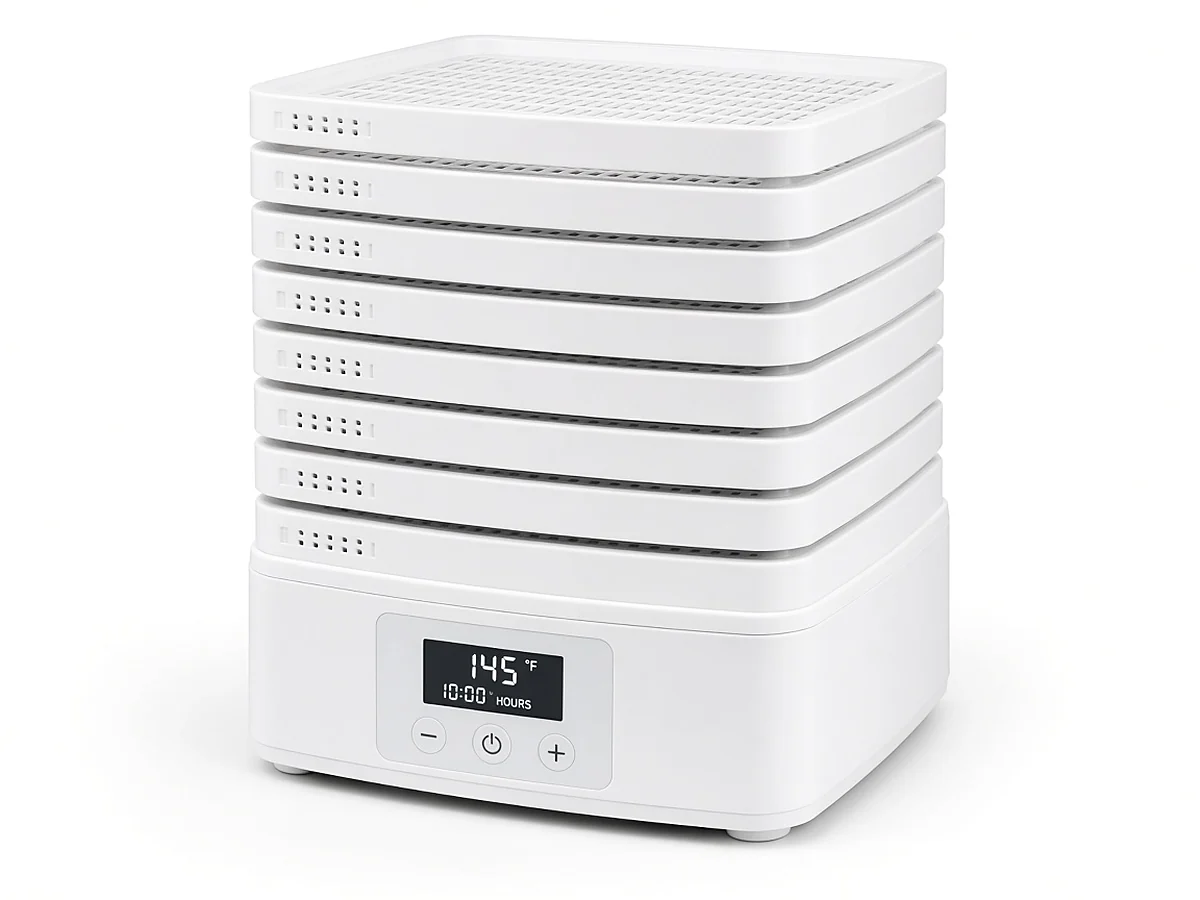
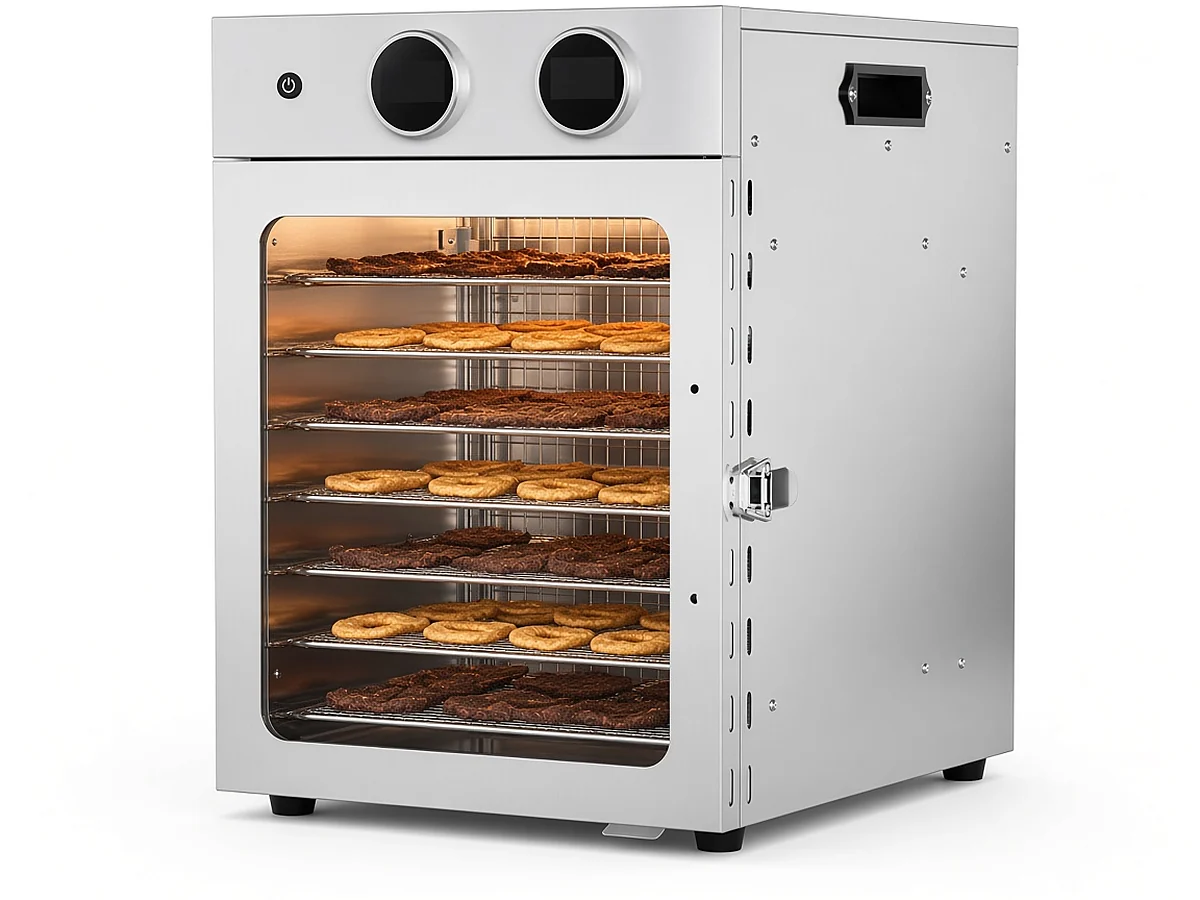
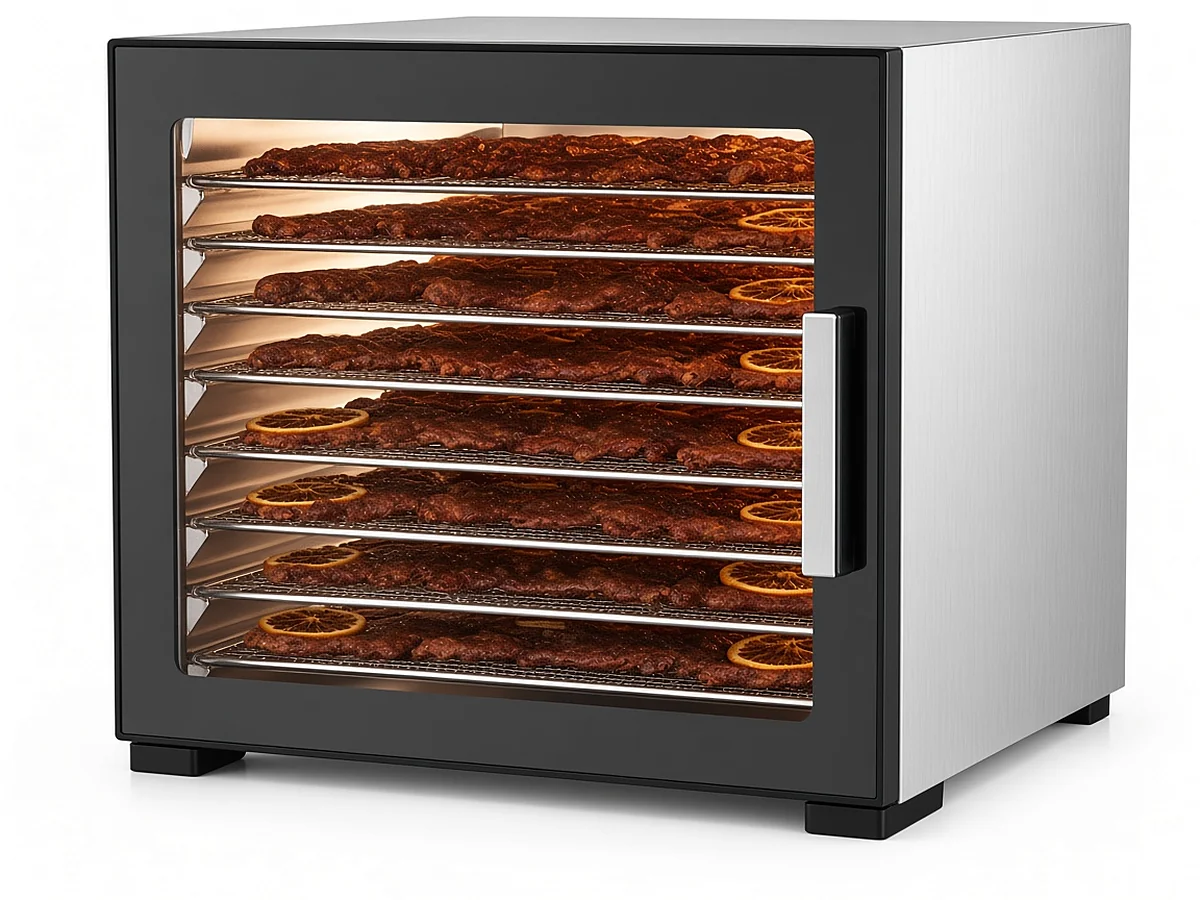
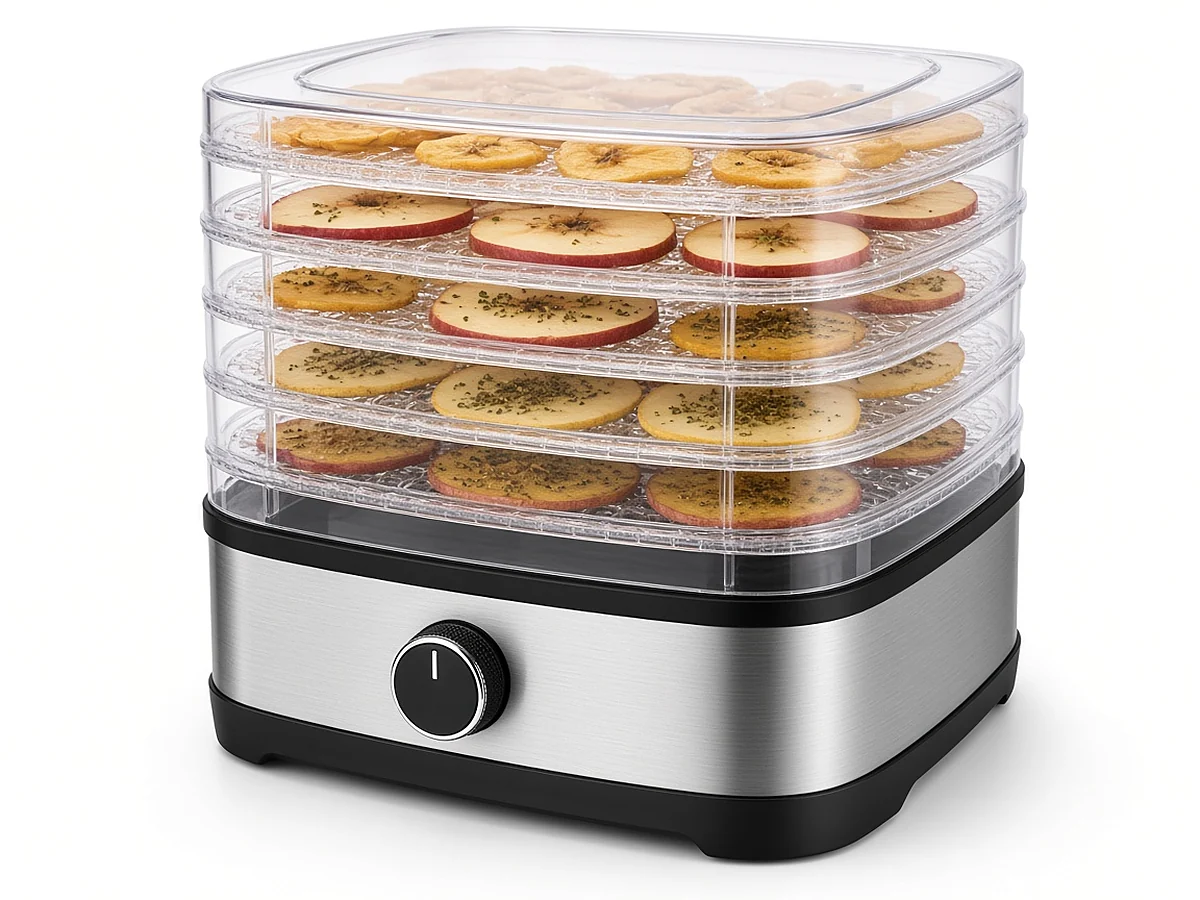
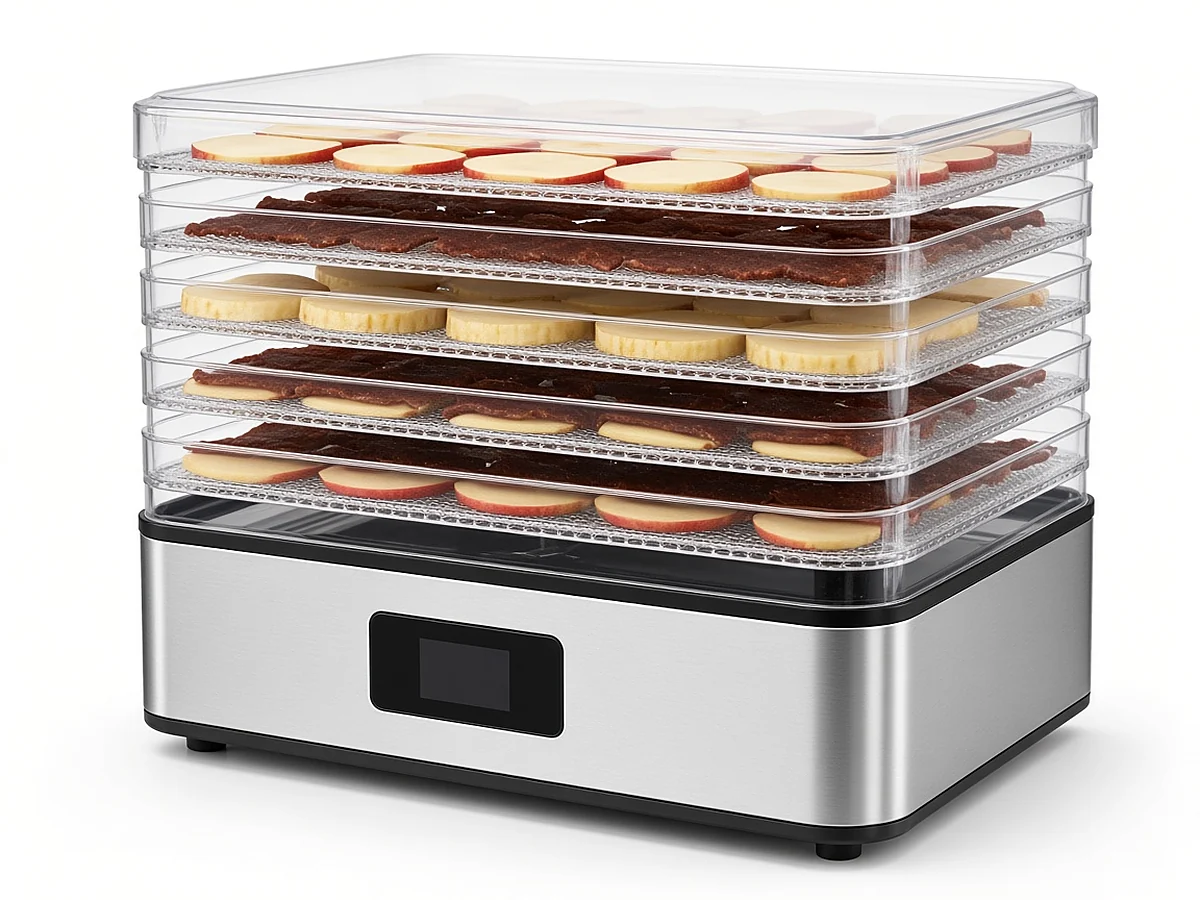 Magic Mill MFD-5000 Food Dehydrator, 5 Stainless TraysMagic Mill · Dehydrator
How-To · Food Dehydrators, Fruit
Last updated: November 2026
Quick verdict: To make fruit leather in a dehydrator, puree fruit, spread it in a thin, even layer on a solid fruit-roll sheet, and dry at 140 °F until a cooled piece has no sticky spots and peels cleanly. That temperature and doneness test come from the National Center for Home Food Preservation and Illinois Extension. You need a solid liner, not an open mesh tray. Several live machines include at least one fruit-roll sheet, including the COSORI CP267-FD, COSORI P501, Magic Mill MFD-7700, Nesco FD-79 (two sheets) and the Hamilton Beach 32100A.
This is a different project from sliced fruit. For slices, use how to dehydrate fruit. Official temperatures are in our dehydrator temperature chart.
What you need to make fruit leather in a dehydrator
A dehydrator that can hold 140 °F and a solid fruit-roll or leather sheet. Confirmed in-the-box sheets on live DryFreezeWise pages include: one fruit-roll sheet with the COSORI CP267-FD and the P501; a fruit-roll/drip tray with the MFD-7700; fruit-roll sheets with the MFD-7070; two fruit-roll sheets with the Nesco FD-79; a fruit-roll sheet with the FD-1040; a fruit-roll sheet with the COSORI CFD-P103; and a solid fruit-leather sheet with the Hamilton Beach 32100A. The Excalibur Select 8-tray lists a PP mesh screen and a crumb tray, not a fruit-roll sheet, so you would need a solid liner of your own.
Ripe fruit and a way to puree it. The NCHFP / Illinois method starts with a smooth puree.
An ascorbic-acid or lemon-juice dip is the usual pretreatment when the fruit browns, following the same NCHFP idea used for sliced fruit.
One sheet in the box is enough for a first tray. If you want several trays of leather at once, you will need extra liners. The CP267-FD review already notes that only one fruit-roll sheet ships with that six-tray box. See the COSORI CP267-FD product page, or check the Amazon listing. Fit and pack options for Nesco and COSORI trays are in best fruit leather sheets for dehydrators.
Step 1: Make a smooth puree
Wash the fruit and cut away spoiled parts. Cook or soften fruit only if the NCHFP or Illinois directions for that fruit call for it; we do not invent a sugar syrup or a set amount of corn syrup here. Blend until the puree is smooth, then pretreat light-colored fruit with an ascorbic-acid or lemon-juice step if you want to limit browning.
Step 2: Spread a thin, even layer on a solid sheet
Line the tray with the fruit-roll sheet. Pour the puree and spread it in a thin, even layer, slightly thicker at the edges if the directions you are following say the edges dry first. Do not use an open mesh tray without a solid liner, or the puree will drip through. Horizontal shelf units make it easier to slide a sheet in and out; a round Nesco sheet is sized for that stack.
Step 3: Dry at 140 °F
Set the dehydrator to 140 °F, the NCHFP / Illinois temperature for fruit leather as well as sliced fruit. Do not raise the heat to finish faster. Times vary with thickness, humidity and how wet the puree is; use the doneness test, not a timer alone.
Step 4: Test a cooled piece
Illinois Extension, following the NCHFP recipe, says the leather is done when it has no sticky spots and peels cleanly from the sheet. Always cool a test piece first. If the center is still tacky, keep drying. When it is done, lift it from the sheet, cut or roll it if you wish, and let it cool completely before packing.
Step 5: Store
Pack cooled leather airtight, cool, dry and dark. Home-dried fruit products still need to stay dry; if moisture appears, the leather was not finished. Storage ranges and spoilage signs are in how to store dehydrated food.
See the Nesco FD-79 product page, or check the Amazon listing.
Related on Amazon: COSORI C267-2FR Fruit Leather Sheets.
Related on Amazon: Bright Kitchen Silicone Fruit Leather Sheets for Nesco.
Amazon listings for the products in this guide
Direct links to the Amazon listings for the products named or shown in this guide:
- COSORI CP267-FD Food Dehydrator, 6 Stainless Trays – View on Amazon
- COSORI P501 Food Dehydrator, 5 Stainless Trays – See the Amazon listing
- Magic Mill Pro MFD-7700 Food Dehydrator, 7 Stainless Trays – Check availability on Amazon
- Nesco FD-79 Snackmaster Pro Digital Food Dehydrator, 4 Trays – View on Amazon
- Hamilton Beach 32100A Digital Food Dehydrator, 5 Trays – See the Amazon listing
- Magic Mill Pro MFD-7070 Food Dehydrator, 7 XL Stainless Trays
Frequently asked questions
What temperature should I use to make fruit leather in a dehydrator?
140 °F, per the NCHFP and Illinois Extension.
How do I know when fruit leather is done?
Let it cool, then check. It should have no sticky spots and should peel cleanly from the sheet.
Can I make fruit leather without a special sheet?
You need a solid, food-safe liner. Mesh trays alone will not hold a puree. Use the fruit-roll sheet that shipped with the machine, or another liner the maker approves. Do not pour puree onto a crumb tray or a mesh screen.
Sources
National Center for Home Food Preservation, fruit leather
Illinois Extension, fruit leather doneness (no sticky spots; peels cleanly)