
How to Use a Food Dehydrator: Temperatures, Times and Safe Jerky
Published 10/29/2026 · Updated 11/24/2026
Quick answer
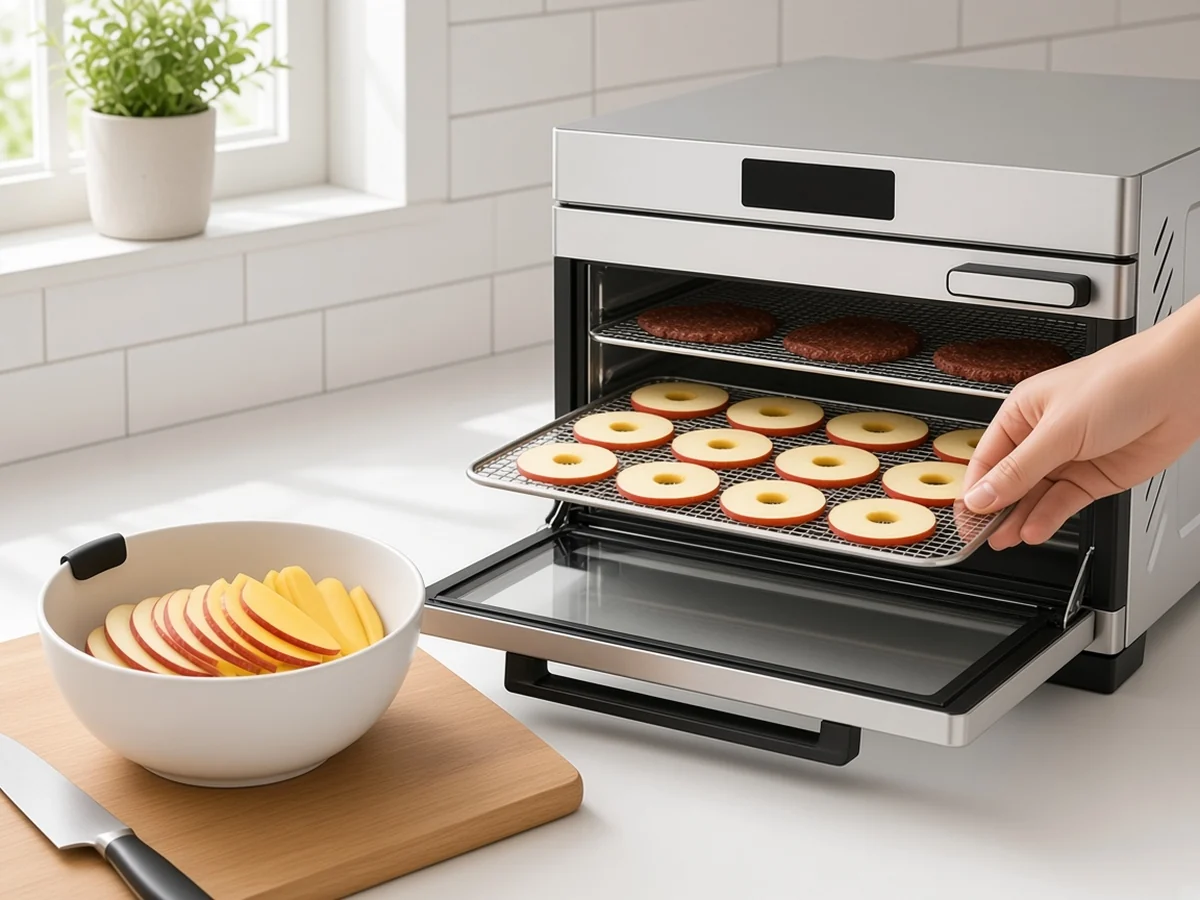
Run your first dehydrator batch by slicing food evenly, loading a single layer per tray, and setting about 140 °F for most fruits and vegetables per extension guidance. Hold meat jerky at 160 °F once it is nearly dry, then condition fruit in a jar before you store it long term.
Products mentioned in this guide
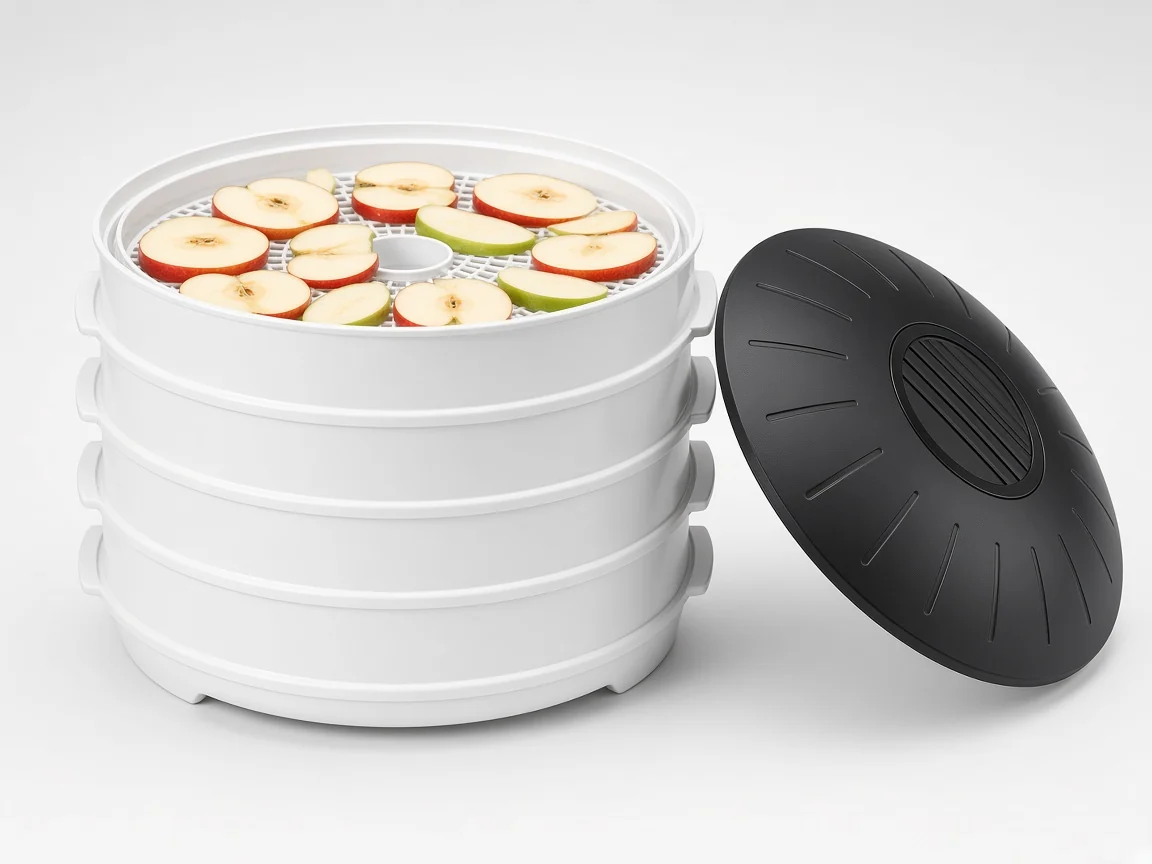
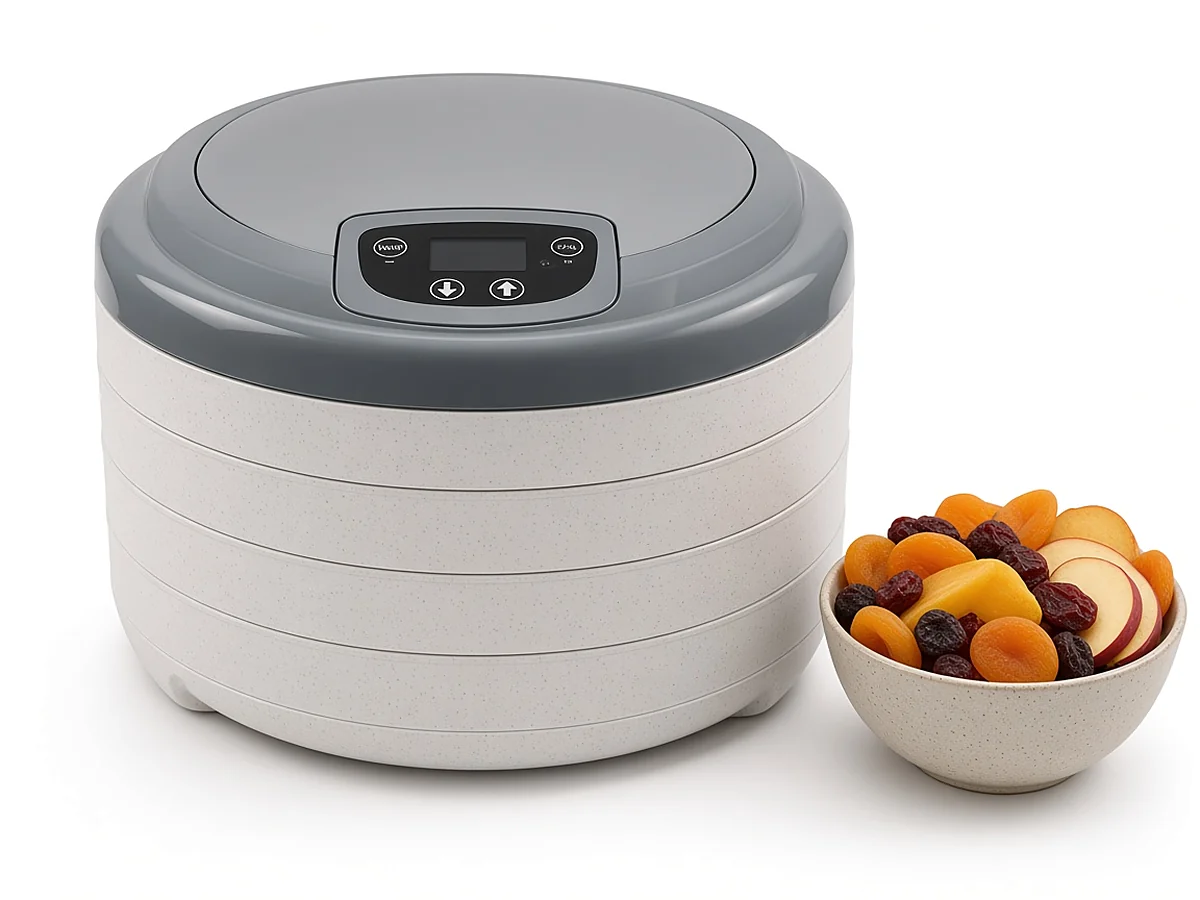
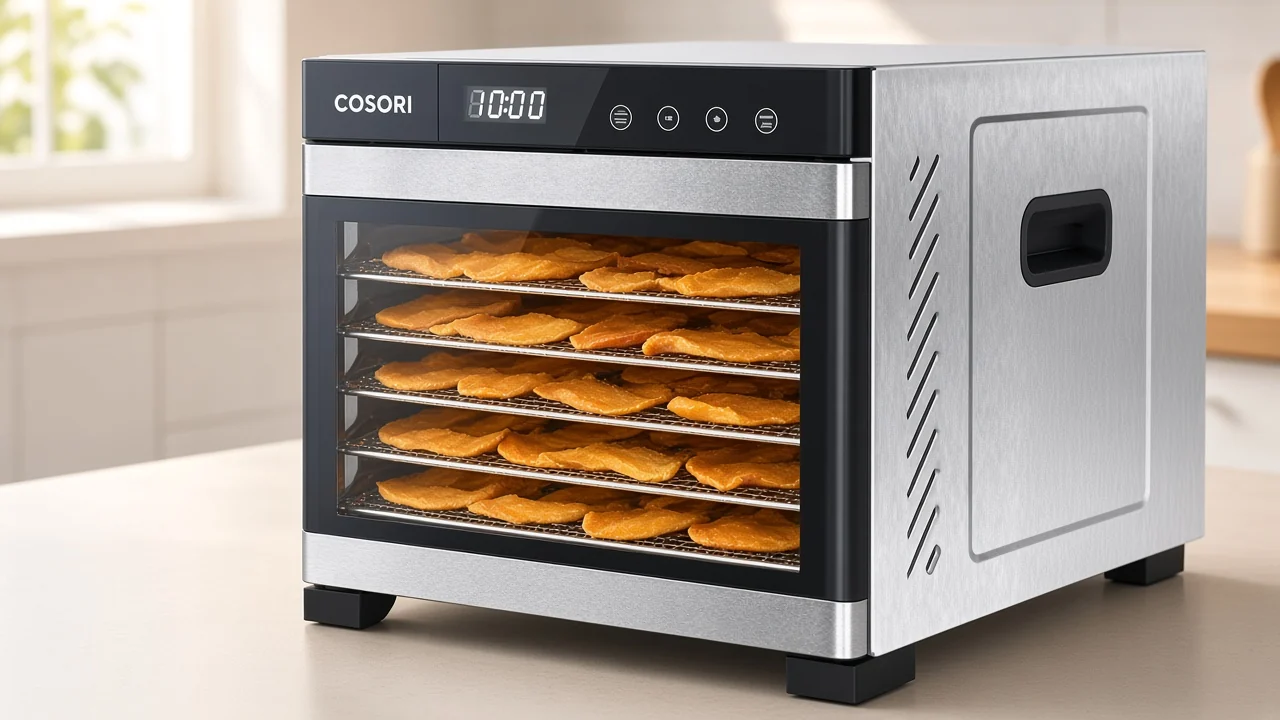
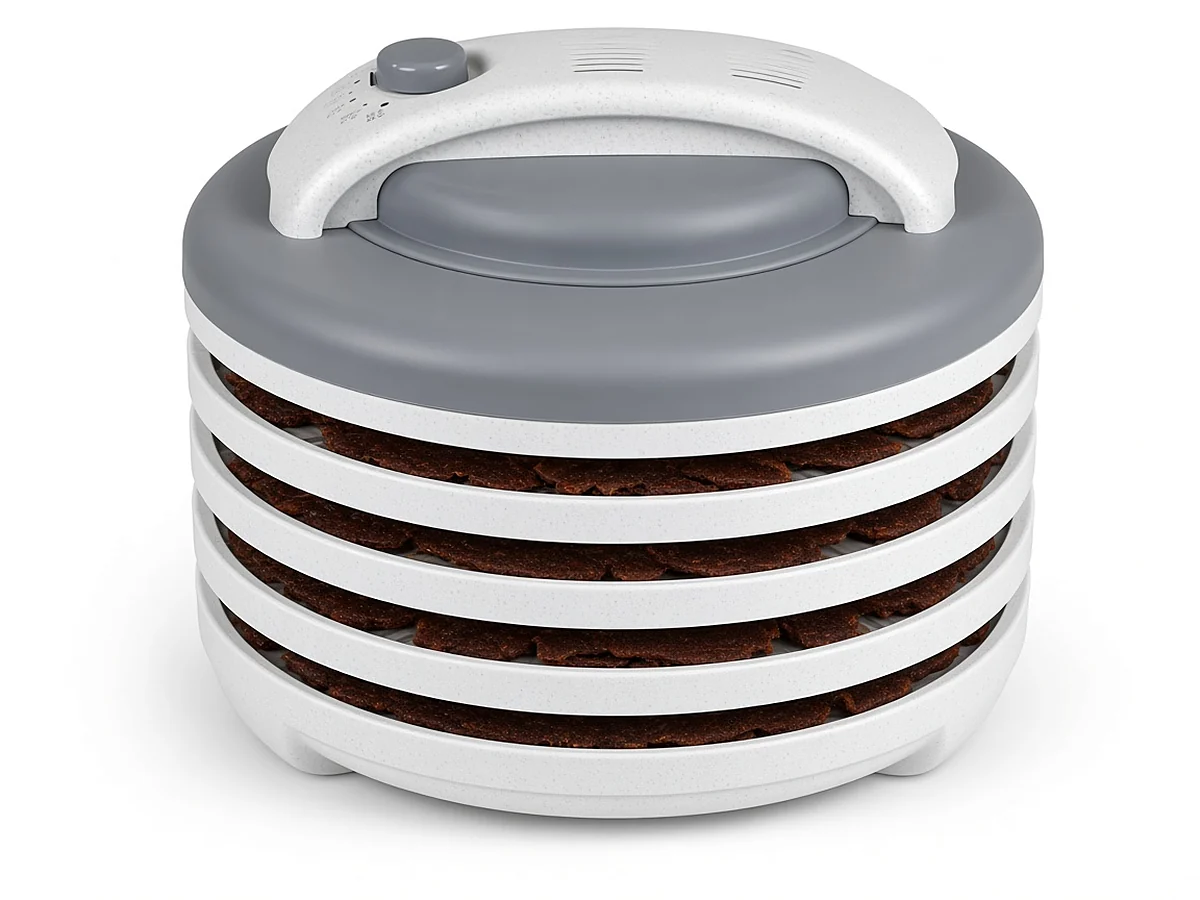
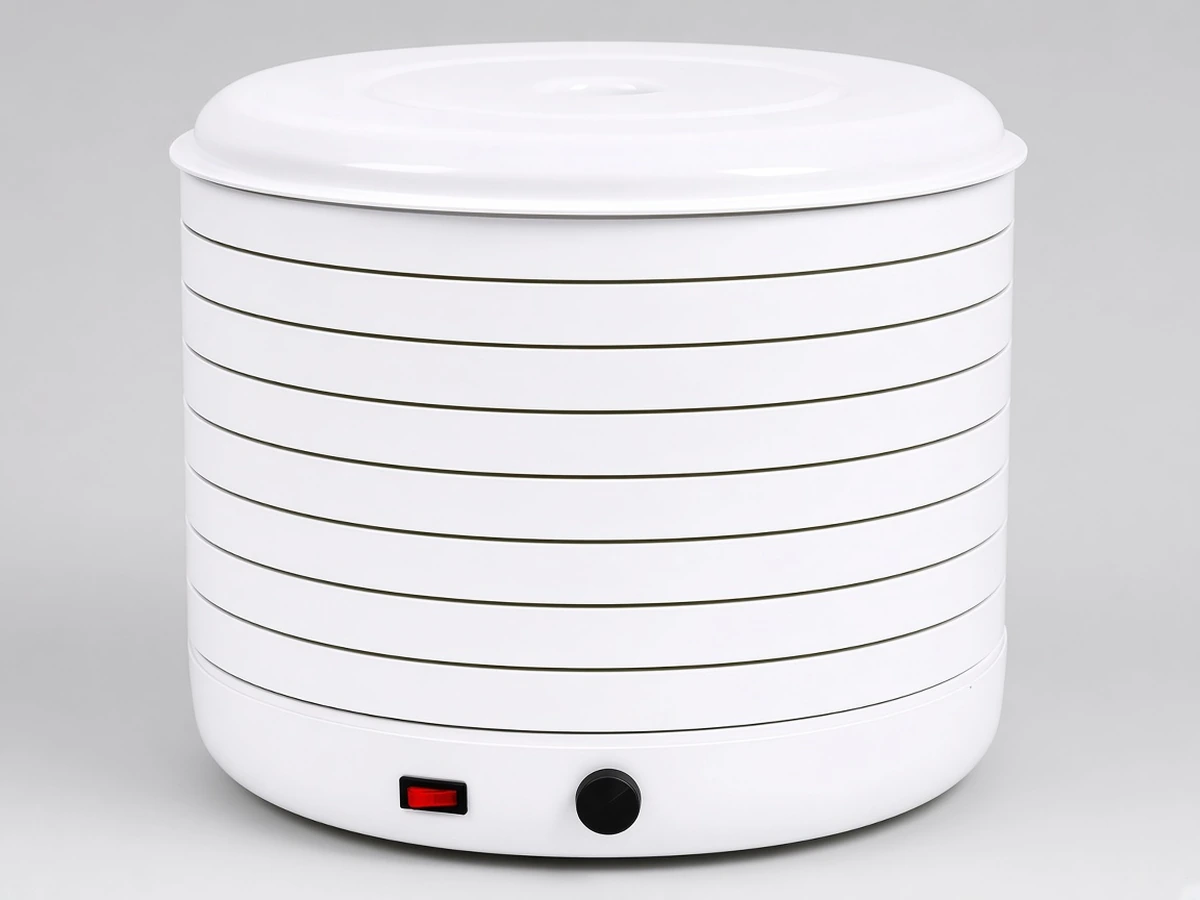
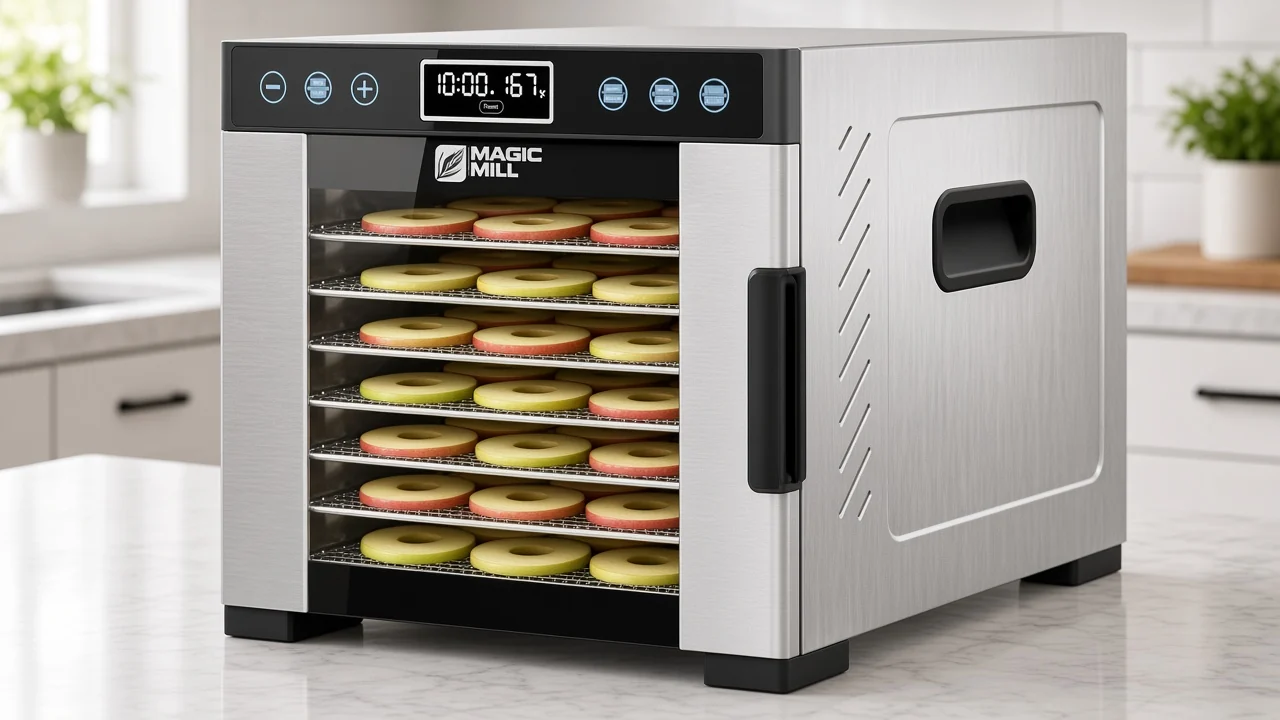 Magic Mill Pro MFD-7700 Food Dehydrator, 7 Stainless TraysMagic Mill · Dehydrator
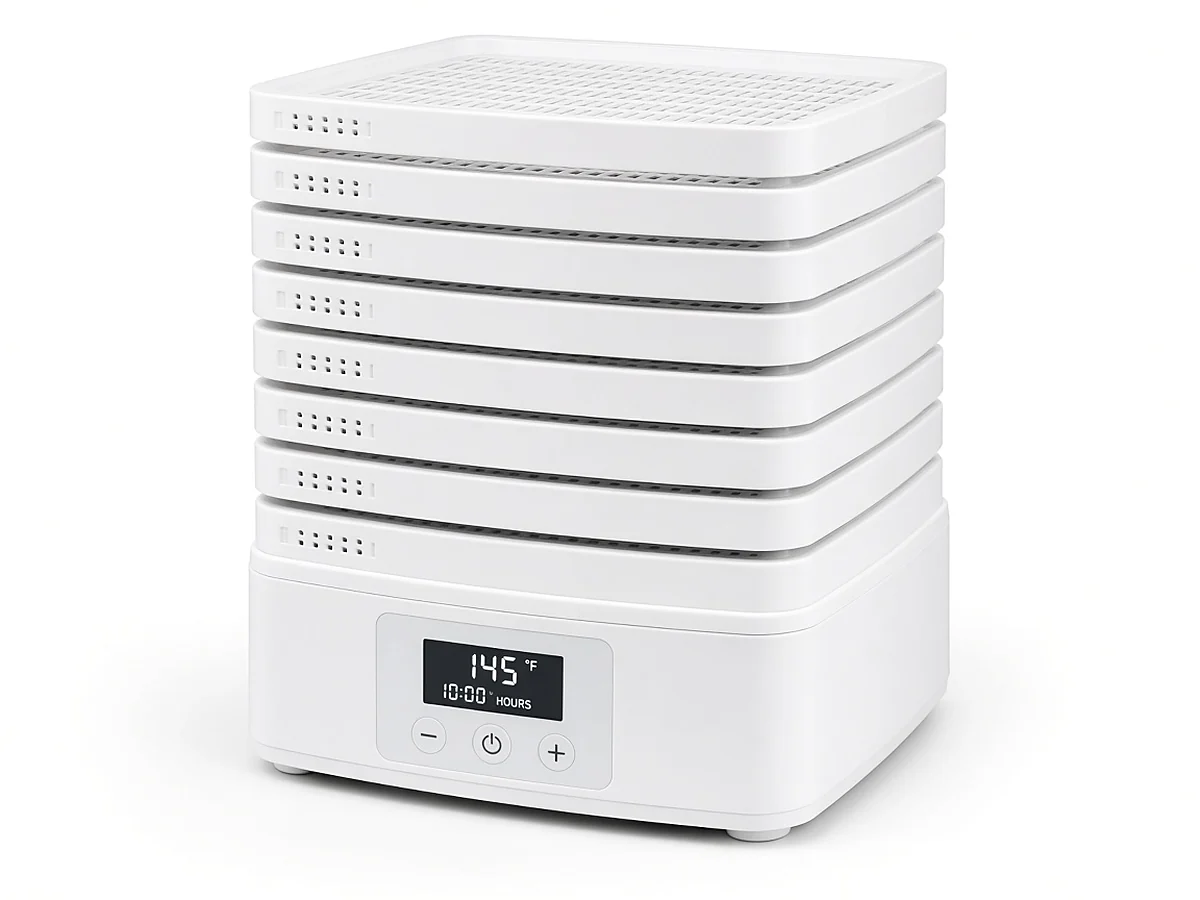
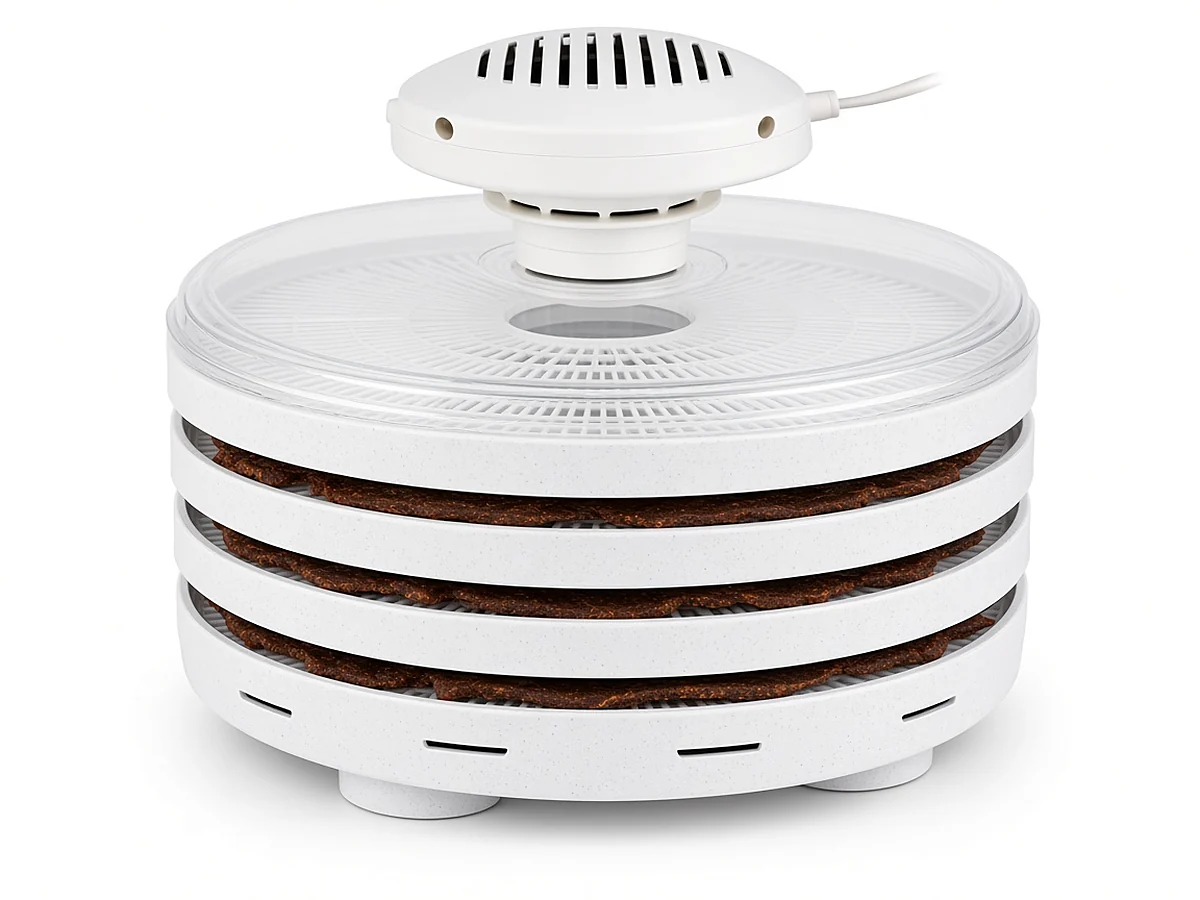
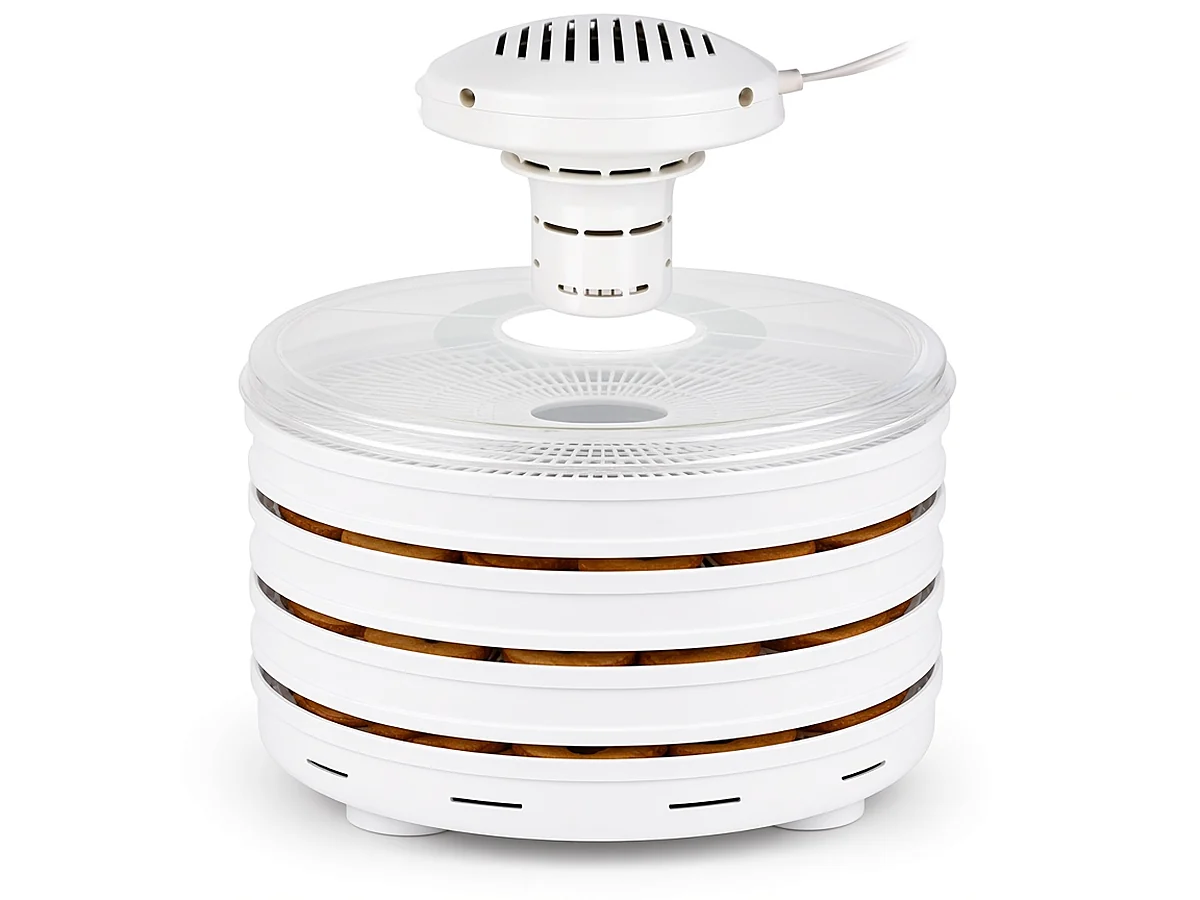
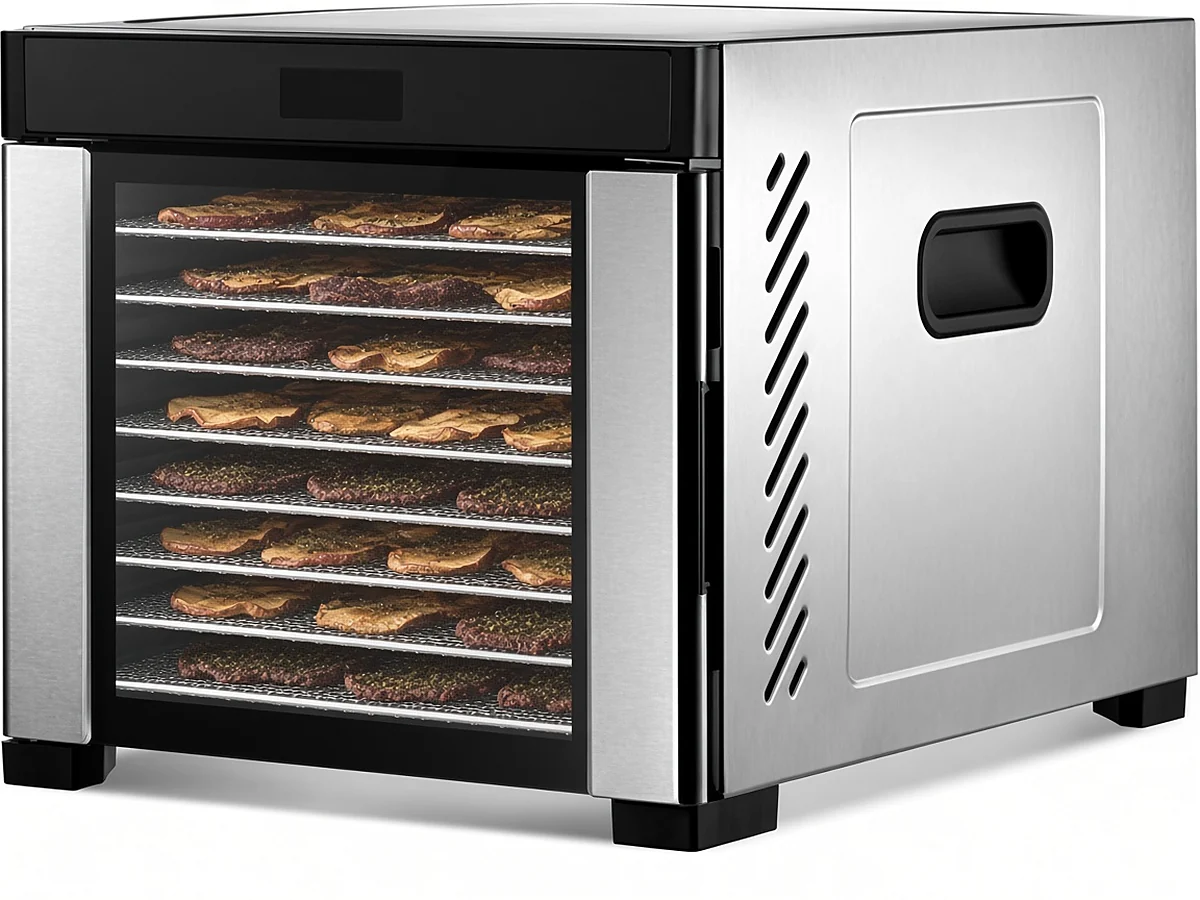 Magic Mill Pro MFD-7070 Food Dehydrator, 7 XL Stainless TraysMagic Mill · Dehydrator
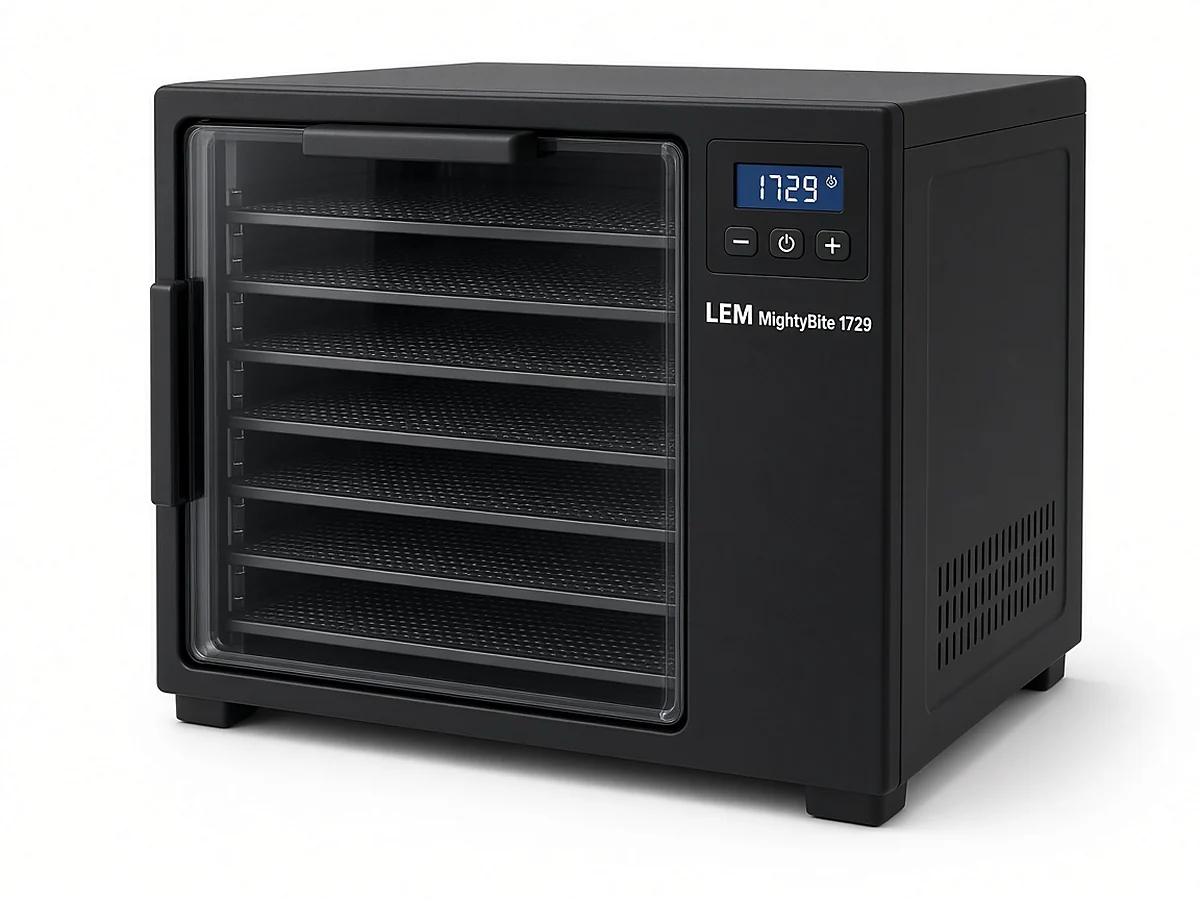
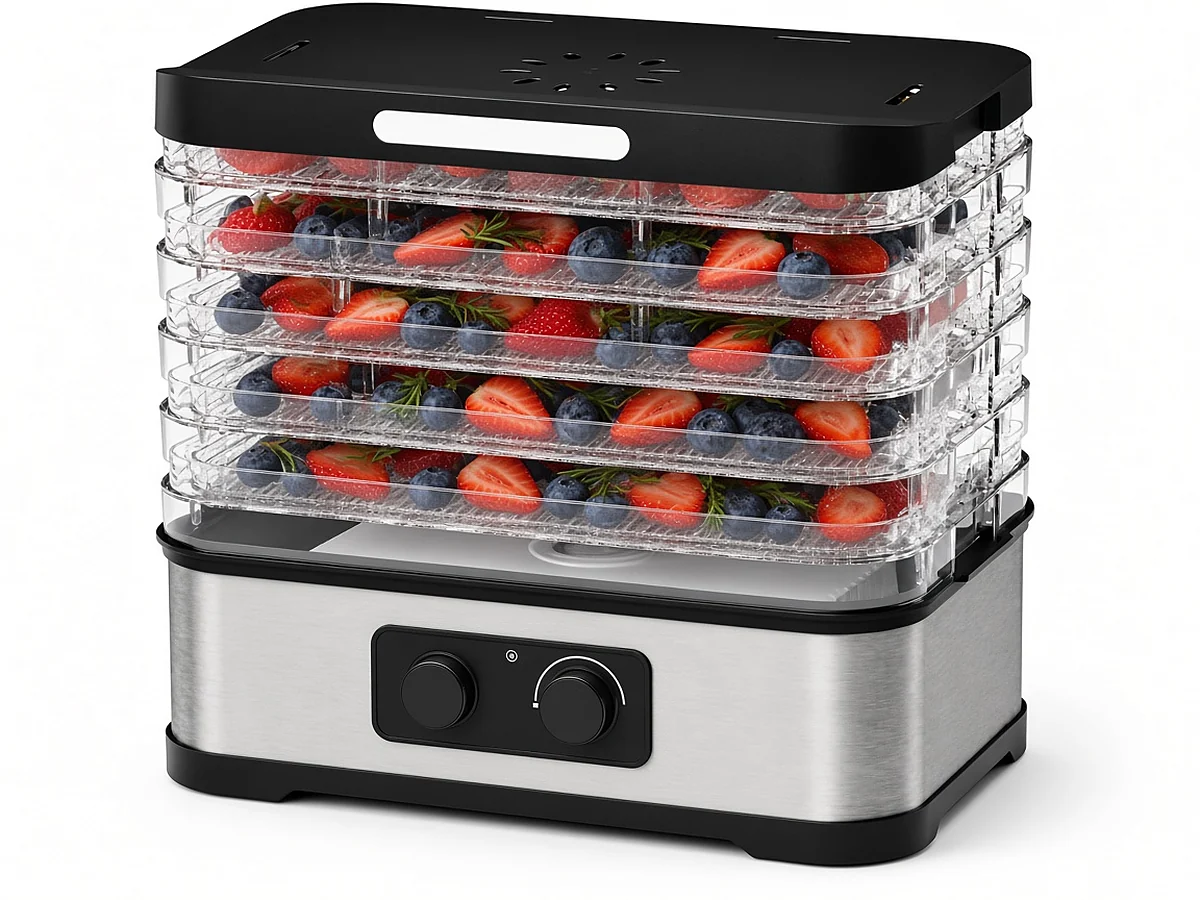
 Elite Gourmet EFD308 Food Dehydrator, 4 Stainless TraysElite Gourmet · Dehydrator
How-To · Food Dehydrators, Presto, Fruit, Jerky
Updated 30 October 2026
A food dehydrator is one of the simplest preserving appliances you can own: a heater, a fan and a stack of trays. Getting good results from it still depends on a few things the instruction booklet often skips, such as slice thickness, the right temperature for each food, how to tell when food is actually dry, and the extra step meat needs to be safe.
This guide walks through the whole process using drying guidance from the National Center for Home Food Preservation (NCHFP) and university extension services, including Clemson and Colorado State.
What you'll need for your first dehydrator batch
A dehydrator with adjustable heat, a sharp knife and airtight storage are all you need to start.
A dehydrator with a thermostat (Required): Adjustable temperature lets you dry produce at about 140 °F. Many adjustable models run from about 95 to 165 °F. Fixed-heat models are simpler but less flexible.
A food thermometer (Recommended): Useful for confirming jerky has reached 160 °F during the pre-heat or post-heat step.
Kitchen scale (Recommended): Weighing before and after drying shows how much water has gone.
Airtight glass jars (Recommended): Dried food needs airtight storage once it has cooled and been conditioned, and glass shows any moisture collecting inside.
How a dehydrator dries food
Drying needs three things working together: gentle heat, low humidity and moving air. Warm air picks up moisture from the food and the fan carries it out through the vents. The NCHFP describes home dehydrators as designed to dry food quickly at about 140°F. Clemson Cooperative Extension adds a warning that matters more than any recipe: if you raise the temperature to speed things up, the outside of the food can cook and seal before the inside dries. This is called case hardening, and food affected by it can later mould.
Step by step: your first batch
Read your manual's temperature range. Most adjustable models span roughly 95°F to 165°F. Some budget units run at one fixed temperature; the Presto 06300, for example, operates at approximately 165°F according to Presto's manual, which suits jerky better than delicate fruit.
Choose produce at peak ripeness. Presto's manual and extension guides both advise against overripe or immature produce and trimming bruised parts.
Slice evenly. Uniform thickness is the single biggest factor in even drying. Thin slices dry faster than thick pieces or halves.
Pretreat light-coloured fruit if you want better colour. Penn State Extension notes that pretreating apples, pears, peaches and apricots with an acidic solution reduces browning and vitamin loss.
Load in a single layer. Pieces should not touch or overlap, so air can reach every surface.
Set the temperature and check early. Start checking at the low end of the expected time range, then every hour or two for fruit.
Test for dryness after cooling a few pieces. Warm fruit feels softer and moister than it really is.
Condition fruit, then package. See the conditioning step below before you store anything.
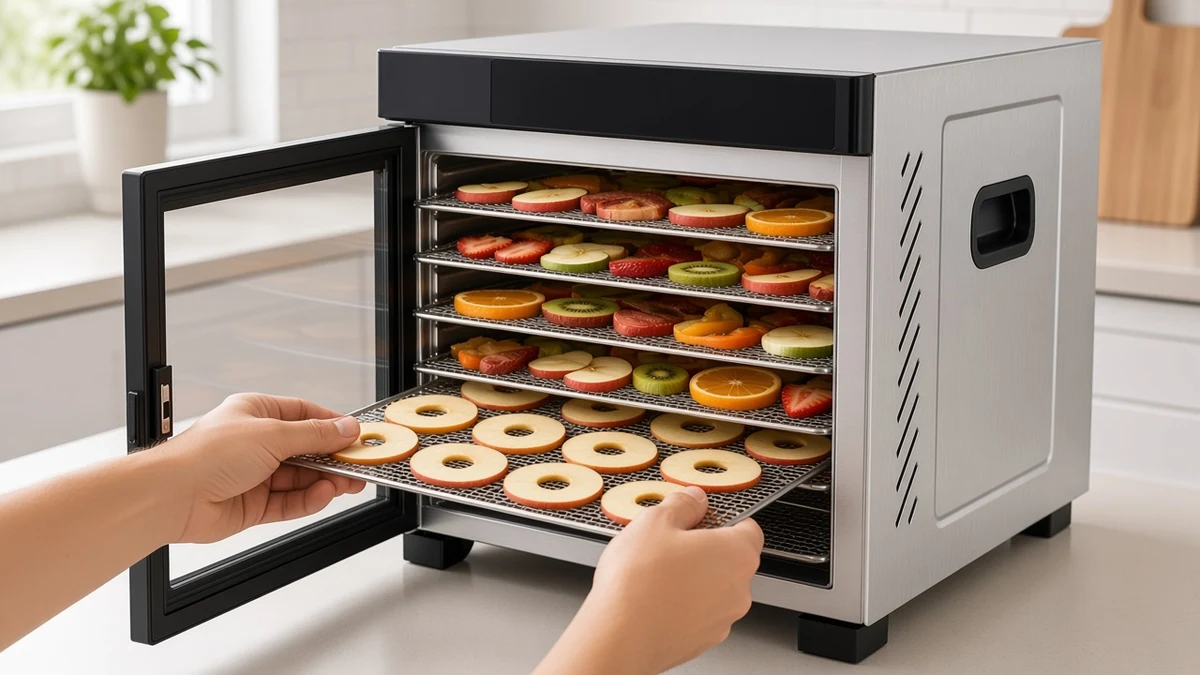
Dehydrator temperatures and times
The table summarises general guidance from the NCHFP and university extension services. Times vary widely with slice thickness, humidity, load size and the machine itself, so treat them as a starting range, not a timer setting.
Food | Drying temperature | Typical time / done when |
|---|---|---|
Fruit (apple slices to peach halves) | 140°F | About 6 hours for thin apple slices up to 36 hours for peach halves (Colorado State). Leathery and pliable, no moisture when squeezed. |
Vegetables | 140°F | Until brittle or crisp, about 10 percent moisture (NCHFP). No conditioning needed. The full method is in how to dehydrate vegetables. |
Beef or venison jerky | Heat meat to 160°F first, then dry at 140°F | 10 to 24 hours for strips not heated in marinade; a test piece cracks but does not break when bent (NCHFP). |
Jerky needs an extra safety step
Drying alone does not reliably destroy harmful bacteria in raw meat. The NCHFP's jerky guidance recommends that meat reach an internal temperature of 160°F, done in one of two ways: bring the marinated strips to a boil for 5 minutes before drying, or heat the finished strips in a 275°F oven for about 10 minutes after drying (strips ¼ inch thick or less). Then dry at 140°F. Pork and wild game should be frozen first to kill the trichinella parasite: 6 inches thick or less, at 0°F or below, for at least 30 days. The NCHFP notes that disease-causing microorganisms are harder to eliminate in ground meat than in whole strips, so follow the same heating step and safe-handling rules if you make ground-meat jerky. Home jerky keeps about 2 weeks at room temperature in a sealed container; refrigerate or freeze it for longer. The full cited method is in how to make jerky in a dehydrator.
A dehydrator with a maximum of 160°F or 165°F does not by itself guarantee meat reaches 160°F inside, which is why the pre-heat or post-heat step matters. Check with a thermometer where you can.
Condition fruit before storing
Pieces dry at slightly different rates depending on size and position. The NCHFP says home-dried fruit should hold about 20 percent moisture, and recommends conditioning it: pack cooled fruit loosely in sealed jars for 7 to 10 days, shake daily, and if condensation appears, return it to the dehydrator. Our guide to storing dehydrated food and how long it lasts covers what comes next. The full fruit method is in how to dehydrate fruit.
Common first-batch mistakes
Turning the heat up to finish faster. This risks case hardening. Lower and steadier wins.
Overloading trays. Crowded trays block airflow and leave damp spots.
Mixing strong flavours on a vertical-airflow unit. The NCHFP notes flavours can mix and juices can drip into the heater when the fan and element sit in the base.
Judging dryness while food is hot. Always cool a test piece first.
If batches dry unevenly or take far longer than expected, work through our dehydrator troubleshooting checklist.
Is a dehydrator the right tool?
A dehydrator is the practical choice for jerky, fruit chips, fruit leather and herbs. If you want whole meals or food that keeps its shape and colour, read our comparison of a freeze dryer vs a dehydrator, or see whether your oven or air fryer can do the job in our dehydrator vs oven vs air fryer guide. The method for leather is in how to make fruit leather in a dehydrator.
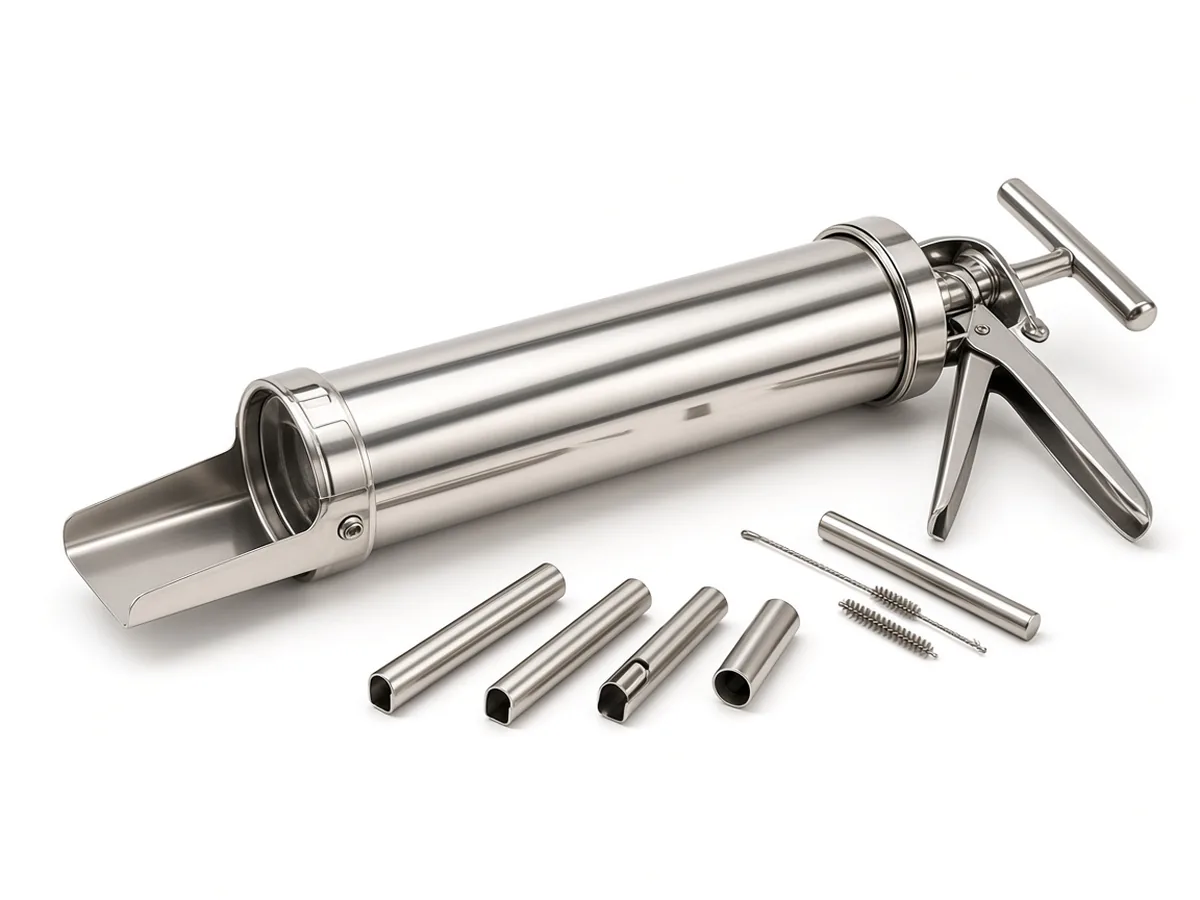
Related on Amazon: TENICPS Stainless Steel Jerky Gun Kit.
Related on Amazon: Nesco FD-79 Snackmaster Pro Digital Food Dehydrator.
Related on Amazon: COSORI CP267-FD Food Dehydrator.
Amazon listings for the products in this guide
Direct links to the Amazon listings for the products named or shown in this guide:
- Presto 06300 Dehydro Electric Food Dehydrator – View on Amazon
- TENICPS Stainless Steel Jerky Gun Kit – See the Amazon listing
- Nesco FD-79 Snackmaster Pro Digital Food Dehydrator, 4 Trays – Check availability on Amazon
- COSORI CP267-FD Food Dehydrator, 6 Stainless Trays – View on Amazon
- Nesco FD-60 Snackmaster Express Food Dehydrator, 4 Trays – See the Amazon listing
Frequently asked questions
What temperature should I dehydrate fruit at?
Extension guidance suggests about 140 °F for most fruit and vegetables. Official settings for fruit, herbs, vegetables and jerky are collected in our dehydrator temperature chart.
How do I know when dehydrated food is done?
Let a piece cool, then check it: fruit should be leathery with no moisture when torn, and vegetables brittle or crisp.
What temperature should I dehydrate herbs at?
The National Center for Home Food Preservation recommends 95–115 °F, or up to 125 °F in humid areas. Herbs are done when the leaves crumble and the stems break when bent, usually in about 1–4 hours. The full method is in how to dehydrate herbs.
What temperature should I use for jerky?
USDA FSIS says to heat meat to 160 °F, or poultry to 165 °F, before drying, then keep the dehydrator at a constant 130–140 °F. A dial setting is not the same as the meat reaching 160 °F. See a tested thermometer, and do not rely on a dehydrator alone as a kill step.
Related guides
Ready to choose a machine? Our food dehydrators on Amazon roundup compares models on published specs, and vertical vs horizontal dehydrators explains the main design choice. Browse all guides or start with the basics on Learn.