
How to Dehydrate Vegetables at Home
Published 11/14/2026 · Updated 11/24/2026
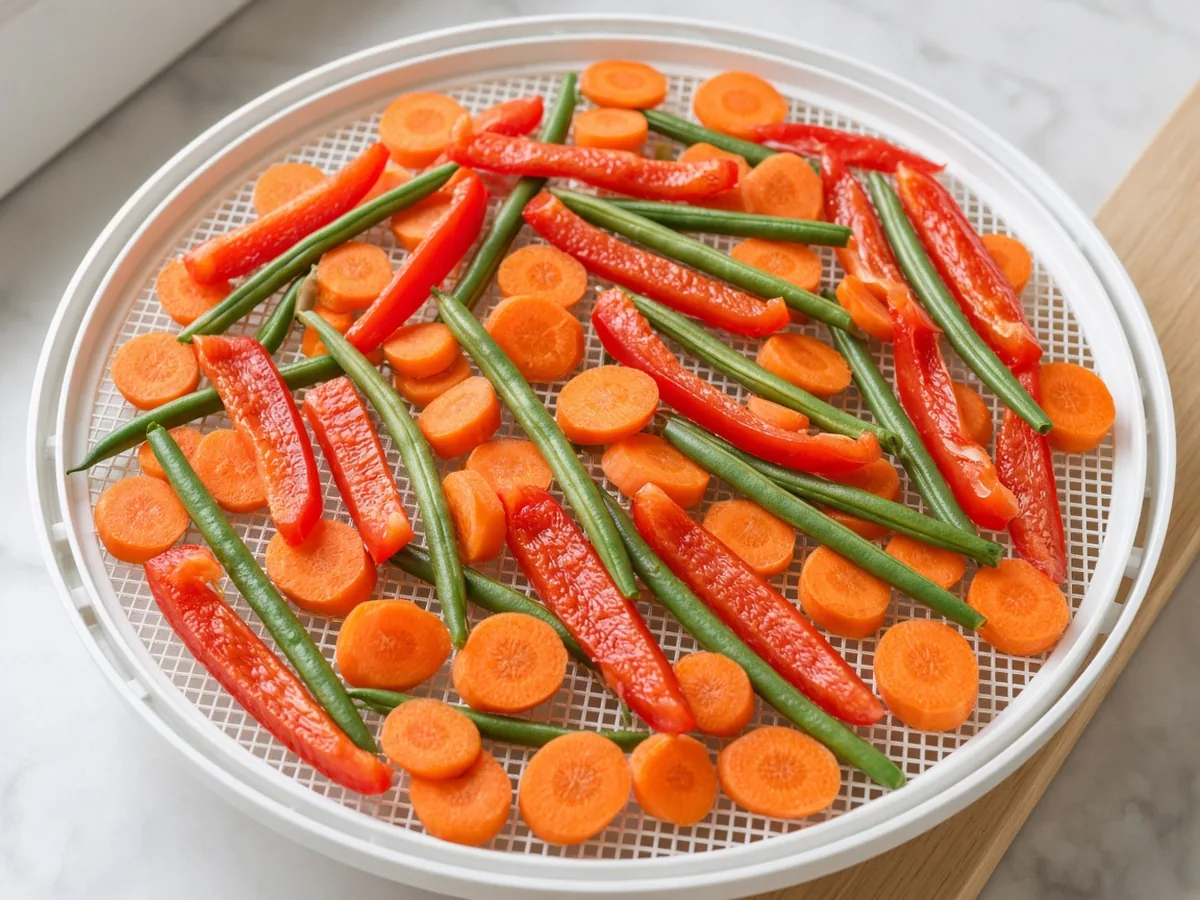
Quick answer
To dehydrate vegetables at home, blanch them where extension sources require it, then dry at 140 °F until a cooled piece is brittle or crisp. That is the National Center for Home Food Preservation (NCHFP) temperature and doneness test. Properly dried vegetables hold about 10 percent moisture and do not need the 7-to-10-day jar conditioning used for fruit.
Products mentioned in this guide
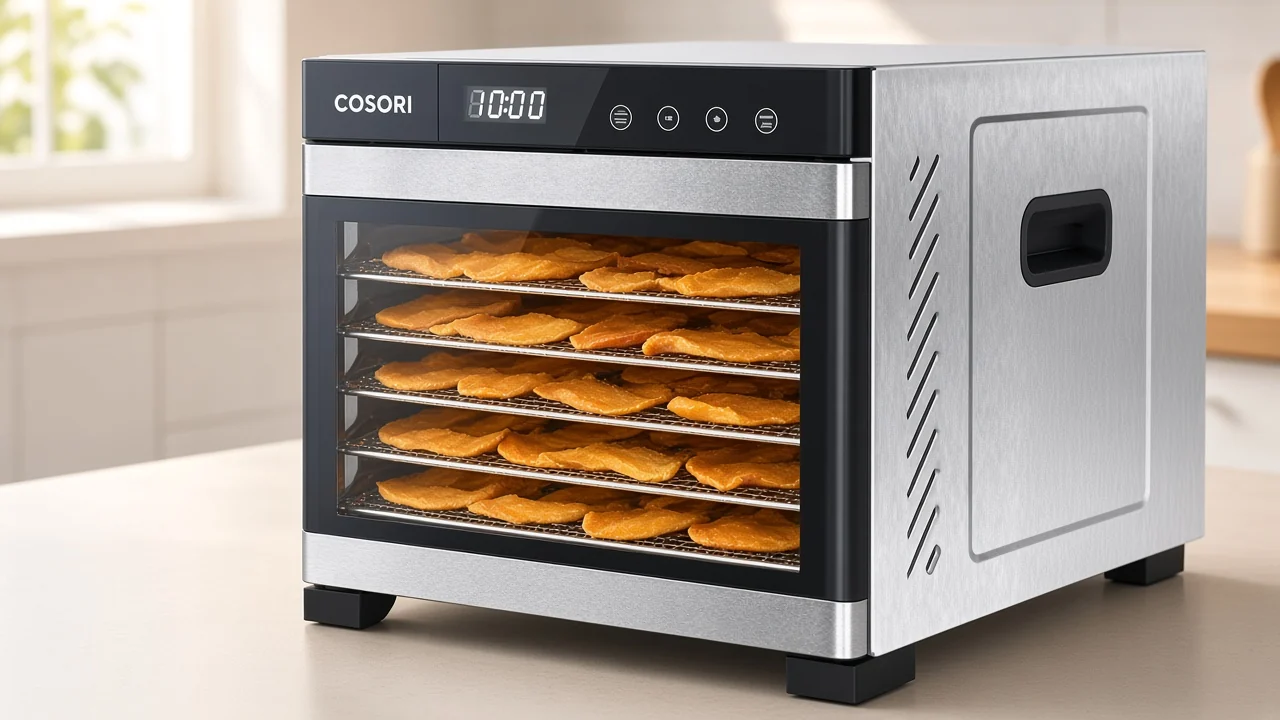
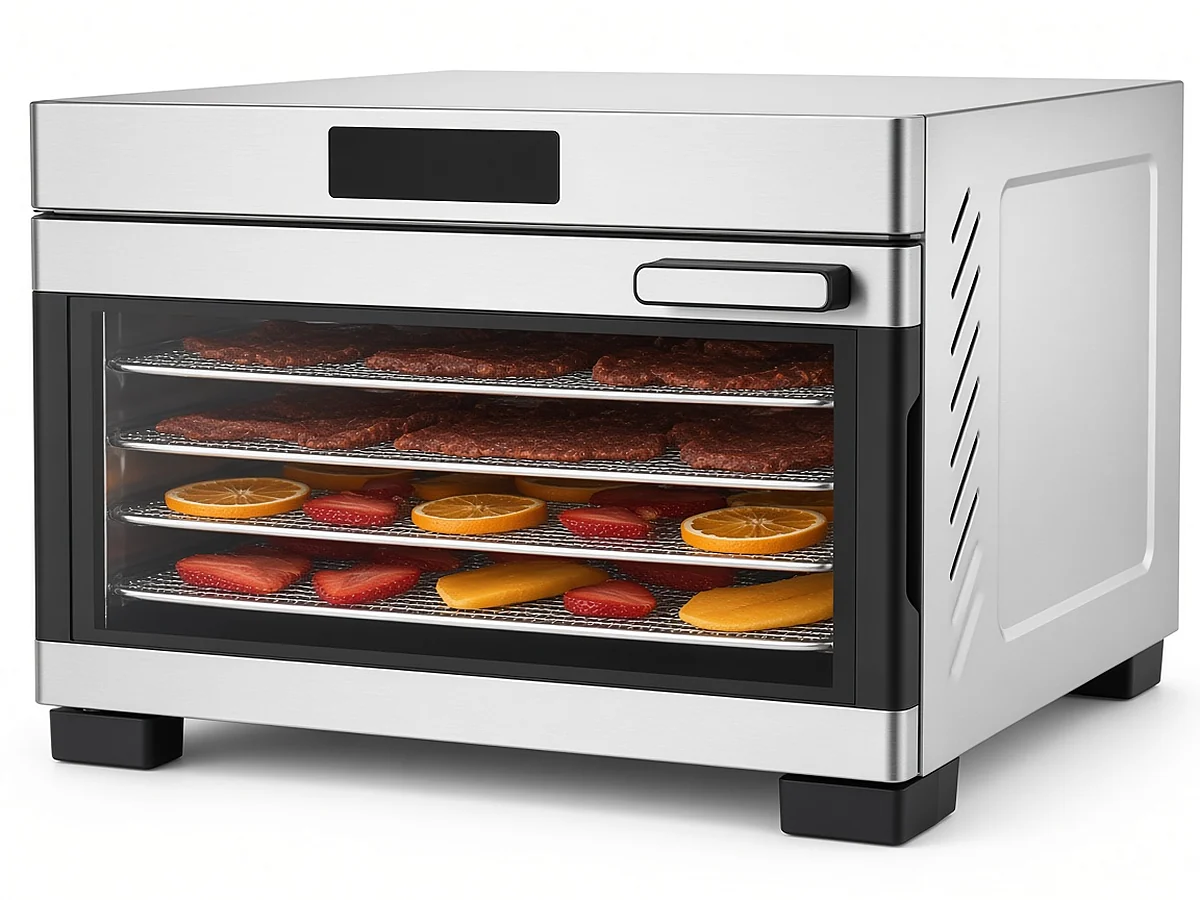
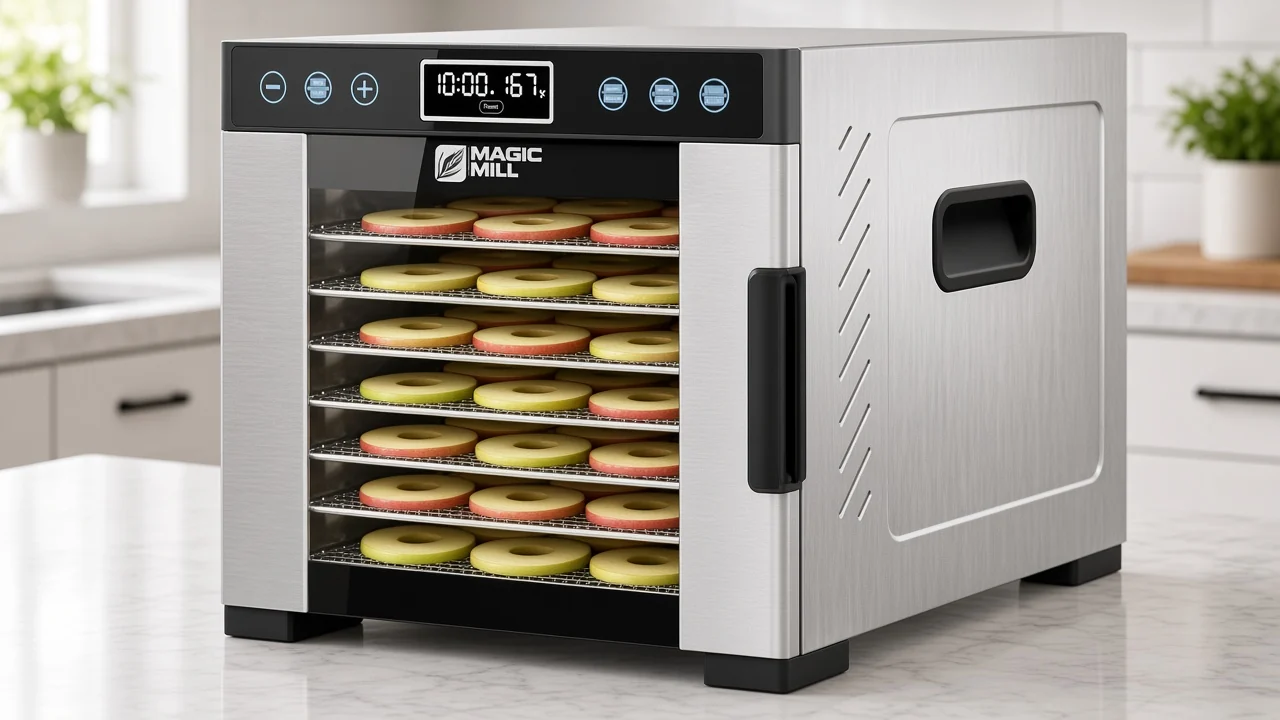 Magic Mill Pro MFD-7700 Food Dehydrator, 7 Stainless TraysMagic Mill · Dehydrator
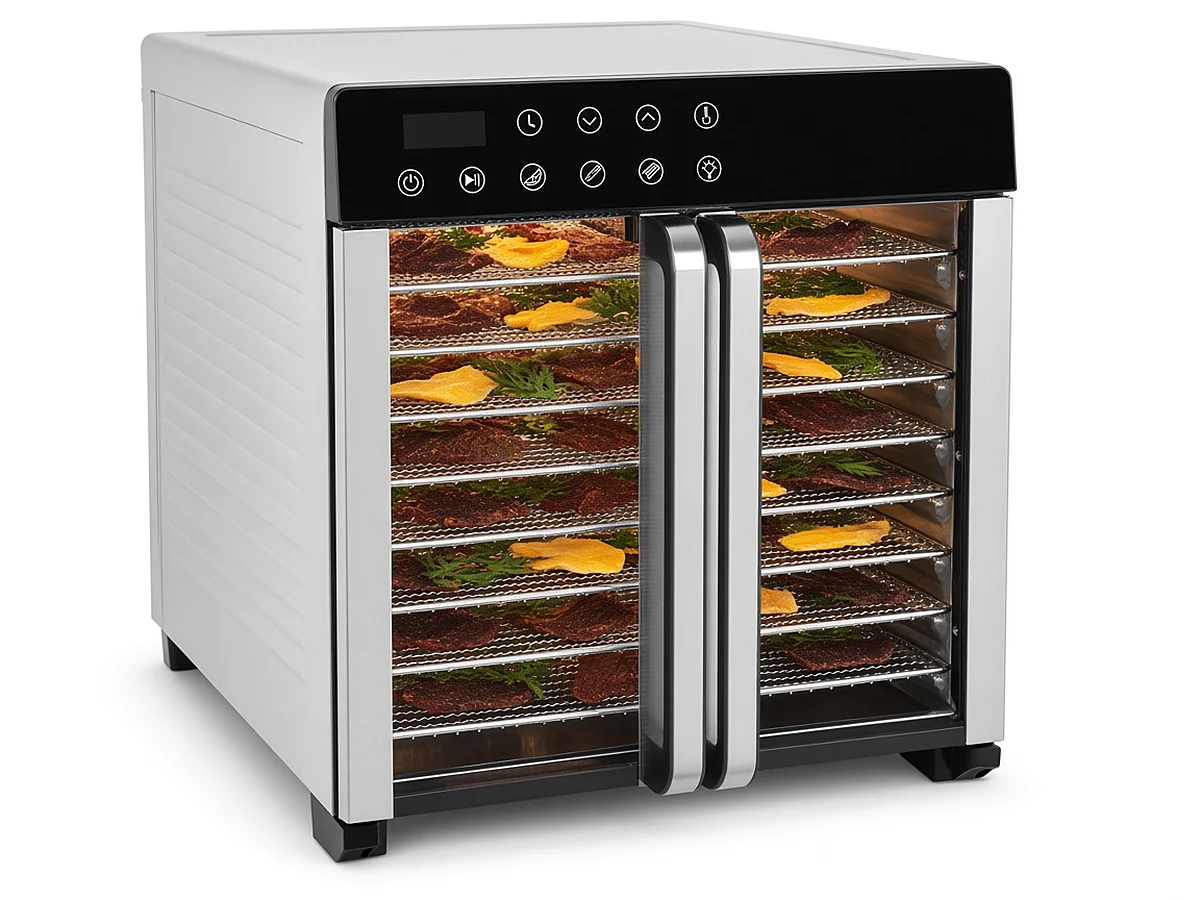 Excalibur Select DH08SCSS13 Food Dehydrator, 8 TraysExcalibur · Dehydrator
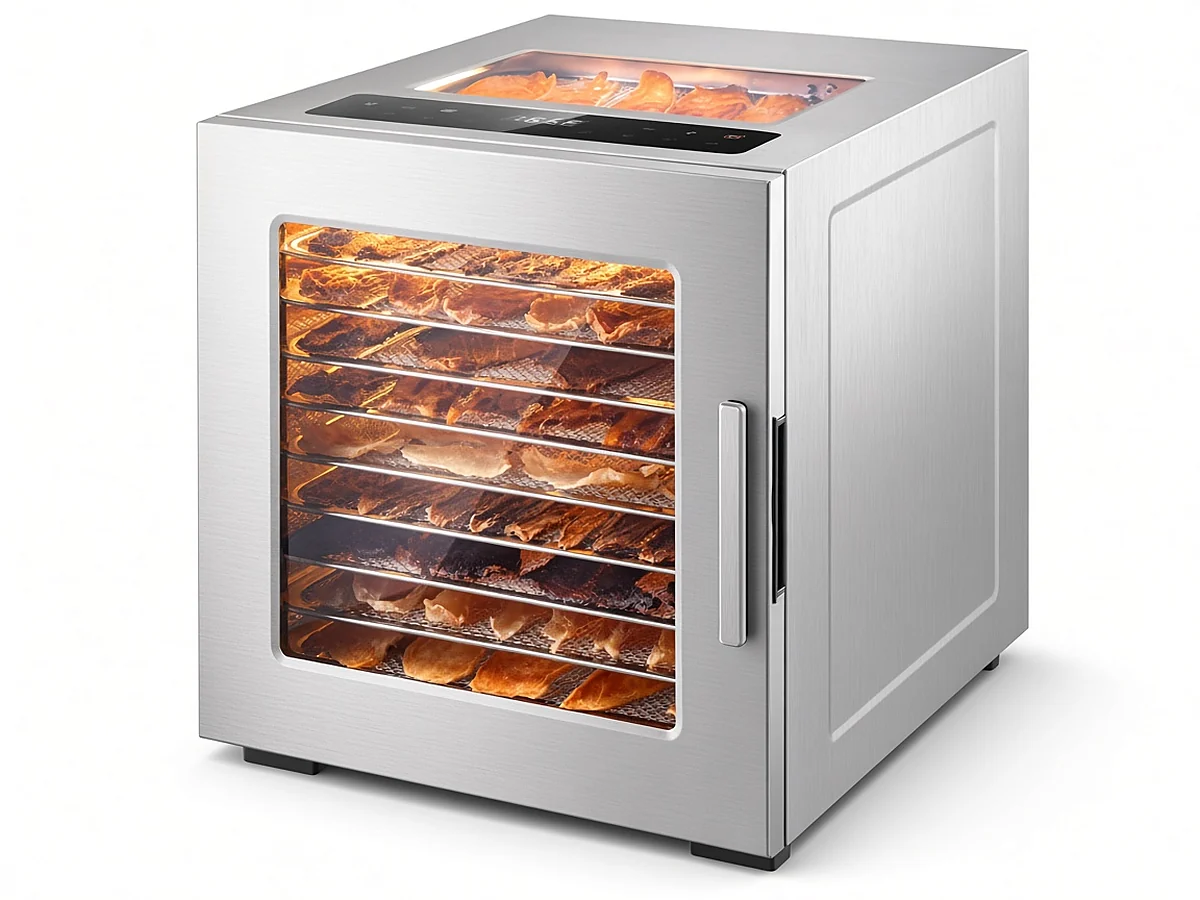
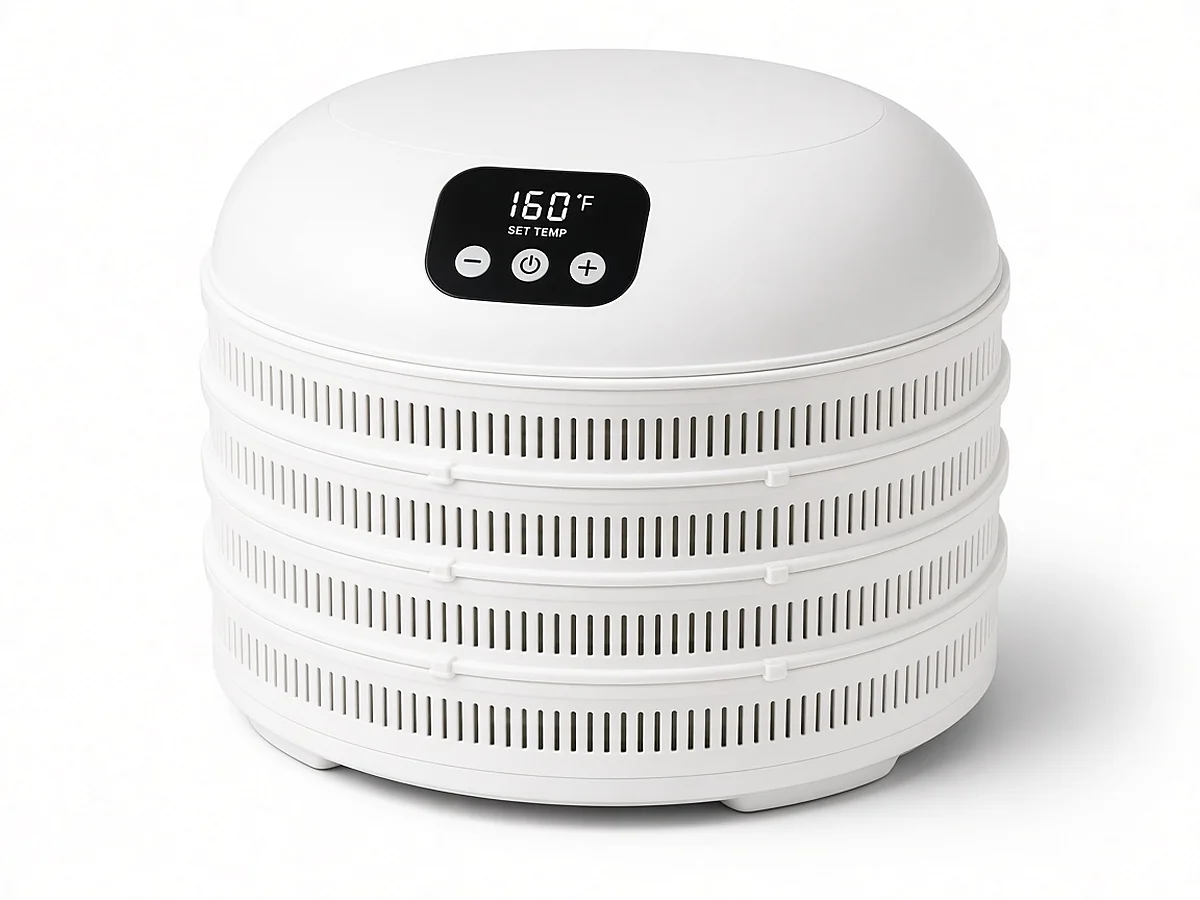
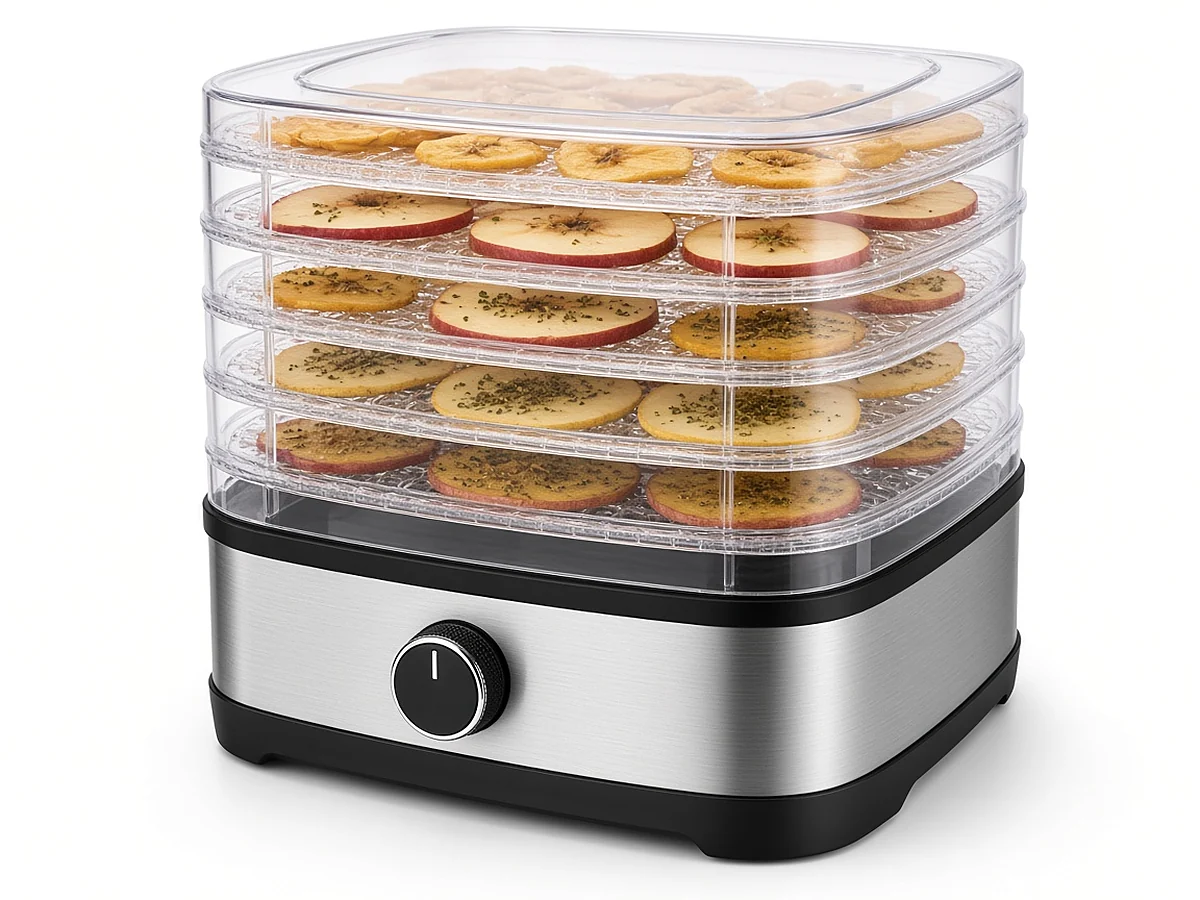
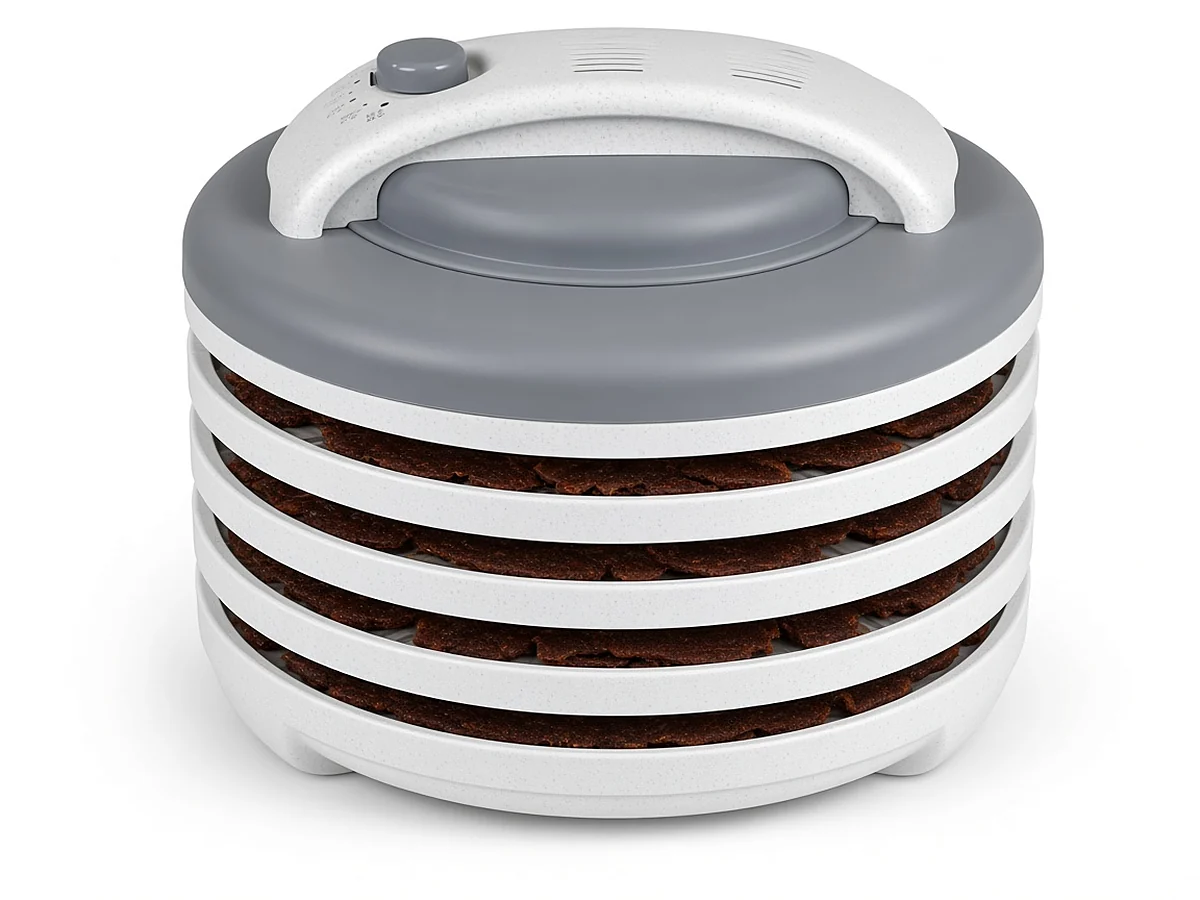
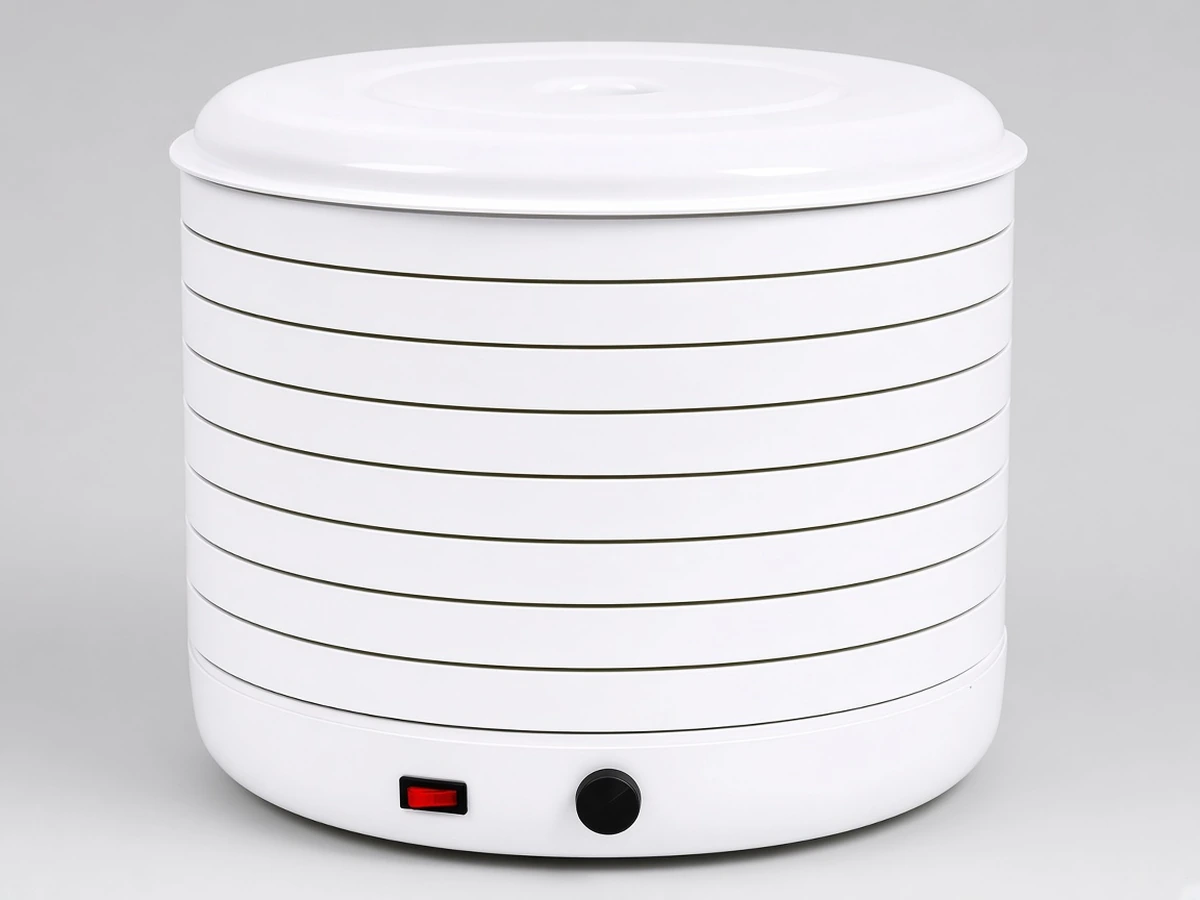
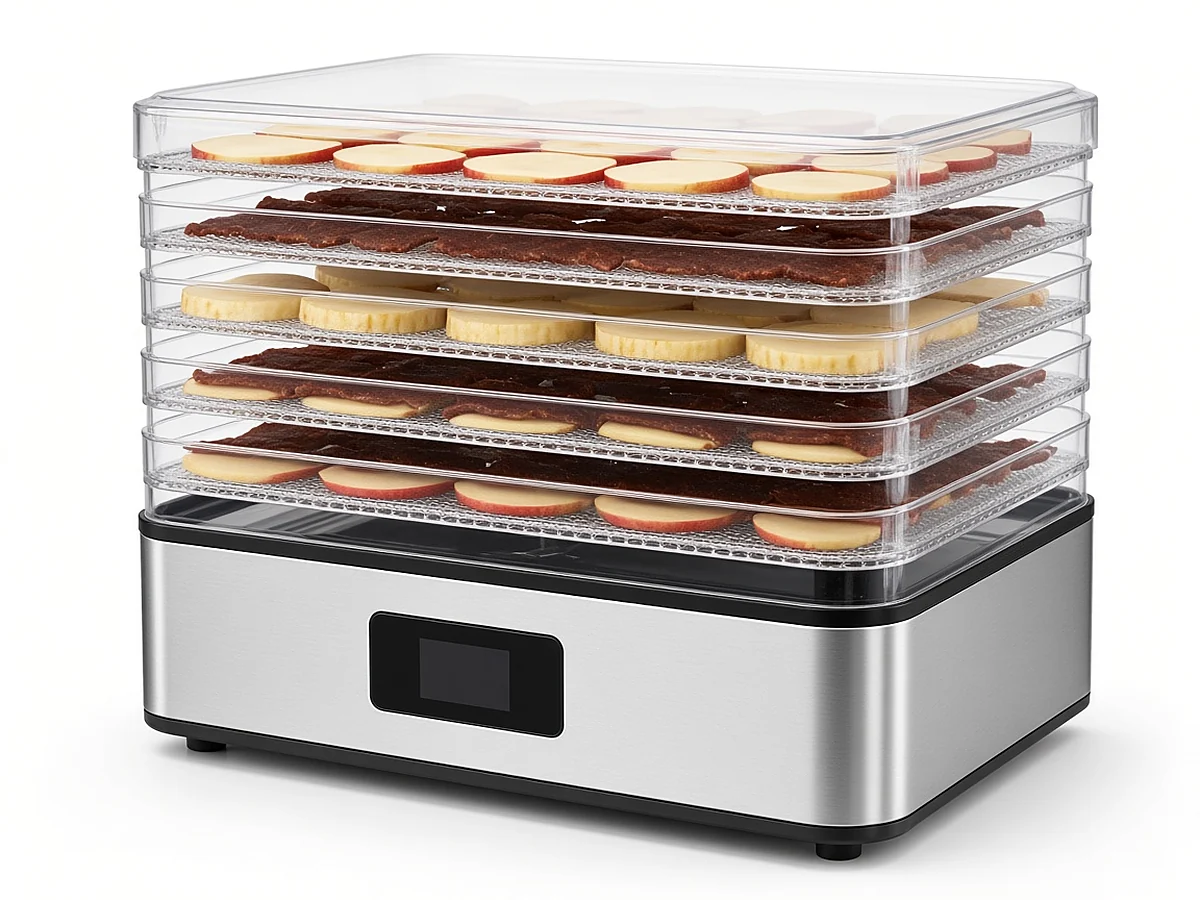 Magic Mill MFD-5000 Food Dehydrator, 5 Stainless TraysMagic Mill · Dehydrator
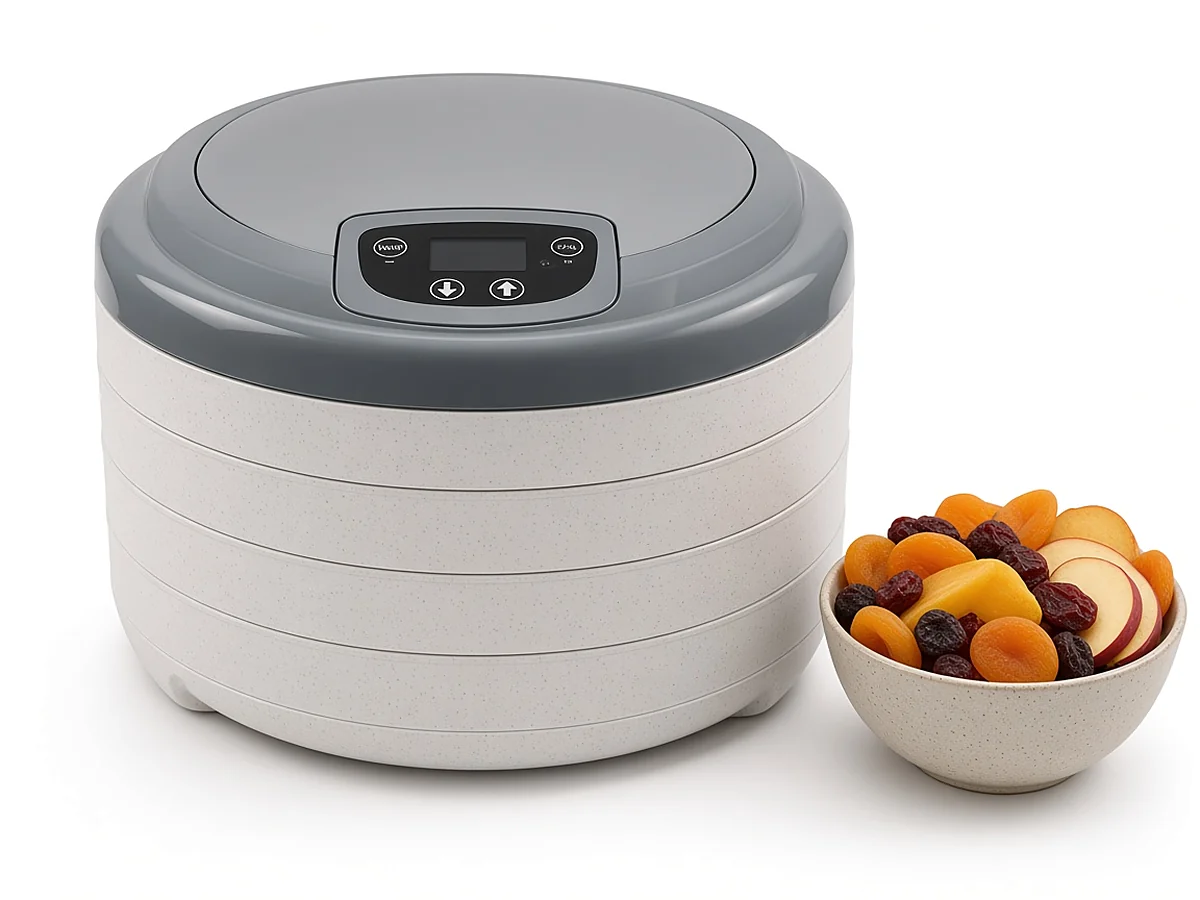
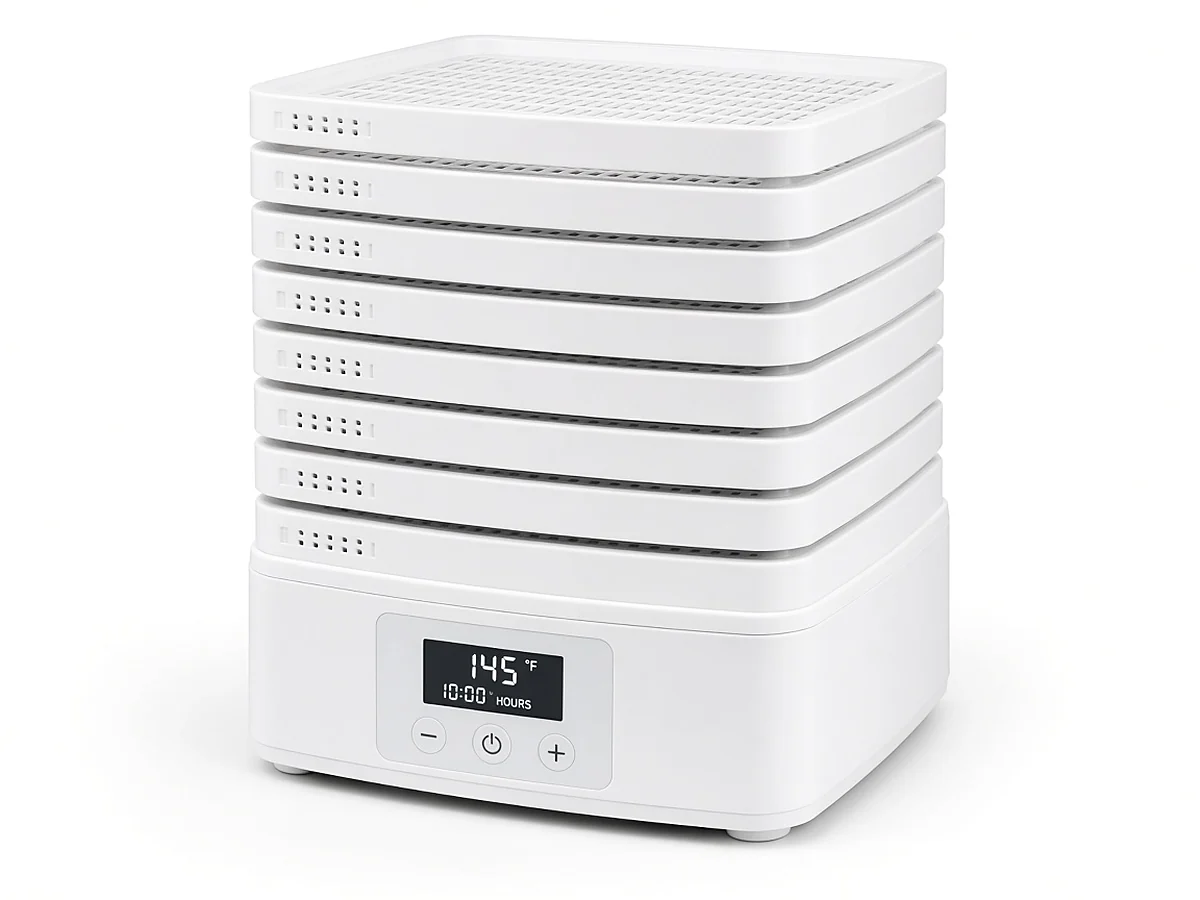
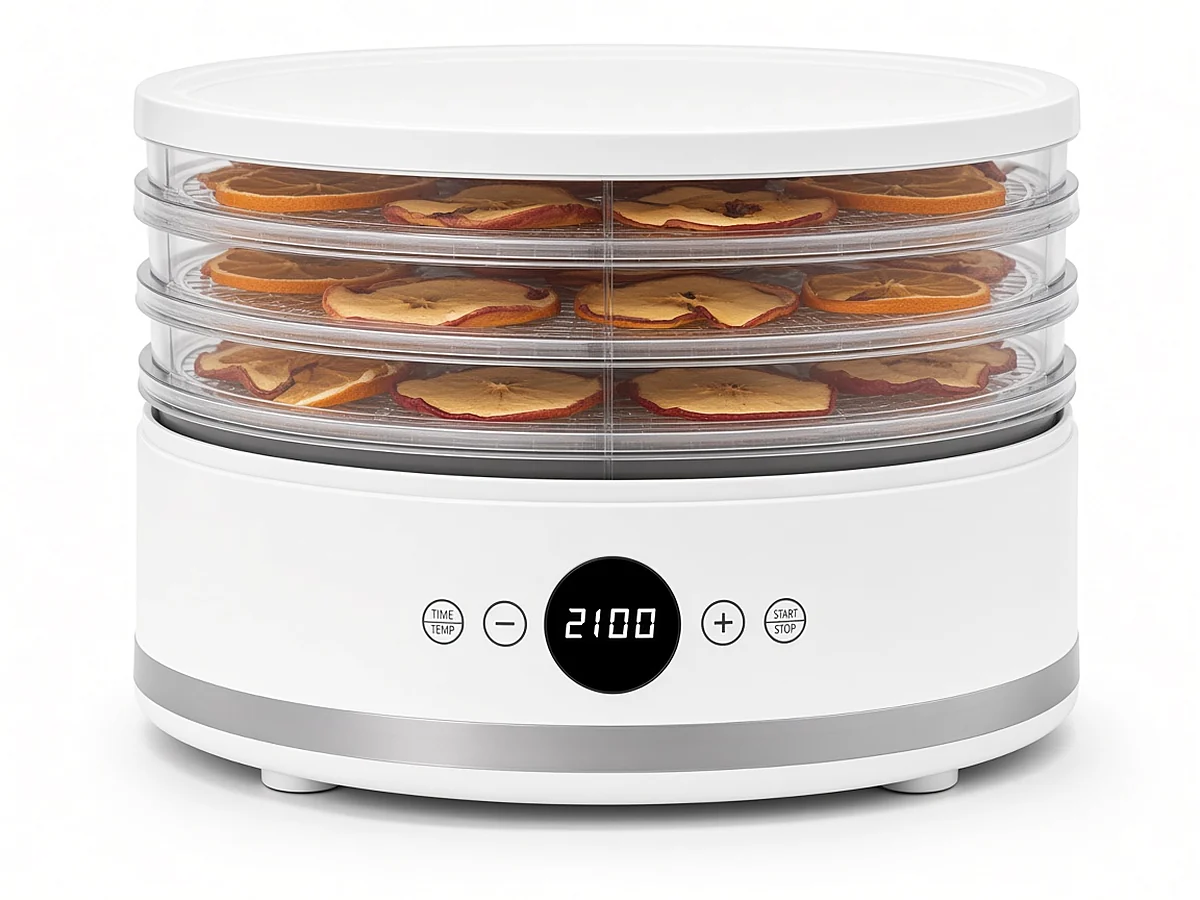 Elite Gourmet EFD329WD Digital Food Dehydrator, 5 SlimStore TraysElite Gourmet · Dehydrator
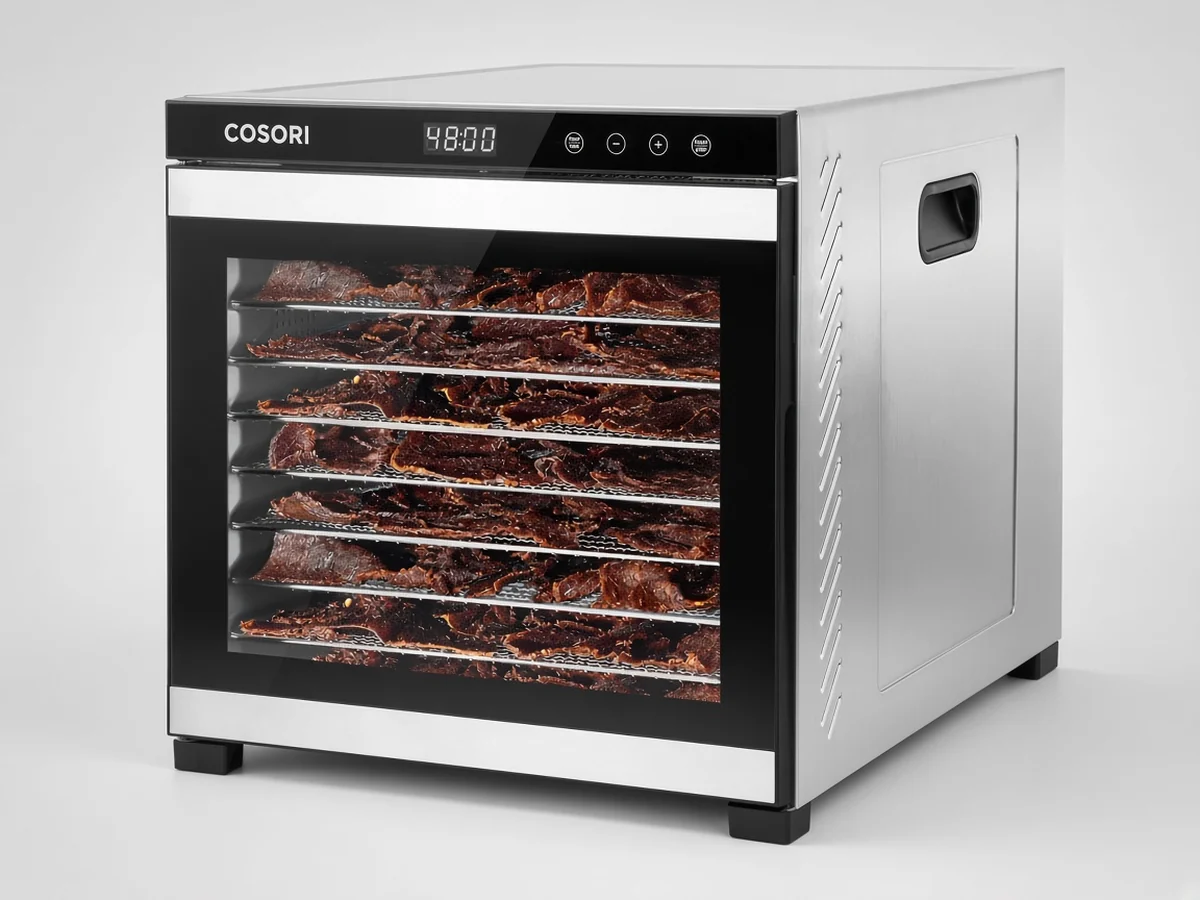
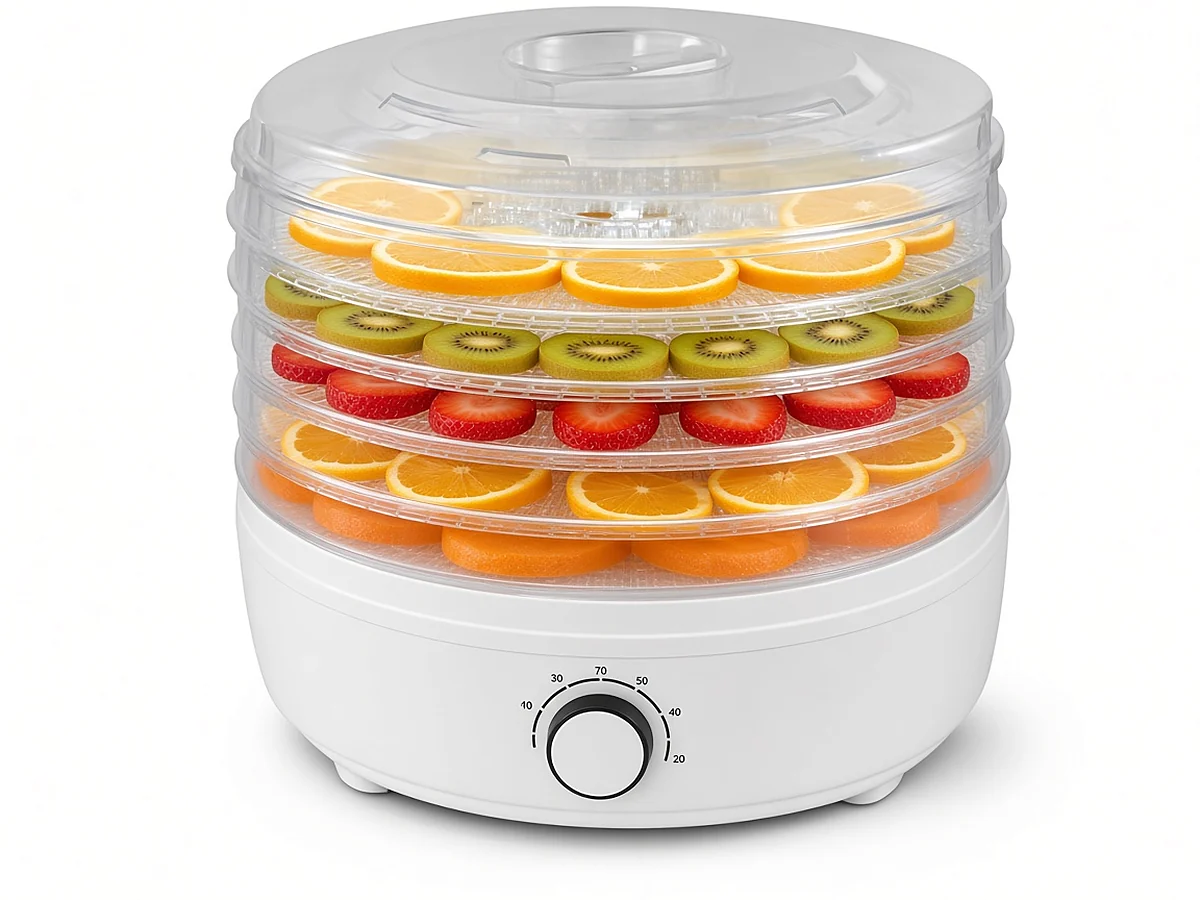
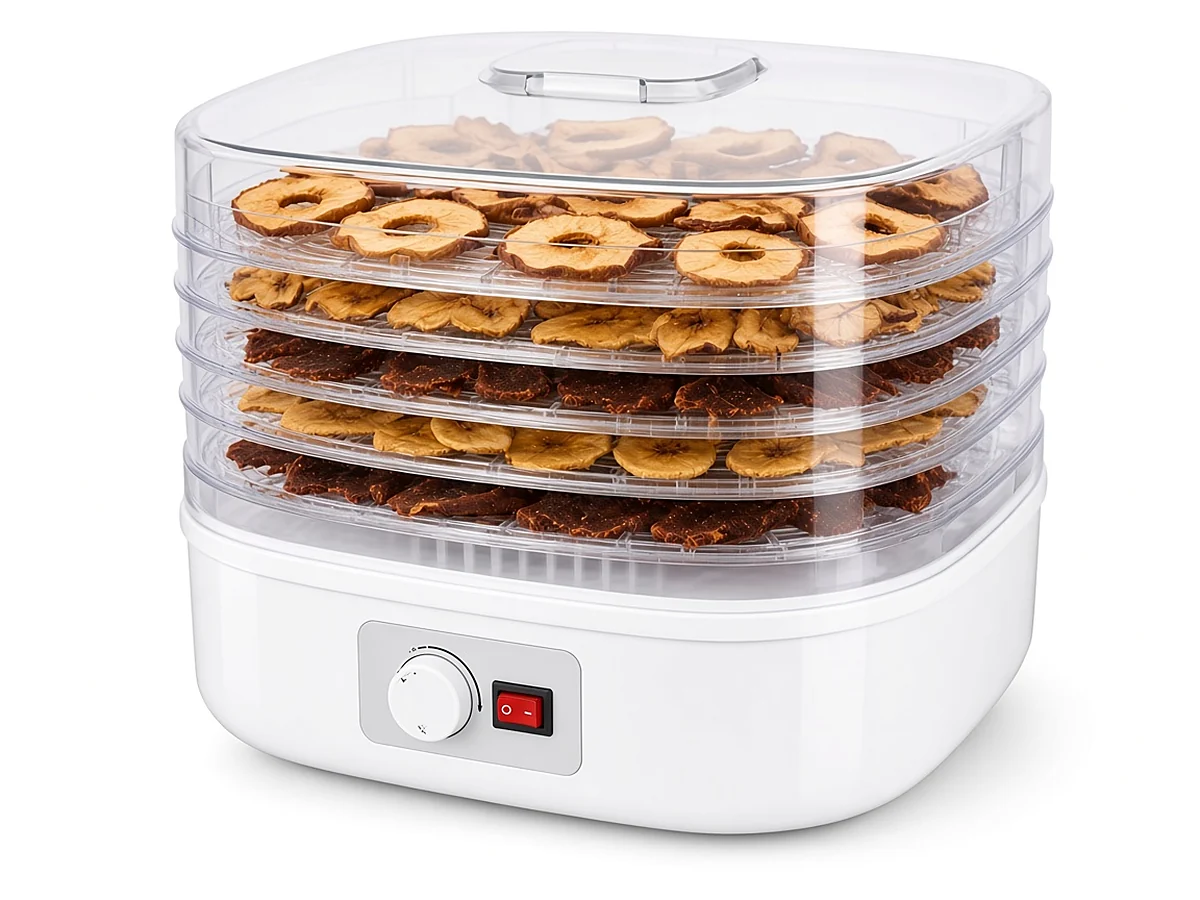
How-To · Food Dehydrators
Last updated: November 2026
Quick verdict: To dehydrate vegetables at home, blanch them where extension sources require it, then dry at 140 °F until a cooled piece is brittle or crisp. That is the National Center for Home Food Preservation (NCHFP) temperature and doneness test. Properly dried vegetables hold about 10 percent moisture and do not need the 7-to-10-day jar conditioning used for fruit. Store them airtight, cool, dry and dark, as described in how to store dehydrated food.
This is the general vegetable method. Official temperatures for fruit, herbs and jerky are in our dehydrator temperature chart. A first-batch walkthrough is in how to use a food dehydrator.
What you need to dehydrate vegetables
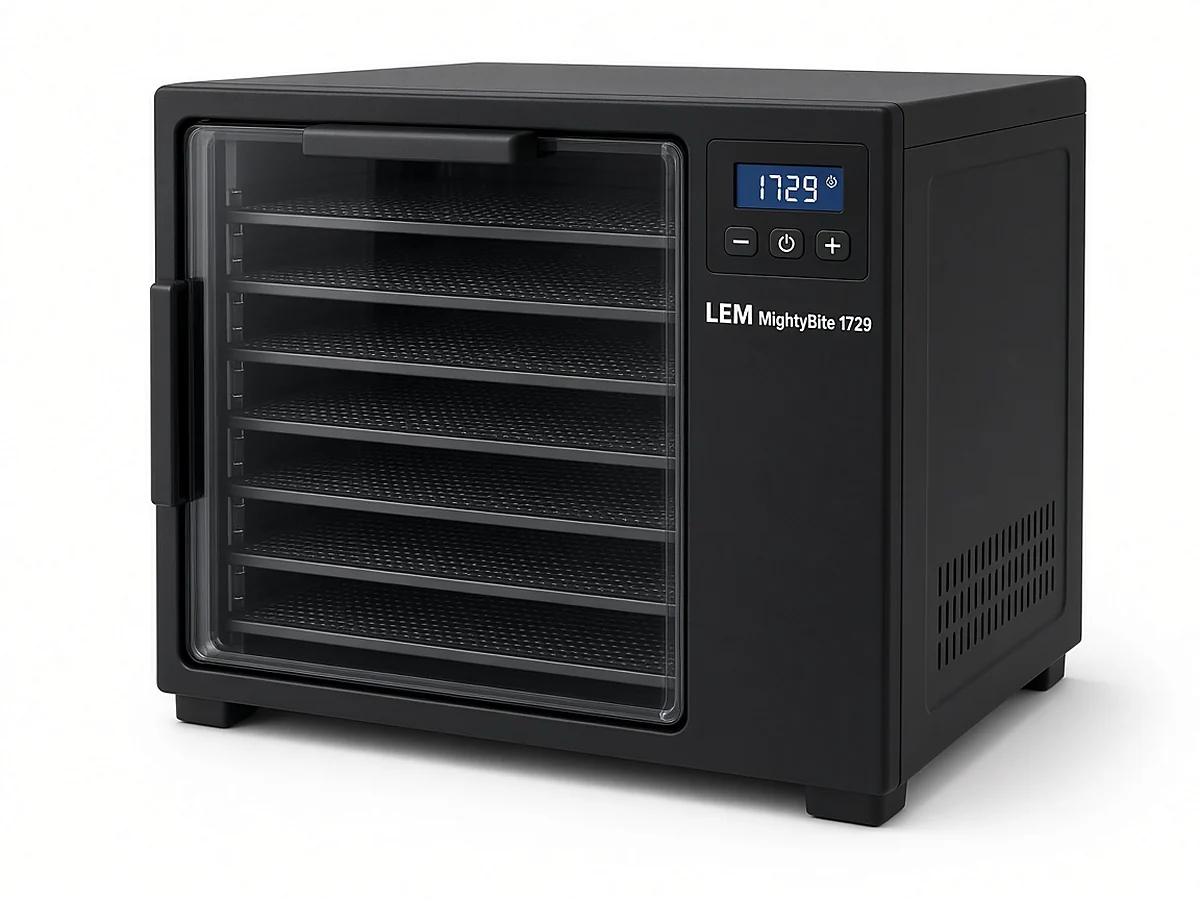
A dehydrator that can hold 140 °F. Adjustable examples include the COSORI CP267-FD (95-165 °F), COSORI P501 (95-176 °F), Magic Mill MFD-7700 (plan around the maker's 167 °F figure if the listing disagrees), Nesco FD-79 and the Excalibur Select 8-tray (85-165 °F). For a garden harvest, step up to a larger box such as the COSORI CFD-P103 (10 stainless trays, 7.4 sq ft), the expandable Nesco FD-1040, or the LEM MightyBite (6 trays, 7 sq ft). The Presto 06300 is fixed at about 165 °F, so it cannot hold 140 °F exactly.
A pot for blanching and a way to cool the vegetables quickly.
A sharp knife so slices are even.
Clean jars for storage. Vegetables that are fully dry do not need fruit-style conditioning, but they still need airtight, cool storage.
See the COSORI CP267-FD product page, or check the Amazon listing.
Step 1: Wash, trim and cut evenly
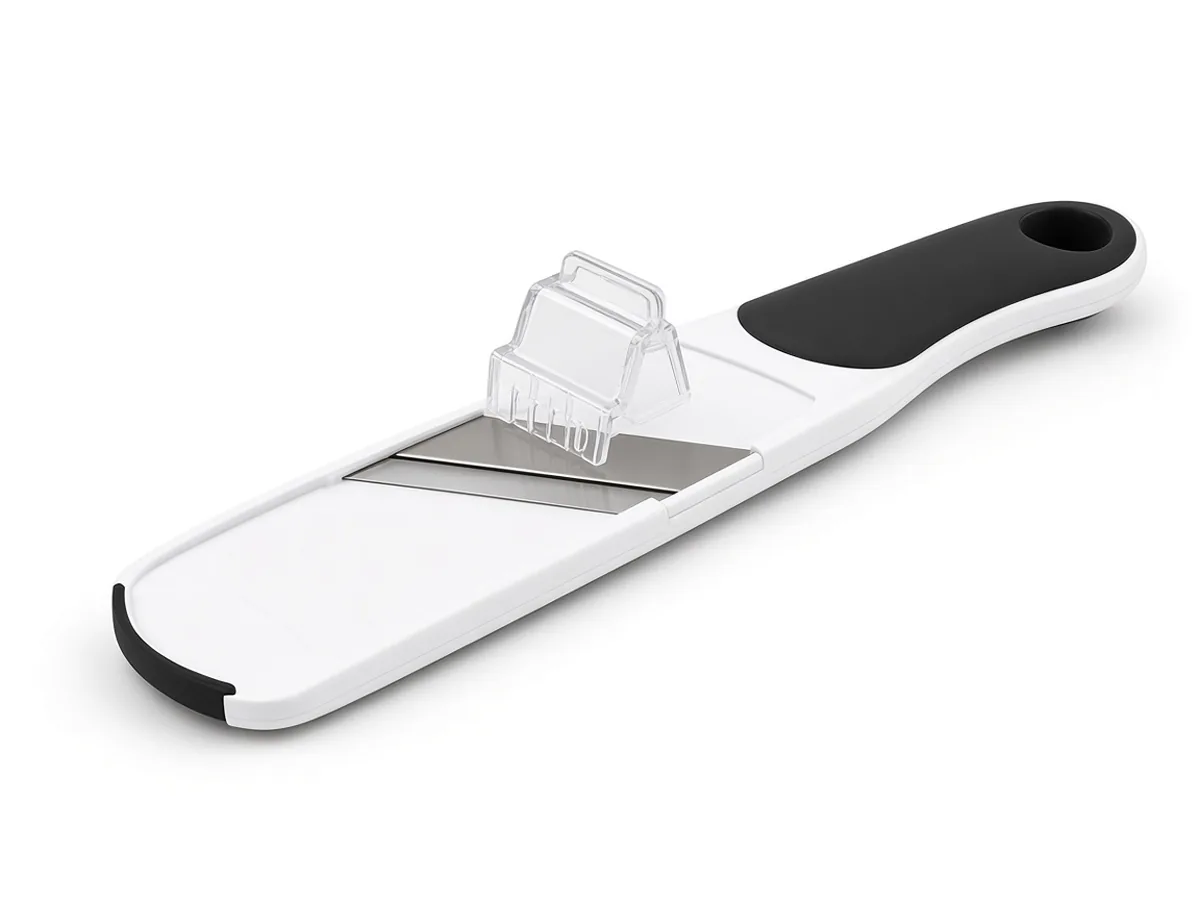
Wash the vegetables and cut away spoiled or bruised parts. Cut pieces to a consistent thickness so the tray finishes together. Work in batches you can blanch and load promptly. Even-slice prep, including a handheld mandoline, is in how to slice fruit and vegetables evenly for a dehydrator.
Step 2: Blanch where extension sources require it
The NCHFP recommends blanching most vegetables before drying. Blanching slows the enzymes that would otherwise keep changing color and flavor during storage. Follow the NCHFP directions for the vegetable you have: a brief steam or water blanch, then a prompt cool, and drain well so the trays are not wetter than they need to be. If a specific vegetable is listed as an exception in that guidance, follow that exception rather than a blog list. We do not invent a blanch time table here.
Step 3: Load the trays in a single layer
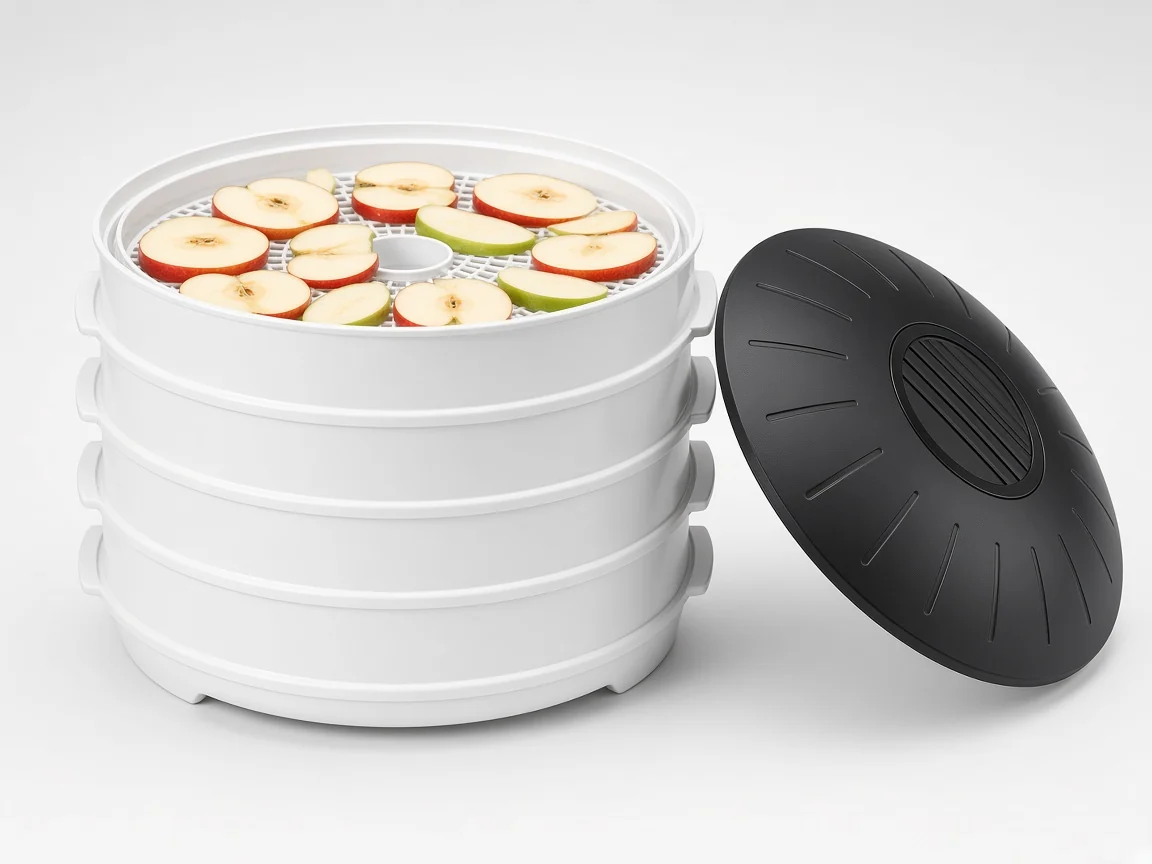
Spread the pieces in a single layer, with a little space for air. Do not pile them. Horizontal, rear-fan boxes such as the COSORI CP267-FD or an Excalibur Select move air across each shelf. Stackable Nescos can work if you check the trays mid-cycle; a tall Gardenmaster stack will take longer even at 1,000 W. See dehydrator not drying evenly and vertical vs horizontal dehydrators.
For a larger harvest, the CFD-P103 or the expandable FD-1040 gives you more tray area. See the Nesco FD-1040 product page, or check the Amazon listing.
Step 4: Dry at 140 °F
Set the dehydrator to 140 °F, the NCHFP temperature for vegetables as well as fruit. Do not turn the heat up to finish faster. Clemson Cooperative Extension warns that too much heat can case-harden the outside and trap moisture inside. Leave the unit to run, and start checking the thinnest pieces first. We do not invent a timer for carrots or peppers; thickness, humidity and load all change the clock.
Step 5: Test a cooled piece
The NCHFP doneness test for vegetables is that they should be brittle or crisp, at about 10 percent moisture. Always cool a test piece first; warm vegetables feel softer than they are. Unlike fruit, properly dried vegetables do not need conditioning in jars for 7 to 10 days. If a piece still bends, keep drying.
Step 6: Cool, then store
Let the vegetables cool completely, then pack them airtight, cool, dry and dark. The NCHFP gives a general home-dried storage range of 4 months to 1 year, and says dried vegetables keep about half as long as fruit at the same temperature. Details and spoilage signs are in how to store dehydrated food. If condensation appears in the jar, the food was not dry enough; return it to the dehydrator and pack again. Do not try to rescue moldy food.
Related on Amazon: OXO Good Grips Handheld Mandoline Slicer.
Related on Amazon: Presto 06300 Dehydro Electric Food Dehydrator.
Amazon listings for the products in this guide
Direct links to the Amazon listings for the products named or shown in this guide:
- COSORI CP267-FD Food Dehydrator, 6 Stainless Trays – View on Amazon
- COSORI P501 Food Dehydrator, 5 Stainless Trays – See the Amazon listing
- Magic Mill Pro MFD-7700 Food Dehydrator, 7 Stainless Trays – Check availability on Amazon
- Nesco FD-79 Snackmaster Pro Digital Food Dehydrator, 4 Trays – View on Amazon
- Excalibur Select DH08SCSS13 Food Dehydrator, 8 Trays – See the Amazon listing
- COSORI CFD-P103 Food Dehydrator, 10 Stainless Trays – Check availability on Amazon
Frequently asked questions
What temperature should I dehydrate vegetables at?
140 °F, per the NCHFP. That is also the fruit setting. Herbs go much lower; jerky needs a separate heat step. See the dehydrator temperature chart.
Do I have to blanch vegetables before dehydrating?
The NCHFP recommends blanching most vegetables before drying. Follow that guidance for the vegetable you have, rather than a generic "never blanch" or "always blanch" rule from an unsourced chart.
How do I know when dehydrated vegetables are done?
Let a piece cool, then check it. It should be brittle or crisp, not leathery. The NCHFP puts properly dried vegetables at about 10 percent moisture, and says they do not need fruit-style conditioning.
Sources
National Center for Home Food Preservation, drying vegetables and food dehydrators
Clemson Cooperative Extension, case hardening from excessive heat