How to Dehydrate Herbs at Home
Published 11/14/2026 · Updated 11/24/2026
Quick answer
To dehydrate herbs at home, use a low temperature: 95-115 °F, or up to 125 °F in humid areas, until the leaves crumble and the stems break when bent. The National Center for Home Food Preservation (NCHFP) gives that range and a typical 1-4 hour window. You need a dehydrator with an adjustable thermostat that can actually go that low.
Products mentioned in this guide
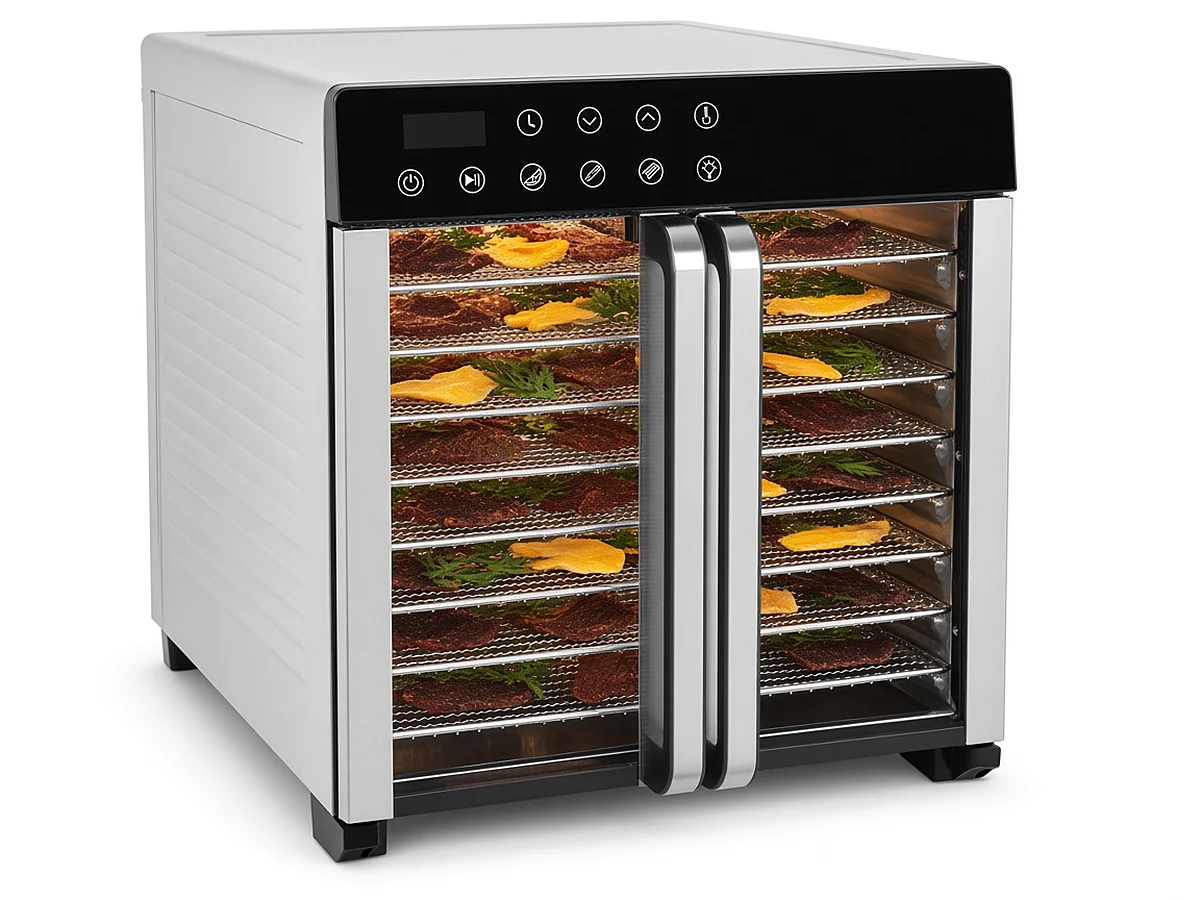 Excalibur Select DH08SCSS13 Food Dehydrator, 8 TraysExcalibur · Dehydrator
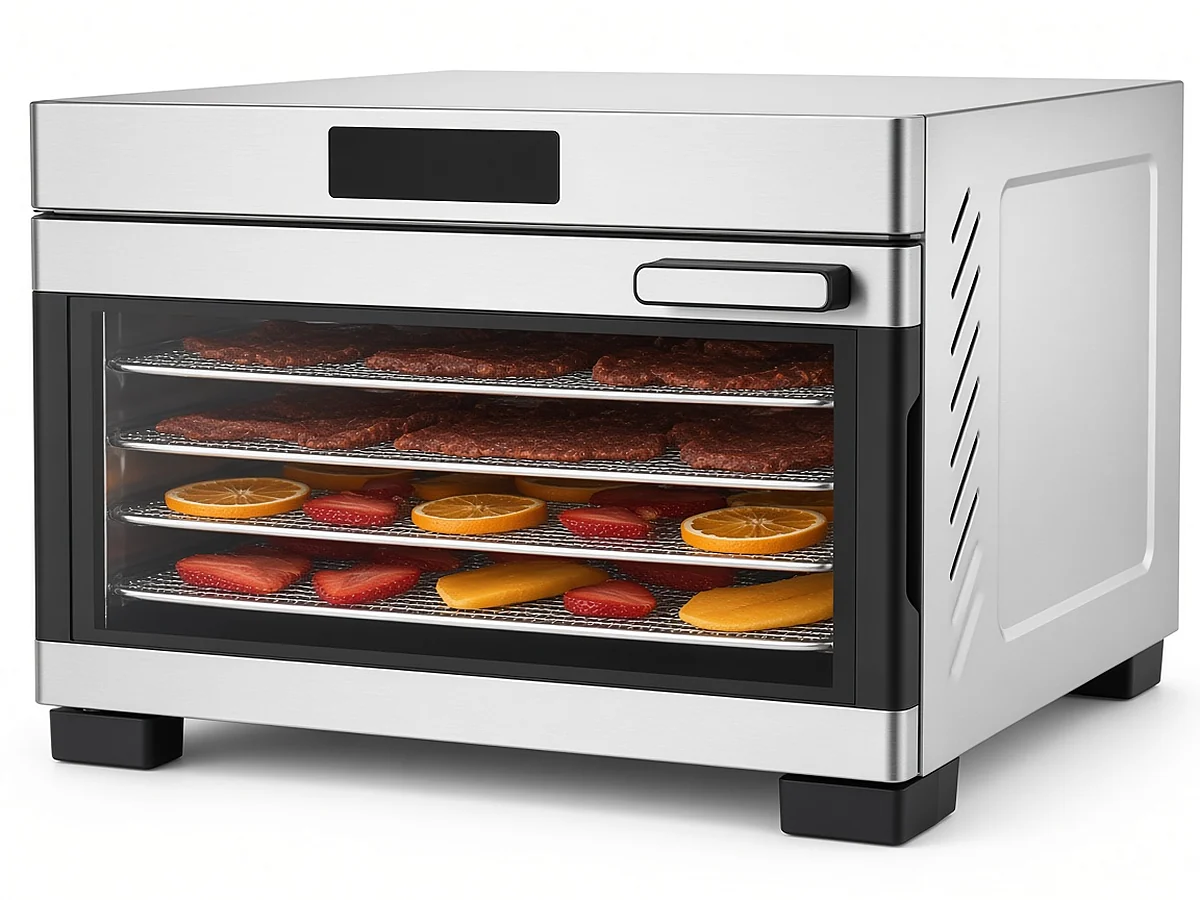
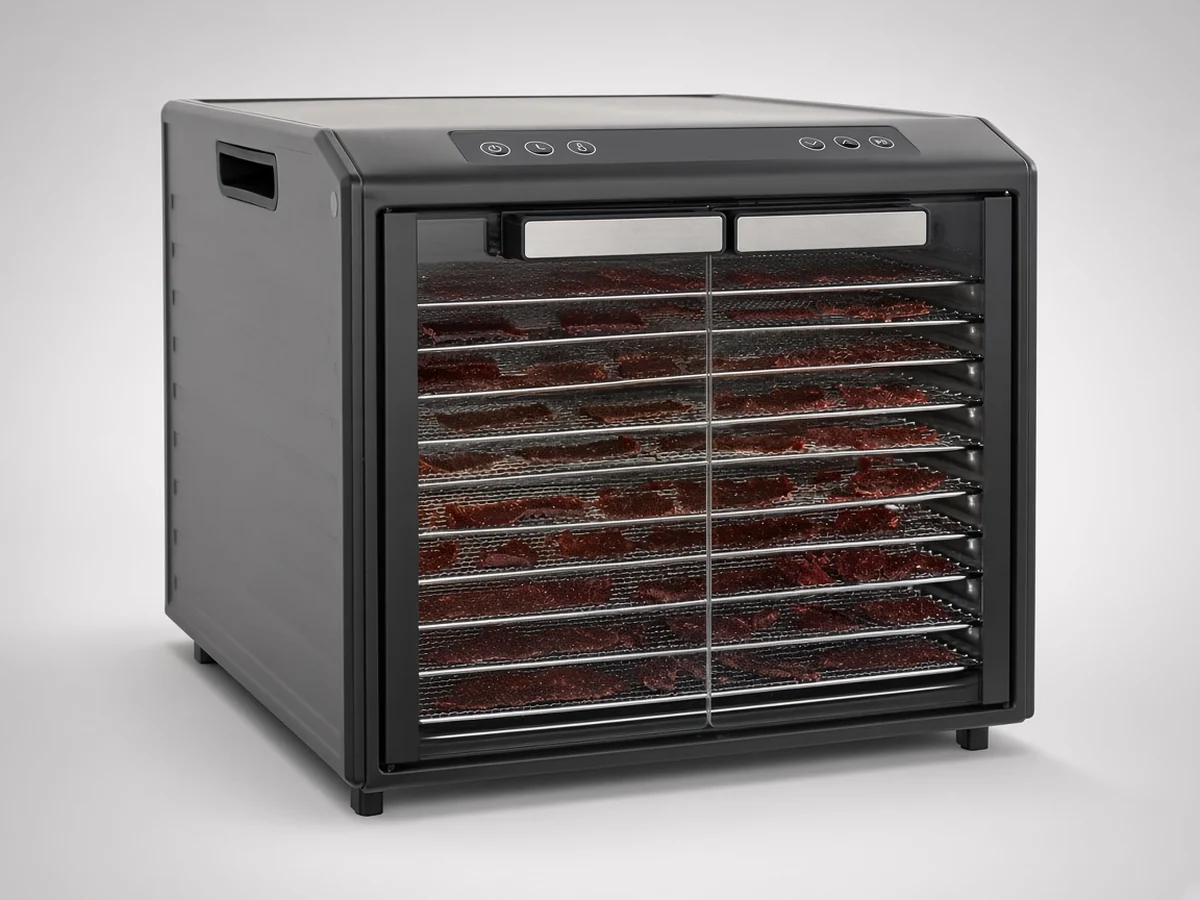
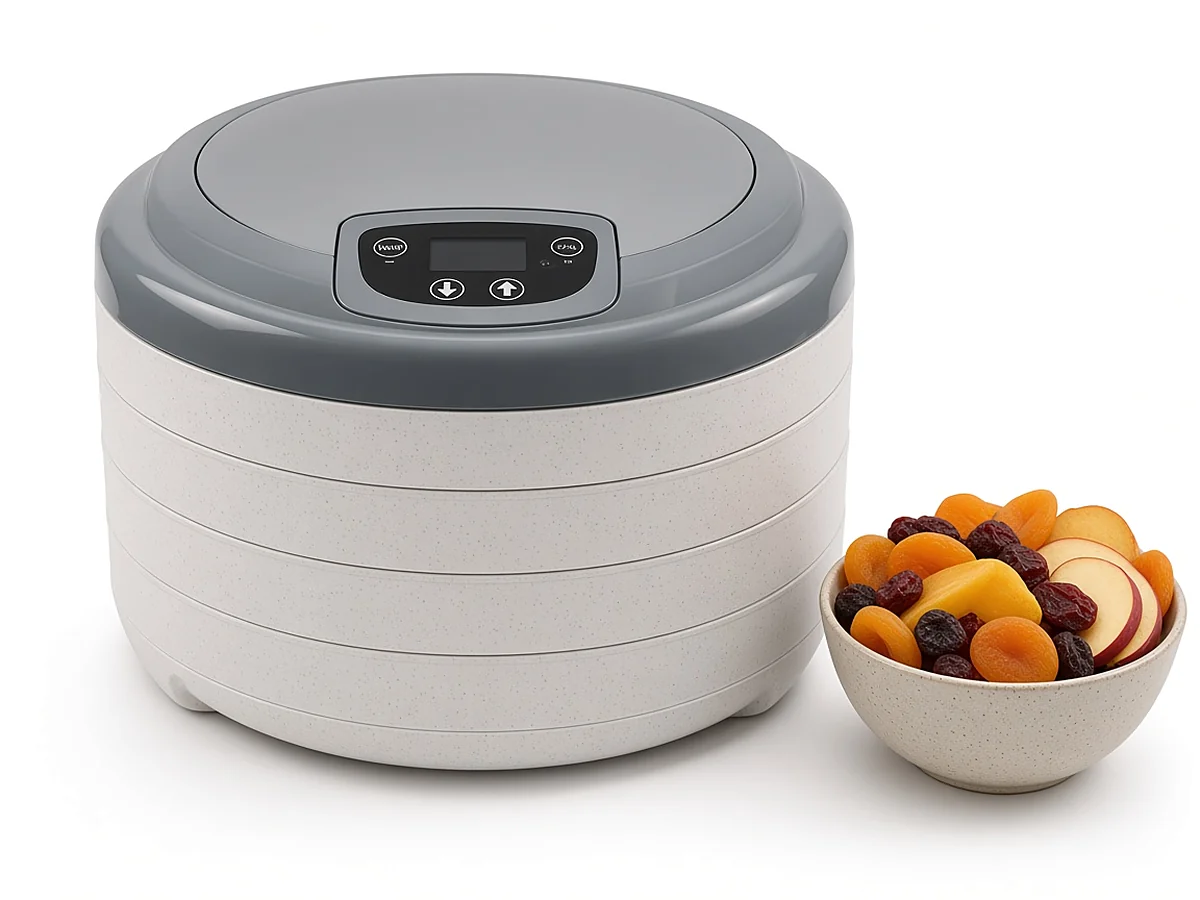
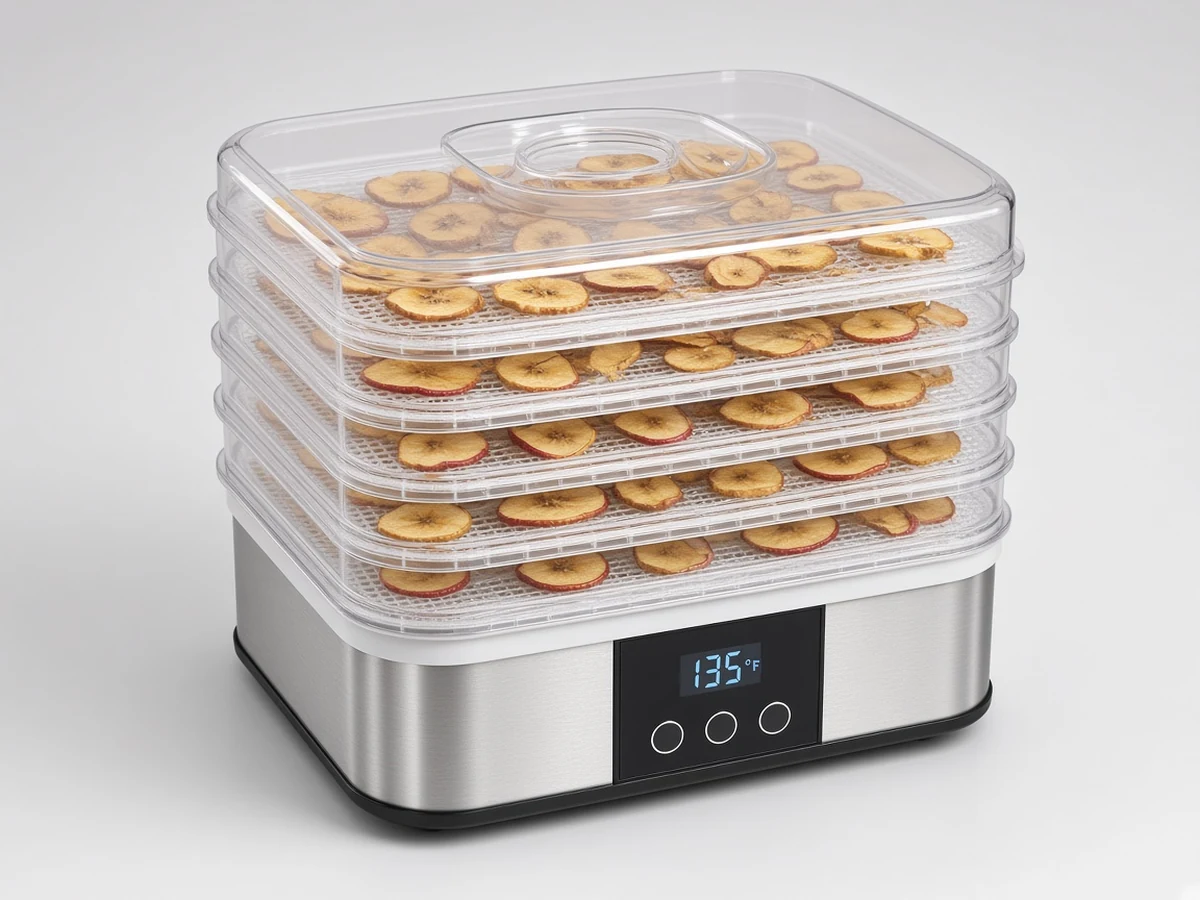 Hamilton Beach 32100A Digital Food Dehydrator, 5 TraysHamilton Beach · Dehydrator
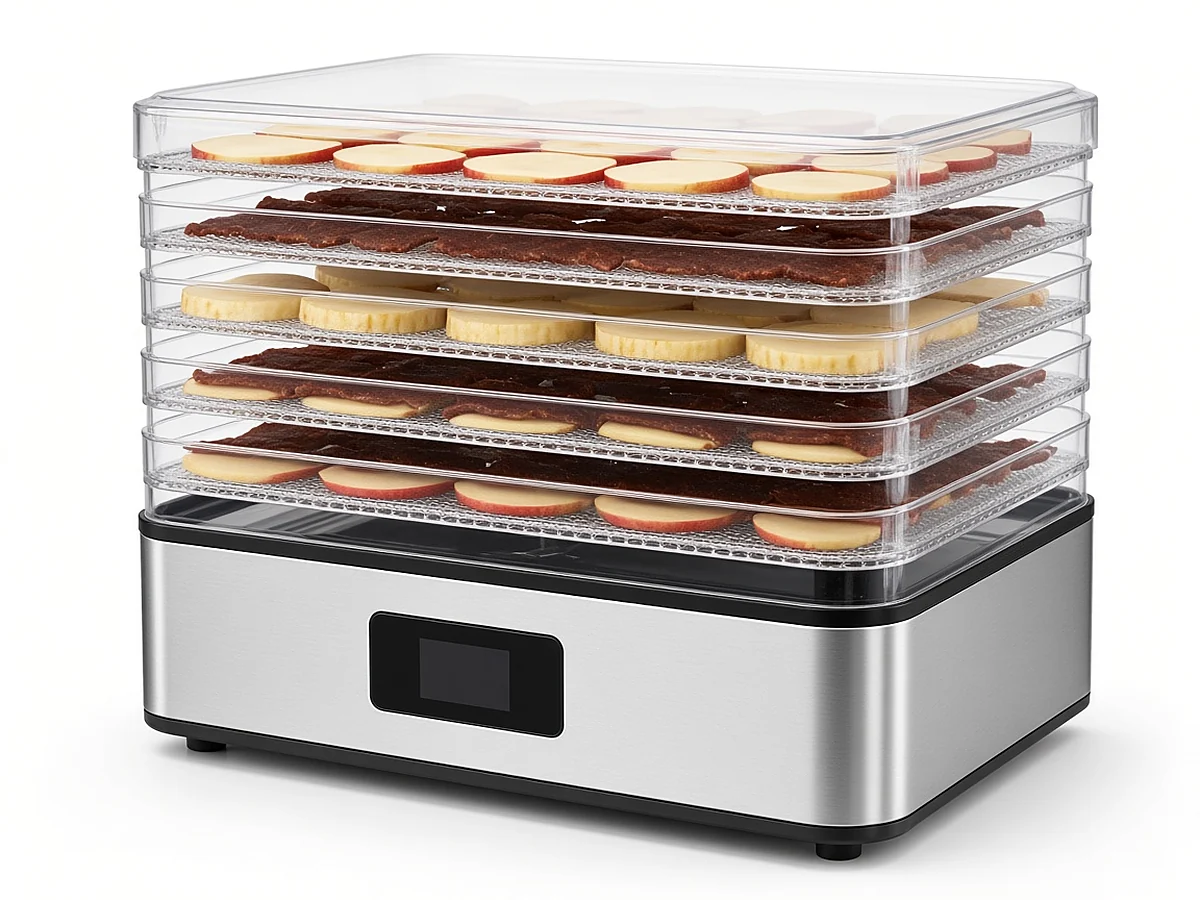 Magic Mill MFD-5000 Food Dehydrator, 5 Stainless TraysMagic Mill · Dehydrator
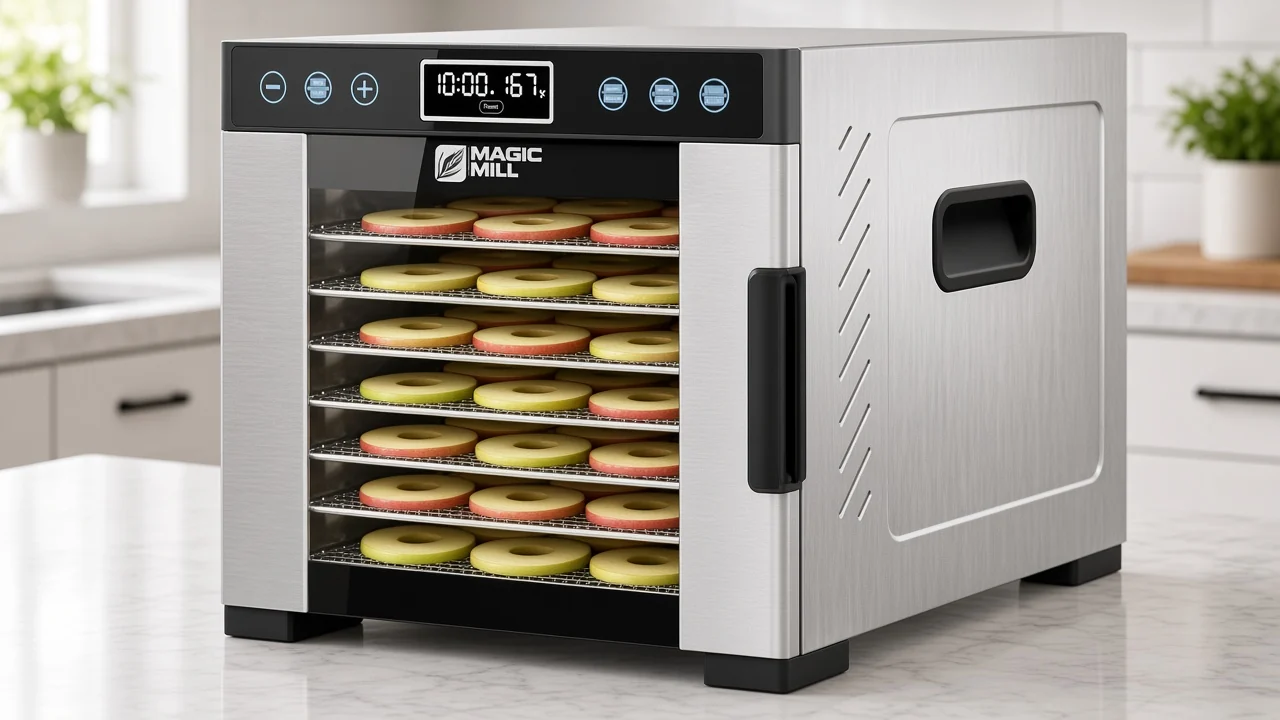 Magic Mill Pro MFD-7700 Food Dehydrator, 7 Stainless TraysMagic Mill · Dehydrator
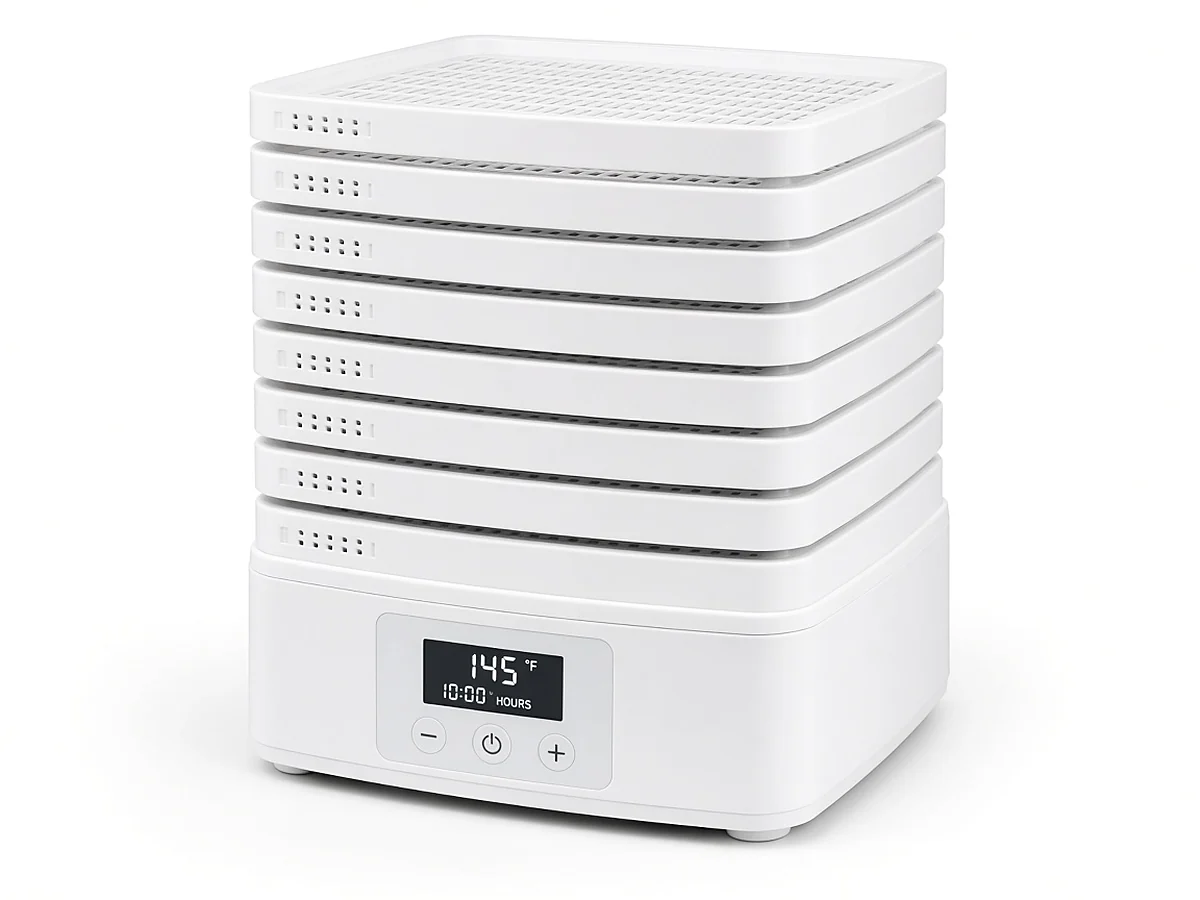
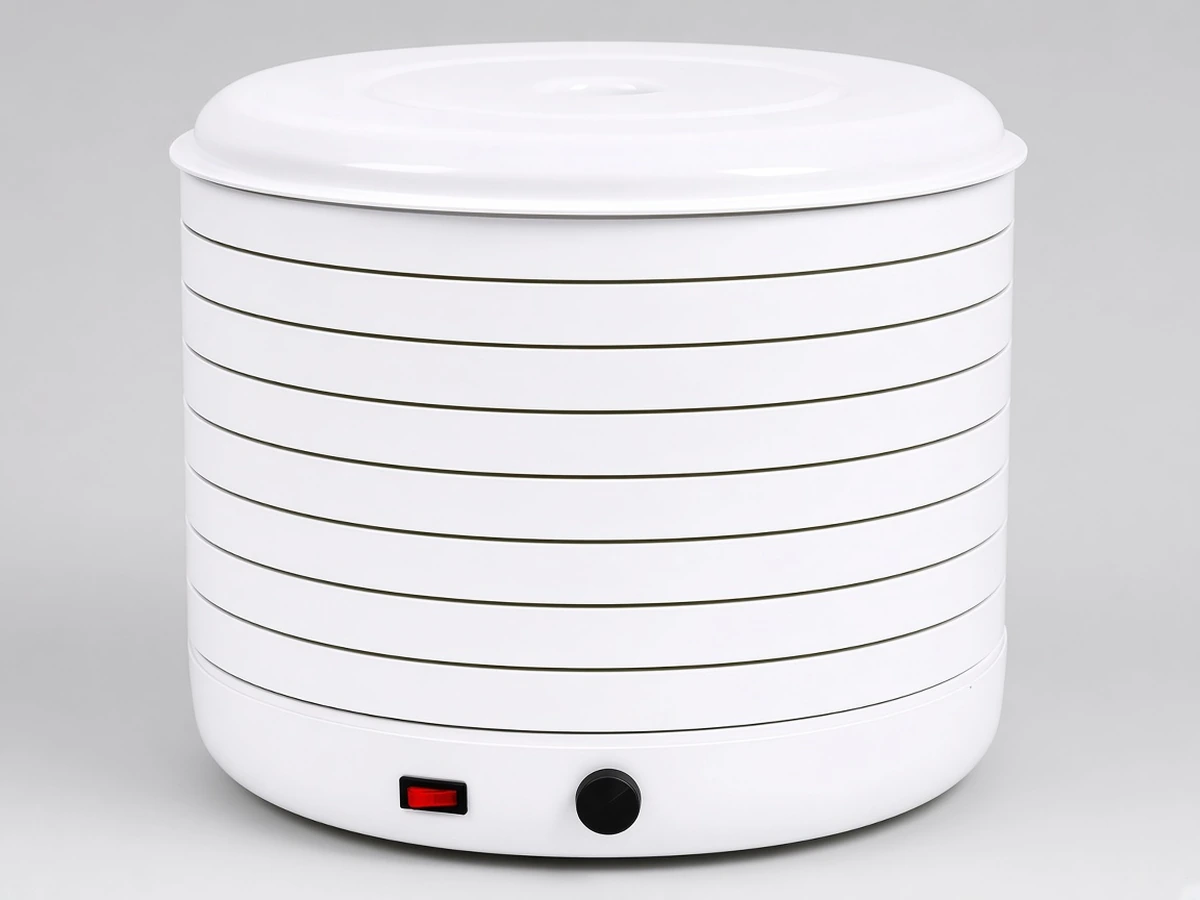
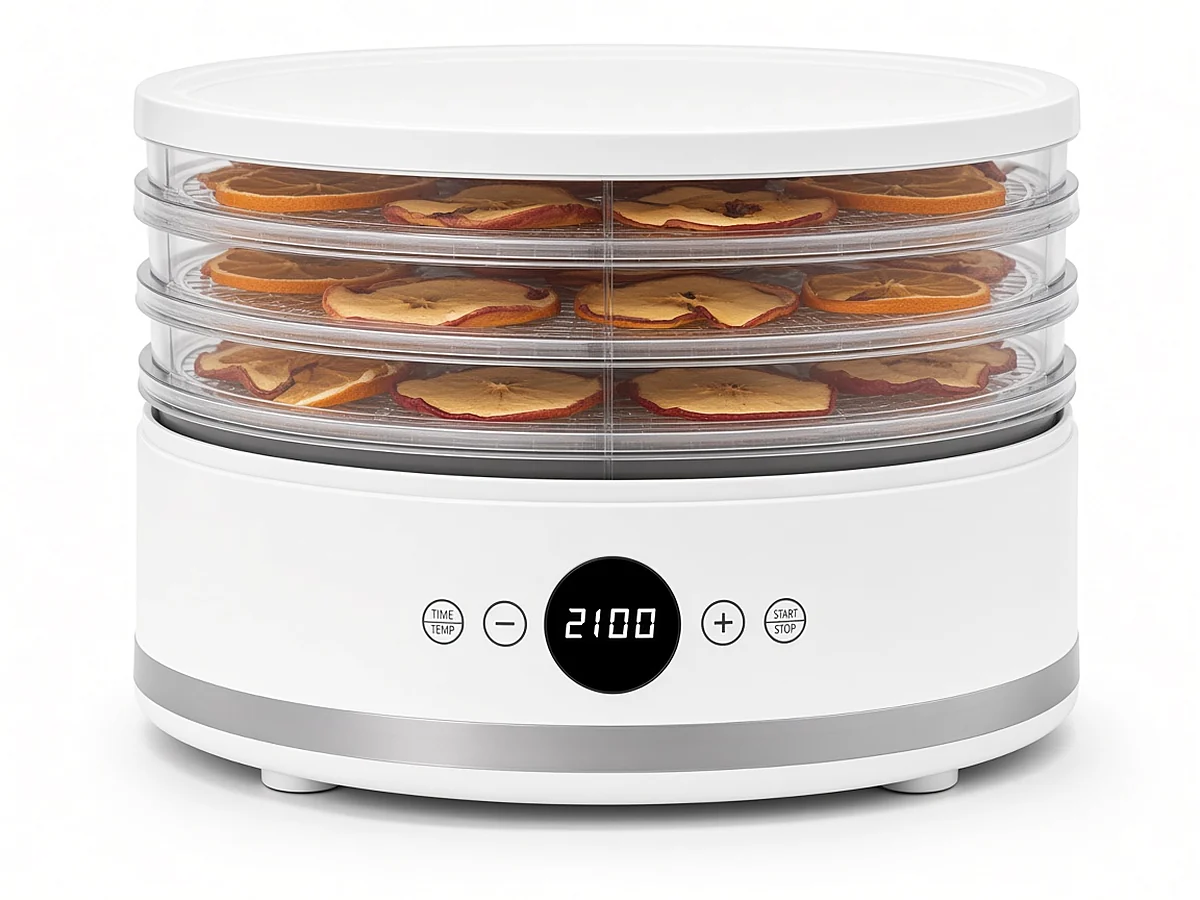 Elite Gourmet EFD329WD Digital Food Dehydrator, 5 SlimStore TraysElite Gourmet · Dehydrator
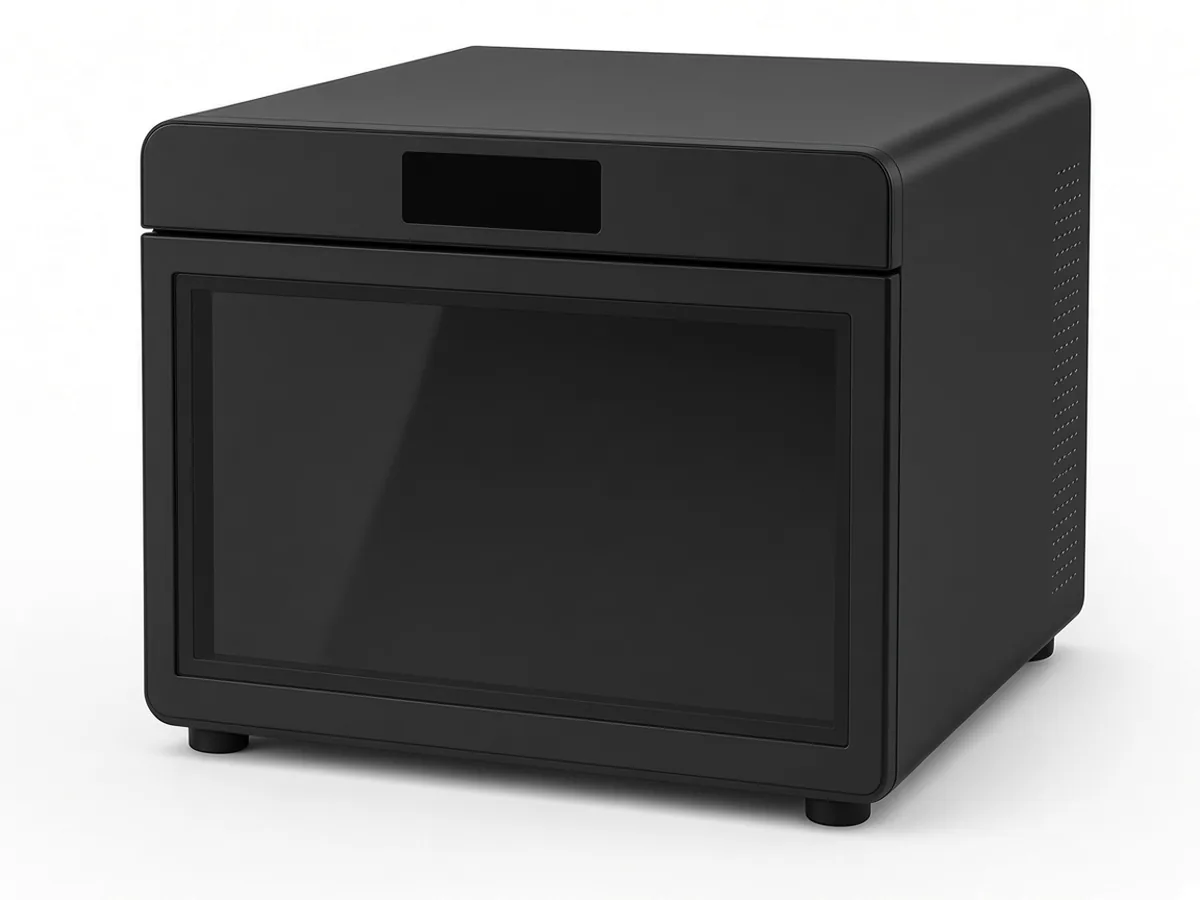 Elite Gourmet EFD308 Food Dehydrator, 4 Stainless TraysElite Gourmet · Dehydrator
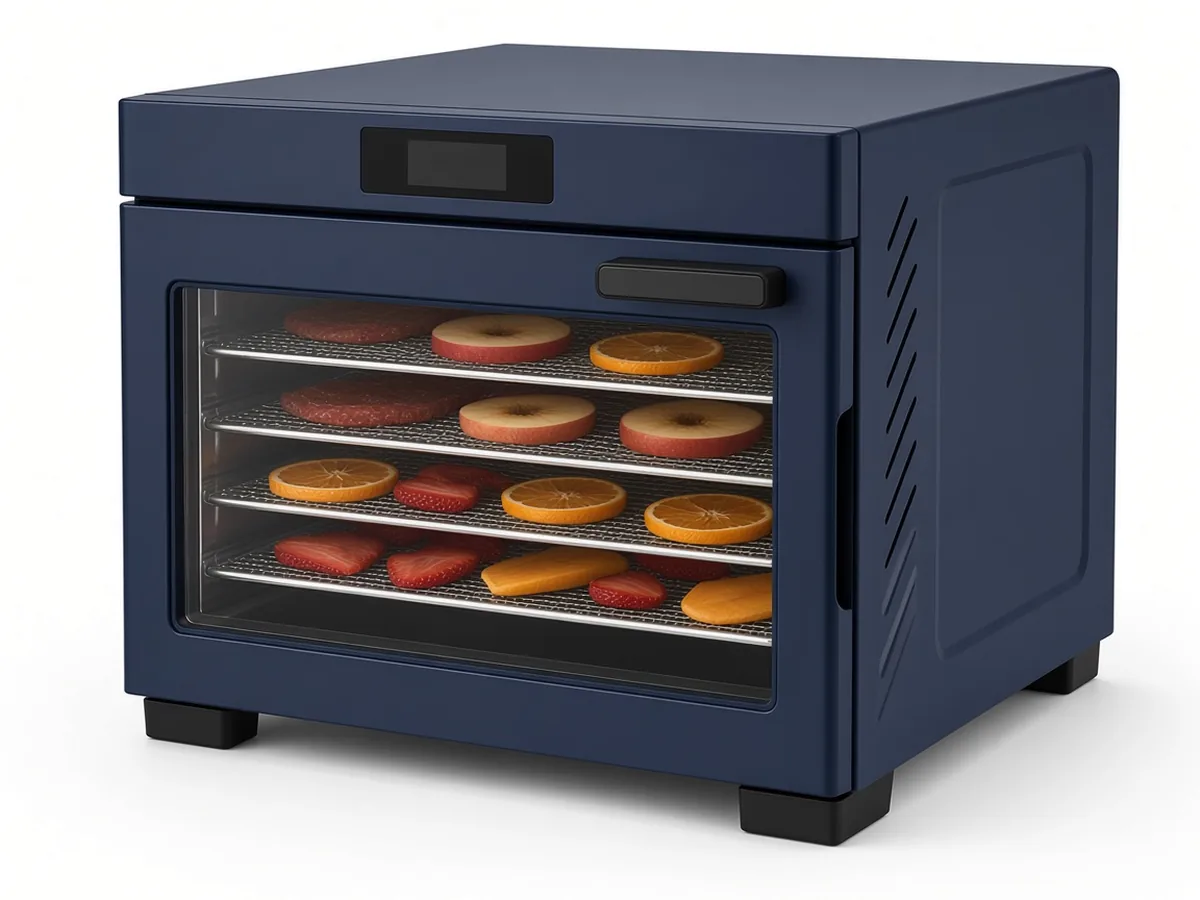
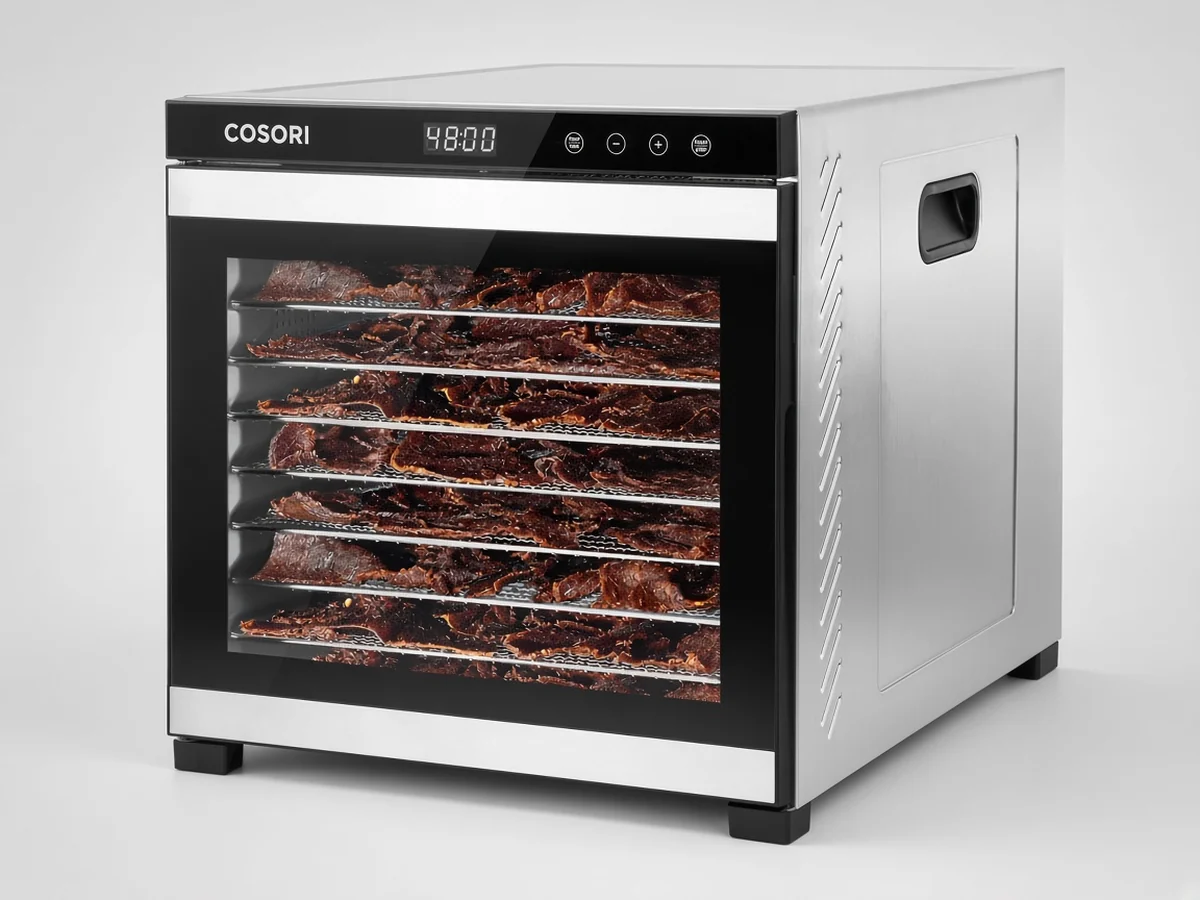
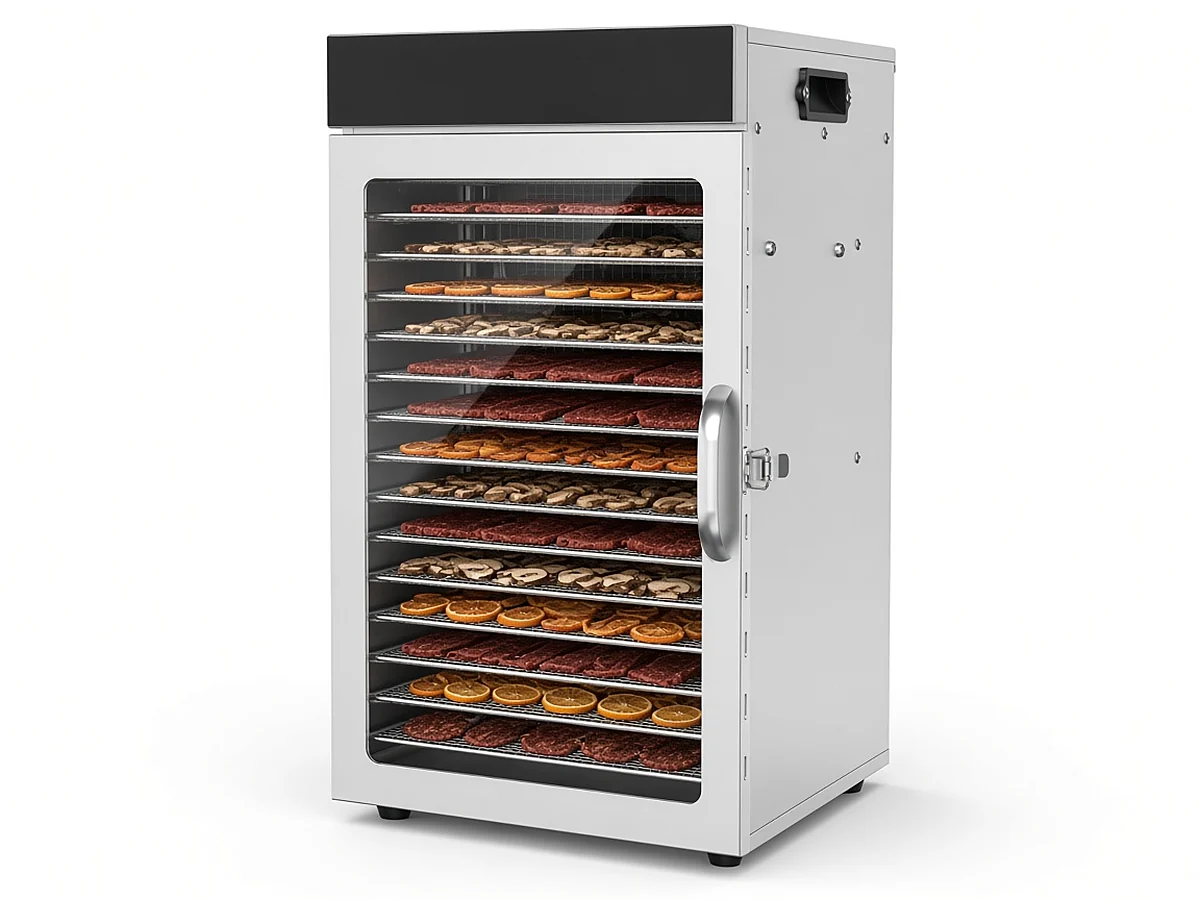
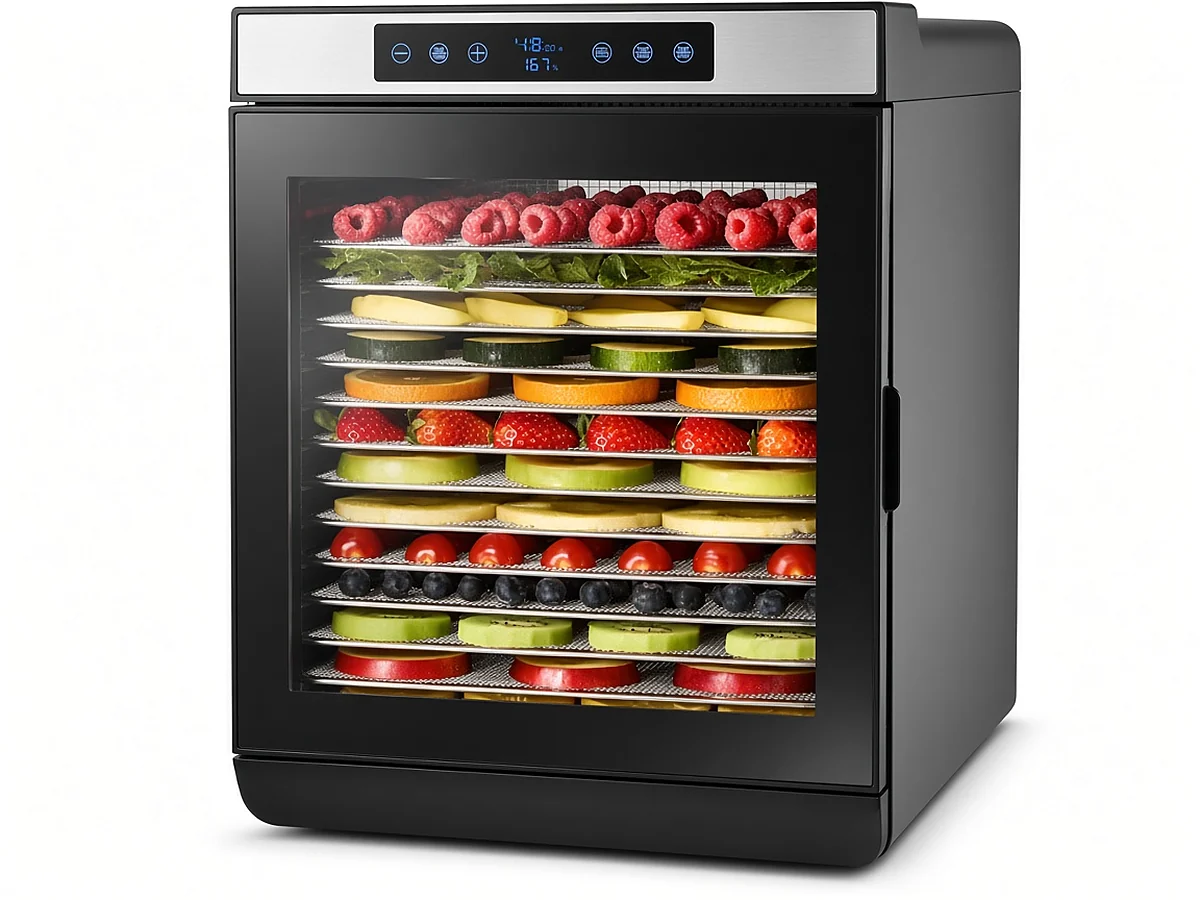 Magic Mill Premium Food Dehydrator, 15 XL Stainless TraysMagic Mill · Dehydrator
How-To · Food Dehydrators
Last updated: November 2026
Quick verdict: To dehydrate herbs at home, use a low temperature: 95-115 °F, or up to 125 °F in humid areas, until the leaves crumble and the stems break when bent. The National Center for Home Food Preservation (NCHFP) gives that range and a typical 1-4 hour window. You need a dehydrator with an adjustable thermostat that can actually go that low. A fixed 165 °F machine such as the Presto 06300 is the wrong tool. Pick a unit like the COSORI CP267-FD (95-165 °F) or an Excalibur Select (85-165 °F) instead.
Official temperatures for fruit, vegetables and jerky are in our dehydrator temperature chart. A first-batch walkthrough is in how to use a food dehydrator.
What you need to dehydrate herbs
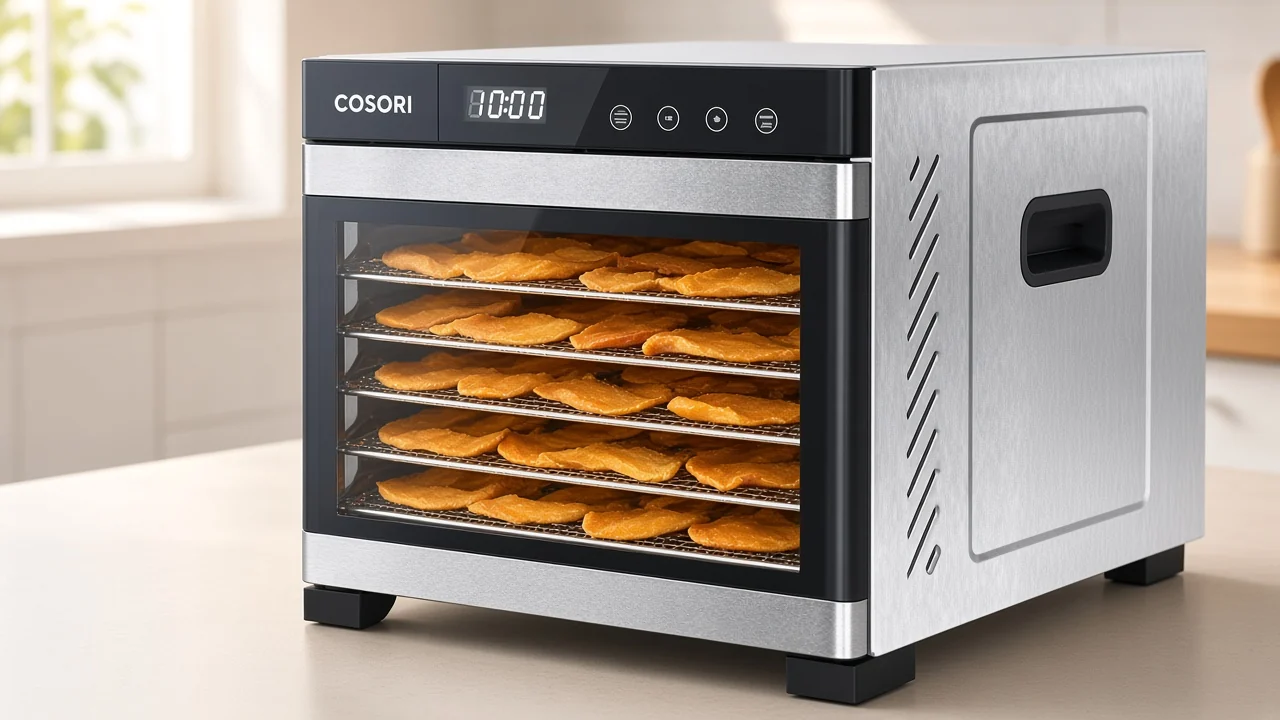
A dehydrator that can hold 95-115 °F. Documented examples include the COSORI CP267-FD (95-165 °F), COSORI P501 (95-176 °F), Excalibur Select 8-tray (85-165 °F), Excalibur Select 10-tray (85-165 °F) and the Nesco FD-79 (listed starting at 90 or 95 °F, depending on the field). The Hamilton Beach 32100A starts at 100 °F, a little above the NCHFP floor, which is usually still usable if you stay at the low end.
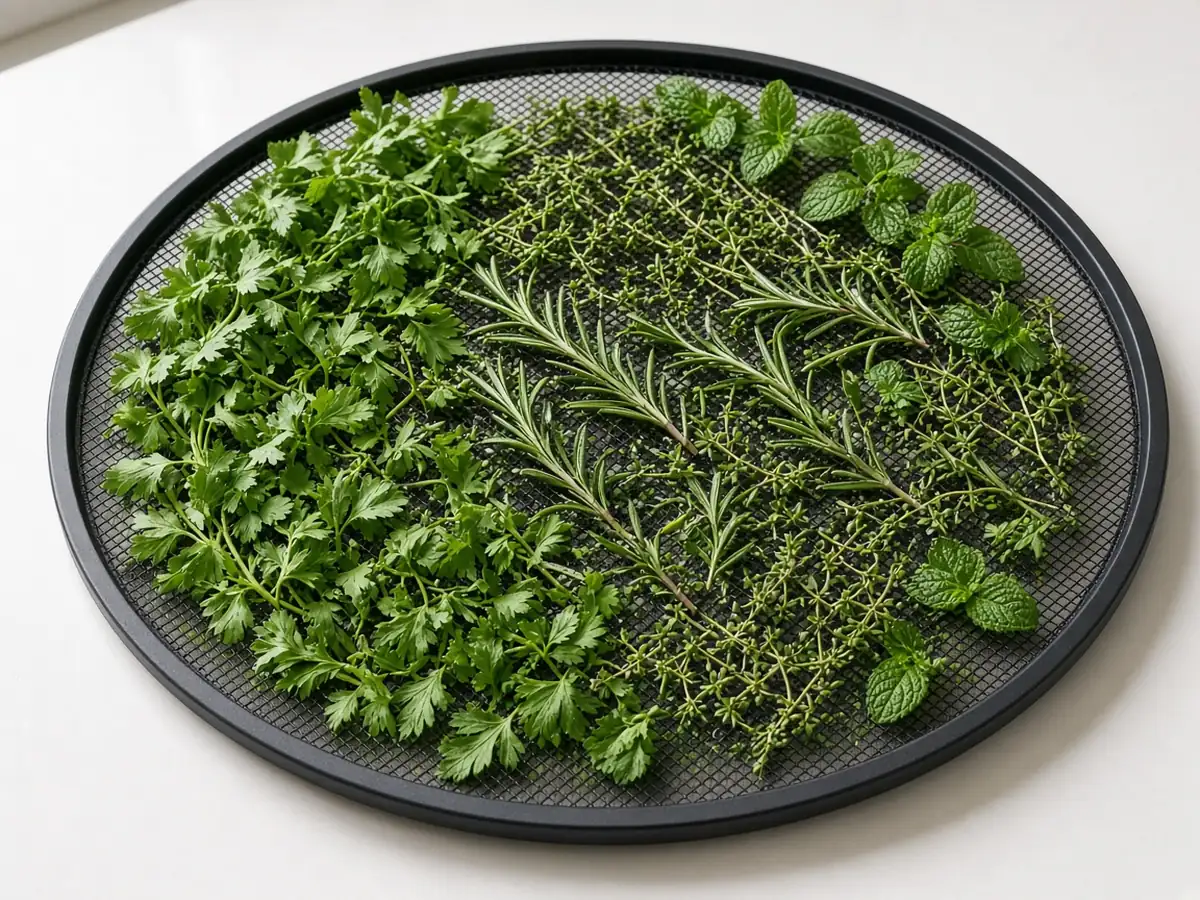
Fresh, clean herbs on the stem, or leaves stripped if the stems are woody.
Mesh or fine screens if you have small leaves that can fall through the trays.
Do not use the Presto 06300 for herbs. It is a fixed-heat unit listed at about 165 °F, with no thermostat, so it cannot hold the NCHFP range. See the Presto 06300 review. See the COSORI CP267-FD product page, or check the Amazon listing.
Step 1: Harvest and rinse
The NCHFP starts with clean, healthy herbs. Harvest in the morning after the dew has dried, if you can, and rinse to remove dust and insects. Shake or pat the stems dry so you are not loading dripping leaves. Discard wilted, damaged or insect-eaten parts.
Step 2: Load the trays loosely
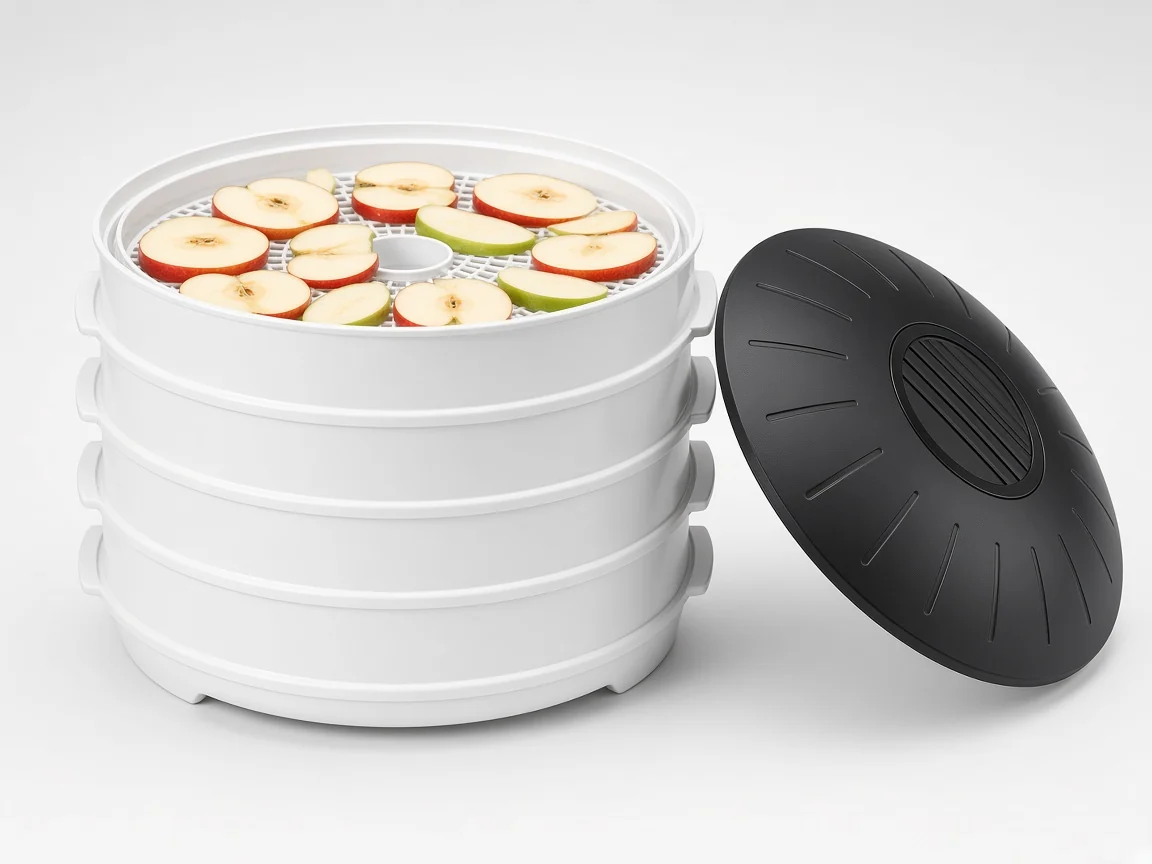
Spread stems or leaves in a single layer, loosely enough for air to move. Do not pile them. Small leaves may need a mesh sheet so they do not fall through. Horizontal rear-fan boxes such as the COSORI CP267-FD or an Excalibur Select keep air moving across each shelf. Stackable trays can work if you check them mid-cycle. See vertical vs horizontal dehydrators.
Step 3: Dry at 95-115 °F
Set the dehydrator to 95-115 °F. In humid areas, the NCHFP allows up to 125 °F. Do not use the 140 °F fruit setting, and do not use a fixed 165 °F machine. Herbs lose aroma when they are overheated, which is why this is the one everyday food that sits well below the rest of the dehydrator temperature chart.
The NCHFP gives 1 to 4 hours as a typical window. Begin checking at the short end, especially for thin leafy herbs such as parsley or mint. Woody herbs such as rosemary or thyme may sit toward the longer end of that range. Humidity, load and the machine all change the clock, so use the doneness test rather than a timer alone.
Step 4: Test a cooled stem
The NCHFP doneness test is that the leaves crumble and the stems break when bent. Always cool a test piece first. Warm herbs can feel softer than they are. If the stems still bend, keep drying and check again.
Step 5: Cool, then pack
Let the herbs cool completely. The NCHFP stores them in airtight containers, away from light and heat, once they are fully dry. Crush or strip the leaves just before you use them, rather than pulverizing everything at packing time, if you want to keep more aroma. If condensation appears in the jar, the herbs were not dry enough; return them to the dehydrator and pack again. For general storage times and spoilage signs, see how to store dehydrated food.
Which dehydrators actually go low enough
Look at the published floor, not just the ceiling. The COSORI CP267-FD and P501 start at 95 °F. Excalibur Selects start at 85 °F, so they have extra room at the bottom. The Nesco FD-79 lists 90-160 °F in the bullets and 95-160 °F in the table. The Hamilton Beach 32100A starts at 100 °F. The Magic Mill MFD-5000 lists a 95 °F floor, which is in band, though its ceiling conflicts (167 vs 158 °F) and that conflict matters more for jerky than for herbs.
See the Excalibur Select 8-tray product page, or check the Amazon listing.
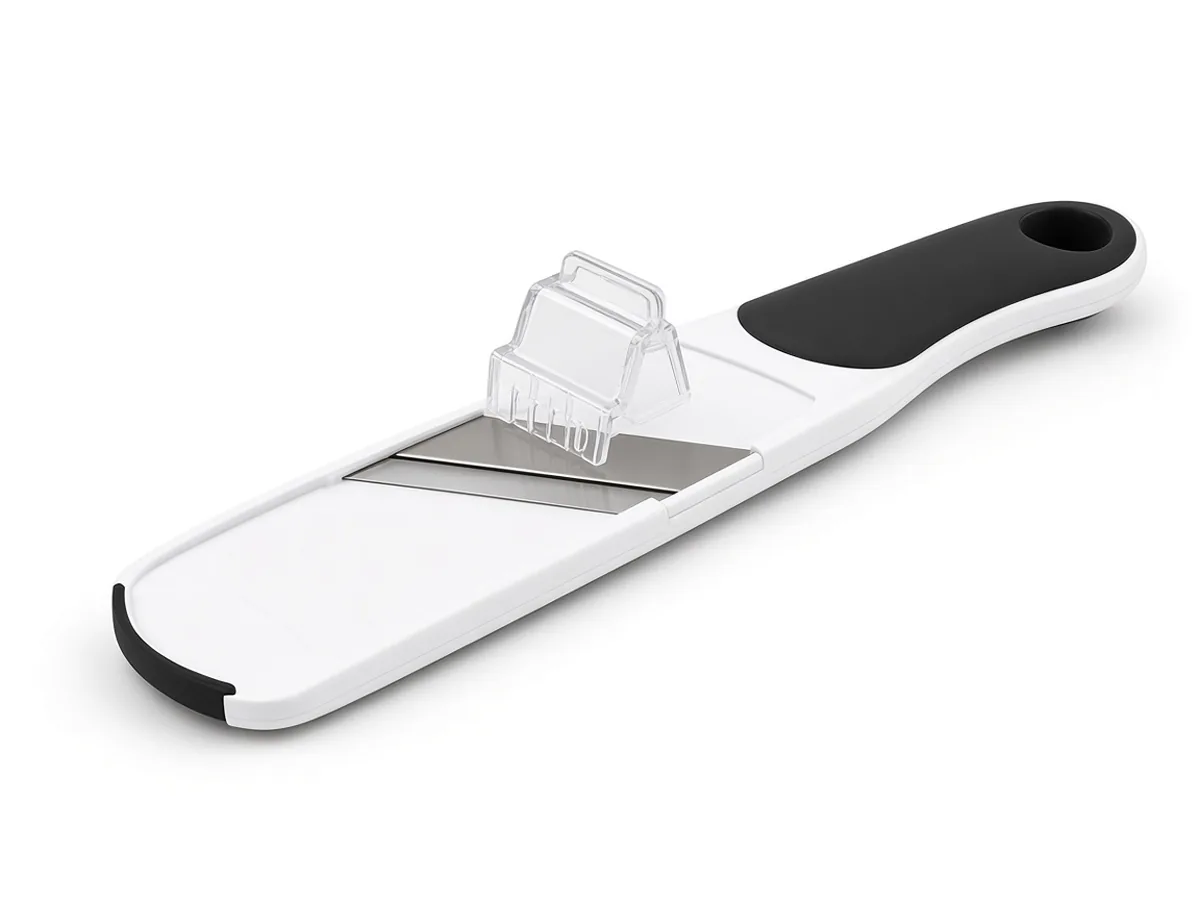
Related on Amazon: OXO Good Grips Handheld Mandoline Slicer.
Amazon listings for the products in this guide
Direct links to the Amazon listings for the products named or shown in this guide:
- Presto 06300 Dehydro Electric Food Dehydrator – View on Amazon
- COSORI CP267-FD Food Dehydrator, 6 Stainless Trays – See the Amazon listing
- COSORI P501 Food Dehydrator, 5 Stainless Trays – Check availability on Amazon
- Excalibur Select DH08SCSS13 Food Dehydrator, 8 Trays – View on Amazon
- Excalibur Select Series 10-Tray Digital Dehydrator (DH10SCSS13) – See the Amazon listing
- Nesco FD-79 Snackmaster Pro Digital Food Dehydrator, 4 Trays – Check availability on Amazon
Frequently asked questions
What temperature should I dehydrate herbs at?
95-115 °F, or up to 125 °F in humid areas, according to the NCHFP. That is well below the 140 °F fruit and vegetable setting.
How long does it take to dehydrate herbs?
The NCHFP gives 1 to 4 hours. Thin leafy herbs can finish toward the short end; woody stems take longer. Cool a piece and test for a crumble and a stem that breaks when bent.
Can I dry herbs in a Presto 06300 or another fixed-heat dehydrator?
Not well. The Presto 06300 is listed at about 165 °F with no thermostat, so it cannot hold 95-115 °F. Use an adjustable machine instead. That limitation is also covered in the Presto 06300 review.
Can I dry herbs in the oven?
A dehydrator is the better tool because it can hold a low, steady setting. If you use an oven, you still need a way to keep the temperature in the NCHFP range, which most ovens cannot do reliably. See dehydrator vs oven vs air fryer.
Sources
National Center for Home Food Preservation, "Drying Herbs"
National Center for Home Food Preservation, food dehydrators