
How to Freeze Dry Fruit at Home
Published 11/14/2026 · Updated 11/24/2026
Quick answer
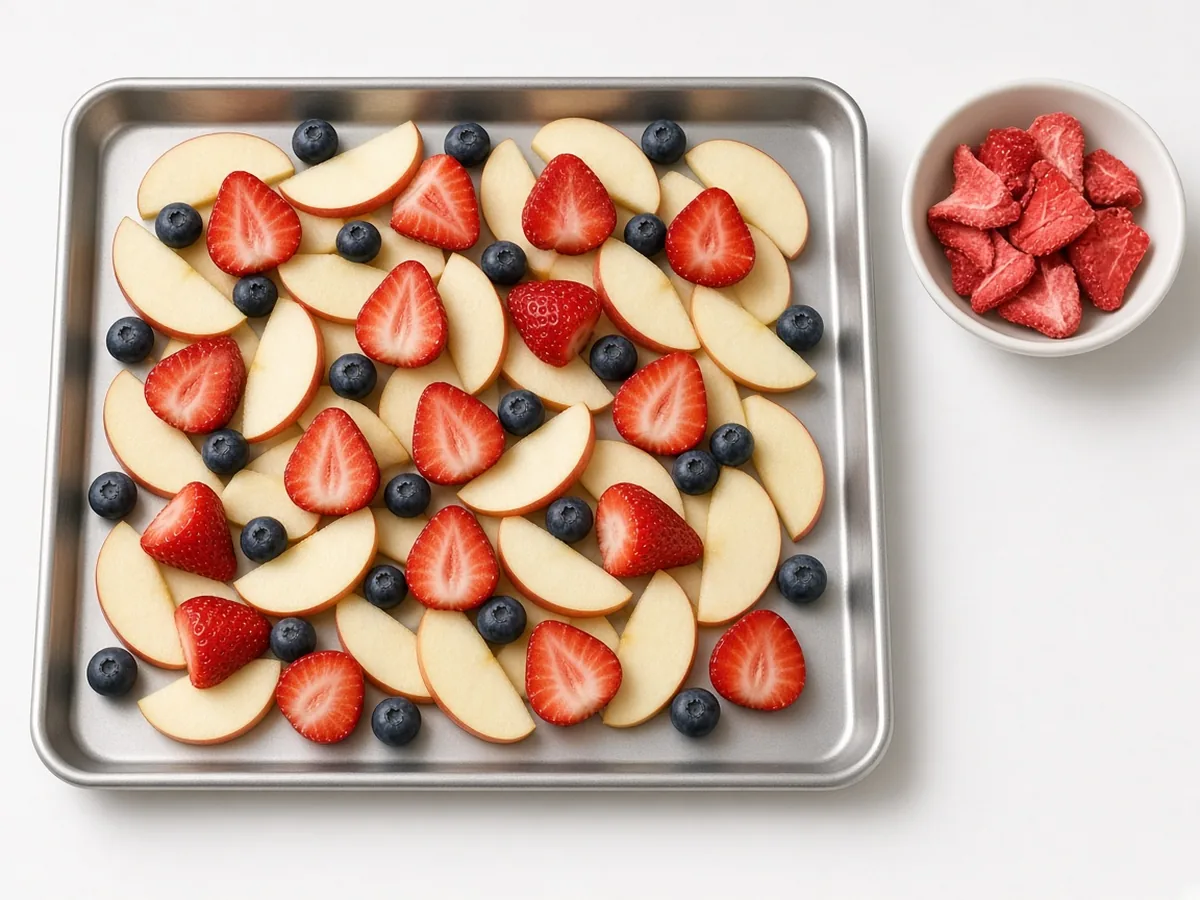
To freeze dry fruit at home, you need a vacuum freeze dryer, not a pantry dehydrator. Utah State University Extension's 2026 fact sheet, "Can I Freeze-Dry That?", lists fruits as a yes, with a wash and peel, and an ascorbic-acid or lemon pretreatment for fruit that browns. Cut pieces about 1/4 to 1/2 inch, pre-freeze the trays, and run a full freeze, vacuum and dry cycle.
Products mentioned in this guide
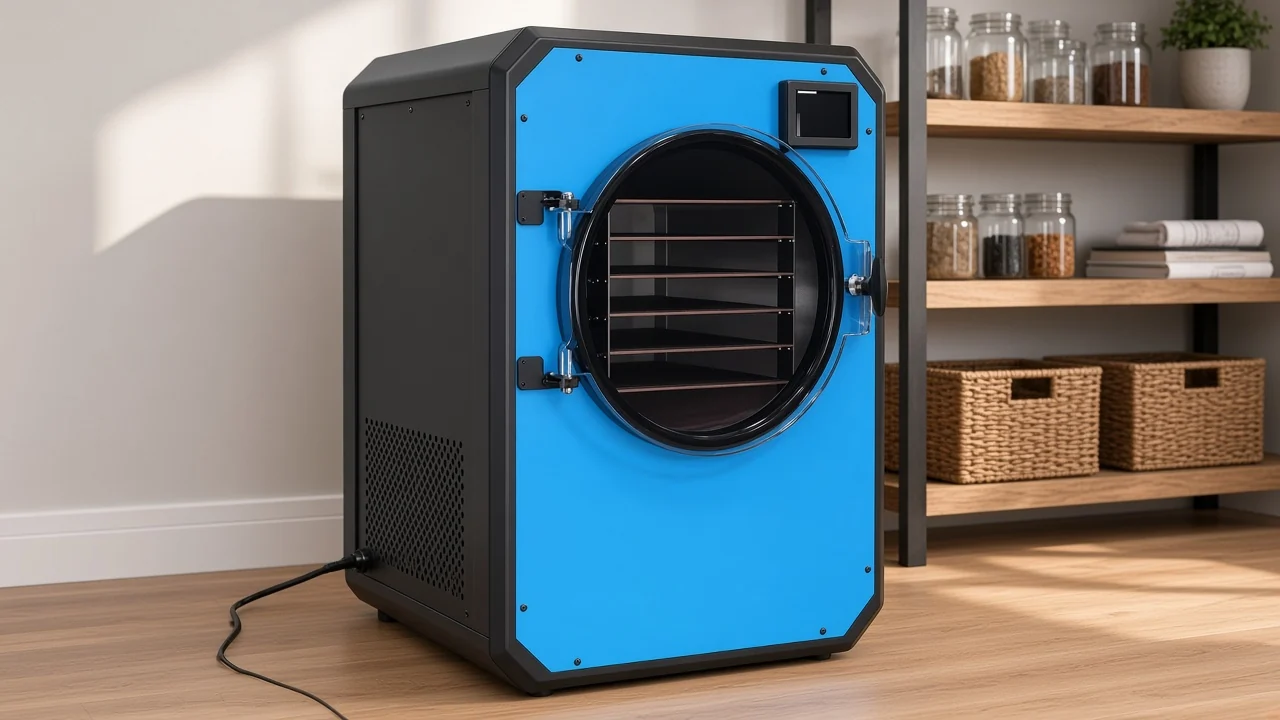
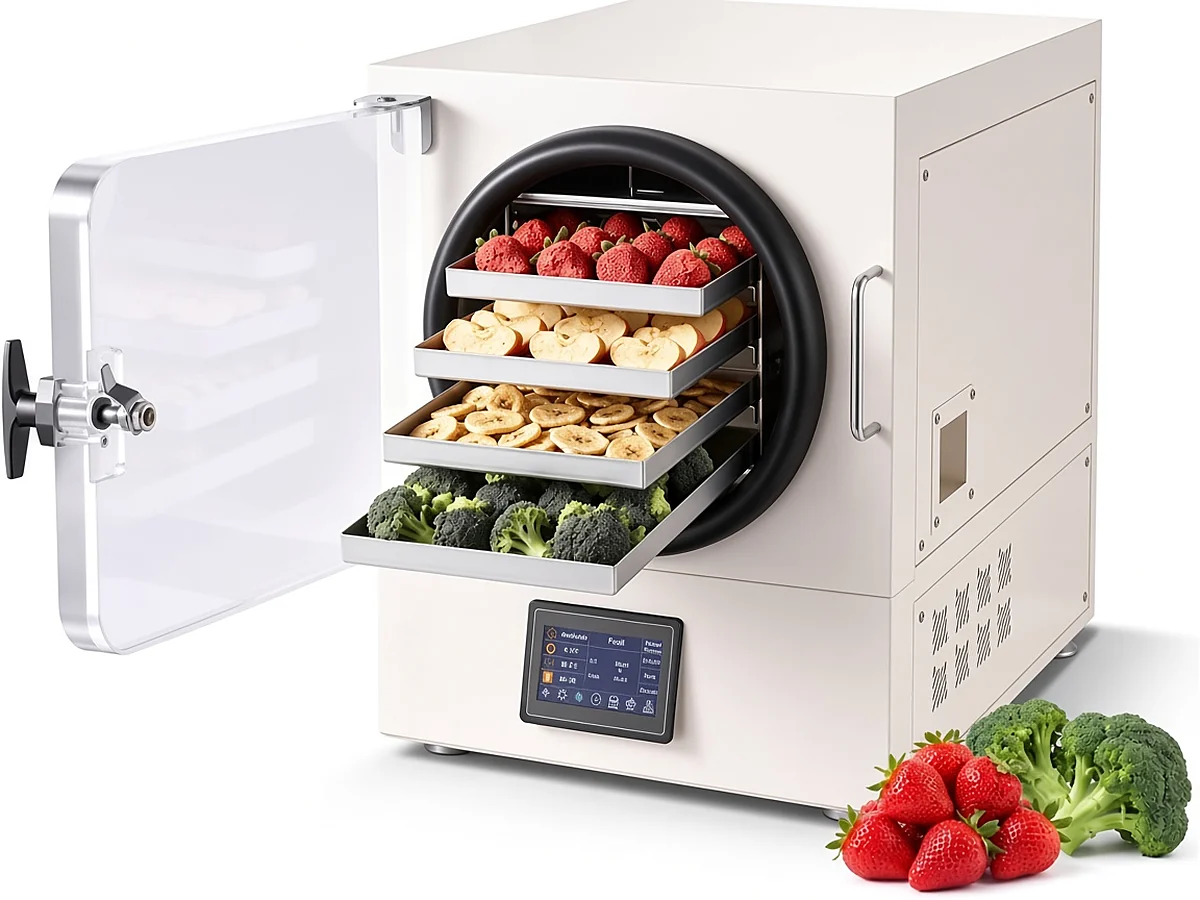
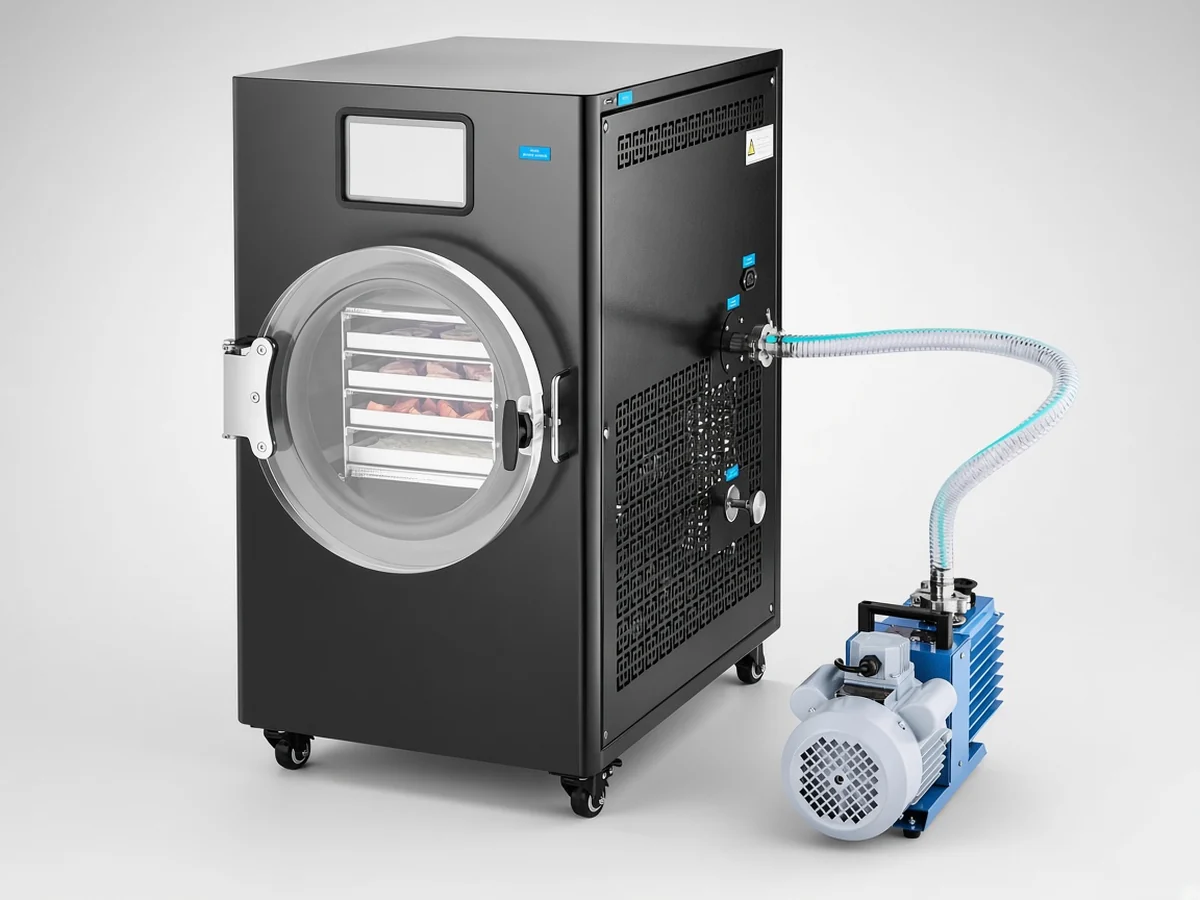
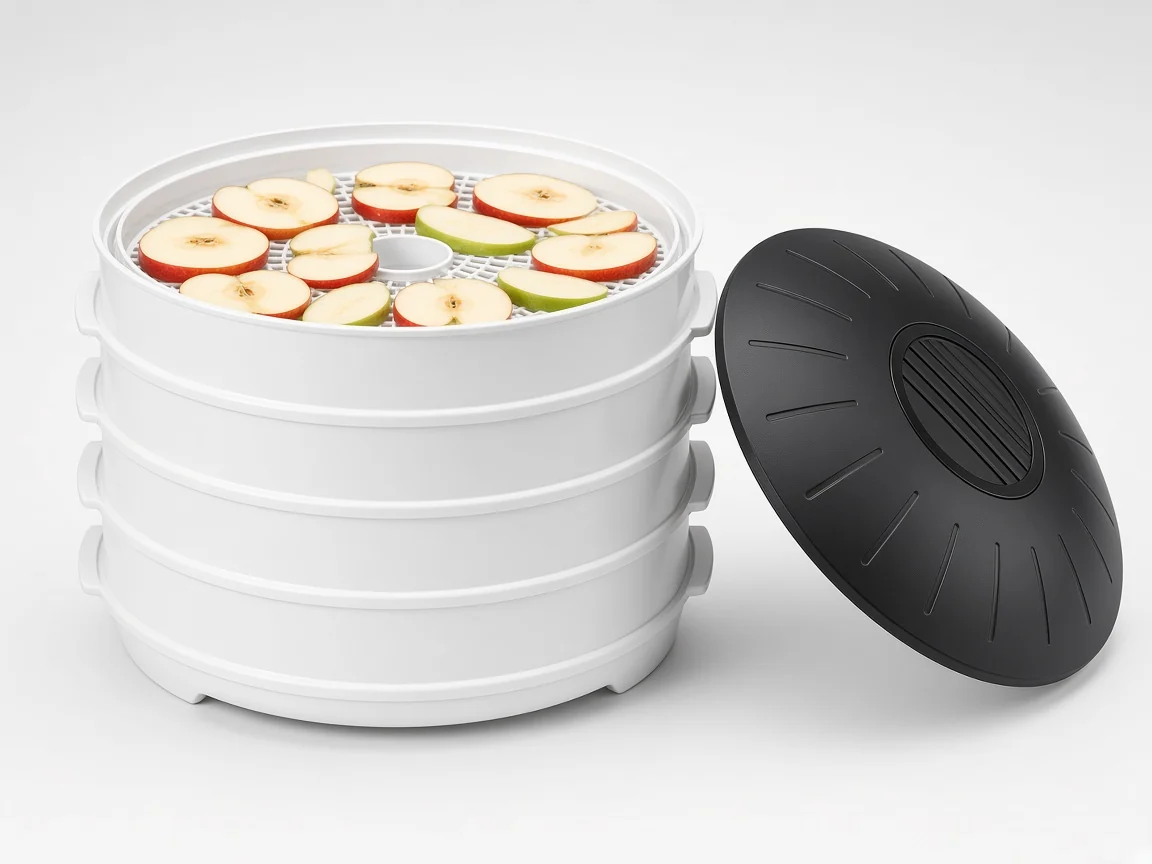
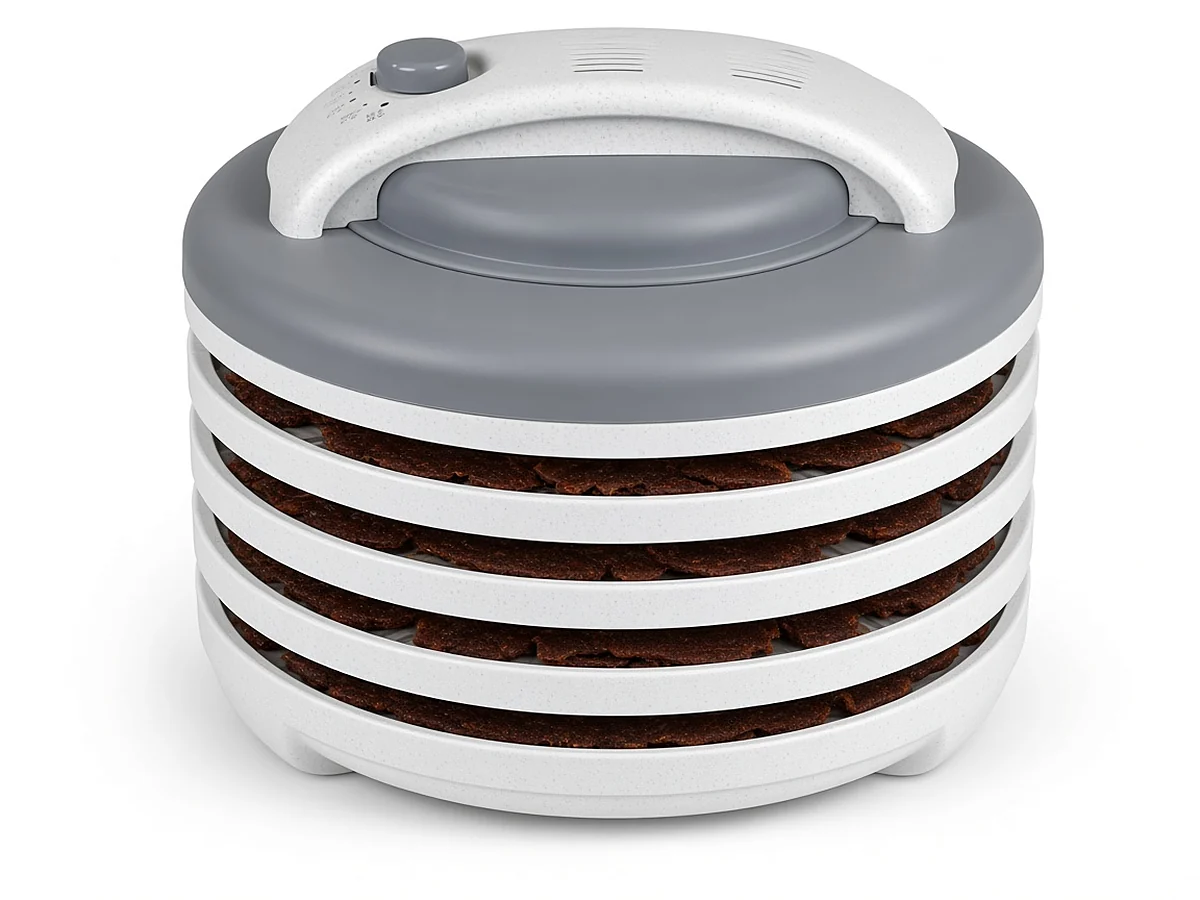
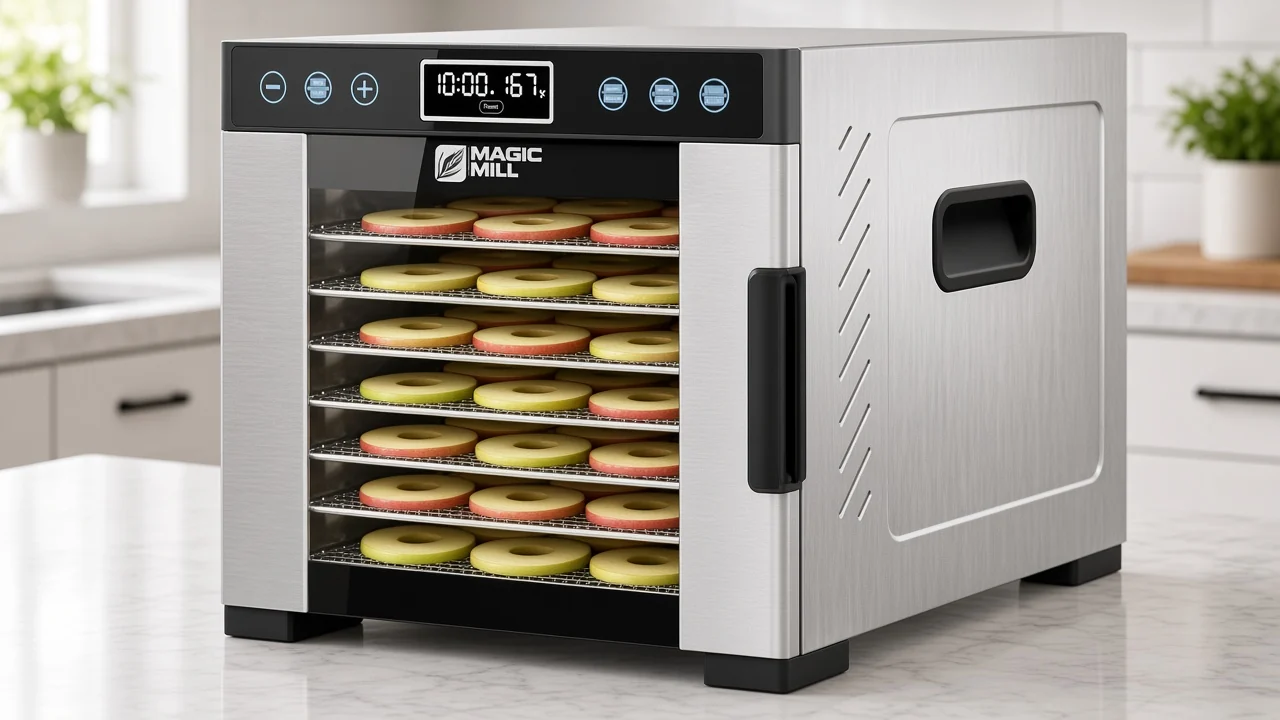 Magic Mill Pro MFD-7700 Food Dehydrator, 7 Stainless TraysMagic Mill · Dehydrator
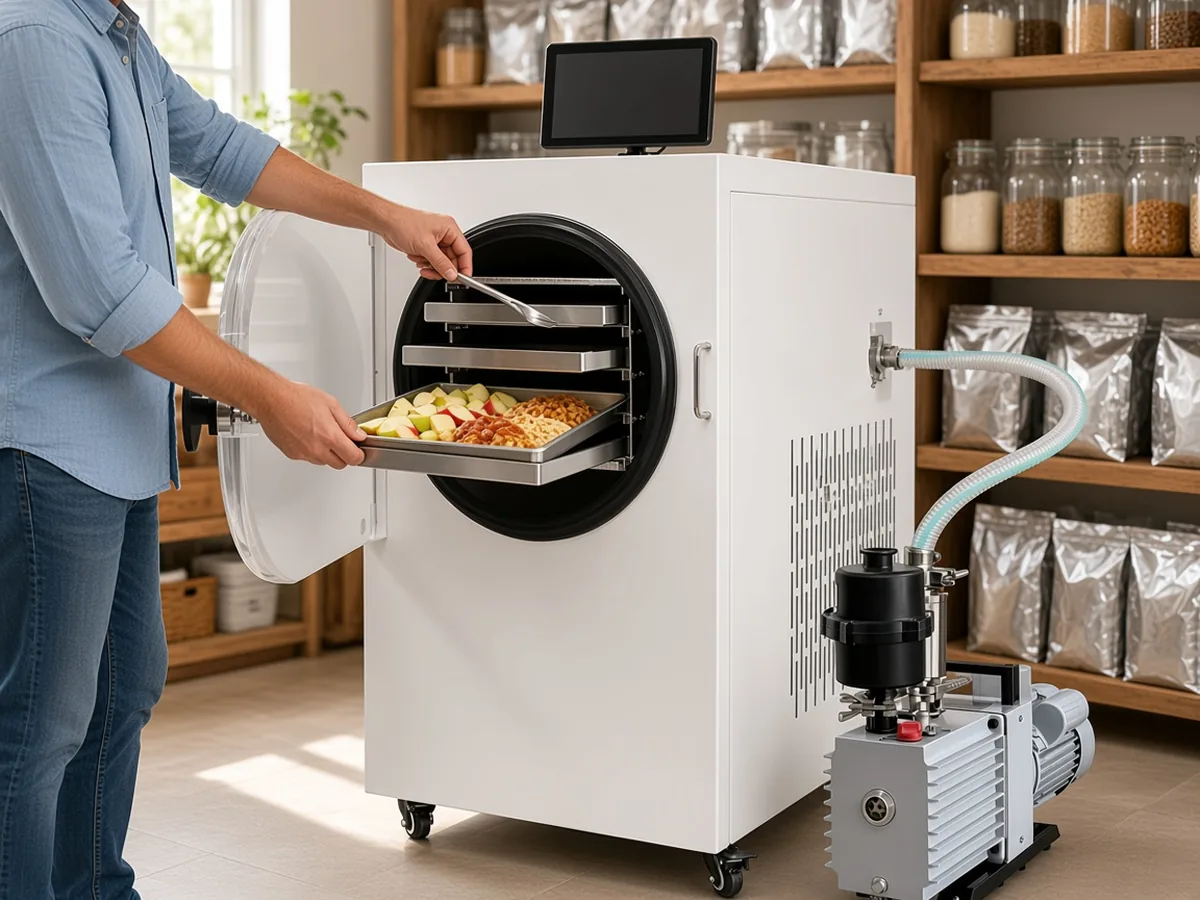
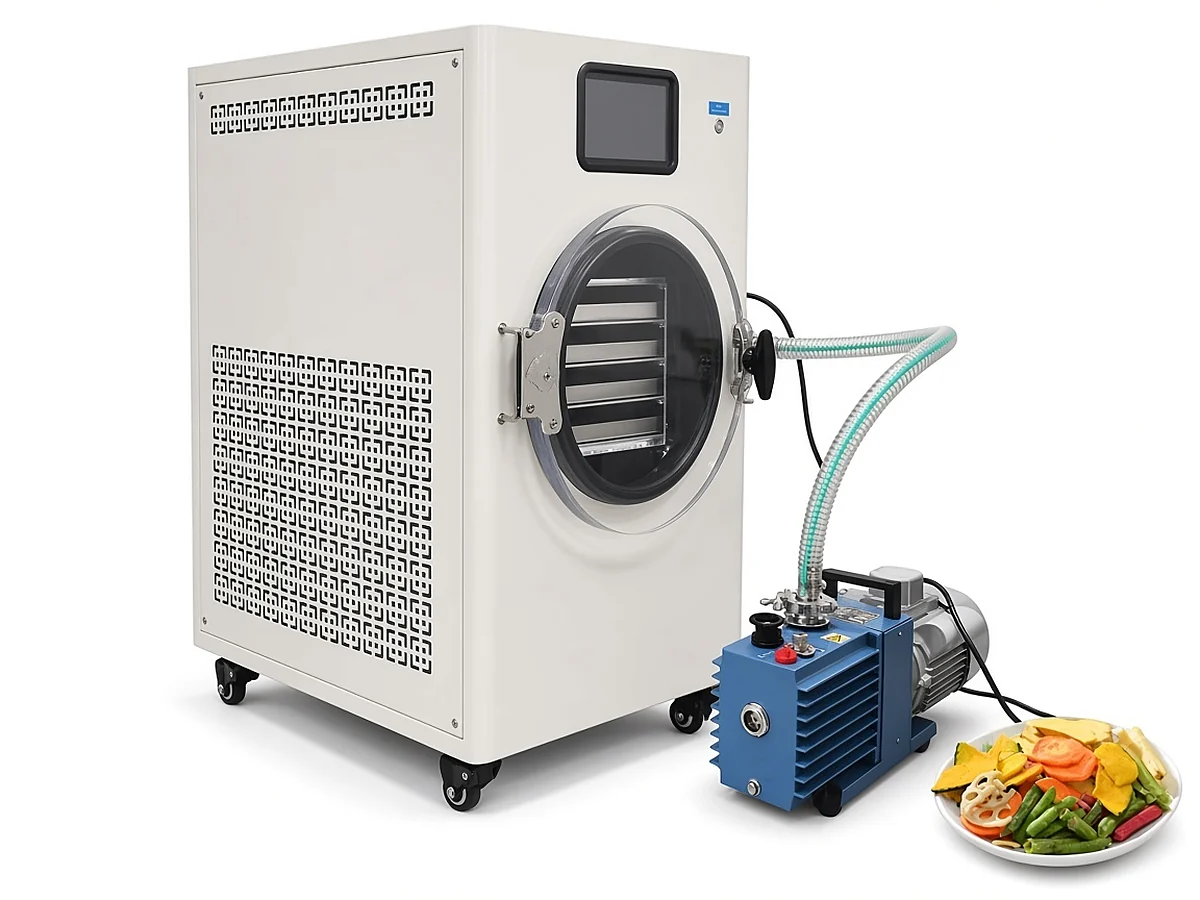
How-To · Freeze Dryers, Fruit
Last updated: November 2026
Quick verdict: To freeze dry fruit at home, you need a vacuum freeze dryer, not a pantry dehydrator. Utah State University Extension's 2026 fact sheet, "Can I Freeze-Dry That?", lists fruits as a yes, with a wash and peel, and an ascorbic-acid or lemon pretreatment for fruit that browns. Cut pieces about 1/4 to 1/2 inch, pre-freeze the trays, and run a full freeze, vacuum and dry cycle. Start with a forgiving first batch such as sliced strawberries. A starter machine such as the Blue Alpine Medium Select, or the lowest-priced live VEVOR we list, the HFD-2, is enough for fruit if you keep the trays lightly loaded.
This is the general fruit method. A strawberry-specific walkthrough is already live in how to freeze dry strawberries. The first-run checklist is in how to use a home freeze dryer. For what else belongs in a freeze dryer, see what can you freeze dry.
What you need to freeze dry fruit
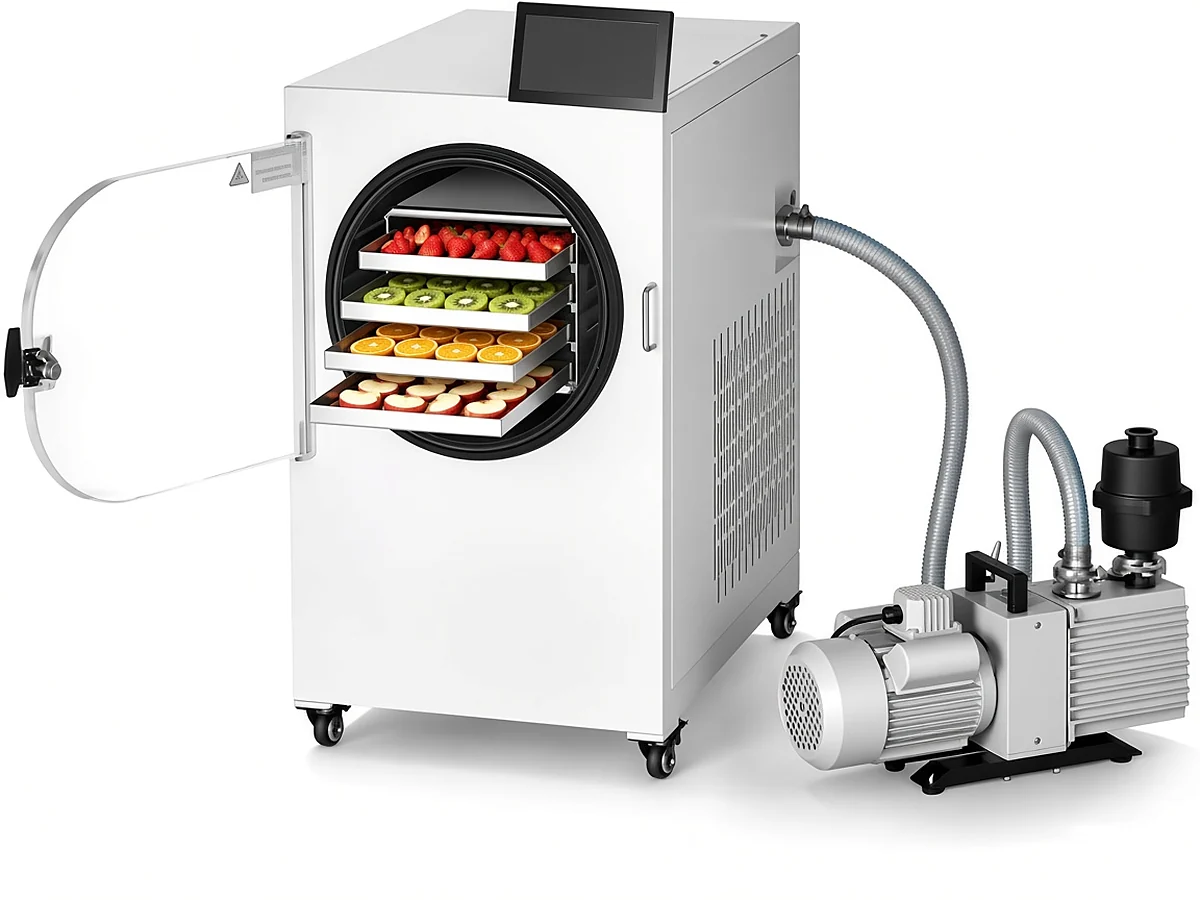
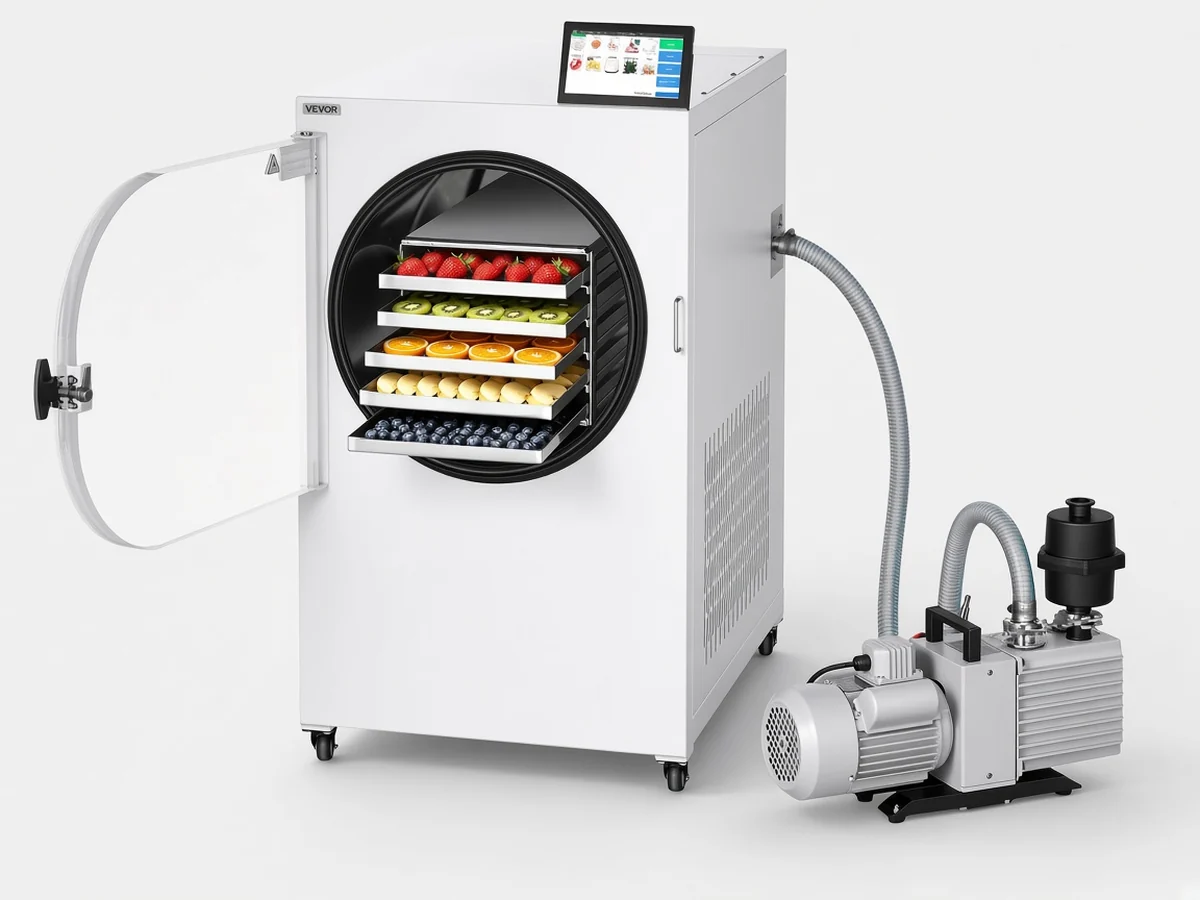
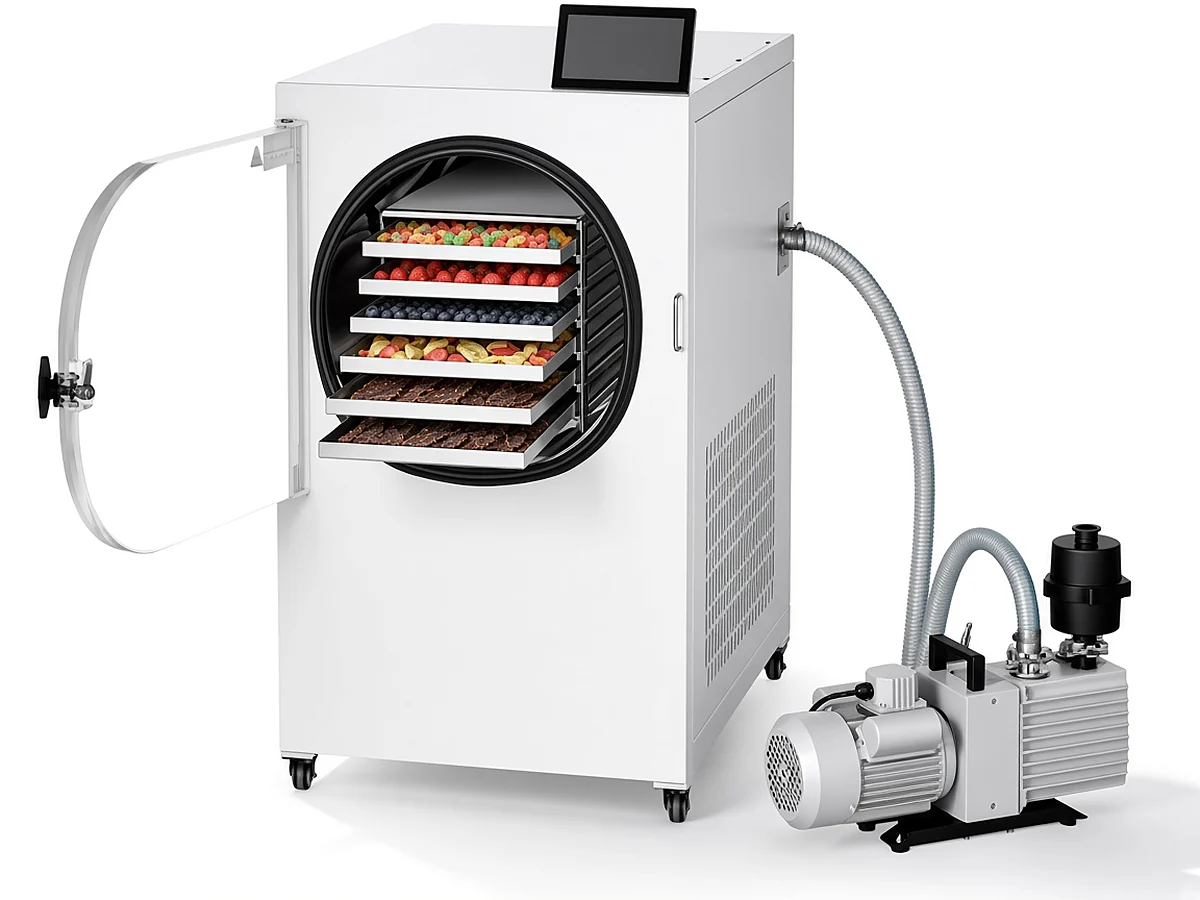
A vacuum freeze dryer. A food dehydrator removes moisture with warm air; it does not freeze-dry. Live Amazon US examples on DryFreezeWise include the Blue Alpine Medium Select, the VEVOR HFD-2, the VEVOR HFD-4, and the SJ series (SJ-05H, SJ-08H, SJ-10H). Compare sizes in best home freeze dryers.
Ripe, sound fruit, washed, with bruised parts cut away.
An ascorbic-acid or lemon dip for light-colored fruit, as Utah State recommends.
Tray space to pre-freeze the load, and packaging for the finished fruit. Our how to use a home freeze dryer guide walks through the first-run steps, including oil in the pump where the manual requires it.
See the Blue Alpine Medium Select product page, or check the Amazon listing.
Step 1: Wash, peel if needed, and cut 1/4 to 1/2 inch
Utah State lists fruits as suitable for freeze-drying after a wash and peel. Cut pieces about 1/4 to 1/2 inch so they dry evenly. That is the general cut size in the 2026 fact sheet. Strawberries can be halved or sliced; apple slices and banana coins should be even. Discard spoiled or moldy fruit. Work promptly so cut surfaces do not sit out.
Step 2: Pretreat fruit that browns
Utah State recommends an ascorbic-acid or lemon pretreatment for fruit that browns. Apples, bananas, pears and peaches are the usual candidates. Drain well before you load the trays. Berries and already-dark fruit are often loaded without that dip.
Step 3: Load the trays and pre-freeze
Spread the fruit in a single layer, with a little space between pieces. Do not pile the trays. Utah State advises pre-freezing the load. Our first-run guide says the same: go light on a first batch of a forgiving food such as sliced fruit, and pre-freeze rather than asking the machine to freeze a warm, crowded tray. If you are new to the machine, start with strawberries; the dedicated strawberry guide shows that workflow.
Step 4: Run a full freeze, vacuum and dry cycle
A home freeze dryer takes the load through freeze, vacuum and dry stages. Our explainer of how freeze drying works covers those stages, and freeze-drying batch times explains what changes the clock. We do not invent a cycle time for apples or bananas; fruit with more sugar or thicker pieces can run longer, and the machine's dryness test, not the clock, is the stop rule. Keep the pump oil where the manual requires it, and do not open the chamber mid-cycle.
Step 5: Check dryness, then pack
Finished freeze-dried fruit should be dry all the way through, with no cold or flexible spots in the center. If a piece still feels dense or chilly, it is not done. Pack only fully dry fruit. Utah State notes that shelf-life claims for freeze-dried food in Mylar with oxygen absorbers can run 10-15 years, and sometimes 25, but it advises not eating home freeze-dried food beyond 5-10 years for quality. Packaging, storage and safety caveats are in freeze-drying food safety.
For a compact first machine, the VEVOR HFD-2 is the lowest-priced live four-tray unit we list. See the VEVOR HFD-2 product page, or check the Amazon listing.
Fruit vs a dehydrator
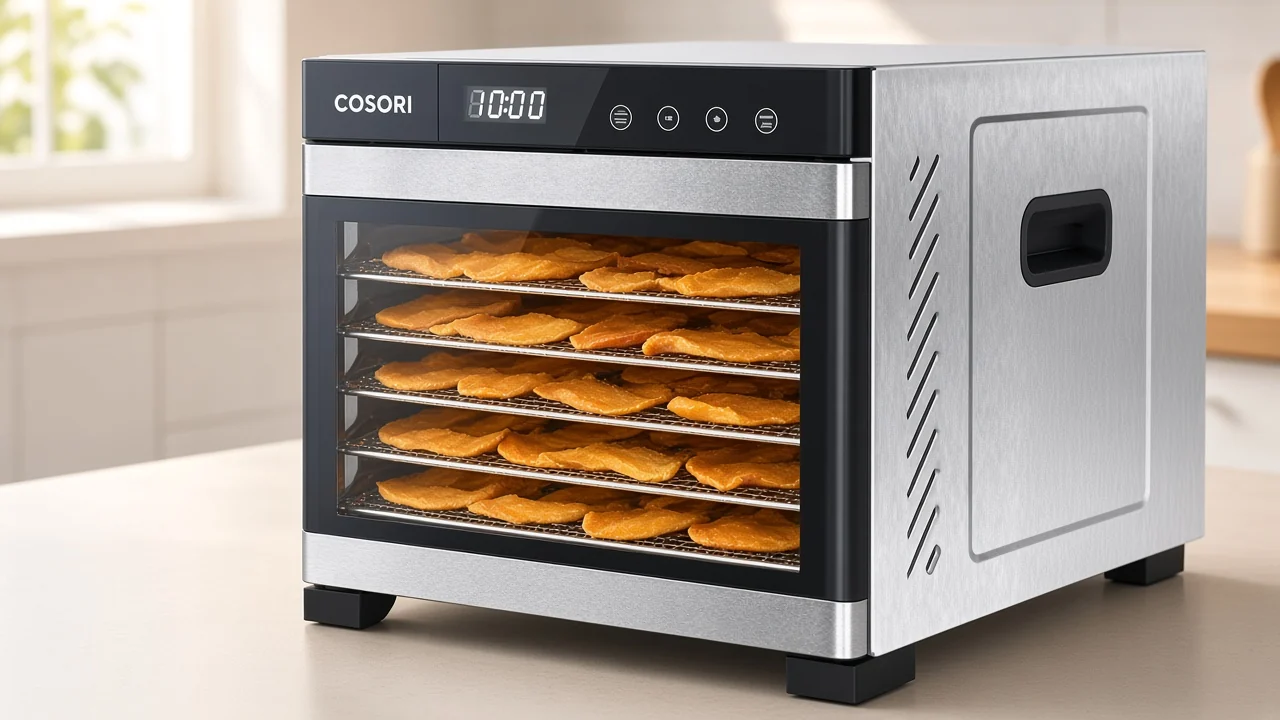
A dehydrator dries fruit at 140 °F until it is leathery, with about 20 percent moisture left, according to the NCHFP. A freeze dryer removes nearly all of the water as ice, which is why freeze-dried fruit is crisp and rehydrates faster. If you want the dehydrator method, use how to dehydrate fruit. If you are deciding which machine to buy, start with best home freeze dryers.
Related on Amazon: VEVOR SJ-08H Vacuum Freeze Dryer.
Related on Amazon: VEVOR HFD-4 Vacuum Freeze Dryer.
Amazon listings for the products in this guide
Direct links to the Amazon listings for the products named or shown in this guide:
- Blue Alpine Medium Select Freeze Dryer – View on Amazon
- VEVOR HFD-2 Vacuum Freeze Dryer, 4 Trays, 5 Presets – See the Amazon listing
- VEVOR HFD-4 Vacuum Freeze Dryer (4 trays) – Check availability on Amazon
- VEVOR SJ-05H Vacuum Freeze Dryer, 4 Trays, 10 Presets – View on Amazon
- VEVOR Vacuum Freeze Dryer, 5 Trays, 10 Presets – See the Amazon listing
- VEVOR SJ-10H Vacuum Freeze Dryer, 6 Trays, 10 Presets – Check availability on Amazon
Frequently asked questions
Can you freeze dry fruit at home?
Yes. Utah State University Extension lists fruits as suitable, with a wash, peel and, for fruit that browns, an ascorbic-acid or lemon pretreatment. You need a vacuum freeze dryer, not a dehydrator.
Do I need to pre-freeze the fruit?
Utah State advises pre-freezing, and our first-run guide agrees. A light, pre-frozen tray of sliced fruit is the safest first batch.
How long does it take to freeze dry fruit?
It depends on the fruit, the slice, how full the trays are, and the machine. We do not invent a number of hours for a given fruit. Use the machine's dryness test, and see freeze-drying batch times for what changes the clock.
Which freeze dryer is best for fruit?
Any of the live home units we list will freeze dry fruit if you load it lightly. A first machine such as the Blue Alpine Medium Select or the VEVOR HFD-2 is enough to learn on. Step up in tray count only if you already know you need the capacity. See best home freeze dryers.
Sources
Utah State University Extension, "Can I Freeze-Dry That? A Practical Guide to Safe and Effective Freeze-Drying" (January 2026), Carlile, Wayment and Brandao
National Center for Home Food Preservation, fruit drying contrast (dehydrator method)