
Freeze Dryers
Published guides with this tag.
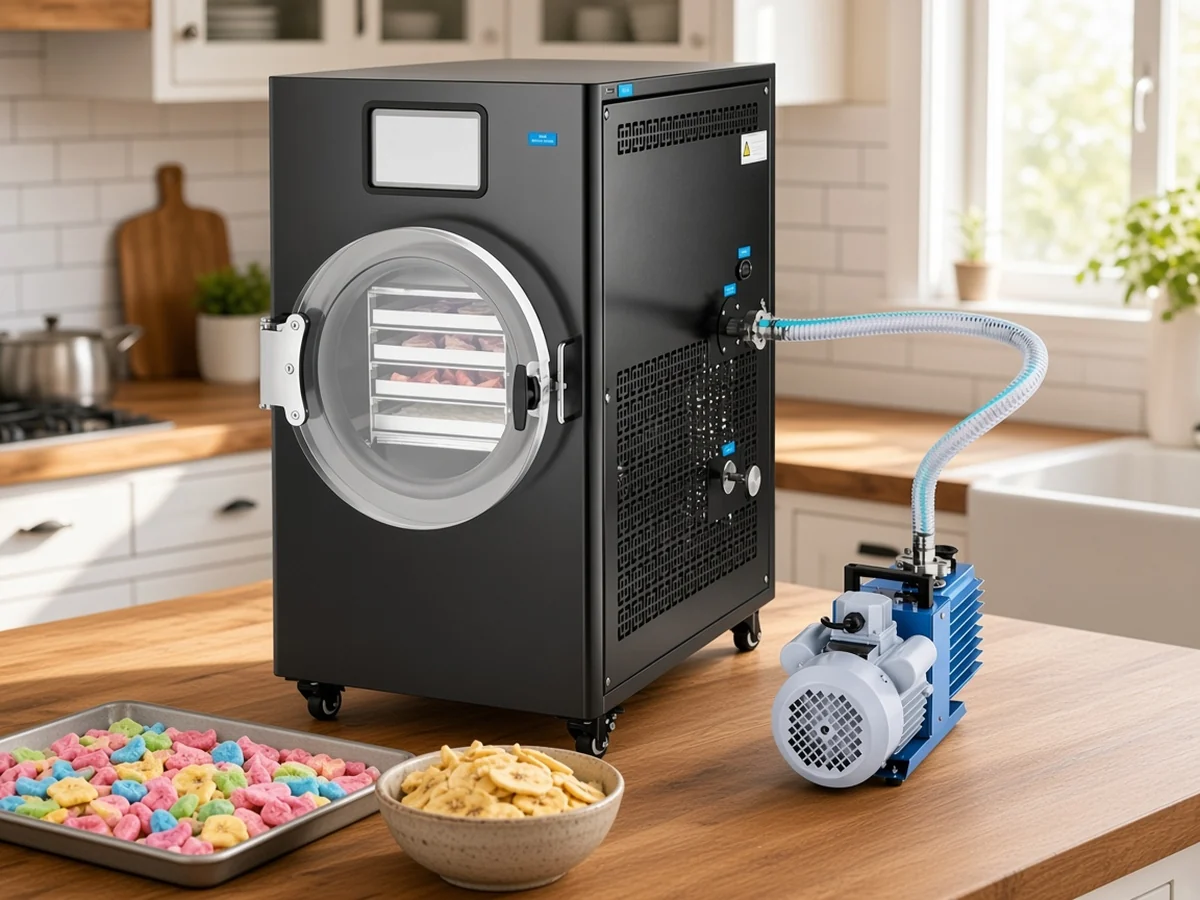
VEVOR HFD-4 Freeze Dryer Review: Who It Suits and Who Should Skip It
A real four-tray vacuum freeze dryer that expects you to write your own drying program. Here is who that suits, what the manual and owners say, and when the Blue Alpine is the better buy.
Read guide →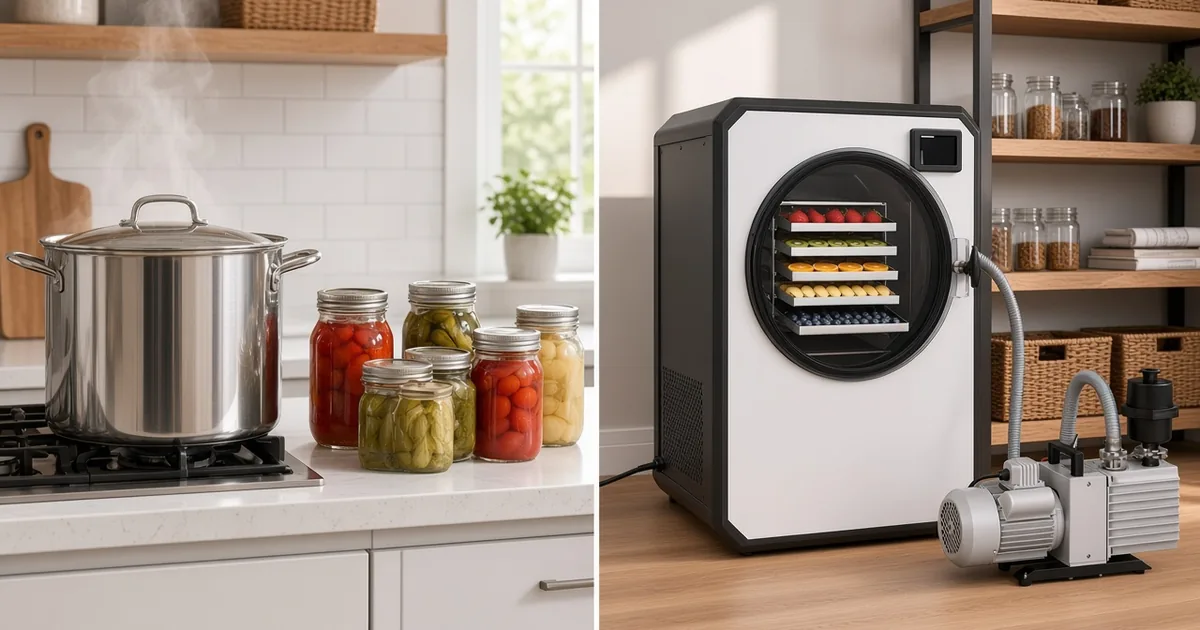
Freeze Drying vs Canning: Which Is Better for Long-Term Food Storage?
Canning kills microbes with heat; freeze drying removes water and kills nothing. Here is how that changes safety, shelf life, texture, cost and which foods suit each.
Read guide →
Freeze-Dried vs Dehydrated Food: Shelf Life, Nutrition and Texture
Freeze-dried food keeps far less moisture than dehydrated food, so it is lighter, crisper and usually stores longer in sealed packaging. Dehydrated fruit, vegetables and jerky are softer and chewier and are meant for months-scale storage, not the multi-year pantry role freeze-dried food can fill.
Read guide →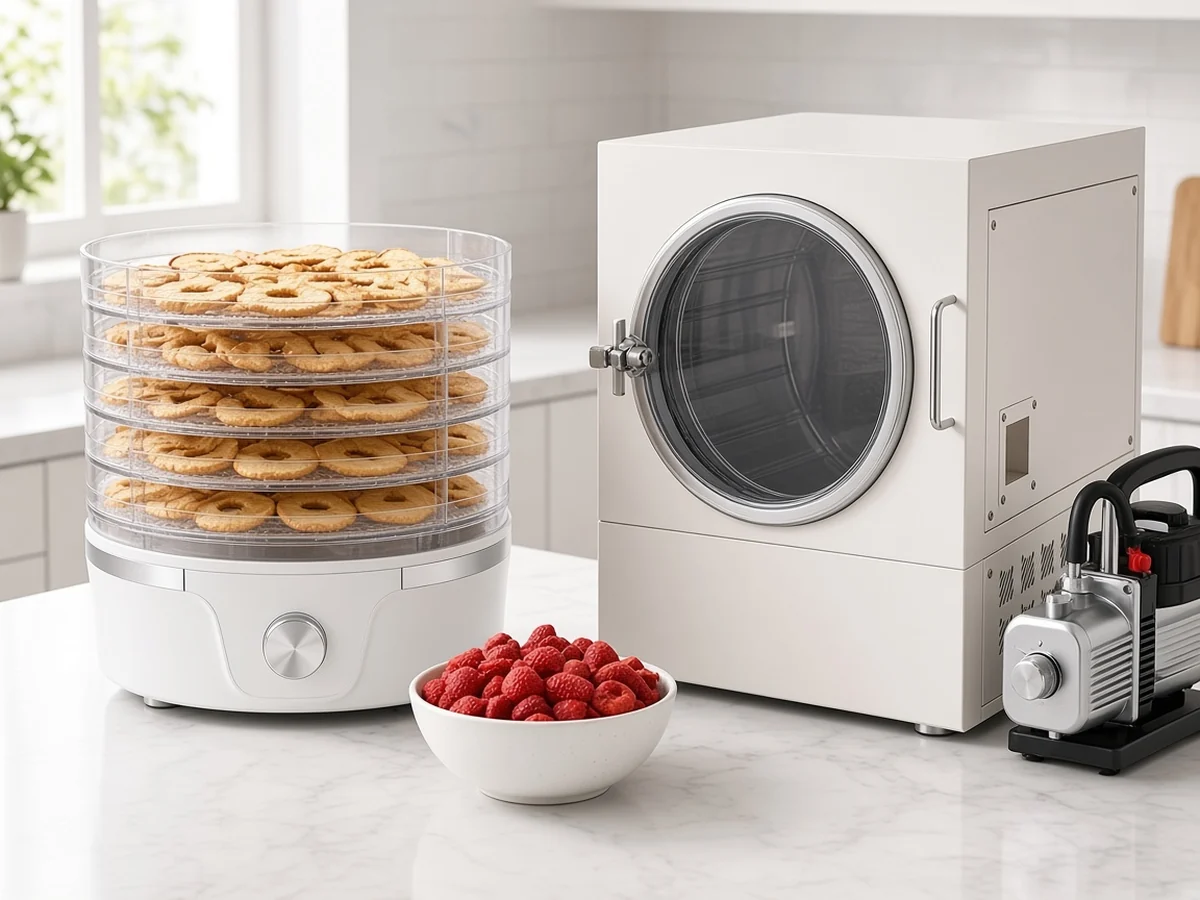
Is That Amazon "Freeze Dryer" Really a Dehydrator? How to Tell
A plain-English checklist for telling a genuine vacuum freeze dryer from a hot-air dehydrator listed under the same search, before you spend your money.
Read guide →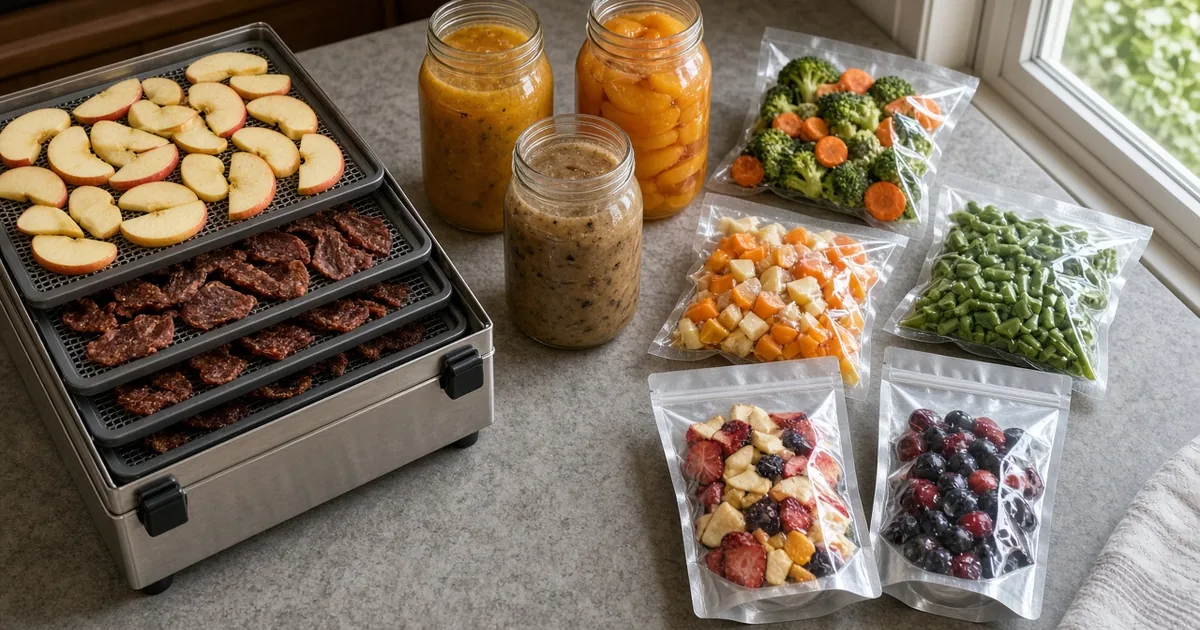
Freeze Dryer Alternatives: Cheaper Ways to Preserve Food Without One
A home freeze dryer is not the only way to preserve food: a dehydrator covers jerky and dried fruit at far lower cost, canning and freezing suit meals and produce you will eat within months, and buying freeze-dried food skips the machine entirely. A vacuum freeze dryer still wins when you want to dry your own food with the longest home shelf life and crunchiest texture.
Read guide →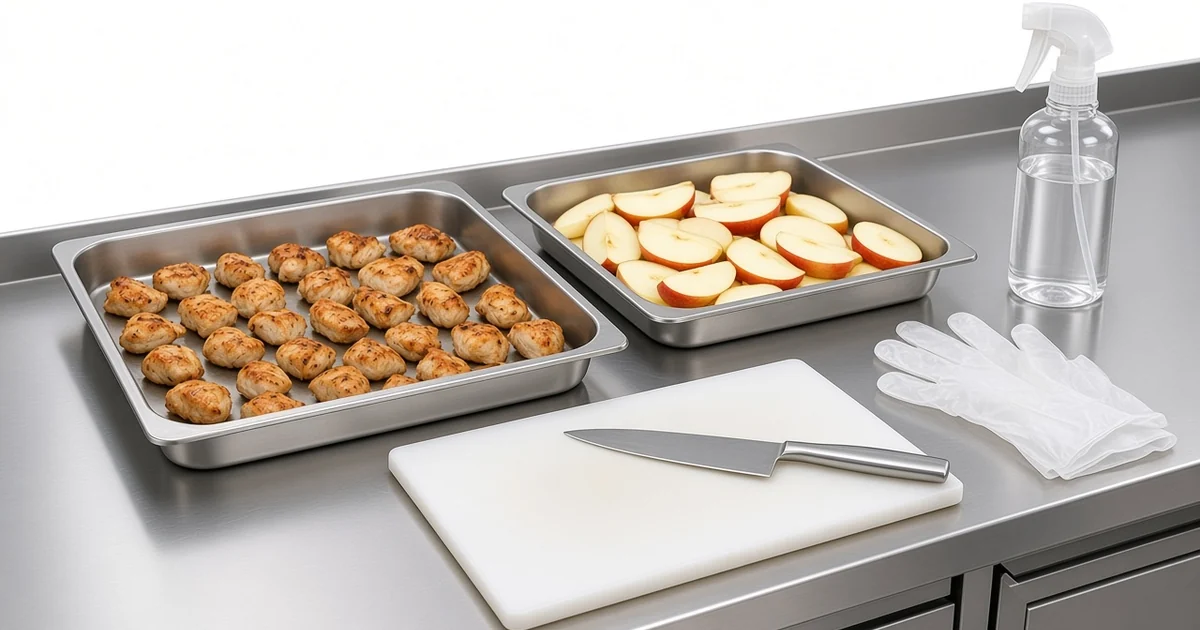
Does Freeze Drying Kill Bacteria? Home Freeze-Drying Food Safety
A freeze dryer does not make unsafe food safe—handle, dry, package, and cook following tested food-safety guidance. Keep raw and ready-to-eat foods separate, dry until crisp/dry throughout, and store sealed with oxygen absorbers where the method calls for it.
Read guide →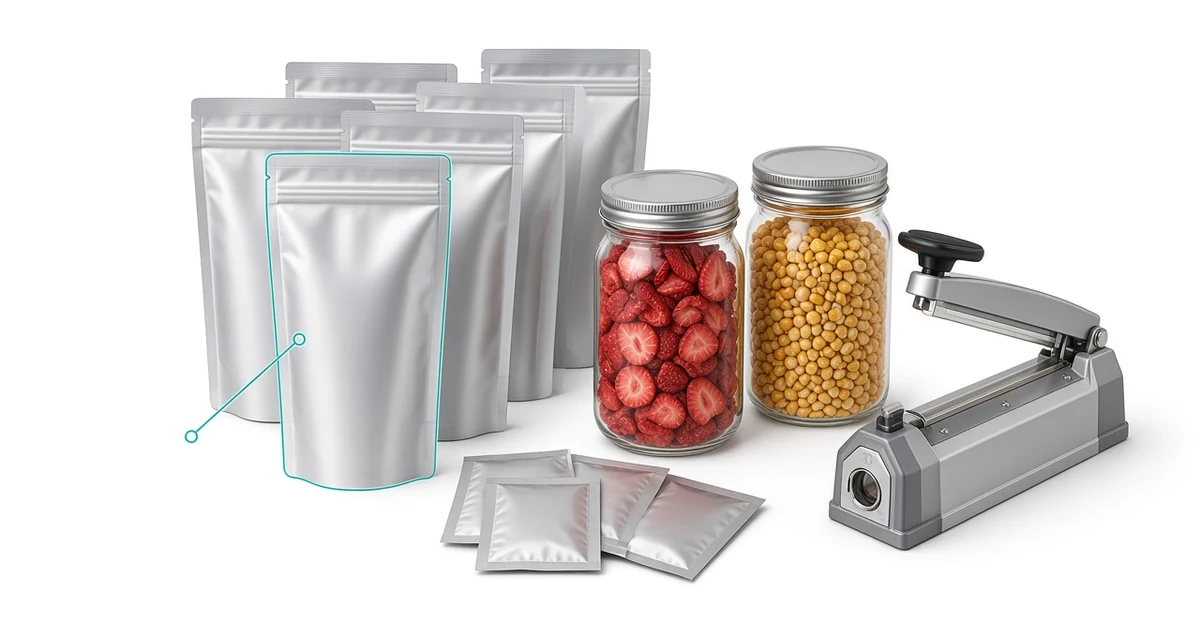
How to Store Freeze-Dried Food: Containers, Oxygen Absorbers and Shelf Life
Pack freeze-dried food only after a dryness check on the thickest piece, then seal it immediately in Mylar with the correct-size oxygen absorber. Exposure to room air softens texture within minutes, so have bags, absorbers and a heat sealer ready before you open the chamber.
Read guide →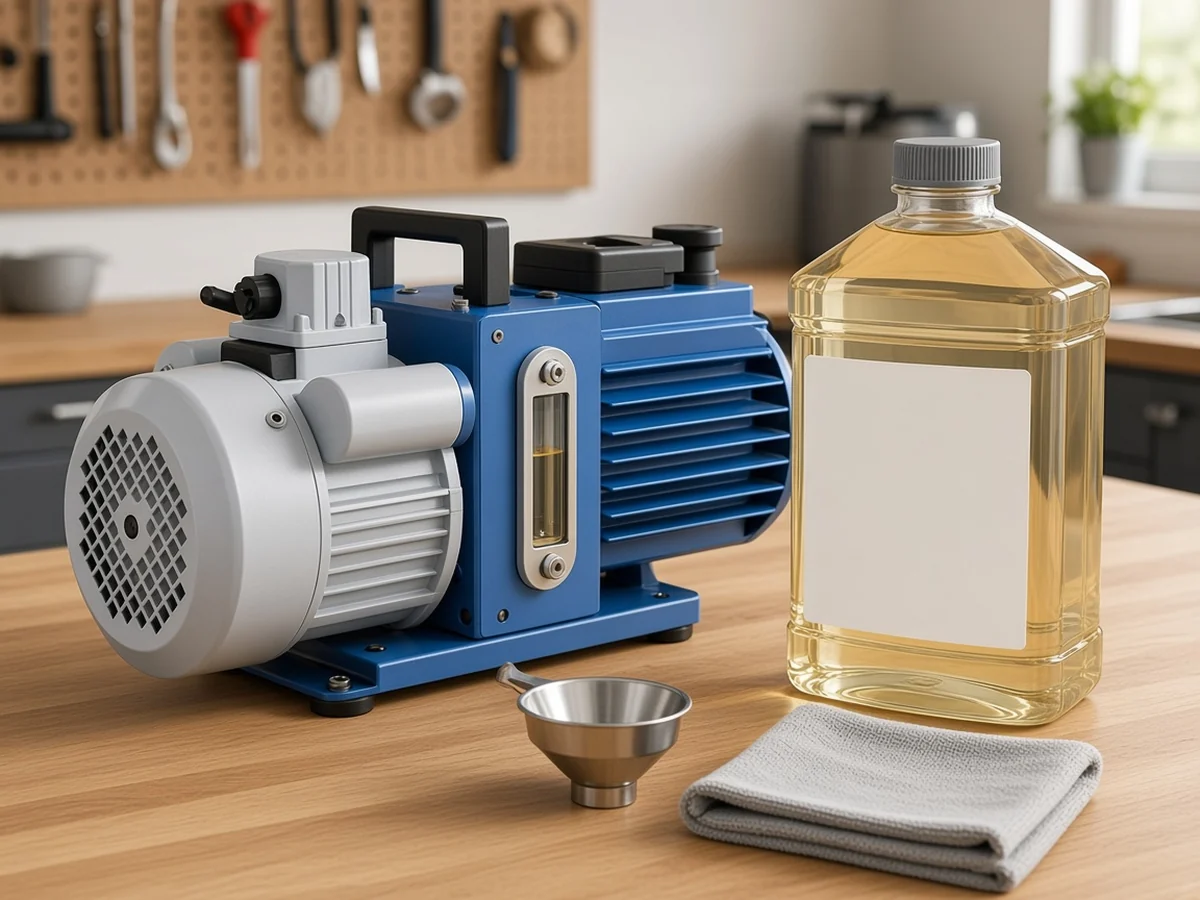
How Often to Change Freeze Dryer Pump Oil (and How to Tell It's Time)
Change vacuum pump oil on schedule in your freeze dryer manual—many home units use oil-sealed pumps and worn oil hurts vacuum, but interval and oil type vary by brand, so follow the manufacturer’s stated service interval rather than a single universal mileage.
Read guide →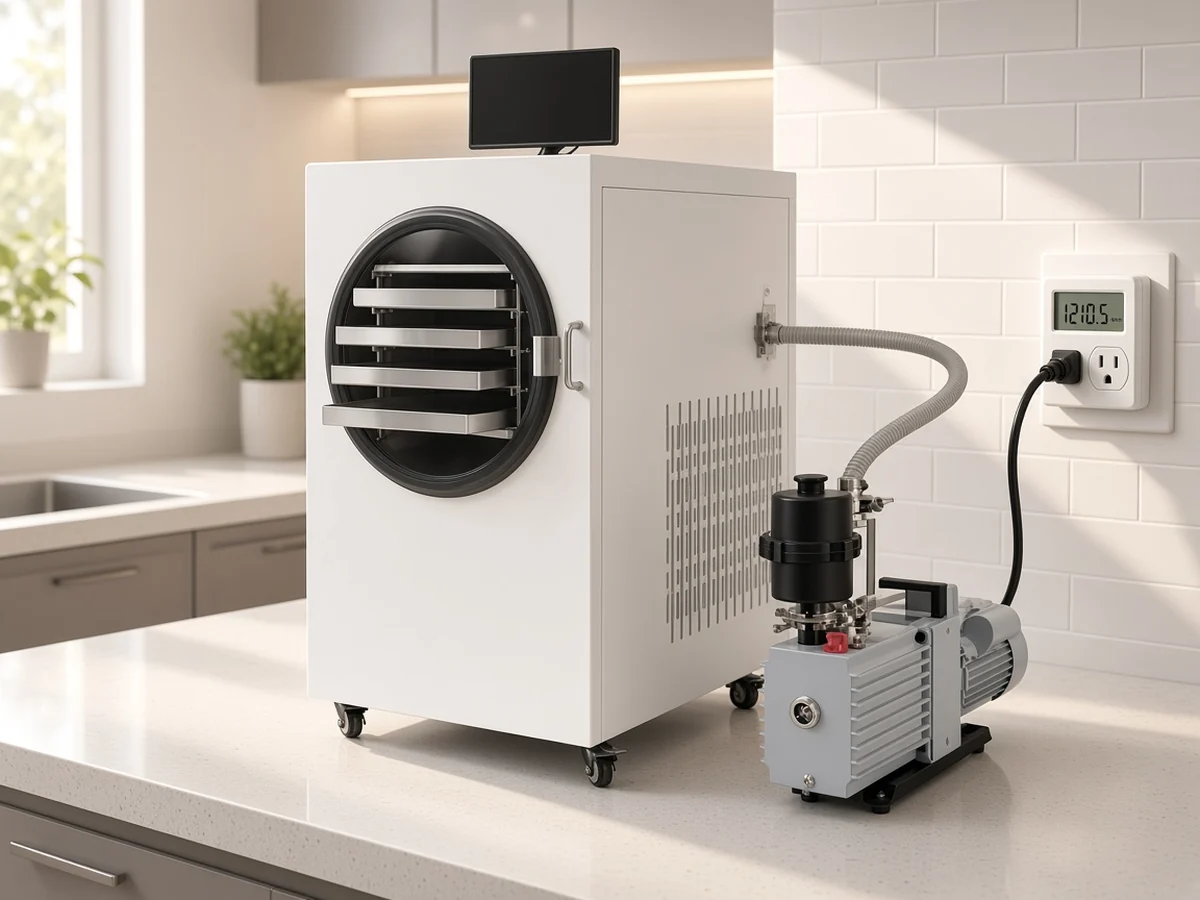
What It Really Costs to Run a Home Freeze Dryer: Electricity Math by Wattage
Freeze dryer running cost depends more on how many hours the compressor and heaters run than on the rated wattage printed on the listing. At a typical U.S. residential rate, even a 1,500–2,200 W cabinet often works out to a few dollars per full batch—not a continuous max-power load for the whole cycle.
Read guide →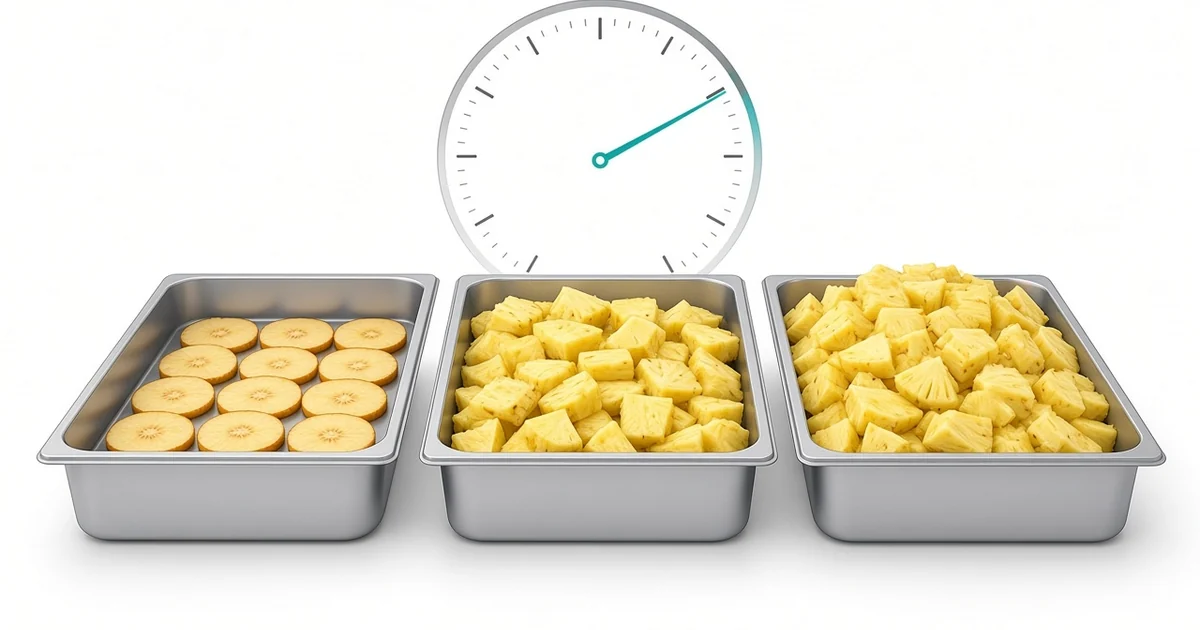
How Long Does Freeze Drying Take? Batch Times and Why They Run Long
Most home freeze-drying batches run roughly 24 to 48 hours or longer, depending on load, food type and machine settings. Blue Alpine defaults to about 8 hours of freezing plus 24 hours of drying in its manual, but recipe time still changes with moisture and slice thickness—never stop a cycle early for food safety.
Read guide →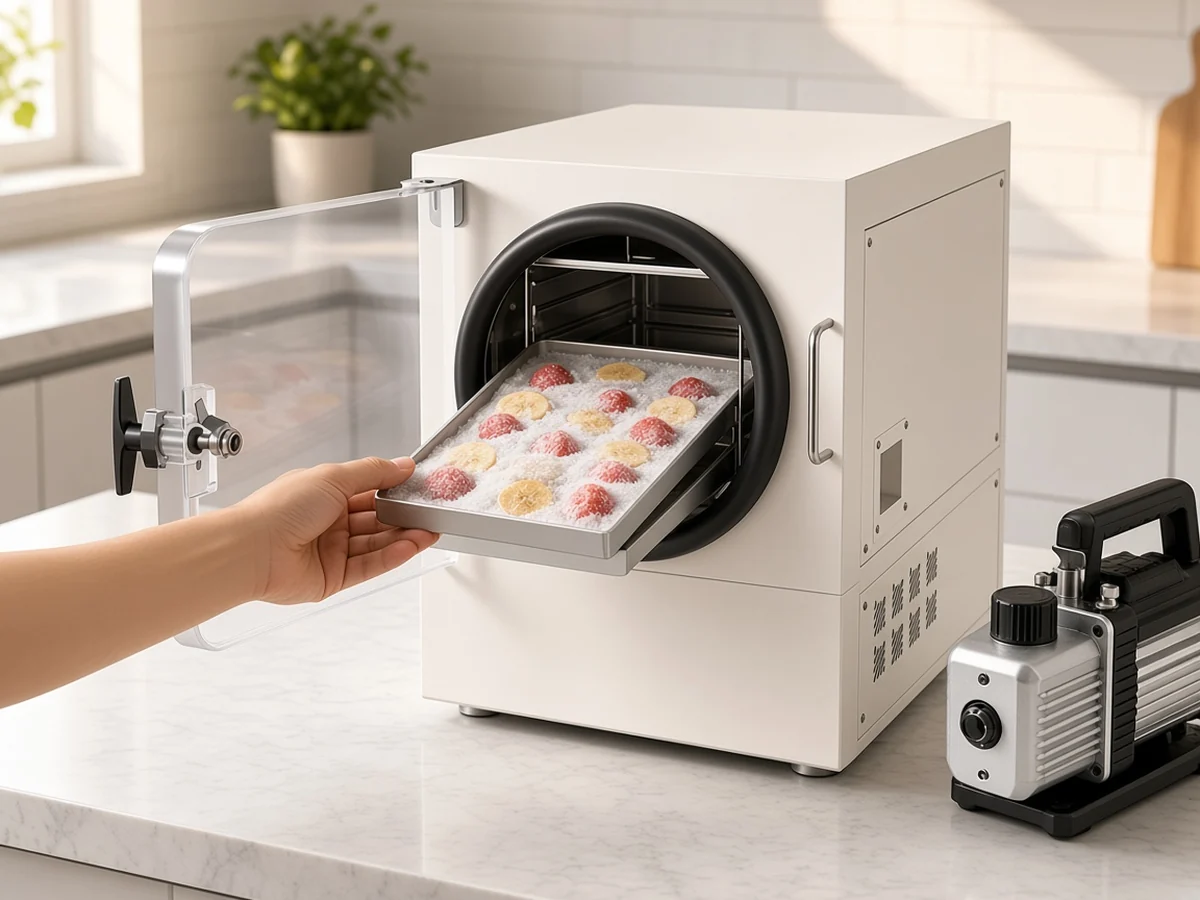
Freeze Dryer Not Freezing or Getting Cold Enough? What to Check
If a freeze dryer is not freezing or cooling, check room temperature, cabinet airflow and how much warm food is loaded before assuming the compressor failed. Match the outlet and circuit to the nameplate, leave clearance around the vents, and call warranty support only after those checks.
Read guide →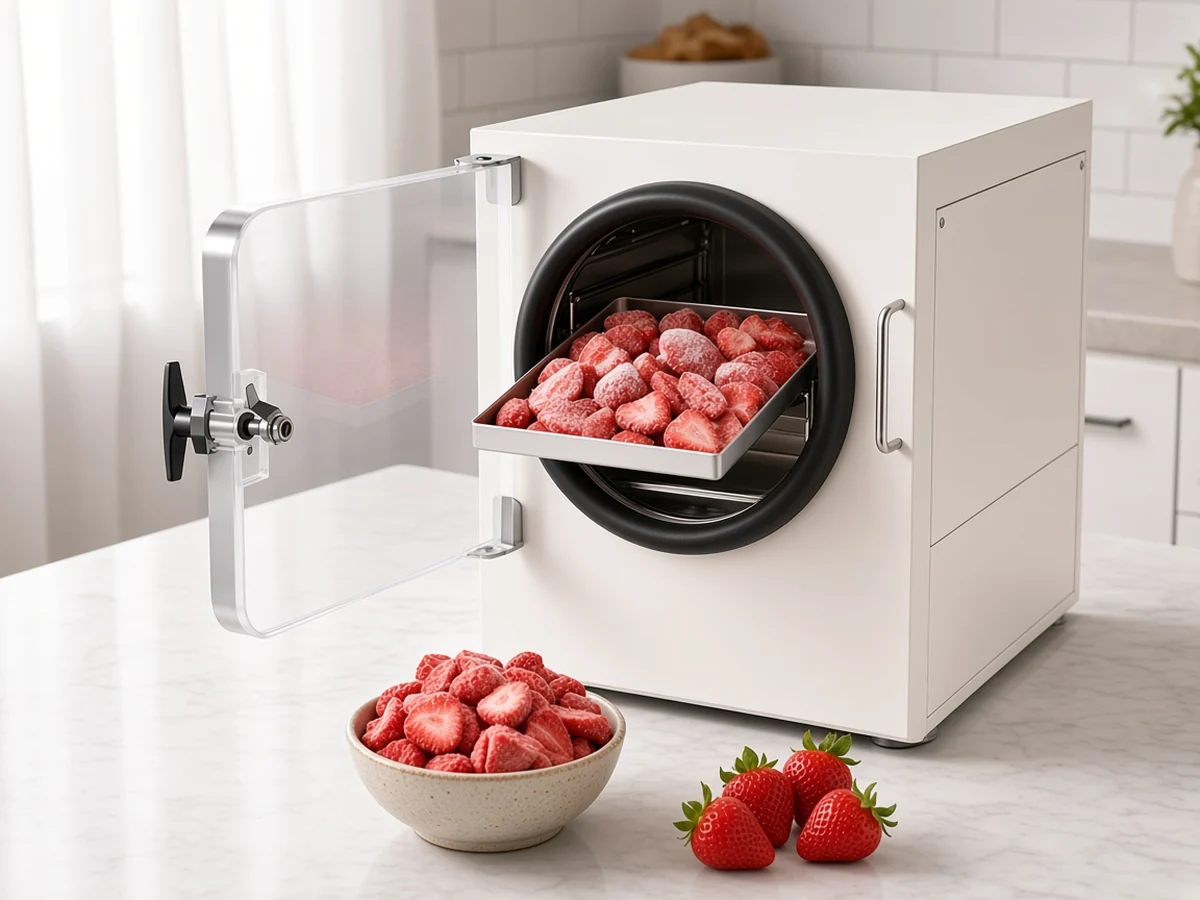
How Does a Freeze Dryer Work? The Three Stages, Explained Simply
A home freeze dryer works in three phases: freeze the food, pull vacuum so ice sublimates off as vapor, then finish with a warmer desorption stage that drives off bound water. That is why cycles take a day or more and why high-fat or sugary foods often need extra drying checks.
Read guide →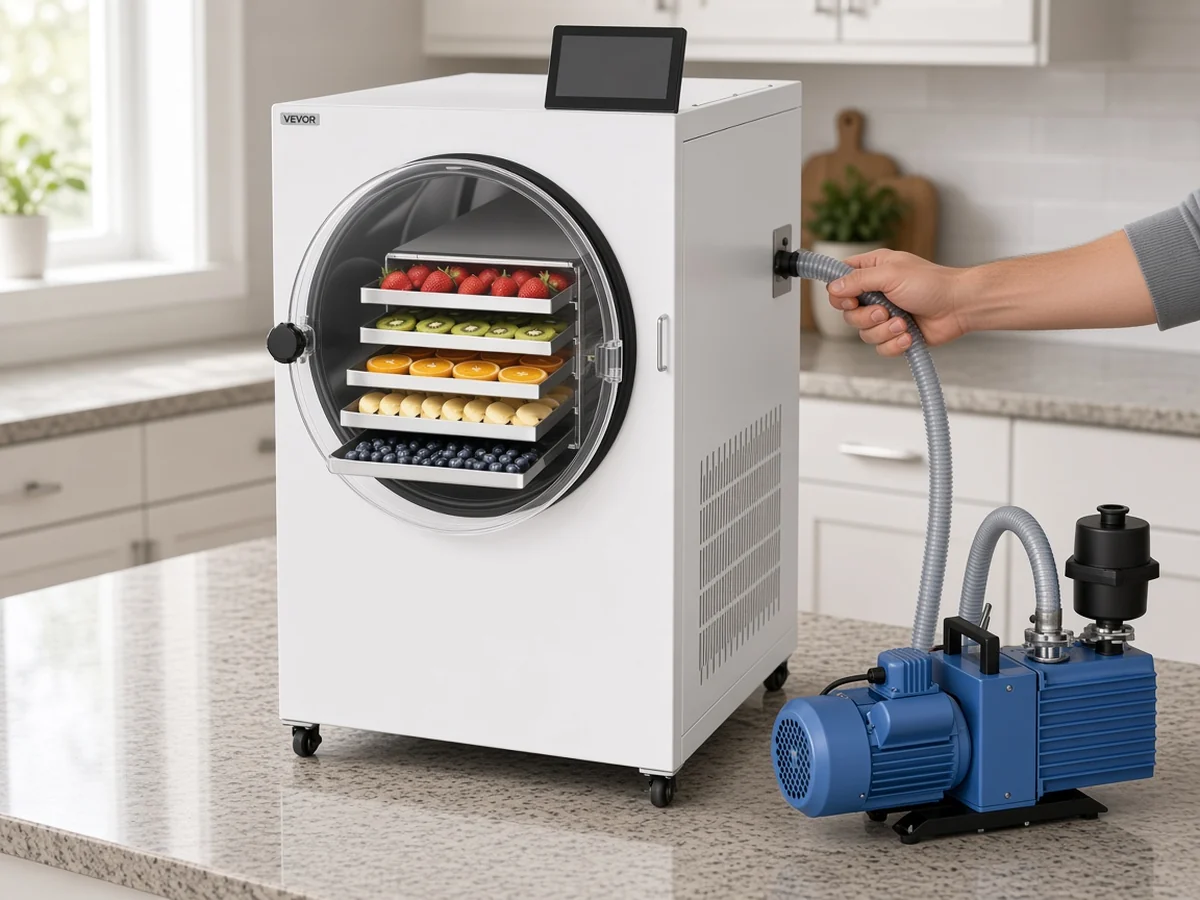
Freeze Dryer Not Pulling a Vacuum? A Step-by-Step Fix Checklist
When a freeze dryer throws a vacuum error, start with the easy fixes: confirm the door is latched, the silicone gasket is clean, vacuum pump oil is fresh and the drain hose is not kinked. Most failures clear before you replace hardware or call support.
Read guide →